Photo by u041au0430u0440u0438u043du0430 u041au0430u0440u0436u0430u0432u0438u043du0430 on Pexels.com
I watch film noir with an admitted addiction. The grainy black and white stillness, the music scores, the cinematography satisfies more than current cinema . The message comes through, live gracious, selfless, forgiving, brave, and passionate? As I feel these thoughts streaming along, the one that stabs like a knife is passion. That visceral sensibility has driven me throughout my life: about men, mystery,adventure, accomplishment, art, music, dancing, unfamiliar places and faces, and café society rendezvous. A temporary grasp of glee. And when it ends, it goes like this.
Undisclosed strangers will walk in our paths. Cross our hearts and Tread on our minds
Uncertainly We traverse our heart’s discourse Shooting for dreams of undiscovered lands More weightless plans I don’t know if I can see ahead My steps, like pebbles, follow the rush in the river On the edge of the quiver
Skipping towards freedom In summer, rays of light Like a leaf, I break free from the branch,
Sunday thinking: future, plan, prepare, implement. What if I go West, East, North, or South? One at a time. I use it a lot; it’s my mascot, mental disability. If I got over it, I would delete it from wherever it rose.
It reminds me of Rudyard Kipling’s If Poem. I am fearless one day and fearful the next, a collage of paradoxical thoughts. Emotions are my yellow brick road and also the vouchers of the victim. I’ve never been an A student of defensive tools; my acquiescence serves my need to be approved, which is so annoying.
I am not going back to childhood experiences; that cathartic tunnel has been examined, and approval and cherishing is the pillow of my contentment.
I’ve ended my book. Now, the editing takes you to a critical, objective perspective. It’s like looking in the mirror of truth, wrinkled, obtuse sentences. If I had not had this manuscript to write, I would have stared out the window and thought about it. A wise man told me,’ Write every day,’ and so I have. A photo from the Santa Fe fine days is placed in my heart like a vessel. One of those days is the Wine and Chili Festival.
Edit
2William Winant and Nancy LeRoyilliam Winant and Nancy LeRoy
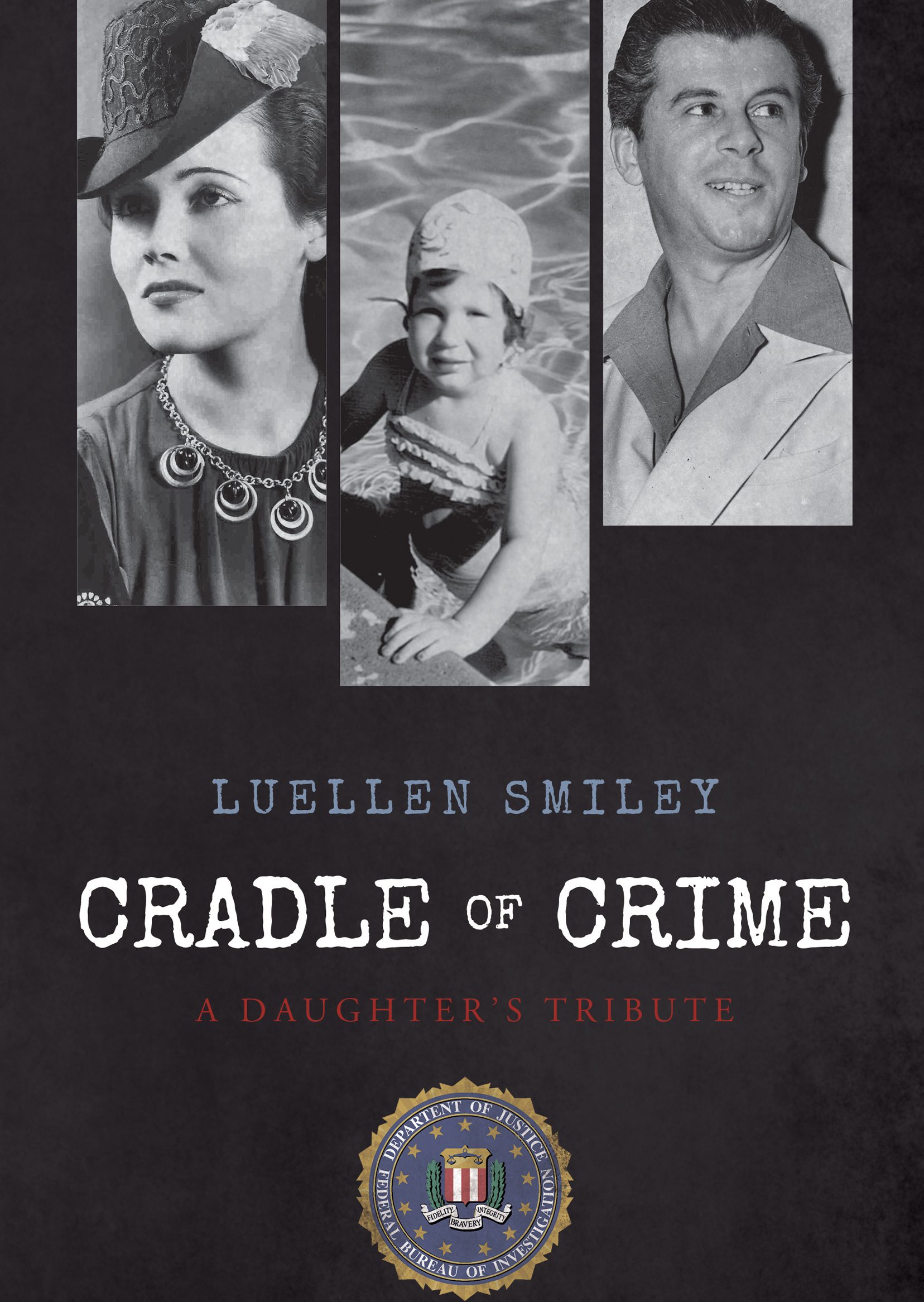
By MARTIN ZEILIG On the evening of June 20, 1947, less than six months after he opened the Flamingo Hotel-Casino in Las Vegas, Ben “Bugsy” Siegel died in a barrage of bullets through the front windows while sitting on a couch in his Beverly Hills mansion at 810 Linden Drive. Assassinated at the age of 41, Siegel was one of the USA’s most notorious gangsters. A former Winnipegger, Al Smiley (1907-1984) was with Siegel that evening. “My dad was seated inches away from Siegel, on the sofa, and took three bullets through the sleeve of his jacket,” said Luellen Smiley, a creative non-fiction writer, award-winning newspaper columnist, and Mob historian who lives in Sante Fe, New Mexico. She consented to an interview with The Jewish Post & News earlier this winter. “He was brought in as a suspect. His photograph was in all the newspapers,” said Luellen. “He was the only nonfamily member who had the guts to go to the funeral.” So who was Al Smiley? Born in Kiev, Ukraine in 1907 as Aaron Smehoff, Smiley and his family – father Hyman, mother Anne, sister Gertrude (who became a school teacher and lived in Winnipeg until her death many decades later), brothers Samuel and Benjamin – immigrated to Winnipeg when he was five, said Luellen Smiley, during a recent telephone interview with this reporter from her home in Sante Fe, New Mexico. “My grandfather was a kosher butcher and delicatessen owner,” she continued, noting that the family home and butcher shop was located at 347 Aberdeen Avenue. “He maintained an Orthodox household and expected that his eldest son would become a rabbi. But, my father was rebellious and interested in sports, especially hockey.” This caused conflict between the willful youth and his rigid, religious father. So, the teenager fled Winnipeg for greener pastures in Detroit, Michigan via Windsor, Ontario in 1923. He got a job travelling with the Ringling Brothers Circus and ended up in California where he was arrested for a drugstore robbery in San Francisco and sent to Preston Reformatory School in Ione, California, Luellen noted. “It was there that he met legendary movie director Cecil B. DeMille,” she said. “He was doing some sort of research for a movie. My father asked him for a job in the movie industry upon his release, and DeMille agreed. He found my dad work in a wardrobe department. He later became a property man, then a grip, the person in charge of production on a set, and eventually a producer.” He befriended celebrities like George Raft, Eddie Cantor, Clark Gable, Lauren Bacall, along with such gangster associates as Ben Siegel. “I’m pretty sure Dad met Ben through George Raft,” Luellen Smiley speculated. With Siegel’s help he opened a nightclub in L.A. sometime in the late 1930s. Smiley would later tell his daughter that Siegel was “the best friend I ever had.” In her soon-to-published memoir, excerpts of which she agreed to let this newspaper print, Luellen Smiley reveals the conflicted feelings she had growing up, and into later life too, about her father: “Some children are silenced. The pretense is protection against people and events more powerful than them. As the daughter of Allen Smiley, associate and friend to Benjamin ‘Bugsy’ Siegel, I was raised in a family of secrets. “My father is not a household name like Siegel, partly because he wore a disguise, a veneer of respectability that fooled most. It did not fool the government. “When I was exposed to the truth by way of a book, I kept the secret, too. I was 13. My parents divorced, and five years later, my mother died. In 1966, I went to live with my father in Hollywood. I was forbidden to talk about our life: ‘Don’t discuss our family business with anyone, and listen very carefully to what I say from now on!’ But one night, he asked me to come into his room and he told me the story of the night Ben was murdered. “When I was spared death, I made a vow to do everything in my power to reform, so that I could one day marry your mother. “Ben was the best friend I ever had. You’re going to hear a lot of things about him in your life. Just remember what I am telling you; he’d take a bullet for a friend. “After my father died, I remained silent, to avoid shame, embarrassment and questions. But 10 years later, in 1994, when I turned 40, I cracked the silence. I read every book in print – and out of print – about the Mafia. Allen Smiley was in dozens. He was a Russian Jew, a criminal, Bugsy’s right-hand man, a dope peddler, pimp, a racetrack tout. I held close the memory of a benevolent father, wise counselor, and a man who worshipped me. “I made a Freedom of Information Act request and obtained his government files. The Immigration and Naturalization Service claimed he was one of the most dangerous criminals in the country. They said he was Benjamin Siegel’s assistant. They said he was poised to take over the rackets in Los Angeles. He didn’t; he sold out his interest in the Flamingo, and he went to Houston to strike oil. I put the file away, and looked into the window of truth. How much more could I bear to hear? “He stowed away to America at 16, and was eventually doggedly pursued for never having registered as an alien. He had multiple arrests – including one for bookmaking in 1944, and another for slicing off part of the actor John Hall’s nose in a fracas at Tommy Dorsey’s apartment. He met my mother, Lucille Casey, at the Copacabana nightclub in 1943. She was onstage, dancing for $75 a week, and my father was in the audience, seated with Copa owner and mob boss Frank Costello. “‘I took one look, and I knew it was her,’ was all he had told me on many occasions. “On a trip to the Museum of Motion Pictures Arts and Sciences in Los Angeles, I was handed a large perfectly pristine manila envelope, and a pair of latex gloves with which to handle the file. Inside were black and white glossy MGM studio photographs, press releases, and biographies of my mother’s career in film, including roles in ‘The Secret Life of Walter Mitty,’ ‘Ziegfeld Follies of 1946,’ ‘Meet Me in St. Louis’ and ‘Harvey Girls.’ She was written up in the columns, where later my father was identified as a ‘sportsman.’ The woman who pressed my clothes, washed my hair, and made my tuna sandwiches was an actress dancing in Judy Garland musicals, while her own life was draped with film noir drama. “My father wooed her, and after an MGM producer gave her an audition, he helped arrange for her and her family to move to Beverly Hills, where she had steady film work for five years. He was busy helping Siegel expand the Western Front of the Costello crime family and opening the Flamingo casino in Las Vegas. They were engaged in 1946. “Still, the blank pages of my mother’s life did not begin to fill in until I met R.J. Gray. He found me through my newspaper column, ‘Smiley’s Dice.’ “One day last year, R.J. sent me a book, ‘Images of America: The Copacabana,’ by Kristin Baggelaar. There was my mother, captioned a ‘Copa-beauty.’ Kristin organized a Copa reunion in New York last September. I went in place of my mother, but all day I felt as if she was seated next to me. I fell asleep that night staring out the hotel window, feeling a part of Manhattan history. “Now, the silence is over. I don’t hesitate to answer questions about my family. I have photographs of Ben Siegel in my home in Santa Fe, NM, just as my father did. Every few months I get e-mails from distant friends, or people who knew my dad. “It seems there is no end to the stories surrounding Ben and Al. I am not looking for closure. I’ve become too attached to the story. To me, he was a benevolent father, a wise counselor, and a man who worshipped me.” Luellen Smiley can be contacted via email: folliesls@aol.com
SILHOUETTE of a Taos night out in 2006. It begins with the sunset—a bubble-gum pink sash that swirls like taffy just above the distant hillside. The transcending forms and colors in the sky distract me; they silence me, keeping me from turning on the television or answering the phone.
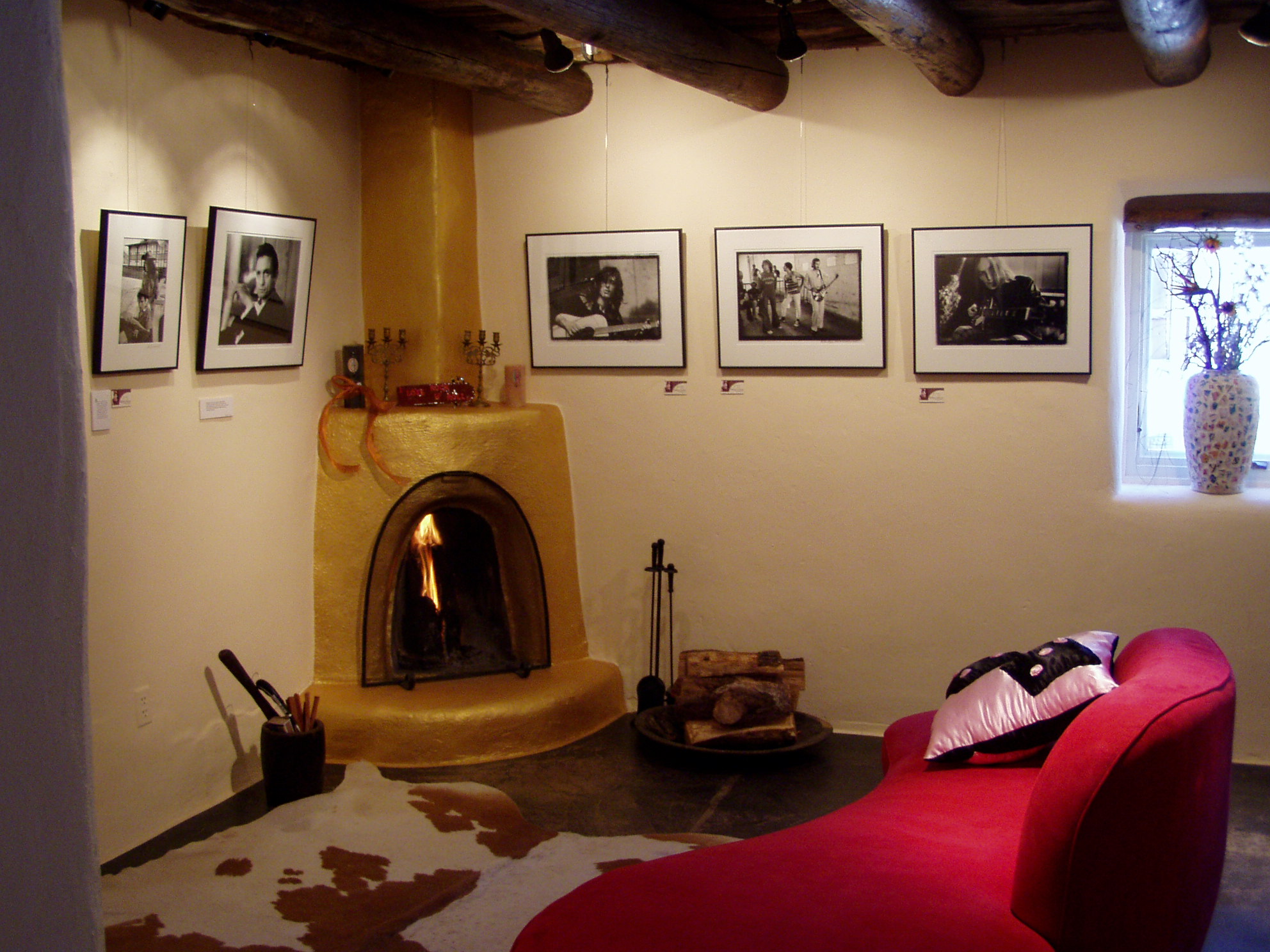
The sunset has settled into my routine. I watch it from the roof garden over our Adobe Home and Gallery every night. In the midst of dressing to attend an art auction at the Millicent Rogers Museum, the sun has vanished. The sky turns Taos blue; a luminous oil pigment canvas blue that appears like an endless tunnel you can walk through. As I descend the staircase and cross over the ménage of piles shoved in a corner to allow SC to paint, I think, “This is going to be my home. I’m still here” Adventures in Livingness
In the courtyard where new flagstone has been laid, and a mud ditch blocks the exit, Rudy hitches me on his back and carries me out the side entrance through Tony Abeyta’s yard. Tony’s yard is piled with sand from our flagstone project, and my high-heeled black suede shoes are not at all practical for crossing New Mexican dunes. This is how the evening begins. Out in the parking lot, we circle around once and stop in Robert’s gallery. He has offered me his turquoise squash seed necklace to wear at the auction. The necklace is from Turkey, and sells for $1,800. Millicent Rogers events always attract women with extravagant jewelry, and Robert knows I have no such possessions. He hands me the necklace and says, have fun.
At times like this, I can forget the faces and routines I lived in Solana Beach and feel swept into a labyrinth of unfamiliar vignettes. There are two police cars in the rear of the parking lot, the church looms like a fortress of wet mud, and SC is listening to The Band CD we picked up in Santa Fe. I slide into the car, ensuring my shoes don’t fill with gravel.
There is very little street light along the desert road, and cars approach you at disarming speeds. For newcomers, the pale yellow line that separates oncoming traffic, roaming animals, hitchhikers, leather-clad bikers, and abandoned pets is of no comfort or value. Boundaries and civilities between people are vague, and sometimes, conversations elope into poetry.
At the Millicent Rogers Museum, the director, Jill, who is there to welcome each guest, greets us at the carved wooden doors. This museum was once a home, like most museums in Taos.Each room is an envelope of Native American jewelry, ceramics, paintings, weaving, textiles, and metalwork sealed with Millicent Rogers’s ethereal presence. By coming to Taos and bridging her New York chic with southwestern individuality, she set global trends in fashion, art, and living. he museum collection includes some of her designs that evolved from her residency in the desert. She moved here in 1947 and died here in 1953. Although she could have chosen anywhere in the world to live, she settled in the unaltered, surreal lunar beauty of Taos.
I wandered through the tightly packed rooms, alternately viewing the guest’s attire and jewelry. The woven wraps, belts, and hats worn by men and women form a collage of individual expression. Almost everyone seems to attract attention by the texture and color of his or her attire. It is a festive traditional look, with southwestern accessories paired with jeans or silk dresses. If you come to Taos, look for a belt buckle, one piece of Native American jewelry, and one piece of art.
When the auction was announced, I admired the same etching as the woman next to me. She remarked that the artist was also the teacher of one of her children. I learned that Ellen had six children and 11 grandchildren. She was petite with curly blonde hair, and I liked her instantly. I told her I was a writer.
“So am I,” she answered.
Rather than talk about her work, she began talking about her daughter, who is also a writer.
“I’m so lucky–all my children and grandchildren are creative and artistic.”
It was obvious that her life was a garden of earthly delights and that she had raised many roses. When the auction began, she vanished, and I quickly viewed the art before returning to the two etchings. They were both sold.
As I was walking out, I bumped into Ellen. She was clutching the etchings.
“So, you bought them,” I said.
“Oh, yes, I had to have them.”
She left me with a beaming smile and a closing remark I often hear: “Welcome to Taos.”
I love hearing that so much I don’t want to stop saying, I just moved here. After the auction, we stopped in Marco’s Downtown Bistro, where we joined an improvisational party. It started when Marco introduced us to his friends, Pablo and Joan, who were visiting from Santa Fe.
The dim, glowing melon adobe walls of the bistro, Marco hugging everyone, Joan’s melodious, high-pitched laughter, Pablo telling jokes, Rudy laughing, and then Philip arriving to tell stories crossed over from strangers in a bistro to a fast-rolling film. The conversation and laughter surfed breathlessly from one person to another.
Joan remarked, “My fifteen minutes. This is the best for me. The first time you meet someone, you’re both talking without effort. It’s so perfect.”
We closed the bistro past midnight. Marco had gone home. Joan decided to stay at a friend’s house. Philip agreed to drive to Santa Fe the next day, and we took Tylenol before bed.
Not every night out in Taos is like Joan’s fifteen minutes, but chances are you will have something to write home about. The beginning of Gallery LouLou Taos, NM
OLYMPUS DIGITAL CAMERA
OLYMPUS DIGITAL CAMERA
OLYMPUS DIGITAL CAMERA
OLYMPUS DIGITAL CAMERAOLYMPUS DIGITAL CAMERAOLYMPUS DIGITAL CAMERA
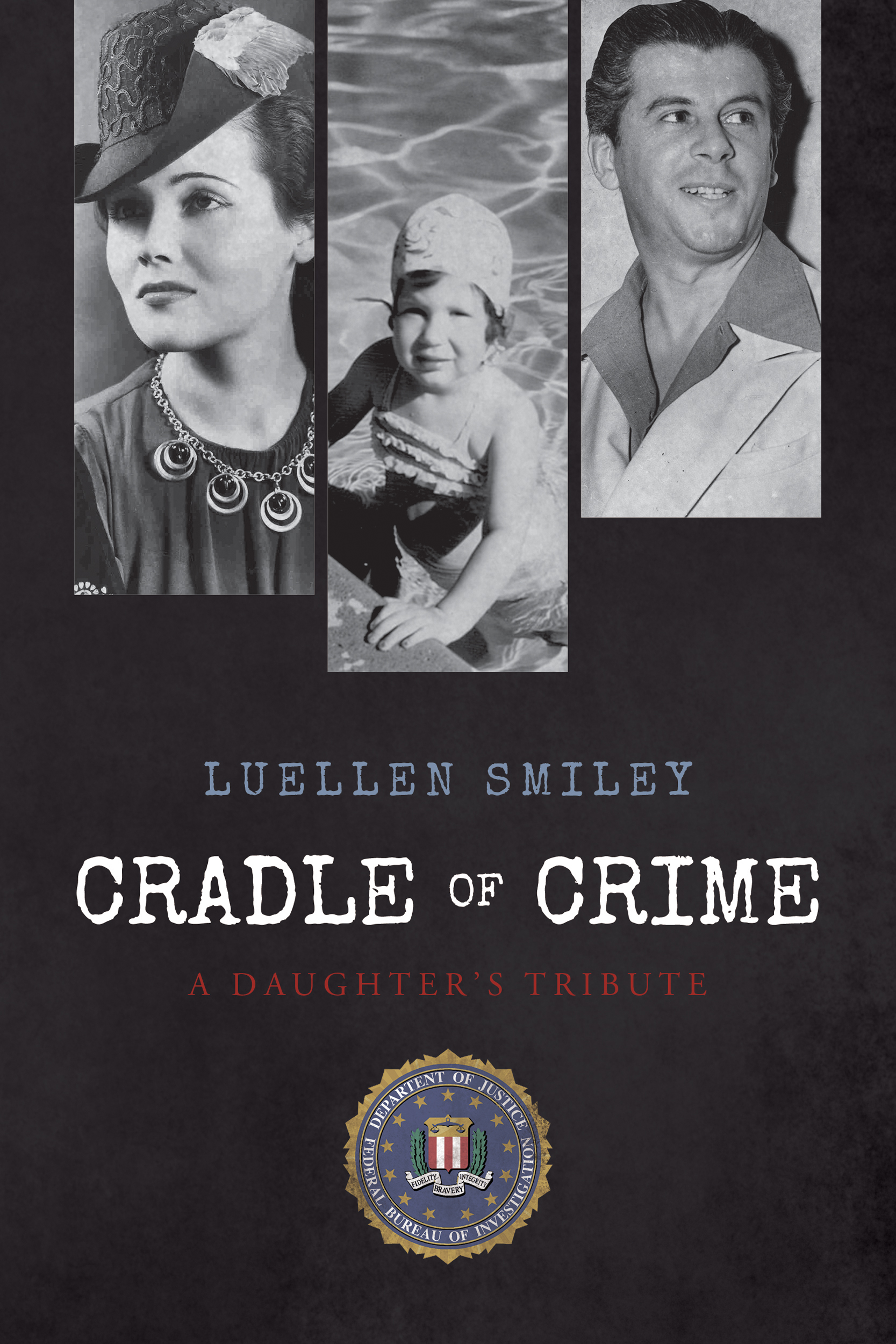
My memoir, published in 2017, Cradle of Crime-A Daughter’s Tribute is old news to me. Not to Charlie. I met him as he was renovating a house across the street. I didn’t introduce myself as Luellen Smiley, just Luellen. I asked if he would take a look at myhouse for an estimate on painting. He was sweet, a mountain man with a long white beard and hunting boots. Last week, he texted me,” I read your book, my friend and I exchanged Goodreads suggestions, and I told him to read your book.” How did he connect me to my book? I didn’t ask, and now it piques my interest. I’d walk across the street and ask him, his truck is there, so is the ice, and I don’t feel like skating and falling on my butt.
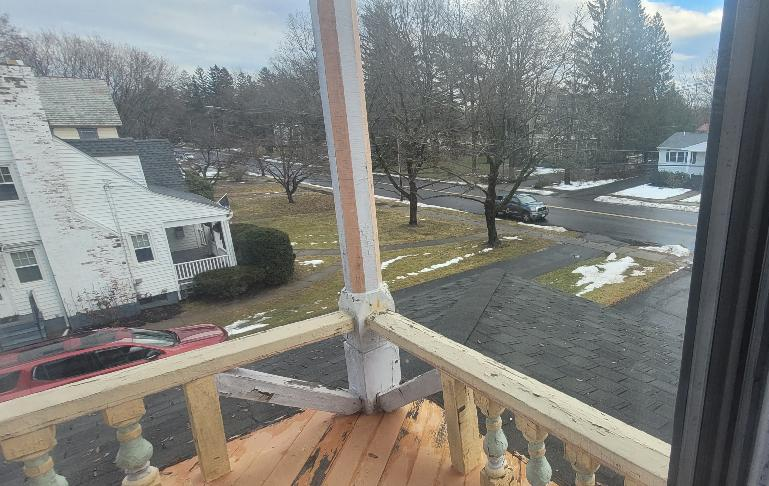
Winter in upstate New York to a gal from Los Angeles is likened to living in the North Pole. Going on five years, my last, I’m not resentful and scouring, but I am not acclimated. Indoors I dress in sherpa from head to toe and wear those finger mittens. Today it is full-throttle rain showers. The street is vacated of traffic and the public, it’s a good day to work on my next book. On my desk area few writing books, the favorites: Henry Miller on Writing, The Diaries of Anais Nin, and Albert Camus’s The Stranger. I haven’t bought a current book in years, the last one was Sam Shepard, The One Inside. I like Miller’s passage: ” The writer lives between the upper and lower worlds.: he takes the path in order eventually to become that path himself.”
Aging in my seventies delivered opening windows to restoring, rearranging, and repairing my persona, personally and in public. If you’ve read any of my essays, then you know explicit is the vortex that moves my thread. Restoring the brick-and-mortar of truth is at the forefront; the next layer is a confession of what I cannot speak in person to anyone, even my closest pals. The third is abstaining from too swift a pen; I’m always in a hurry: I prepare food quickly, walk as if I’m late for an engagement, and wash dishes with perfunctory interest. Everything when I think about it. I know why that is, my father. His shadow was always behind me as I went about myteenage activities at home, so I rushed to get out.
Last week, I stopped taking the powerful Lorzapam medication for neurotic anxiety. My heart raced when I opened an email from my attorney, when a stranger knocked at the door, or when I entered a public place alone. A new sideways rain shower just filled the window pane above my desk. Here is the fourth restorative: get outdoors! I don’t walk in snow or ice, but good old water rain, which I call God’s tears, is one of my favorite nature adventures.
Admittedly, my writing has granulated since moving here. It is tiny in thought and not always tied up neatly. My persona in public needs to be side by side with wine in a dining setting. What I contribute must be joyous and humorous because one of my favorite human activities is to evoke laughter and smiles. I broke away from my taverns and abstained from alcohol for a week. In the second week, visceral and bodily alarms have gone off. I’m lucid, motivated, andeven decisive.
From Anais Nin Diaries 1939-1944.
“I respond to intensity, but I also like reflection to follow action, for then understanding is born, and understanding prepares me for the next act.”
VULNERABLE…. weakness and emotionally exposed, failure. Otherwise the moment of courage to rise and understand our fragility without self-degrading,. Excerpt from Rabbi at Temple Ebet Emeth.
Portrait of Martha Graham and Bertram Ross (1961 June 27) (Photo credit: Wikipedia)
THIS WEEK LANDS ON poets, writers, musicians, photographers, directors, visual artists, composers, choreographers, actors and the untitled and unrecognized that squeeze in between. Kipling, Salinger ( my all-time favorite) The Rolling Stones, Mozart, Chopin, Opera, Salsa, Beatles, Stieglitz, Nicholas Ray, Kandinsky, Johnny Mercer, Martha Graham Balanchine, and James Dean. I left out about seventy-five of my favorites.
Composition VI (1913) (Photo credit: Wikipedia)They were all lovers before they were artists.
OUR ARTISTS IN HEART travel mentally and physically through life with all the windows open; awaiting a sight, sound, or feeling that draws them to their art. The feelings are what count on our life ledger. I have to thank Billy, my first love at fifteen. He was an artist of music, Gothic charcoal sketches, comic humor, and life. He opened my window to the arts.
That life ledger is always in the red because an appetite of feelings, and emotions eventually depreciates the spirit. Some of us rise above, and the flow of printed green paper comforts that spirit, but emotions continue to dominate all the success.
I have to write this in short sequence, as I am moving between a rigid reckoning of a forever ending TO ONE MY LOVES.
I understand how to harmonize with tragedy. Tomorrow I may be Loulou, but tonight I am all adult. The crashing of my life is cushioned and softened by music. Thank you, Puccini. Photo of my Malibu residency, it just seems to fit the opera. Or it could be Stairway to Heaven? I can’t write any more now, the music has modified my sadness so I’m going to say goodnight and pray for South Carolina and all my fellow Americans in the path of more disaster then me.
WHAT ARE THESE LISTS... the long list is the list you started as a youth without even knowing you were making plans for your future. This is the list that does not have to be in writing, keyed in a Blackberry or posted on the calendar.
The long list is about cutting out, shocking the system and coming back unharmed. It is an exceptional adventure sensation we visualize while waiting for a flight at the airport, for the neighbor to turn off the leaf blower, for the light to turn green.
All of the things we monitor in our lives, like the need to have a cavity filled or checking the coolant level is multiplying and that short list is so long we rarely have time to consider the long list. None of those items will make any difference in ten years, not one.
The short list is a big obstacle in the way of the long list. By the time we get to the long list, we may be crippled by fear, turned into a sofa shouting grumpy cynic or, worse than all the above, we may have forgotten what we wanted.
Waiting too long to start an adventure on the long list is looking at me in the face. It is September, this is the month of change. It is going to be autumn, and if you live in a seasonal climate, it is going to land on your front porch. Before the fall is scooped up in garbage bags and placed by the dumpster, my next adventure is moving to the short list.
SARATOGA SPRINGS BATTLEFIELD 2010- OFF THE LONG LIST









 ADVENTURERS IN LIVINGNESS
Leave a Comment