If you’re a writer, then I imagine you are either writing a screenplay, historical book, or commentary, or you are in the other class; how does reimagining the USA come into my writing without offending someone. For me it is too soon, my thoughts are awry, like blowing leaves dropping from their branch in Autumn. There is shock, fear, and distrust rattling our recent liberation from the directives, warnings, citations, fines, crumbled businesses, life savings, and jobs from COVID-19. I’m still mourning three million lives unexpectedly ending in a hospital without any family.
My chutzpah does not rise to the occasion of revealing my opinions, because I don’t want to be found, and renounced because I said pregnant instead of birthing mother. I hope someone writes a new dictionary we can keep in a safe place in case we are asked to speak. Those of you in your late sixties, I mean is this welcoming or alarming? Have you had this conversation,
“You’re a Republican! or You’re a Democrat!”
Talking about Politics today is like revealing your net worth. The most pitiful, aggravating, incendiary, and the repellant outcome is that today everything is, whose side are you on? This is not my kind of party. Maybe ask the Pillow Man to join in on a hearing or vote in congress, and afterward, have a pillow fight and some cocktails.
Looking west to a smear of dusty crimson sunlight, a young man of twenty stood on the shoulder of Highway 66 waiting to hitch a ride. A powder blue Cadillac pulled up and the lad was caught in a puff of loose gravel. When the dust settled, a woman dressed in a two piece matching suit leaned over from the driver’s seat. “Say fella, can you drive one of my cars to California? I’ll pay the expenses,” she yelled out the window. Another Cadillac pulled up next to hers with a jerk stop. The lad stared into the shine of the car. It looked like wet paint and he was tempted to touch it. “Sure will, yep I’ll do that. Should I get in now?” The young man answered. “I need to see your driver’s license.” She added. The man hastily drew out his license from a dusty plastic cover inside his billfold. She looked it over, and smiled. “All right Maurice, keep in close to us on the road, don’t get lost. We’re going far as Needles.” Maurice held tight to the steering wheel, ‘Geez, ain’t this great, what a car. I’m going all the way from Nebraska to California in a Cadillac.’ He’d forgotten about the sharp pains of hunger, and bloody sores on his feet. Now he was sitting on warm leather seats, with the cold night air off his back, and ten dollars in his pocket.
Sixty five years later, I’m walking down the street where Maurice lives. We haven’t met yet. I don’t meet my neighbors. I move before I have a chance to care about them. It comes easy to me, being a loner. Then I met Maurice.
Without a partner, lover, or relative nearby during our feared and festive flights of life, our ribs cave. You just cannot eat cake alone on your birthday, attend a funeral without a shoulder next to you, or celebrate a finished project without your best friend.
November 2016
Dodger knocked and then opened the door to Greta’s casita, wide-eyed and edgy as usual, like he’s about to eject off the ground and go air-born.
“Close your eyes.” She commanded
“I’m in a hurry, I just wanted to know if you’ve seen my glasses?”
“No, I have not, look in your back pocket, they’ll be there.”
He obeyed, “Good try butterfly.”
“They’re in your pigsty garage under a pillow. Can you just close your eyes, please?” Reluctant as always to be asked things like this he shifted his weight on one torn sneaker.
“Okay, you can open your eyes.”
“Well, what do you think?”
“I’m looking, hang on.” He opened the book and leafed through it, expressionless.
“It will be published this week in time for Thanksgiving and your birthday, a kind of homage to you, for reading the manuscripts a thousand times. I think it turned out really nice, don’t you?”
“Yea, then he handed the book back to Greta as if it was some other author’s book.
“Did you read the dedication to you?”
“Yeah, thanks.”
“Don’t you want to read it?”
“ I’ll buy one when it’s on Amazon.” Greta turned around and sat at her desk chair avoiding the disappointment with silence. She felt a sharp sort of shock, that left her speechless.
” I’m going to see Patsy for my Birthday,” He said in a more decidedly final tone.
” But I planned a publication party on your Birthday. You knew that— I mean this is our book once you read it you’ll see half of it is about you. He turned his head toward the glass door, he was preparing his next line.
” I know what you’re doing.” He replied.
“ What does that mean?”
“ You don’t want me to see her.” He turned around and looked directly into her eyes, unkindly.
“ I told you to move in with her, she’s your girlfriend, but I’m your friend. Can’t you go a few days later?”
“ No.”
” Okay, go. Get the fuck out of here, the book I wrote about our friendship and dedicated to you doesn’t matter.” Dodger opened the door and stepped outdoors before slamming it shut. The vagueness and accusatory tone pulled the plug on her adulation and accomplishment.
NOVEMBER 2016
Greta continued to sit at her desk, staring at the book, talking out loud as if Dodger was still in the room, you are fucking insane, he wasn’t the least touched, he didn’t even fucking smile or hug me. We are best friends you asshole, thirty-five years! Like family, I can’t believe you’d do this.’ The grail of completion dissolved when a few hours later, she had metabolized his absence.
Greta applied lipstick and blush, changed from sweats to jeans and a sweater, and dashed across the street to The Beaumont Hotel. It’s been what she termed her groove cave for the last ten years, ever since moving to town. Internally she reminded herself to retain some dignity, and not to cry, which would come later after she had a few glasses of wine.
The wave that most of us have to swim through at some sandy, loose day in our life comes unexpectedly as it did for Greta. It’s been two and half years since Greta agreed to tell me her story, it feels like it was yesterday.
Clutching her book in one hand Greta strolled into the Beaumont and, stopped at the staircase on the second floor where two hostesses were patiently but somewhat nonchalantly waiting for guests to arrive. She held up her book, partly because of the dismissal of Dodger, and her craving for some kind of acknowledgment. She is never sure what she has accomplished until she is validated by another person.
“Congratulations Greta, that’s so cool. I want a copy.” Jackie and Julia chimed in. Greta has told me over and over the people here, in the pueblo, it takes no time to get to know them because there is no pretense or preparation, they speak their feelings, as they arise without premeditation. Jackie is always tired and Julia is always infinitely alert and awake. Julia is in her sixties and Jackie is twenty-two.
“ Thank you dolls, do you think I deserve a cocktail tonight, no really, would it be all right if I have one. Jackie twirled her thin waist around the iron staircase,
“ Fuck that Greta, go have two,” she whispered.
“ You can walk home so have three,” Julia added, so neatly dressed in her uniform, but her eyes are like meadows like she’s not really there.
Holding court in the bar is Captain Kurtis. He’s ageless, one of those faces that retain the youthful spirit, and his six-foot-four physique almost doesn’t seem to fit with his face. He is no second guesser or lacks self-confidence, Greta loves him for that because she is not. She knows this for certain and she can’t understand why friends tell her, she appears so. She also knows that it is her little act.
“Hey! What’s happening?” He shouts out in his usual bar baritone greeting as if Greta were in another room.
She placed the book on the counter.
“ Wow! Hey, congratulations! That’s awesome. What would you like–on the house?”
“Thanks! A Martini.” He greeted another guest and I looked in the unavoidable mirror across from me and winked.
“ Wow, I don’t read much but I want a signed copy!”
“ This is the proof that I approved, the book comes out on Thanksgiving.”
“ My parents will be here, will you?”
“ Of course, I can’t not be here.”
“ Has Dodger seen it? Bet he’s happy huh?”
“ Actually Kurtis, he’s not.”
“ What the fuck is wrong with him?”
“ I don’t know, but he’s leaving for the holiday to see his girlfriend, I’ll be here alone.”
“ No way! We’ll be here. Drink your Martini and get crazy, loosen your bottom or something.” A while later, a second bartender arrived, Rooster, his hair is slicked into a rooster tail and he loves to dance and lip sing behind the bar. Greta went through her announcement, and he just beamed. “I want to buy one– where do I get it?”
A dreamy drench of joy poured over Greta, she let the martini take her away to the full euphoria of escape.
Over the next few days, she watched her royalty cart fill up. It was graduation day, a milestone for any self-taught writer. The instant a book was bought she wanted to tell Dodger.
From Greta’s desk window she views the driveway and converted garage where Dodger lives. It is now the twenty-third and she is waiting for him to leave as their incidental crossings on the street or in front of the house enrage her temper. This afternoon he appears to be preparing, and un-preparing for a departure. Greta is observing his actions with just a hint of humor as she sees him bring his bicycle up from the basement place it outside the garage, then a few hours later, he places it inside the garage, then it comes out again and he keeps repeating this action until he switches to his construction tools, they go in the van and then back in the garage. Dodger then moves on to washing his car in militant style, climbing onto the roof and manically wiping down the exterior and interior with a roll of paper towels and cloths. Greta says, ‘My God Patsy must be a car germophobic.’ On Thanksgiving Day, she sees the Van, and then Dodger comes out of the garage carrying his toiletries bag and a garment bag. He glances over at her door where she silently observed him. She opened the door to say whatever came to mind at that moment and he accelerated into his van and drove off.
Thanksgiving 2016
Greta propped herself up in bed drew her coffee cup into both hands to warm them and wiped tears on her nightgown sleeve. She could not get up at least not for a few more calming hours so she looked at the walls of her bedroom sparked with honey sunshine inside the gold curtains and as the day passed her enthusiasm for turkey and stuffing wilted, until four o’clock, when she closed her mind like closing a book thinking of Dodger. She pulled a green sweater and burgundy velveteen slacks and dressed without even looking in the mirror, habitually applied make-up and while looking in the mirror tested her smile, to find the one that looked genuine. ‘ Oh fuck him, I’m going to make joy tonight’
Couples and families scurried the walkways on their way to dinner. Greta watched enviously having never been a mother, every child appeared distinctive and worthy of love. As she walked through the lobby her attention was drawn to a circumference of platters of food decoratively arranged on tables. The mounds of appetizers, salads, loaves of bread, and turkey slices tuned up her appetite for the first time since Dodger departed. Inside the bar, a standing crowd of guests fused in high-pitched voices, laughter, and glasses raised in toasts. Greta eased her way to the bar feeling slightly self-consciousness of her unaccompanied presence. The Dude, as she referred to the leading bartender stood tall as a redwood, his hair wrapped in a perfect man-bun.
“Greta, over here. I saved you a seat.” She smiled uncertainly, unconvincingly and the Dude noticed. He raised his chin a notch, it’s his way of acknowledgment.
“Hey Greta, you look really nice tonight. Are you ready for a martini or what?
“ I don’t feel like it, can I go now?”
“ Come on, it’s Thanksgiving, aren’t you thankful for something?” she savored the comment, it was true she did not feel the thankfulness quality of the celebration.
“ I’m grateful for you!”
“ Okay, what’s wrong?”
“ You won’t believe it, whatever it is I don’t know. Dodger didn’t stay for the publication party, he didn’t even say congratulations when I showed him the book, he’s gone to see Patsy, you know the woman in Las Vegas that he sees sometimes.”
“What an asshole, I’ll whip him when he gets back. Do you have the book with you, I want to see it now!” She kept one in her bag, in case someone came in that I knew.
“ Here, that’s yours.”
“Aren’t you gonna sign it?”
“ Of course. I’m just jilted like my prom date didn’t show up.”
“ Hang on, write the inscription I have to take care of these people. Don’t leave!”
The evening evolved into a gathering of singles at the bar, the exchange was simplistic holiday conversation, suited to the occasion, so very all American, though the holiday isn’t widely accepted by the Natives due to the fictionalized history of the holiday. Within the festive mood, the distraction pulverized the hollowness of dining without Dodger on Thanksgiving and his birthday. Greta’s closest female friend is White Zen (WZ), who is out of town, and other friends are with family, so it is one of those days for single unattached people to find refuge where they can.
The man seated next to her was so close she was tempted to move her chair but thought that would appear unfriendly. The Dude approached her,
“ This is my Dad.” The Dude went on to talk about the book I handed him and then the father started up a discussion about how he was writing a book too and so the evening, between bits of food and wine liberated Greta from singleness to a dinner companion. She knew Dude had that planned as he was continually trying to introduce her to men.
When there was a lull in the conversation Greta seized the moment to excuse herself and squeezed through the crowd to the ladies’ room. The silence relieved her as it always does after a two-hour conversational overload and incessant noise of guests whose cocktails elevated their voices to disturbing mumbling. She applied fresh lipstick, and then she took a deep exalted breath and texted Dodger, ‘ hope you have a wonderful thanksgiving.’ She washed her hands and after a few more minutes passed, the text remained unanswered.
“ Dude, I’ll have another glass of wine.” He was more than responsive, and poured a full glass of wine and left the bottle next to her. She knew he knew her heart was crumbling.
“ I’m thankful Dude!
“ Yea, you should be!’ A tipsy jolt took care of the evening and she managed to make some mocking jokes about the Dude, and how his youth at twenty-eight pleased the women at the bar as they attempted a sensual pat on his hand.
“Cougars, divorced or cheating on their husbands, women your age are weird.”
“You’ll understand when you get older.”
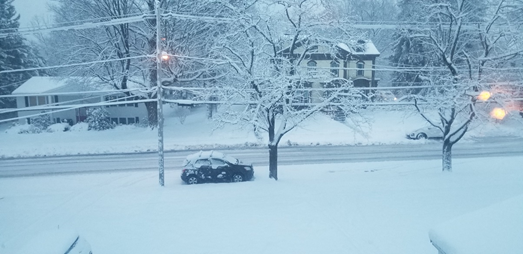
Over the next few days Greta texted Dodger six times, and he didn’t respond, so she called. She was blocked. Her rage erupted, and so she sent an email with a link to her Amazon book page. When days later she did not get a response, she pinned herself in front of the television and dialed WZ. The outdoor snow piled up, the trash was not emptied, she avoided going into the basement where the washer and dryer were and the temptation to begin sabotaging, or breaking his belongings.
“ Hi, it’s me. What’s left of me that is. Can you talk?”
“ Yes, you don’t sound good– what’s happened? Let me get a cocktail going I think I’ll need it.”
“ I’m into my third glass of wine, call me back because it takes you fifteen minutes to do your marvelous Martini’s.”
Greta waited as if she was about to go into the operating room. WZ is in the category of mothering it’s not just her whispery voice, or intense talent for listening, she has the appetite for drama and that’s what hooked her to Greta.
Unless you’ve lived in a four seasons city, you just can’t understand how transformational and redivivus the vernal expectation of spring. My mind feels like someone has loosened the screws, and a willowy feeling fills the body so when I walk my steps waver, without any alcohol. This spring is like a substance prescription after one of the gloomiest winters of my life.
It was a day like today, just after the rain soaked every blade of grass, and the world looked squeaky clean as if it had been mopped with God’s soap. I was sleeping in an unfamiliar bed in an unfamiliar berth on a ferryboat that swayed like a rubber raft. I was awakened by a knock at the door. “Ma’am. We’re here.” I looked at the young man questionably.“Ireland,” he added and shut the door. “We’re here?” I twisted myself round in the blanket and raised my chin to the porthole.Oh my God– It exists. Look at that tiny little village and the little harbor and the colors.
I landed at the Port of Rosshaven from London where I’d spent two nights in a room the size of a cigarette holder. I loved London as much as I could in two short days; carrying thirty-five pounds of clothes. Part of one day I spent packaging up half my wardrobe to ship back. The plan was to spend one month in Ireland. Other than that, my itinerary was unplanned. In those days, I leveraged myself to the outskirts of foolery.I gathered my Northface garment duffle, shoulder bag, and departed the ferry. It was Sept. 5, 1987, and I was thirty-something, recently separated from a career in commercial real estate and my pad in the Bankers Hill neighborhood of San Diego. Everything went into storage so I would be free to conquer whatever it was I thought I was conquering.
That first day I made my way to the picturesque village of Kinsale. The tourist office made the reservation for me and suggested that I rent a car. No need, I thought. I’d get around on my own for a while. She slapped a map of Ireland on the desk and pointed to several towns and then counted the miles between each town. “The buses stop running in September because all the tourists have gone home. You be wee on your own.” “ Well, I’ll look into it tomorrow. I’ll just get a cab to the Bed and Breakfast tonight.”
That night ended faster than any in my life. I woke up and decided to stay another. I could not part with the warmth of the Innkeeper’s country kitchen and the canary yellow bedroom, or the county road, the red barn and the miles and miles of rollercoaster hills cushioned in that indescribable Irish green. Her house was a quintessential B & B, blushing with the right bedding, Irish linen, French and English antiques and contemporary restaurant-grade kitchen.
I remember the Innkeeper drove a BMW, and her house sparkled as if it had been photographed earlier. That first day I walked into dreamland, and I did not come out until I left Ireland. This was my first solo trip to Europe. I began with Ireland because my friend, Kenny, insisted I go find the Casey in me. That’s my mother’s maiden name. Everyone thought I should be institutionalized for taking off like I did; mid-career on the rise and all of that.
That first evening I walked into town and ate at the restaurant the Innkeeper recommended. I wish I could remember the name of the place. It’s written in my journal, but the journal is in Taos, NM. Anyway, that dinner still rates in the top ten of all dinners, including all those four-star French Michelin Chateau feasts I found my way to later on in the trip. I hit a dozen villages between Clare, Kerry and Limerick. I took a seaweed bath at the seashore of Ballybunion, stayed in a folk singers
The beach in Ballybunion in Kerry of Ireland. (Photo credit: Wikipedia)
luxury hotel for a week because he wanted me to bring his tape back to America, attended an Irish wedding and the racetrack in Dublin. I watched the Farmers Matchmaking Festival in Lisdoonvarna and climbed the hill to the Cliffs of Mohr. On my hike up to the cliffs, I passed a man gardening in his front yard. He stopped and began to chat. His house was so beautifully Irish, handcrafted in brick and stone with acres of fertile land as his back yard. I told him it was the most beautiful home I had ever seen. He turned around in his rubber boots, leaned against his pitchfork, and said, “America, that’s where I want to go.” He said he would give me his house if I would take him with me. We talked for a long time about what matters, and as we parted I remember what he said, “Send me a postcard from America.”
He pushed her on a swing, so high she touched the sky, viewed the world through his eyes, lived for a time without lies, then as mystically he appeared, he let go of the swing, and she fell on her wing, broken but with the will to begin again. A broken heart hasn’t stopped her from loving him.
For ten days she stared unblinking, just thinking of her spoken words, how they made their way to his ears and returned the sounds she so wanted to hear. She wiped the tears as some people find love at the core of their fears. The strain of regaining her former spiraling spirit and beating heart may not come for months. She says to herself out loud, ‘it must, I must.’ As written, sung, painted, and performed for hundreds of years, love is undefinable as it is something supernatural.
Without a partner, lover,or relative nearby during our feared and festive flights of life, our ribs cave. You just cannot eat cake alone on your birthday, attend a funeral without a shoulder next to you, or celebrate a finished project without your best friend. During these times of divisiveness, a pandemic, our favorite restaurants and shops out of business, and vigilanteviolence, it takes courage to be alone. It is you I am thinking of and I know you are out there, isolated. I listen to a lot of music, from Opera to Salsa, shout myself out of bed, attend to mediocre mindless tasks and think about all of us singles, without children, or family and friends out of my reach in Los Angeles, Santa Fe, Scottsdale, Sedona, and Florida. Each one holds a podium on the telephone, as I listen to their feelings, they are variations of a Chopin or Bach recording. The sadness and fear each one is holding at bay, reveal their authentic character. Isn’t it an extreme tragedy that holds a spotlight on our soul and spirit? One friend reminds me to refrain from judging myself too harshly, another advises how fortunate I am to be in a safe small village, with very few deaths, and another says simply, I’m falling apart.
We are now forced to learn our supreme strength, our survival methods, and how to structure a new lifestyle. When was the last time you were tested? Remember that and you will forge ahead.
THE CLASSMATE THAT wrote is named Andrew. I imagine he’s married; a man with his looks and gregarious personality living in Los Angeles all these years. Maybe he married one of our high school classmates. We exchanged a few emails in two thousand eight, he’d just returned from a trip to Poland and I was managing the gallery. Then the crash came and I think my correspondence dropped. Why was he thinking of me? I don’t have any photographs from high school, I suppose I could look him up in the yearbook. I’ll wait till he writes again.
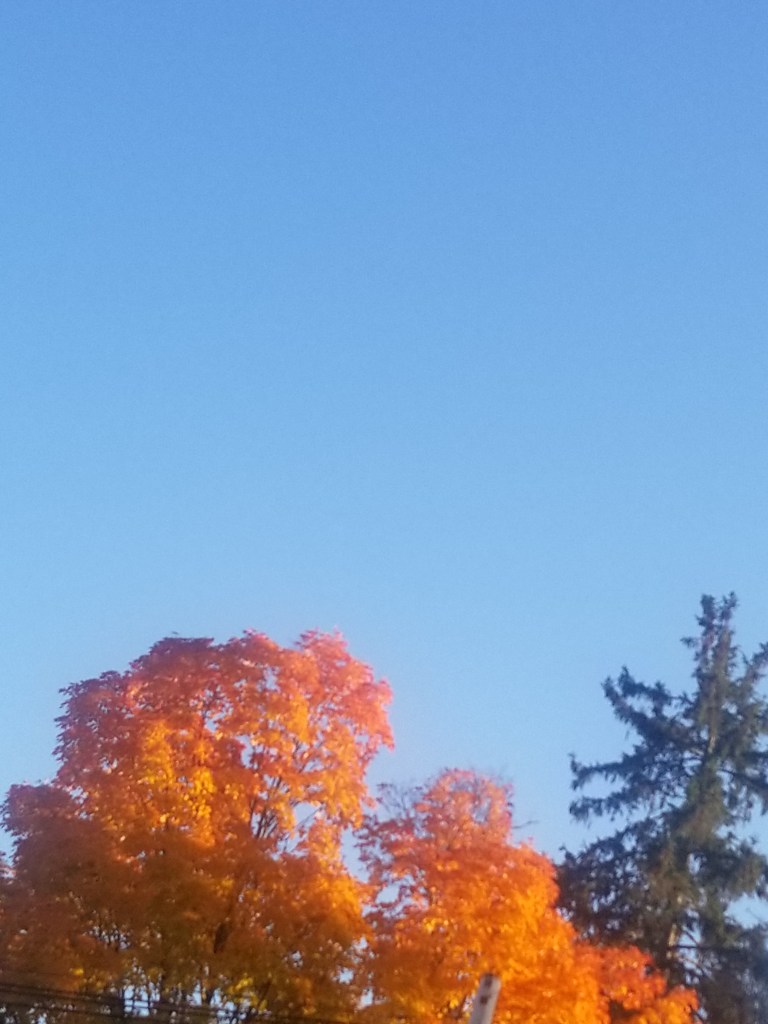
The sky is crystal blue, and the temperature a mild fifty degrees. From my window, the leaves dropping makes me think the trauma and suffering the last four years has dropped from my life. What the trauma was about is irrelevant and too lengthy to write. We all get sent to the chopping block of heartache and this was mine. This is as liberating as taking off a tight bra after a long day!
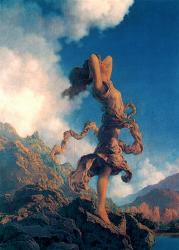
Maxfield Parrish
September has traditionally been my month of transition. It’s a sort of pattern that began years ago and so making decisions is as if I’m on a time clock. What is most essential now is finding a new place to call home. I began looking at Santa Barbara. I loved visiting the city by the sea, those beautiful mountains, and quaint craftsman architecture. So what if I don’t know anyone, I’ll be alone regardless of where I move. Easily accomplished in my fifties, not so improvisational at sixty-seven.
Rapturous Autumn day; this year the transformation of nature, outdoor activities, cider doughnuts, smoking fireplaces, and a crispness that reminds me of breaking open a head of lettuce. What really happens to us in the East is fall descends like a new stage and the props from summer are removed. The mums come out on the porches, and the bright yellow and gold plants dot every porch. The conventional lifestyle and customary activities placate our sense of belonging. Christmas, wow, it’s only a short time till winter. In the dressing room unpacking more sweaters, socks, warm-ups, I get an alert, another email. Andrew added another compliment so my response was crush-worthy. Why not? Maybe fantasy is what is needed. Remerging silhouettes, all of us on the front lawn at lunch time, and boys are pairing up with girls and Andrew is laughing, making clownish faces and gestures, yes he was crush-worthy. He walked in long strides, visible energy and every step seemed to have a purpose. The boy I was in love with graduated, and I did not have a boyfriend. My shyness and restrained conversational skills excluded me from invitations to date. Maybe that’s why he didn’t take notice of me observing him, a lot of classmates had crushes on him.
The reality of COVID-19 is now the centerfold story because it is affecting everyone; the excruciating financial loss, death, sickness, and loneliness. It’s more like acceptance that this is our job now to tolerate COVID-19. Restrictions, circumstances of failed businesses we all loved, fear, and more fear call for an imaginary friend who I haven’t seen in fifty years. He replied with a formal note of response that he was on Facebook and could we be friends. I wrote back, yes. I am listening to the soundtrack from the film A Man and A Woman while chopping vegetables for soup. This music has formed a flame of optimism for the day I’m in love and let go of singleness.
On Facebook Andrew’s feature photos reveal the teenager I remember. He is a photographer, a Neuro Technician, and in his twenties an actor and model … hum, sounds like my resume, professional career changer. His photos sent a quiver through my veins, a call to read everything on his page, and view videos of his European travels: beautifully crafted images of architecture, monuments, art, culture, and locals. It deepened my understanding of his life just by his photos and posts. The other side, his appearance; the facial features, keen brown eyes, uncensored or rehearsed self-photos, group photos with our high school mates at the reunions, his long wavy hair, and his defined lips and cheekbones tingled curiosity.
The photos of Andrew at the class reunions next to my best friend and other classmates I remembered brought a snowstorm of memories. How I loved my friends back then. About six of us went everywhere together; bought our first bras, learned to drive, went to Westwood Village to look for cute boys, sat in the booths at Mario’s Pizza, Hamburger Hamlet, and The Apple Pan and all of it on ten or twenty dollars a week allowance. I have not been to a reunion since the tenth. Andrew posted photos from several. He stayed connected. Fifty years have passed, and he’s on my mind. To be continued.
What I think of at three in the morning is never the same at ten o’clock in the morning. The labyrinth of safety and comfort, colliding with the unknown darkness, seems to be the most revealing of emotions. It is also a time that spirals into visual realizations, recognitions, and a time when our mirrors move toward us. Tonight, is about friends.
Friends are bookends that bind our stories; some novellas, some poems, some cinematic, each friend s serves as a bookend to our personal history. When I’ve lost my way and need direction my friends motorize me like a little engine, and when I fly without wings, they ring the bell to come down to earth. At times, arguments arise and my friendships stray, but true-life friends never leave you behind. Sometimes years may pass, and then one day you get a call or an email or send one yourself, and the flushing of that particular squabble in history vanishes. You can start anew; at the same time, it is not.
The essence of friendship never burns out, it is our galaxy, a kind of celestial agility.
Are you experiencing a startling outpouring from friends who’ve left your life only to suddenly show up on your social media or a personal email? Are your friends calling and writing more often than pre-Covid? I’m always examining some unfamiliar events in life, a new trend, a cultural change. We have that now, and conversation, as it has leaped from let’s just talk to all the, don’t go there subjects of 2020. Seems like every topic can be mixed with politics, sometimes the mixture is explosive. I’ve halted the political discussions and so have my friends as they are more important to my livingness than politics.
These new threads of friendship began with a young man I dated when we were in our mid-twenties. He was developing into a businessman, the world was not far from his scope, I on the other hand was cradled by my father’s demands, my freedom limited. Our short story ended; the bookends shelved until one day he sent a message on Facebook with his phone number. The last time I’d seen him was around nineteen-seventy-three. I paddled through the well of memories; his image materialized, he was smiling, joking, driving me around, going places. I could be passive with him; he was a trailblazer. I was content to be in the company of a man who was fearless, exploratory, and a gentleman. Our first phone call lasted a long while because youthful history is crystallized and reigns over the years missed. I find it problematic especially during this pandemic to form new friendships, so the friendship of the past rises like warm muffins in the oven.
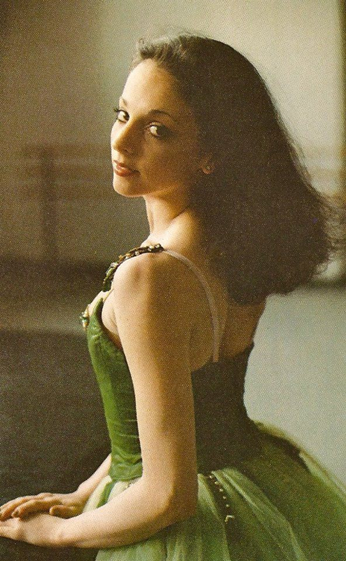
In May as the spring yearned to rise from the winter, I received an email that flowered my childhood. Bonny, my playmate, throughout elementary school, as Brownies and Girl Scouts, as synagogue attending students and mischievous little girls who wanted to be dancers, me in Jazz and Bonny in Ballet. She lived just across the street from Bellagio Road school and our escapades often took place in her home. I remember the black and white tile floor, streams of sunlight over the grand piano where her father played and Bonny practiced ballet technique. Even at the age, her discipline and dedication were remarkably striking.
Bonny Bourne Singer
After exchanging emails we had a phone call. The last time I’d seen Bonny was in the 7th grade, bookends that yielded to fifty-four years. Our conversation began in yelps of laughter, astonishment, excitement and the pages of our story flipped from her career with the New York City Ballet, and the San Francisco Ballet, to her marriage and children, and then to her Mother.
“Luellen, hold on my mother is nudging me to give her the phone.”
As soon as I heard her say, “Sweetheart,” her name came back to me.
“Rose! oh my, this is unbelievable. I am so happy Bonny contacted me after reading my book.
“I just finished it. I loved it.”
“Thank you, Rose, I have a question–do you remember much about my Mother?” You’re the only one still alive that knew her.
“Darling, a day didn’t go by that we didn’t talk on the phone. She was such a beautiful person.”
Tears blurred my sight as we walked through some memories. The fifty-four-year absence seemed like five. Since that first conversation, we now speak every few weeks, send emails, photos and our friendship is as sustainable as if we were ten years old.
Sometimes friends get into disputes, not verbal arguments, just an interruption caused by events or circumstances that override the friendship. My closest friend in Santa Fe, I’ve coined Pandora and I relinquished our friendship because of our raucousness when we were serenading downtown Santa Fe. Pandora and I recently liberated from dower circumstances clicked our heels, held hands and skipped through town endowed with our personal feminist characteristics. Then, at some point, we divided as our playtime interred with our work time and five years passed. As it happens during Covid- we recall the best times of our lives. Pandora heard the calling and left me a voice message. Oh, how I rehearsed what I would say, and how much I missed her, in between visual images of us, at the La Fonda Hotel, La Posada, and Santa Café. For one of my birthdays, she arrived with balloons, flowers, champagne, and a bag of presents, that reminded me of my childhood indulgences. I called her back within the hour. Our bookends opened to our shared memories and we both admitted we regretted we let responsibilities divide us. Now, Pandora is within my life and mine in hers. I told her, “I don’t care what happens between us, I’m not going anywhere. “
Photo Pandora with her therapy poodle, Pumpkin visiting patients a at a Santa Fe Hospital. Her blazing compassion for anyone suffering.
When September arrived, the leaves dropped like tears from the trees. I watched from my window, this shedding of a season, and began packing up the summer clothes. As I pulled out the sweater’s boots, hats, gloves, and warm-ups with regret and stubbornness, I am not prepared for a third winter alone. Maybe it will be like this for the rest of my life. These invective fears permeate throughout my days and nights. What I asked for as a writer was time alone, now I have it.
Hours passed like waiting in line in my own mind, how to shift from this sentiment to something promising. I switched from news to emails to social media and then I noticed a comment from a student on Classmates. Com. I am a member as a graduate of University High School in Los Angeles.
We were the graduating class of 1971, one thousand students from the Westside. Some classmates lived so close I walked there after school, some from wealthy influential parents, some in the film business, and some from blue-collar families, We did not judge by color, income, or politics, we just accepted one another. I don’t recall any arguments, attacks, insults, or violence, high school was our second home. I remember the beautiful botanical gardens, the dance studio, the football field, and the front lawn where my gang hung out during lunch or after school.
The comments were touching and so I responded back. I remembered this secret admirer from Junior High and High School. He had a distinctive style, part trendy part individual, he wore hats and paisley shirts, his stride was fast-paced, his hair brown, long and thick that framed a beautiful masculine jawline. He laughed with gusto, his voice was theatrical in tone as it was at one moment pensive and the next comical. He was not part of one particular gang of friends but moved like a party host between many of the circles. To be continued.
What I think of at three in the morning is never the same at ten o’clock in the morning. The labyrinth of safety and comfort, colliding with the unknown darkness, seems to be the most revealing of emotions. It is also a time that spirals into visual realizations, recognitions, and a time when our mirrors move toward us. Tonight, is about friends.
Friends are bookends that bind our stories; some novellas, some poems, some cinematic, each friend s serves as a bookend to our personal history. When I’ve lost my way and need direction my friends motorize me like a little engine, and when I fly without wings, they ring the bell to come down to earth. At times, arguments arise and my friendships stray, but true-life friends never leave you behind. Sometimes years may pass, and then one day you get a call or an email or send one yourself, and the flushing of that particular squabble in history vanishes. You can start anew; at the same time, it is not.
The essence of friendship never burns out, it is our galaxy, a kind of celestial agility.
Are you experiencing a startling outpouring from friends who’ve left your life only to suddenly show up on your social media or a personal email? Are your friends calling and writing more often than pre-Covid? I’m always examining some unfamiliar events in life, a new trend, a cultural change. We have that now, and conversation, as it has leaped from let’s just talk to all the, don’t go there subjects of 2020. Seems like every topic can be mixed with politics, sometimes the mixture is explosive. I’ve halted the political discussions and so have my friends as they are more important to my livingness than politics.
These new threads of friendship began with a young man I dated when we were in our mid-twenties. He was developing into a businessman, the world was not far from his scope, I on the other hand was cradled by my father’s demands, my freedom limited. Our short story ended; the bookends shelved until one day he sent a message on Facebook with his phone number. The last time I’d seen him was around nineteen-seventy-three. I paddled through the well of memories; his image materialized, he was smiling, joking, driving me around, going places. I could be passive with him; he was a trailblazer. I was content to be in the company of a man who was fearless, exploratory, and a gentleman. Our first phone call lasted a long while because youthful history is crystallized and reigns over the years missed. I find it problematic especially during this pandemic to form new friendships, so the friendship of the past rises like warm muffins in the oven.
In May as the spring yearned to rise from the winter, I received an email that flowered my childhood. Bonny, my playmate, throughout elementary school, as Brownies and Girl Scouts, as synagogue attending students and mischievous little girls who wanted to be dancers, me in Jazz and Bonny in Ballet. She lived just across the street from Bellagio Road school and our escapades often took place in her home. I remember the black and white tile floor, streams of sunlight over the grand piano where her father played and Bonny practiced ballet technique. Even at the age, her discipline and dedication were remarkably striking.
Bonny Bourne Singer
After exchanging emails we had a phone call. The last time I’d seen Bonny was in the 7th grade, bookends that yielded to fifty-four years. Our conversation began in yelps of laughter, astonishment, excitement and the pages of our story flipped from her career with the New York City Ballet, and the San Francisco Ballet, to her marriage and children, and then to her Mother.
“Luellen, hold on my mother is nudging me to give her the phone.”
As soon as I heard her say, “Sweetheart,” her name came back to me.
“Rose! oh my, this is unbelievable. I am so happy Bonny contacted me after reading my book.
“I just finished it. I loved it.”
“Thank you, Rose, I have a question–do you remember much about my Mother?” You’re the only one still alive that knew her.
“Darling, a day didn’t go by that we didn’t talk on the phone. She was such a beautiful person.”
Tears blurred my sight as we walked through some memories. The fifty-four-year absence seemed like five. Since that first conversation, we now speak every few weeks, send emails, photos and our friendship is as sustainable as if we were ten years old.
Sometimes friends get into disputes, not verbal arguments, just an interruption caused by events or circumstances that override the friendship. My closest friend in Santa Fe, I’ve coined Pandora and I relinquished our friendship because of our raucousness when we were serenading downtown Santa Fe. Pandora and I recently liberated from dower circumstances clicked our heels, held hands and skipped through town endowed with our personal feminist characteristics. Then, at some point, we divided as our playtime interred with our work time and five years passed. As it happens during Covid- we recall the best times of our lives. Pandora heard the calling and left me a voice message. Oh, how I rehearsed what I would say, and how much I missed her, in between visual images of us, at the La Fonda Hotel, La Posada, and Santa Café. For one of my birthdays, she arrived with balloons, flowers, champagne, and a bag of presents, that reminded me of my childhood indulgences. I called her back within the hour. Our bookends opened to our shared memories and we both admitted we regretted we let responsibilities divide us. Now, Pandora is within my life and mine in hers. I told her, “I don’t care what happens between us, I’m not going anywhere. “
Photo Pandora with her therapy poodle, Pumpkin visiting patients a at a Santa Fe Hospital. Her blazing compassion for anyone suffering.
When September arrived, the leaves dropped like tears from the trees. I watched from my window, this shedding of a season, and began packing up the summer clothes. As I pulled out the sweater’s boots, hats, gloves, and warm-ups with regret and stubbornness, I am not prepared for a third winter alone. Maybe it will be like this for the rest of my life. These invective fears permeate throughout my days and nights. What I asked for as a writer was time alone, now I have it.
Hours passed like waiting in line in my own mind, how to shift from this sentiment to something promising. I switched from news to emails to social media and then I noticed a comment from a student on Classmates. Com. I am a member as a graduate of University High School in Los Angeles.
We were the graduating class of 1971, one thousand students from the Westside. Some classmates lived so close I walked there after school, some from wealthy influential parents, some in the film business, and some from blue-collar families, We did not judge by color, income, or politics, we just accepted one another. I don’t recall any arguments, attacks, insults, or violence, high school was our second home. I remember the beautiful botanical gardens, the dance studio, the football field, and the front lawn where my gang hung out during lunch or after school.
The comments were touching and so I responded back. I remembered this secret admirer from Junior High and High School. He had a distinctive style, part trendy part individual, he wore hats and paisley shirts, his stride was fast-paced, his hair brown, long and thick that framed a beautiful masculine jawline. He laughed with gusto, his voice was theatrical in tone as it was at one moment pensive and the next comical. He was not part of one particular gang of friends but moved like a party host between many of the circles. To be continued.











 ADVENTURERS IN LIVINGNESS