RELOCATION THERAPY


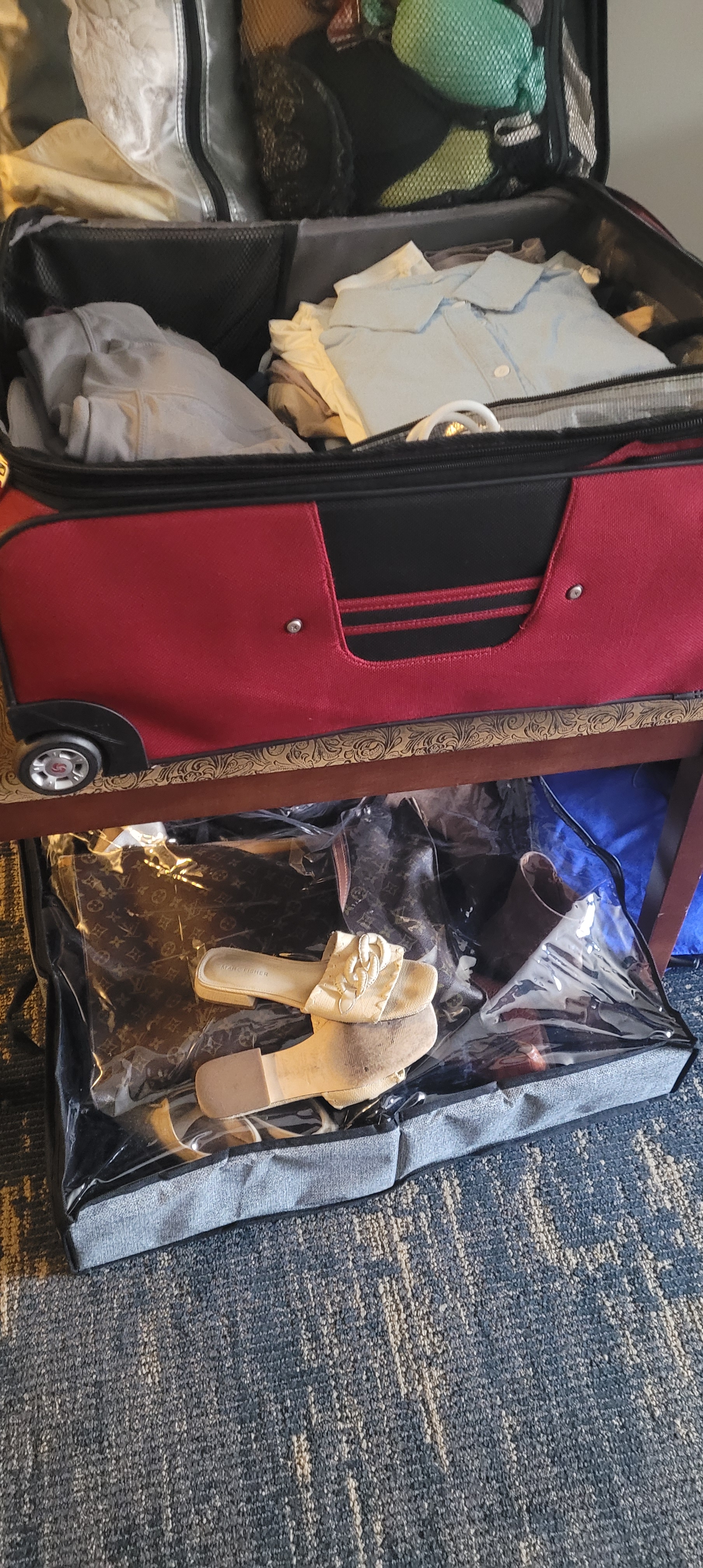
ADVENTURES IN LIVINGNESS this week. I mentioned in a previous column, if there was a relocation therapist?, in jest, but then I was looking at my horoscope and entered relocation, and this came up.: ย ย Itโ€™s too late as I have my move-out date, August 31st. I have no idea how to use this; my therapy has been chocolate, movies at night, and one day of rest. 62 boxes packed Relocation Chart, Relocation Astrology Online โ€ฆ

By relocating, you can move certain planets into particular house position to improve those parts of your life. Notification: Please, enter Latitude / Longitude โ€ฆ

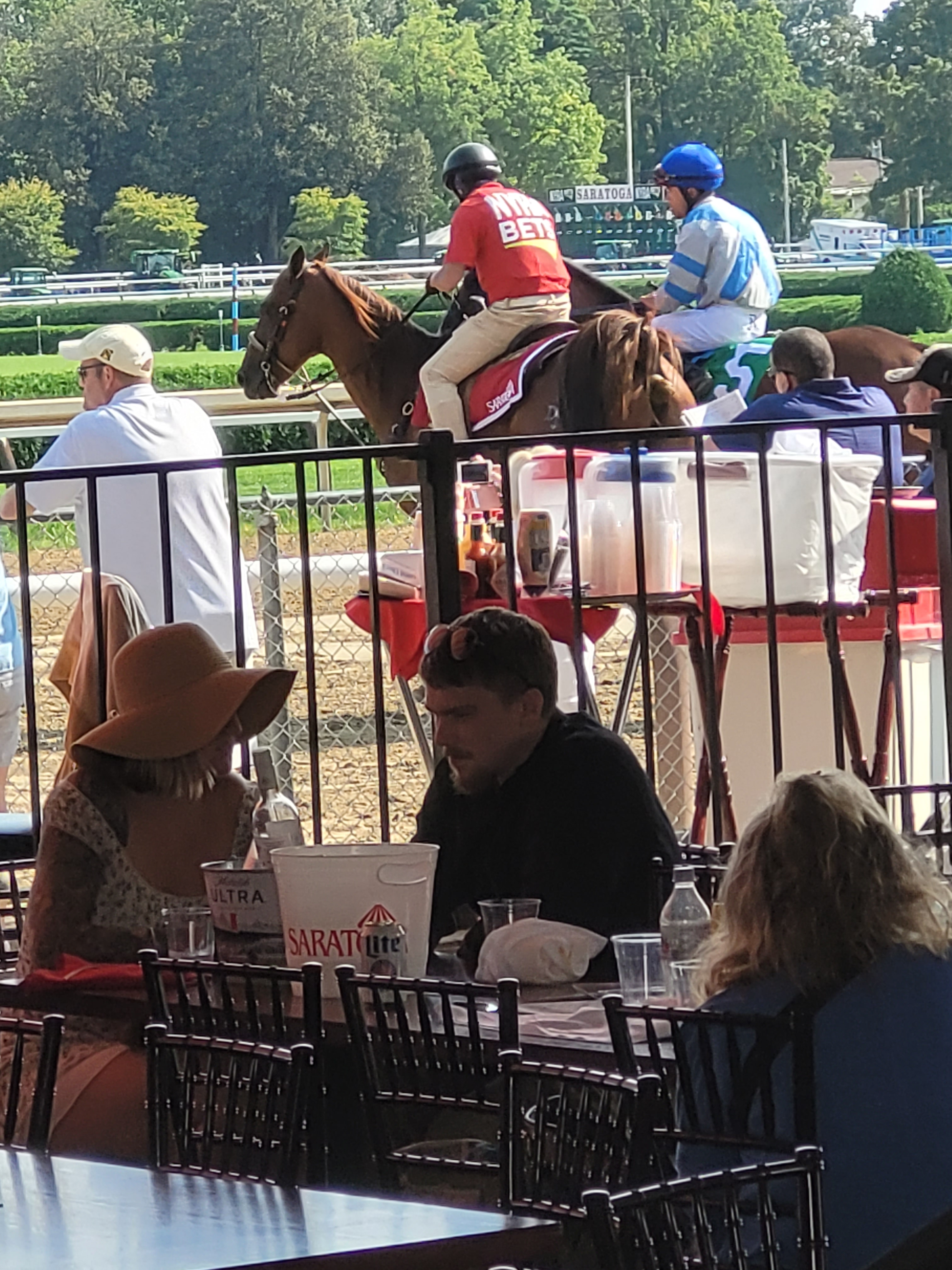
JOCKEYS & SARATOGA SPRINGS NEW YORK RACE TRACK


OLYMPUS DIGITAL CAMERA


     After several summers in Saratoga Springs, I discovered I loved thoroughbred horseracing. All my life Iโ€™ve been a performing arts spectator. I never watched any sports on television and only attended baseball games when my father needed a companion. The art of performance led me to experience the racetrack as live theater.

     The racetrack is a stage, the jockeys are the actors, and the men and women that fill the bleachers, the picnic grounds, the Turf Club, and the private boxes are the audience. The racehorse is the star celebrity.

     The tickets for admission, like any show, are based on your seating. You can walk through the gates for $3.00 or buy a box for $100,000 a year. The collage of human emotions, drama, suspense, and danger are key components to good theater.

     Gambling personifies the Shakespearean twist of the racetrack. High rollers and drugstore cowboys wager to win. Some men walk out with a grocery cart of recycled cans; some walk out with enough money to buy a racehorse. They leave by the same gate, and the next day, they return for more. But why, I ask, is thoroughbred racing not considered an all-around American sport? Why donโ€™t jockeys get athletic respect? These two spheres of lightning truth struck me while I trampled through the mud one rainy August day at Saratoga Racetrack.

I asked around for opinions. The Governorโ€™s bodyguard remarked that it was a good question. He did not think gambling was the reason because people always bet on sports. He thought maybe that it was because, as kids, we donโ€™t learn to race horses, like baseball and football. The public is naรฏve about jockeys because they have never raced. Another answer I heard was that 200,000 fans fill a ballgame on any given day and that those numbers donโ€™t compare with horseracing.

     Iโ€™m not a gambler,  and I donโ€™t ride very well, but I am a drama whore. I took my notebook to the jocksโ€™ room to ask the jockeys what they thought about this irregularity in sports. Jose Santos had a few minutes to spare.

     โ€œJose, do you feel like America thinks of you as an athlete?โ€

     โ€œWe donโ€™t get the respect that we should. I think itโ€™s the gambling. This is the greatest racetrack in America, and there is gambling in every sport, but when you come to the track, you see it right there, and people cannot avoid it. Pound for pound, we are more fit than most athletes.โ€

     I asked Jose what he does aside from riding. He jogs three miles every day and walks for a mile. He reminded me that if he goes down with the horse, his strength is what gets him back up again. Another misconception is that jockeys only ride for 2 minutes. Well, the race is 2 minutes, but they ride every day of the year. They do not take breaks.

     โ€œHow does the public perceive you?โ€ I asked.

     โ€œIn Europe, they are treated like movie stars. Over here the jockey is just another person, and in sports, the jockey is low. I wish we had more respect, but we donโ€™t get the publicity.โ€

     This feels like the guts of the truth; our little minds like to align with other like minds. The leaders of the pack go to football and baseball, and the media follows behind.

     Jose remarked that he only felt real enthusiasm and support when he won the Triple Crown. Otherwise, they get a little column in the paper with the results. โ€œThe Racing Form is 100 pages, and nothing is written about us.โ€

     โ€œWhat if there was a Jockey Magazine?โ€

     โ€œWell, that would be great. Then, the companies would be interested, and weโ€™d get sponsors. When I go out to the park and run, I wear Nikes too.โ€ He chuckled.

    โ€œHave they ever approached you for sponsorship?โ€

    โ€œNo, I donโ€™t expect they will.โ€

 A few days later, I found Jerry Bailey before a race. It was a cinch to get into the jocksโ€™ room in those days. That was before Elliott Spitzer sipped all the fizz out of Saratoga Race Track. These days the Press canโ€™t walk inside the Jocksโ€™ room.  Jerry hopped onto a counter and extended his hand.

โ€œHow are you?โ€

โ€œGreat, Jerry, thank you for meeting me.โ€

โ€œSure.โ€

โ€œJerry, Iโ€™m very interested in the lack of sports sponsorship offered jockeys. Why do you think that is?

โ€œBecause no one is promoting us.  If you donโ€™t do anything to promote us, how does anyone know? They have bobbleheads and gimmicks like that, but there isnโ€™t even a Jockey Calendar. Excuse me now; Iโ€™ve got to ride a race.โ€

 Of all the risk-takers and entrepreneurs in the world, horse racing is the champion in all categories. If I decided to understand the business,  attend every race, meet every owner, jockey, and trainer, thereโ€™s no chance Iโ€™d understand anything more because I do not love the horse the way a jockey does, and you canโ€™t fool the horse!

   During the Hall of Fame Induction presentation at Saratoga a few years back, D. Wayne Lucas made a speech that drew a full house of gregarious applause. This is an excerpt:

 โ€œYou ride a great horse, and the owner wakes up the next day and decides to switch to Bailey. The adversity is gut-wrenching, bringing you to your knees and humbling, whether youโ€™re a rider, trainer, owner, or breeder. Thereโ€™s one thing that will keep you going, and that is simply your attitude. Attitude is the most important decision you make every day. Make it early, and make sure you make the right one. You will have a very full and very peaceful life.โ€

 Maybe itโ€™s time for a Jocks Nike, call it the Two Minute Nike. 

ย ย 

      Leave a Comment

      AN AFFAIR TO REMEMBER IN TAOS,NM


      museum

      SILHOUETTE of a Taos night out in 2006. It begins with the sunsetโ€”a bubble-gum pink sash that swirls like taffy just above the distant hillside. The transcending forms and colors in the sky distract me; they silence me, keeping me from turning on the television or answering the phone.ย 

      Taos-sangre-de-christo-mountains-sunset

      The sunset has settled into my routine. I watch it from the roof garden over our Adobe Home and Gallery every night. ย In the midst of dressing to attend an art auction at the Millicent Rogers Museum, the sun has vanished. The sky turns Taos blue; a luminous oil pigment canvas blue that appears like an endless tunnel you can walk through. As I descend the staircase and cross over the mรฉnage of piles shoved in a corner to allow SC to paint, I think, โ€œThis is going to be my home. Iโ€™m still hereโ€ Adventures in Livingness

      In the courtyard where new flagstone has been laid, and a mud ditch blocks the exit, Rudy hitches me on his back and carries me out the side entrance through Tony Abeytaโ€™s yard. Tonyโ€™s yard is piled with sand from our flagstone project, and my high-heeled black suede shoes are not at all practical for crossing New Mexican dunes. This is how the evening begins.ย Out in the parking lot, we circle around once and stop in Robertโ€™s gallery. He has offered me his turquoise squash seed necklace to wear at the auction. The necklace is from Turkey, and sells for $1,800. Millicent Rogers events always attract women with extravagant jewelry, and Robert knows I have no such possessions. He hands me the necklace and says, have fun.

      At times like this, I can forget the faces and routines I lived in Solana Beach and feel swept into a labyrinth of unfamiliar vignettes. There are two police cars in the rear of the parking lot, the church looms like a fortress of wet mud, and SC is listening to The Band CD we picked up in Santa Fe. I slide into the car, ensuring my shoes donโ€™t fill with gravel.

      There is very little street light along the desert road, and cars approach you at disarming speeds. For newcomers, the pale yellow line that separates oncoming traffic, roaming animals, hitchhikers, leather-clad bikers, and abandoned pets is of no comfort or value. Boundaries and civilities between people are vague, and sometimes, conversations elope into poetry.ย 

      At the Millicent Rogers Museum, the director, Jill, who is there to welcome each guest, greets us at the carved wooden doors. This museum was once a home, like most museums in Taos.Each room is an envelope of Native American jewelry, ceramics, paintings, weaving, textiles, and metalwork sealed with Millicent Rogers’s ethereal presence. By coming to Taos and bridging her New York chic with southwestern individuality, she set global trends in fashion, art, and living.ย  he museum collection includes some of her designs that evolved from her residency in the desert. She moved here in 1947 and died here in 1953. Although she could have chosen anywhere in the world to live, she settled in the unaltered, surreal lunar beauty of Taos.

      I wandered through the tightly packed rooms, alternately viewing the guestโ€™s attire and jewelry. The woven wraps, belts, and hats worn by men and women form a collage of individual expression.ย Almost everyone seems to attract attention by the texture and color of his or her attire. It is a festive traditional look, with southwestern accessories paired with jeans or silk dresses.ย If you come to Taos, look for a belt buckle, one piece of Native American jewelry, and one piece of art.

      When the auction was announced, I admired the same etching as the woman next to me. She remarked that the artist was also the teacher of one of her children. I learned that Ellen had six children and 11 grandchildren. She was petite with curly blonde hair, and I liked her instantly. I told her I was a writer.

      โ€œSo am I,โ€ she answered.

      Rather than talk about her work, she began talking about her daughter, who is also a writer.

      โ€œIโ€™m so lucky–all my children and grandchildren are creative and artistic.โ€

      It was obvious that her life was a garden of earthly delights and that she had raised many roses. When the auction began, she vanished, and I quickly viewed the art before returning to the two etchings. They were both sold.

      As I was walking out, I bumped into Ellen. She was clutching the etchings.

      โ€œSo, you bought them,โ€ I said.

      โ€œOh, yes, I had to have them.โ€

      She left me with a beaming smile and a closing remark I often hear: โ€œWelcome to Taos.โ€

      I love hearing that so much I donโ€™t want to stop saying, I just moved here. After the auction, we stopped in Marcoโ€™s Downtown Bistro, where we joined an improvisational party. It started when Marco introduced us to his friends, Pablo and Joan, who were visiting from Santa Fe.

      The dim, glowing melon adobe walls of the bistro, Marco hugging everyone, Joanโ€™s melodious, high-pitched laughter, Pablo telling jokes, Rudy laughing, and then Philip arriving to tell stories crossed over from strangers in a bistro to a fast-rolling film. The conversation and laughter surfed breathlessly from one person to another.

      Joan remarked, โ€œMy fifteen minutes. This is the best for me. The first time you meet someone, you’re both talking without effort. Itโ€™s so perfect.โ€

      We closed the bistro past midnight. Marco had gone home. Joan decided to stay at a friendโ€™s house. Philip agreed to drive to Santa Fe the next day, and we took Tylenol before bed.

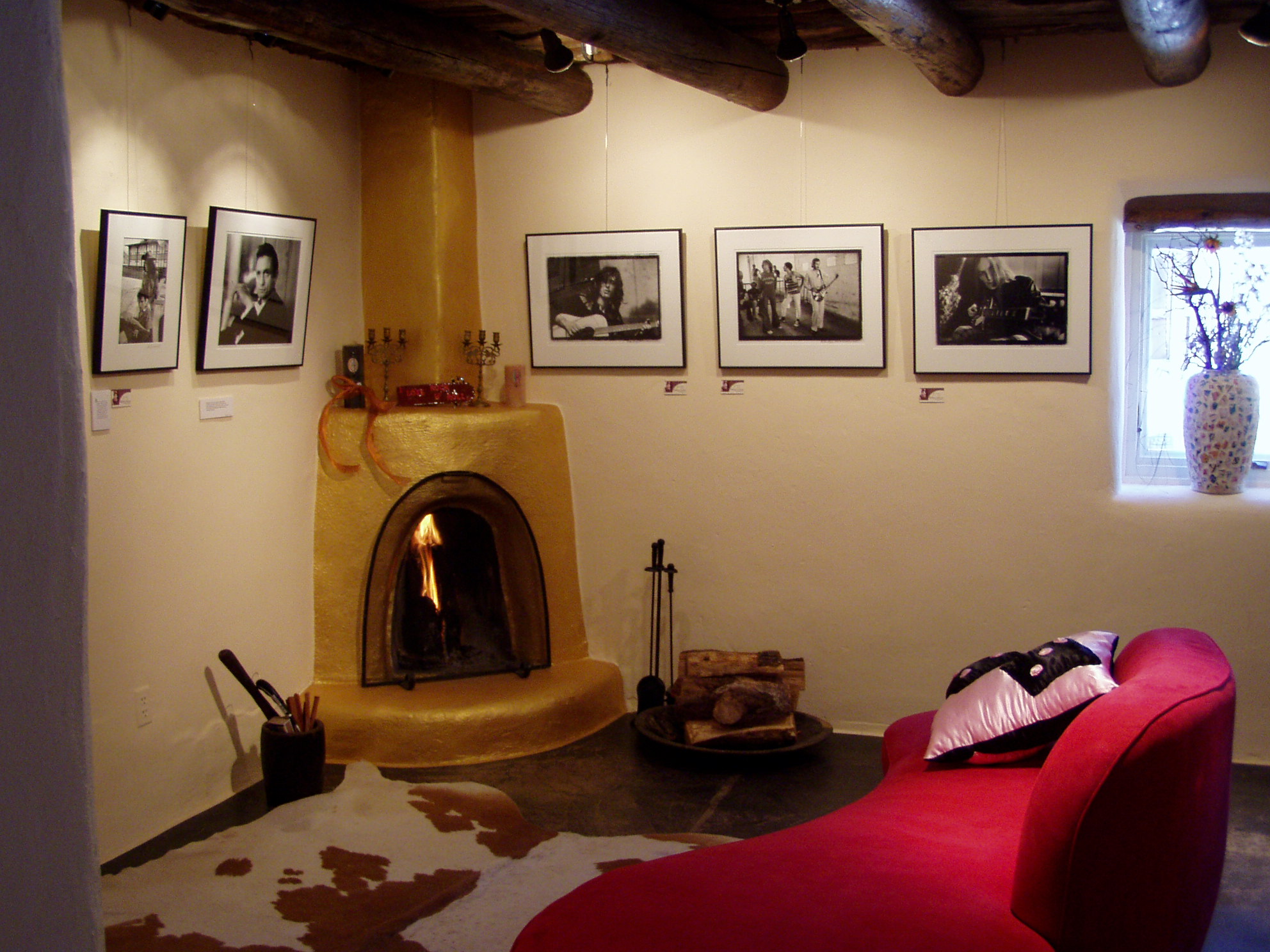
      Not every night out in Taos is like Joanโ€™s fifteen minutes, but chances are you will have something to write home about. The beginning of Gallery LouLou Taos, NM

      OLYMPUS DIGITAL CAMERA
      OLYMPUS DIGITAL CAMERA
      OLYMPUS DIGITAL CAMERA

      STRANGERS THEN LOVE


      From Anais Nin Diaries 1939-1944. 

      “I respond to intensity, but I also like reflection to follow action, for then understanding is born, and understanding prepares me for the next act.” 

      JANUARY

      SNOW, ARTIC BLAST, ICE, FREEZING. Maelstrom of inconveniences toppling down in every nook and cranny of body, home, and outdoors. I wore a long-sleeved liner, wool sweater dress, rabbit poncho, and over that, a wool wrap, laptop mittens, sherpa leggings, wool socks, and boots. Mornings, eight degrees, afternoons eighteen, and the absence of sunlight grids my spirit. Repetitive lessons in endurance, tolerance, and acceptance. The outer world stenches corruption, propaganda, cruelty, violence, and haranguing reporters. The election year dominates the bunkum reporting.  

      It’s been almost a month since I texted or called Dodger. Somedays, I enter the memories, a reel of episodes on our cross-country road trips, hiking barren, narrow, unclaimed paths in Baja, mountains and canyons in New Mexico, and lakes and forests in upstate New York. They appear to be aberrations of myself; I am unrecognizable as he is, too.ย 

      FEBRUARY

      MATURITY has caught up with me, and I am viscerally aware of this pendulum as replacing the nonacceptance of my lifestyle and future to hardened acceptance, which is a relief. I used to be full of follies, gaiety, and impulse; inner choreography is now critical thinking, studied decisions, and a spoonful of distrust. Instead of unleashing all that I think and feel with strangers, the narrative is split between inching closer to listening rather than personal tete e tet. Once a week, I go outing to the social club, where I find conversant strangers, couples, singles, divorces, and a variety of ages, and yet they all have a commonality that I don’t, they seem genuinely satisfied with their lives, one comment this, after asking the bartender how are you, he smiled, slapped the polished wooden bar with both hands and replied, I couldn’t be happier. Then he opened his phone and showed me a photo of a baby boy. His expression soared through my senses, and I adulated with compliments. Another evening, I opened a conversation with a couple next to me, and for the next hour, I learned of their life; children, travel, cruises, especially, ” Oh, you’ve never been on one? You must go, you’re so perfect for a cruise.

      ” I’m uncomfortable with more than twenty people.”

      I don’t believe that for a minute.” Wendy was really fit to her name; she wiggled in her seat, her hands never at rest, and her thoughts poured like raindrops. Her husband, Christian, nodded a lot, and when he tried to speak, she ran right over him. A few times, he rolled his eyes at me. They’d been married thirty-five years, looked to be in their early fifties, and semi-retired.  I left feeling love, had tipped our kinship, a surprising need to leap from trivialities to more substance.

      RAINY DAY REMEMBRANCE


      Published in The Saratogian April 1, 2001

      With last names like Smiley and Funk, you know thereโ€™s bound to be something creative going on in the imaginations of this Ballston Spa duo. The couple, both natives of San Diego, Calif., purchased a house at 63 East High St. last May. Luellen Smiley and Rudy Funk have turned a once-ramshackle 1860โ€™s structure, now known as The Follies House, into three furnished apartments oozing with zany charm. Smileyโ€™s brochure touts the place as a โ€œplayful vacation residence designed to inspire.โ€ On the wide front porch, a sign offers visitors โ€œFree Records,โ€ paying homage to one apartmentโ€™s main decorative inspiration: classic stage musicals. Called the Broadway suite, its walls are adorned with record covers, programs, ballet slippers and even a dance costume. There are dice on the end tables, a life-sized poster of Humphrey Bogart, colorful paper parasols and peacock feathers. For tenants who bring their own films, thereโ€™s a projector screen and, tucked into an alcove, a working Victrola. Vintage Broadway memorabilia is everywhere. Then thereโ€™s the nearly ceiling-height replica of a bass guitar. โ€œThis was actually a costume someone wore,โ€ said Smiley, pointing out the head and arm holes. โ€œThese are the kinds of things we like, the really unusual and unheard of.โ€ Growing up in California, Smiley aspired to be a dancer and maintained an interest in the arts.

      THE FOLLIES HOUSE

      In recent years, she became keen on the idea of renovating and decorating an older home, although the village of Ballston Spa was not first on her list. โ€œWhen we first came here, I wanted to be in Saratoga, and when I drove through Ballston Spa I said, โ€˜Iโ€™d never want to live here,โ€โ€˜ Smiley said. โ€œBut then we rented here, and I didnโ€™t want to go back on the road. We loved this street. We think this village is really starting to happen.โ€ The couple went to work feverishly last spring to ready the apartments in time for the track season. While not a bed and breakfast, the apartments are designed for temporary tenants โ€” people new to the area or vacationers. Smileyโ€™s off-season rates are $800 a month for the Broadway Suite and $700 for the Boomers Pad. The one-bedroom Boomers Pad is designed with vintage โ€™50s and โ€™60s furniture. Smiley said she and Funk combed area antique shops, including those in the village, for many of the offbeat pieces, including the vinyl records and oversized pink sofa. The houseโ€™s history mirrors the eclectic style the couple has brought to the home. โ€œIt was built by a man actually named Dr. Doolittle as a wedding present for his daughter,โ€ Smiley said. โ€œYou can see the little touches everywhere. There are butterflies and sun rays carved into the woodworking and doorknobs. Itโ€™s a love house. It was built with love.โ€ Smiley said she and Funk have combed files at Brookside History Center looking for old photographs of the house in order to decide what color to repaint the facade. โ€œThe exterior of the house is next on our list, and while we havenโ€™t located any photographs, weโ€™re thinking pastels,โ€ Smiley said. โ€œInside, we used a lot of pistachio and pink.โ€ While Funk commutes to and from California for business purposes, the pair weathered their first winter this year, relying on the kindness of neighbors for jobs like snow-blowing. โ€œWeโ€™ve never seen winters like this,โ€ Smiley said. โ€œIโ€™m from the other side of the world. But this is a very supportive community. Thatโ€™s one of the things we love about the village.โ€

      Smiley has immersed herself in the closely-knit community, joining the Ballston Spa Business & Professional Association, the local chamber of commerce, and helping promote an upcoming Art Walk. The Follies House recently was given a beautification award for significant improvements during the past year. In her brochure for potential tenants, Smiley points out area highlights including the Saratoga Performing Arts Center and destinations within the village, such as the museums, the glassworks studio, Art Ink., and the new gallery and loft spaces on Low Street. Smiley said she also recommends people take a stroll along East High Street, a historic district known for its Victorian homes. โ€œIโ€™ve seen little villages, big villages โ€” but what I see here is the most beautiful village,โ€ Smiley said. โ€œThe potential is here. Thereโ€™s a sense of magic here and the transformation will happen. Iโ€™m certain of that.โ€

      Author

      Cari Scribner


      POP-UP THOUGHT ON A RAINY THURSDAY.

      Direction is a choice; move back home, move near your children, move for a job, but in my case, I move because my act in Saratoga will come to a close. I’m like a blank space between two paragraphs; it sounds like freedom, no commitments other than being the best I can be. Starting over in a new location is about redesigning within.

      Iโ€™m still a nomad, searching for adventuresinlivingness. As I lay my head down on my pillow, the interim is asking me to be peaceful, faithful, and confident. Itโ€™s about time!

      Reminds me of when I went off to college, a liberating extension of those early days when belonging to things didn’t matter, life mattered. If you are single and without children, this is the knife that we must slice into a piece we accept, or no peace will lull us to sleep.

      ON THE ROAD FROM SOMEWHERE TO SOMEWHERE, I CAN’T REMEMBER. MAYBE SANTA FE TO SAN DIEGO.

      May be an image of road, nature and sky

      Like

      Comment

      Share

      RELOCATION…SENIORS


      My direction is following Lawrence Durrell, โ€œSpirit of the Place,โ€ and living where I would never expect to live.ย I wish I could control my impractical, impulsive, and annoying spirit of adventure. I think about architecture, Jewish deli’s, Italian restaurants, at one movie theater built in the 1930s, and neighborhoods of unfamiliar lighting, expressions, and conversations. Gambling on yourself is how much you can adapt, change, influence, and accept the days of your life.

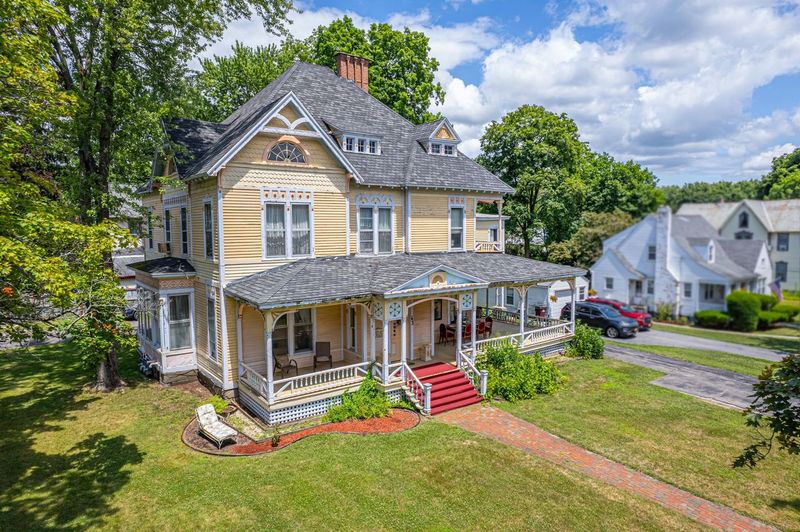
      In my syndicate, there must be a dozen pals with the same unsolved equation. Is it age that blocks me and maybe you from relocation, or is it the trauma and stress? What liberation to just pack a suitcase and board a plane like in the movies. Separation from the familiar. The spirit of adventure has arrived. My home sold and so relocation isn’t a muse any longer, it’s reality. Today, coincidently is Independence day and so am I. It is a day of nostalgia. The Rudster painting Follies. It took two summers to remove the aluminum siding, scrape, caulk, prime, and paint my chosen seven colors to resemble a wedding cake. Mr. Doolittle built the home in 1883 as a wedding present for his daughter.

      The Rudster painting Follies. It took two summers to remove the aluminum siding, scrape, caulk, prime, and paint my chosen seven colors to resemble a wedding cake. Mr Doolittle built the home in 1883 for his daughter as a wedding present.

      THE MIDDLE OF LIFE


       I read in one of my books on writing that the middle of the novel is where most writers face the demon. The beginning is a gallop, the end is a relief, but the middle wiggles in and out of your grasp. The middle of our lives reflects this same obscurity.

      The middle of a life span reflects all we have accomplished and all we have left incomplete. This is what they call a mid-life crisis. I get it every year.  Iโ€™ve finally accepted that my constant relocating, reinventing, and being restless is not going to be solved. At the bottom of the restlessness is the fear of finding rest more enjoyable than movement. This flotation of comedy rotated around me last night while I was standing out on the porch observing the peacefulness. The scenery of  Ballston Spa is a comforting, historical beauty that comes from the harmony of architecture and nature. The flow of villagers downtown is along two main two-lane streets, all the shops, services and restaurants are a patchwork, and all the business owners know each other.  

      All I can think of is where I should go next. This is wholly a village of ancestral families, with defensible adaptation to the severe climate, simplicity, and uncomplicated lives. My discomfort comes from trying to assimilate.  

      ย Many years ago, in the summer of 1987, I was seated in a cafรฉ in Monaco, truly, and a man that I was traveling with told me, โ€œYou have to make a choice.โ€ He embarked on a long discussion about choices we make in life and how everything depends on these choices: how you live and with whom, and what you do. He pointed out to me over my first really authentic Salad Niรงoise that I was an oblivious example of a woman refusing to choose. I was more interested in the salad, the yachts, the casino around the corner, and the fact that I didnโ€™t have an evening gown to wear to dinner. I listened without argument or insult, but I was disturbed by what he said. I didnโ€™t understand completely, but he was older and had much experience and conviction. That conversation now fits into the mid-life crisis, the comedy of errors in my life, and maybe in yours, and just how much travesty we can ignore. For my fault, as it WAS, I did not want to sign, commit, or make final decisions. I wanted it all to be a temporary placement that allows me the freedom to change.

      I have lost track of my European friend, but if he met me today, he would say, โ€œYou have not changed at all.โ€ So that is why I was standing there in the darkness on the porch and laughing like a silly girl because it is true. I have not changed at all.

      The choice facing us at mid-life is making a change now, risking losing all we have accomplished, compiled, and attached, or throwing the dice.

      Beyond the obvious changes in activity, relationships, and scenery are the internal travels. They are not so easily engaged. You cannot wake up one day and say, โ€œI โ€˜m off to become more compassionate, or more practical, or more generous.โ€ These journeys are taken when other factors play into our lives, such as when we get sick, demoted, or experience a trauma.

      It is a very subtle inconsistency. When I unplug all the voices and listen to the one that understands, that is when I write. The middle of the story and the middle of life is the same. We and our characters have to make a choice.

                                             ***

      THE CHIMES IN OUR LIVES


      You see a chime, the moment it responds to a breeze, the sound is beautiful, like Chopinโ€™s  Nocturne 1. Sounds that accompany a descending light mist, or setting sun, but the chime improvises its sounds and movements when a vivacious wind girdles its ether. This abstraction reminds me of sensitivity. It can be soft and gentle, nurturing to the souls of those less peaceful, but when the velocity of attack hits, sensitivity is a walloping eruption of rage, drifting on uncontrollable. I’ve been punitively and cordially of being too sensitive.  There are more good reasons to alter my sensitivity than not to, but the one reason that hovers above all else is that everything we do, feel and act in life needs revision. We should never stop evolving into more thoughtful, loving, or wise human beings. Every day, there is an opportunity to leap into saintly hood. It is the same with my writing it can be better.

                          The next adventure is closing in on me as foreclosure is over the June horizon. The dismantling of possessions brings me some sort of twisted alignment to my life. Picking and choosing what to pack, eliminating what Dodger and I bought together, and vacillating over treasures that are now more weight than worth.  If I am ever to rest in one address, Iโ€™m sure it will be a headstone and a plot of dirt. I chose a destiny to relocate, and so the highway off-ramp will evolve, I just have to be patient.

                 It is the inner self that concerns me, and how I will adjust and adapt to leaving my favorite house. When I was thirty, I was afraid of getting married, and when I was forty, I was afraid of not having children. Now that I am sixty-nine, I have a fear that once was my chant, the idea of moving.

      The word coddiwomple is English slang, defined as โ€œto travel in a purposeful manner towards a vague destinationโ€. If you are anything like me you may be coddiwompling your way through life, which is not necessarily a bad thing.

      ALMOST AUTUMN AWE IN UPSTATE NEW YORK


      Let this not be a scorched with boredom bla bla piece of writing as all the elements are with me this Sunday. No one is mowing their lawn, the sky is a metal grey shield against sunlight, a light freckly kind of rain falls outside, and Bill Evans and Jim Hall’s sublime mix plays into my pulse.

      In upstate New York, an overwhelming enthusiasm erupts for pumpkins, apples, and cider doughnuts. Advertisements appear in my Saratoga news feed of festivals at the local farms, homemade apple cider, witches and hayrides, pick your own pumpkins, and doughnut-eating contests.

      Instead of smirking at this unfamiliar custom, I took a ride out to Lakeside Farms Cider Mill to riddle my sensibilities and get into the autumn groove. It’s a short distance away but, after you make the third turn off the main road, the gladiator trees blushing with yellow and gold formed a canopy over my convertible. It reminded me of an amusement park ride. My mood melted with the colors and as I pulled into the driveway of Lakeside, packed as if the Rolling Stones were going to perform my internal stick shift went into submission. I’m guessing the farm sits on several acres, and on one side is a field of grass, with pathways to walk, and then as I moved closer to a small brown barn, I noticed a witch outfitted for the children standing with her pitchfork.

      Shoppers with carts passed filled with pumpkins and apples, and as I looked for a shopping cart, a woman noticed my puzzled expression. “You lookinโ€™ for a cart?”

      “Yes, where do I find one?”

      “There’s an empty one behind you.” I felt dumb as gum and thanked her. Then I had the choice of going into the open farmhouse where a display of a dozen diverse kinds of apples stacked in crates, farm-fresh vegetables, pumpkins of all sizes, and an assortment of Apple Brown Betty mixes neatly placed on shelves next to jars of honey, preserves, syrup, and pancake mixes.

      It is now a full-blown bumper car amusement ride as carts are pushed by shoppers unaware of colliding with other carts. Children are jumping up and down, and screeching with sugar craving desire.  I cannot decide which aisle to choose. First, an eggplant that wasn’t the size of a dinner platter, then a few green chilis, and sexy plump tomatoes. I could have chosen a dozen more items. Since I am single, my lesson has been learned not to overbuy only to throw it away.

      Apples were tied in bags, a dozen the smallest amount, so I chose one bag of Cortland amongst the other twenty-five kinds of apples! Macintosh, Macoun, Gala, Empire, Jonagold, Honey Crisp, Red Delicious, etc.

      I knew I was in the jive when I bought a two-pound sack of Buttermilk pancake mix, a jar of Vermont Syrup, and a jug of Apple Cider. At the counter, in line with half a dozen others, the clerk whom I’m sure was part of the family greeted me.

      “How are you today?” He said this as if he was on stage speaking loud enough for an auditorium of guests.

          “I’m doing very well, and you?” I don’t usually project an openly loving tone but he sort of earned my delight.  With all that I bought, the bill was twenty-eight dollars. I used to spend that at Sprouts in Los Angeles for half the items.

      Next, the bakery for those tantalizing apple cider doughnuts. Now I go indoors to a converted barn where they serve food and more grocery items. Another reason for this jaunt was to pick up a dozen doughnuts for the seven firemen who answered my call this week when my basement began to flood. We had so much rain my sump pumps gave up, and the water was just about to fill the hot water heaters in the pit. After they hosed out all the water, we chatted outdoors. Someone mentioned breakfast time. I chimed in,

           “Let me guess, cider doughnut!” A round of laughter and oh yes, they all love them. They would not take any money and so I thought I’d buy them what they love.

      The sandwich line was twenty groups long. I squeezed in next to the bakery and was called on right away.

          “What can we get for you today?” Another gleeful greeting from a woman who looked like she grew up next to the oven. I looked at the selection of pastries oozing with sugar, cream, icing the works.

      “A dozen cider doughnut in a box please-it’s a gift.”

      “What kind? Sugar glazed, cinnamon, plain, chocolate covered…”

      “Sugar glazed pleased. And six cinnamons in a bag.”

      With a cart loaded up, I suddenly realized I would have to wheel it all the way to my car over puddles, chipped brick, and steps. Instead, I used my less-than sturdy arms. As I walked along leaning slightly to the right (my left arm hasn’t behaved since I fell on the stairs) my LA persona surrendered to old-fashioned, no dieting, family-friendly shopping at Lakeside.

      As soon as I entered my kitchen, I dug into the bag of doughnuts, poured a cup of coffee, and dunked.

      POSTCARD FROM IRELAND


      It was a day like today, just after the rain soaked every blade of grass, and the world looked squeaky clean as if it had been mopped with Godโ€™s soap. I was sleeping in an unfamiliar bed in an unfamiliar berth on a ferryboat that swayed like a rubber raft. I was awakened by a knock at the door. โ€œMaโ€™am. Weโ€™re here.โ€  I looked at the young man questionably.โ€œIreland,โ€ he added and shut the door. โ€œWeโ€™re here?โ€ I twisted myself round in the blanket and raised my chin to the porthole.Oh my God– It exists. Look at that tiny little village and the little harbor and the colors.

      I landed at the Port of Rosshaven from London where Iโ€™d spent two nights in a room the size of a cigarette holder. I loved London as much as I could in two short days; carrying thirty-five pounds of clothes. Part of one day I spent packaging up half my wardrobe to ship back. The plan was to spend one month in Ireland. Other than that, my itinerary was unplanned. In those  days, I leveraged myself to the outskirts of foolery.I gathered my Northface garment duffle, shoulder bag, and departed the ferry.  It was Sept. 5, 1987, and I was thirty-something, recently separated from a career in commercial real estate and my pad in the Bankers Hill neighborhood of San Diego. Everything went into storage so I would be free to conquer whatever it was I thought I was conquering.

      That first day I made my  way to the picturesque village of Kinsale. The tourist office made the reservation for me and suggested that I rent a car. No need, I thought. Iโ€™d get around on my own for a while. She slapped a map of Ireland on the desk and pointed to several towns and then counted the miles between each town. โ€œThe buses stop running in September because all the tourists have gone home. You be wee on your own.โ€ โ€œ Well, Iโ€™ll look into it tomorrow. Iโ€™ll just get a cab to the Bed and Breakfast tonight.โ€

      That night ended faster than any in my life. I woke up and decided to stay another. I could not part with the warmth of the Innkeeperโ€™s country kitchen and the canary yellow bedroom, or the county road, the red barn and the miles and miles of rollercoaster hills cushioned in that indescribable Irish green. Her house was a quintessential B & B, blushing with the right bedding, Irish linen, French and English antiques and contemporary restaurant-grade kitchen.

      I remember the Innkeeper drove a BMW, and her house sparkled as if it had been photographed earlier. That first day I walked into dreamland, and I did not come out until I left Ireland.  This was my first solo trip to Europe. I began with Ireland because my friend, Kenny, insisted I go find the Casey in me. Thatโ€™s my motherโ€™s maiden name. Everyone thought I should be institutionalized for taking off like I did; mid-career on the rise and all of that.

      That first evening I walked into town and ate at the restaurant the Innkeeper recommended. I wish I could remember the name of the place. Itโ€™s written in my journal, but the journal is in Taos, NM. Anyway, that dinner still rates in the top ten of all dinners, including all those four-star French Michelin Chateau feasts I found my way to later on in the trip. I hit a dozen villages between Clare, Kerry and Limerick. I took a seaweed bath at the seashore of Ballybunion, stayed in a folk singers

      The beach in Ballybunion in Kerry of Ireland.
      The beach in Ballybunion in Kerry of Ireland. (Photo credit: Wikipedia)

      luxury hotel for a week because he wanted me to bring his tape back to America, attended an Irish wedding and the racetrack in Dublin. I watched the Farmers Matchmaking Festival in Lisdoonvarna and climbed the hill to the Cliffs of Mohr.  On my hike up to the cliffs, I passed a man gardening in his front yard. He stopped and began to chat. His house was so beautifully Irish, handcrafted in brick and stone with acres of fertile land as his back yard. I told him it was the most beautiful home I had ever seen. He turned around in his rubber boots, leaned against his pitchfork, and said, โ€œAmerica, thatโ€™s where I want to go.โ€ He said he would give me his house if I would take him with me. We talked for a long time about what matters, and as we parted I remember what he said, โ€œSend me a postcard from America.โ€


      A FRIEND FOR ALL SEASONS


      What I think of at three in the morning is never the same at ten o’clock in the morning.  The labyrinth of safety and comfort, colliding with the unknown darkness, seems to be the most revealing of emotions. It is also a time that spirals into visual realizations, recognitions, and a time when our mirrors move toward us.  Tonight, is about friends.

      Friends are bookends that bind our stories; some novellas, some poems, some cinematic, each friend s serves as a bookend to our personal history.  When Iโ€™ve lost my way and need direction my friends motorize me like a little engine, and when I fly without wings, they ring the bell to come down to earth. At times, arguments arise and my friendships stray, but true-life friends never leave you behind. Sometimes years may pass, and then one day you get a call or an email or send one yourself, and the flushing of that particular squabble in history vanishes. You can start anew; at the same time, it is not.

      The essence of friendship never burns out, it is our galaxy, a kind of celestial agility.

      Are you experiencing a startling outpouring from friends whoโ€™ve left your life only to suddenly show up on your social media or a personal email? Are your friends calling and writing more often than pre-Covid?  I’m always examining some unfamiliar events in life, a new trend, a cultural change. We have that now, and conversation, as it has leaped from let’s just talk to all the, don’t go there subjects of 2020. Seems like every topic can be mixed with politics, sometimes the mixture is explosive. Iโ€™ve halted the political discussions and so have my friends as they are more important to my livingness than politics.

      These new threads of friendship began with a young man I dated when we were in our mid-twenties. He was developing into a businessman, the world was not far from his scope, I on the other hand was cradled by my father’s demands, my freedom limited. Our short story ended; the bookends shelved until one day he sent a message on Facebook with his phone number. The last time Iโ€™d seen him was around nineteen-seventy-three. I paddled through the well of memories; his image materialized, he was smiling, joking, driving me around, going places.  I could be passive with him; he was a trailblazer.  I was content to be in the company of a man who was fearless, exploratory, and a gentleman. Our first phone call lasted a long while because youthful history is crystallized and reigns over the years missed.  I find it problematic especially during this pandemic to form new friendships, so the friendship of the past rises like warm muffins in the oven.

      In May as the spring yearned to rise from the winter, I received an email that flowered my childhood. Bonny, my playmate, throughout elementary school, as Brownies and Girl Scouts, as synagogue attending students and mischievous little girls who wanted to be dancers, me in Jazz and Bonny in Ballet.  She lived just across the street from Bellagio Road school and our escapades often took place in her home.  I remember the black and white tile floor, streams of sunlight over the grand piano where her father played and Bonny practiced ballet technique. Even at the age, her discipline and dedication were remarkably striking.

      Bonny Bourne Singer

      After exchanging emails we had a phone call. The last time Iโ€™d seen Bonny was in the 7th grade, bookends that yielded to fifty-four years.  Our conversation began in yelps of laughter, astonishment, excitement and the pages of our story flipped from her career with the New York City Ballet, and the San Francisco Ballet, to her marriage and children, and then to her Mother.

      โ€œLuellen, hold on my mother is nudging me to give her the phone.โ€

      As soon as I heard her say, โ€œSweetheart,โ€ her name came back to me.

      โ€œRose!  oh my, this is unbelievable. I am so happy Bonny contacted me after reading my book.

      โ€œI just finished it. I loved it.โ€

      โ€œThank you, Rose, I have a question–do you remember much about my Mother?โ€ Youโ€™re the only one still alive that knew her.

      โ€œDarling, a day didnโ€™t go by that we didnโ€™t talk on the phone. She was such a beautiful person.โ€

      Tears blurred my sight as we walked through some memories. The fifty-four-year absence seemed like five.   Since that first conversation, we now speak every few weeks, send emails, photos and our friendship is as sustainable as if we were ten years old.

      Sometimes friends get into disputes, not verbal arguments, just an interruption caused by events or circumstances that override the friendship. My closest friend in Santa Fe, Iโ€™ve coined Pandora and I relinquished our friendship because of our raucousness when we were serenading downtown Santa Fe.  Pandora and I recently liberated from dower circumstances clicked our heels, held hands and skipped through town endowed with our personal feminist characteristics.  Then, at some point, we divided as our playtime interred with our work time and five years passed.  As it happens during Covid- we recall the best times of our lives. Pandora heard the calling and left me a voice message.  Oh, how I rehearsed what I would say, and how much I missed her, in between visual images of us, at the La Fonda Hotel, La Posada, and Santa Cafรฉ. For one of my birthdays, she arrived with balloons, flowers, champagne, and a bag of presents, that reminded me of my childhood indulgences.  I called her back within the hour.  Our bookends opened to our shared memories and we both admitted we regretted we let responsibilities divide us.  Now, Pandora is within my life and mine in hers. I told her, โ€œI donโ€™t care what happens between us, Iโ€™m not going anywhere. โ€œ

      Photo Pandora with her therapy poodle, Pumpkin visiting patients a at a Santa Fe Hospital. Her blazing compassion for anyone suffering. 

      When September arrived, the leaves dropped like tears from the trees. I watched from my window, this shedding of a season, and began packing up the summer clothes. As I pulled out the sweaterโ€™s boots, hats, gloves, and warm-ups with regret and stubbornness, I am not prepared for a third winter alone. Maybe it will be like this for the rest of my life.  These invective fears permeate throughout my days and nights.  What I asked for as a writer was time alone, now I have it.

      Hours passed like waiting in line in my own mind, how to shift from this sentiment to something promising.  I switched from news to emails to social media and then I noticed a comment from a student on Classmates. Com. I am a member as a graduate of University High School in Los Angeles.

      We were the graduating class of 1971, one thousand students from the Westside. Some classmates lived so close I walked there after school, some from wealthy influential parents, some in the film business, and some from blue-collar families, We did not judge by color, income, or politics, we just accepted one another. I don’t recall any arguments, attacks, insults, or violence, high school was our second home. I remember the beautiful botanical gardens, the dance studio, the football field, and the front lawn where my gang hung out during lunch or after school.

      The comments were touching and so I responded back. I remembered this secret admirer from Junior High and High School. He had a distinctive style, part trendy part individual, he wore hats and paisley shirts, his stride was fast-paced, his hair brown, long and thick that framed a beautiful masculine jawline. He laughed with gusto, his voice was theatrical in tone as it was at one moment pensive and the next comical.  He was not part of one particular gang of friends but moved like a party host between many of the circles.  To be continued.