EXCERPT FROM CRADLE OF CRIME


Our family histories bled through the second generation. Passed on by fathers and grandfathers; a convergence of contrasting truths now seated next to each other on a velvet ottoman in the Mob Experience. Years of distance was shattered, and we can talk to one another, and admire each other’s families;
image

with the blood and the love. We cannot understand one another if we don’t reveal our personal histories. At some point in life, we rewind, step back into the plot of our childhood, where we were most protected, most attended to, and most loved.
Here’s to you Cynthia, Carl, and Jimmy.
.

EXCERPT FROM SMILEY’S DICE- DAD’S MERRYMAKING


The day I was born, May 11, 1953 the headlines of the The Los Angeles Time read:

GANGSTERS INVADE SOUTHLAND CITIES.
Among gangsters and their hangers-on named were Abe (Longy) Zwillman, Frankie Carbo, Meyer Lansky, Allen Smiley, whose true name is Aaron Smehoff, Gerald Catena and William Bischoff.
When I met Daddy he had salty sea blue eyes and when my actions were worthy of laughter, his eyes retracted into a blur of skin. Dressed in perfectly matched shades of pink, silver and blue my child eyes rested cheerfully on his silk ties, a collage of jewel tones. The feel of his fabric was soft like blankets. He was very interesting to look at when I was a child and open to all this detail.
I clung to his neck in the back seat of his baby blue Cadillac. He sang songs and his hand fluttered about, catching me by surprise behind my head, and his laughter echoed in my ears. Sometimes we drove through the Paramount Studio Gates, and I was chauffeured in a cart to the Western Stage where we watched cowboys and musical dancers. I was too young to understand this was just a film; thus began my insatiable yearning to be a dancer.

Rory Calhoun was one of the stars Dad was close pals with.Β  Just this week I dug into research about Rory Calhoun. I learned he died in 1999, and that he’d also been a ward in Preston Reformatory where Dad was sent at eighteen years old. Rory came a few years later.

We spent a lot of time with the Calhoun family. They had two girls the same age as me. Their exotic Spanish villa on Whittier Drive and Sunset enraptured my girlish senses.Β  Inside it was like a movie set, with animal rugs, oil paintings of Spanish Troubadours and Moorish decorations. Rita, Rory’s wife, wore tiny stacked high heels and she clicked across the Spanish tiles like a flamenco dancer. The whole family was blessed with dreamy looks. I didn’t realize that I was surrounded with extraordinary beauty; everyone had these exceptional vogue looks. The importance placed on that kind of beauty was just as distorted as my examination.
Rita danced a stern feminine demeanor, extremely seductive but not without a battle. I learned my first lessons about temptation just by watching her. She fanned the room with perfume and laughter, and men just succumbed like drugged animals. I felt my first tingle of sexuality in the arms of Rory. He was a treasure of natural emotion, physically and orally.Β Β  They both gambled, borrowed money from the other, and they bet on everything.
On Sunday we went to Beverly Park, a cherishedΒ  amusement park across from where the whimsical Beverly Center shopping Mall is today. I was only two years old when Dad slung me over a big stinky pony, and insisted I ride around the ring so he could snap photographs.
Inside the Cadillac, insulated from the outside world by metal and glass, he drove without intention of destination, or so it seemed. Though I didn’t know it, he often changed directions to confuse a tailing federal agent. The places he took me became our secret. Sometimes he asked me to close my eyes and count to a hundred. It was a game; he wouldn’t tell me where we were going. I’d open my eyes and we’d be somewhere unfamiliar, a storefront, hotel room, or someone’s home.
When the Ringling Brothers Circus came to town, Dad took me every weekend and I met some of the performers. He was no less enthusiastic about the circus than I was. Now I understand as I’ve learned he traveled with Ringling Brothers for a year just after he landed in New York. He was in the wardrobe department! How suitable to his style. Everyone we knew was in some kind of act.

I remember places like Canters Deli on Fairfax. We always had the same waitress, the one with a big air-tight bee-hive.
β€œ What’ll it be today honey?”
β€œ I’ll have a hot dog.”
β€œ No. Last time you got sick. Honey, get her a turkey sandwich. I have to talk to some people outside–make sure she doesn’t leave. β€œ
β€œSure thing Mr. Smiley, you go ahead.”
β€œWhen are you coming back Daddy?”
β€œWhen you finish your lunch. Be a good girl.”
While I waited for the sandwich, I watched the waitresses very closely. They entertained me; their husky voices and swift mannerisms as they swooshed between tables, calling out orders, β€œ Matzo ball soup–chicken on the side, Russian on rye no mayonnaise.” Sometimes he left me long after the sandwich was gone. I’d turn and watch the door, to see if he’d come in, or ask the waitress.
β€œ Would you please tell my father I’m finished.”
β€œFinished already! What about dessert? How about a slice of cheesecake?” Even if I said no, she’d bring me dessert. Several times I was left so long that I got up and went outside looking for him. I noticed my father down the street talking with some other men. I ran back to the booth and waited. When he came back to the table, I asked him,
β€œWhere were you Daddy?”
β€œI had to meet someone about business. You remember what I told youβ€”Mommy doesn’t have to know about this.”
β€œI remember.” Why my outings with Dad remained fixated as birth marks is because they were filled with wonder, amusement, and mystery. My father mixed a little business with my pleasure, but it wasn’t obvious because no one had an office. His business associates worked out of shoe stores, cigar stands, hotels, barber shops; all sorts of fronts that camouflaged the booking of bets.

I bet too. That when I lose IΒ  never give up on the silver lining.

0b7849ec465dda5a7fc7168f12ac6e14 moon and me

A PITCH FOR PUBLICATION


IN NOVEMBER OF 2005 I reserved a space at the San Francisco Writers Conference. I was nervous and edgy when I boarded the plane. My pitch proposal, pitch suit, and pitch necklace, were tucked inside my suitcase. The pitch convinces an agent or publisher, that you know your subject well enough to feel one hundred percent confident.Β  It may sound irrational that a writer could work five years on a book and not know what it is about. As an emerging writer I view my work through a kaleidoscope lens. I see multiple themes, subplots, and messages, and they change with each reading. Then there are loose knots of personal misery, lost versions and rejections ringing in my ears. My pitch has to convince an agent, that at least 5,000 people will buy my book. The pitch suit is the outfit you wear for an interview; only for writers, the guidelines are very loose. Some writers wear their narrative. I brought my tailored, looking successful, pants suit. My pitch necklace is a gold Buddha medallion that my father had designed for my mother. I wear it for good luck and because I know the necklace has survived all the family tragedies. The conference is at the St. Francis Hotel at Union Square. From experience, I have learned that choosing a conference because of its alluring location is meaningless; I never pay attention to past experience.

OLYMPUS DIGITAL CAMERA

It was pouring when I arrived. The staff at the front desk greeted me with musical familiarity. Every time I swished by they called out, β€œHello, Ms. Smiley.” I imagined them as a chorus singing my name. I arrived one day early to pace the galleries, cafes, museums and Saks. After the first night, I had to switch rooms. I was directly above the street dumpsters, where for hours the chugging of trash kept me awake. I moved frantically, to scoop everything up and not miss a moment of San Francisco. After switching rooms, I dashed over to the Espresso Bar. It faces the corner of Powell and Sutter. Outside, the streetcars clanged by, passengers dangling from the bars like vines on a tree. In between the tracks, workers both blue and white-collar, and some without any collar at all, jammed the sidewalks on foot, bicycle, moped and skateboard. With phones and iPods attached, eyes alert, they buzzed on the vibe of Saturday, moving like musical notes in a symphony.

OLYMPUS DIGITAL CAMERA

In the cafΓ© an elderly woman wearing a SFWC name tag was seated next to me. I noticed she positioned her book on the corner of her table. She looked overwhelmed and frightened. As I introduced myself she smiled courteously, and said she was a neurotic housewife all her life and didn’t have much to write about, so she wrote about her husband’s war stories. I told her she should write about the neurotic housewife. Just as I was leaving, she stopped me and thanked me for speaking to her. β€œThere’s always a guardian angel around.” Her voice lingered in my thoughts all weekend.
At six o’clock that evening, I was gliding around my room dressing for the gala. I reached for my jewelry bag. It was gone. The weekend was ruined! I would never get published, I’m too wired, too reckless, too distracted. I called the front desk. Heather said she would call me back. Bang, bang, bang, went my shoe against the bed frame. Then the phone rang.
β€œHello, Ms. Smiley. I’m sending the bellman up with your jewelry.”
I answered the door recoiling with pained joy. The bellman listened attentively. I rushed upstairs to Harry Denton’s Starlight Room. There I began wine tasting with Maggie, Peg and George; three new comrades in a room of hundreds.
I spent the next day among more comrades, writers with unpublished stories, books, and works-in-progress. I listened to panels of writers; agents and editors discussed the fateful downward spin of publishing and upward battle towards reward.Β  We sat in our chairs looking overly anxious, taking copious notes, and waiting for answers to our questions. At the end of the panel discussion we all lined up to meet the agents and editors. While we stood in line we met each other.
β€œWhat’s your story about?” the woman behind me asked.
β€œGrowing up with gangsters,” I replied.
β€œ Oh well! That will get you an agent.”
β€œ I hope so.”

During the conference, I experienced a lucky throw of the dice. I met one of my mentors; Joyce Maynard. Her book, β€œAt Home in the World,” is on my beside table. Joyce was published in the New York Times when she was sixteen years old. JD Salinger read the piece and invited her to live with him. Joyce’s story will send you back to reading Nine Stories.
As I progressed through the circle holding my pitch stick, the fear and apprehension subsided just a tiny bit. Three agents responded; β€˜send me your manuscript.’ Naturally when I returned home, my hands were tied to editing. I rushed through, did not employ someone to copy-edit, and then ran about announcing my almost to be signed contract. Three months later I recovered from the rejections and began another rewrite and another until today, when I am on my fifth manuscript. This one feels right because I am not rushing through it expectant of publication; this time I know it will be published.

OLYMPUS DIGITAL CAMERA

EXCERPT FROM BOOK- SMILEY’S DICE


In the summer of 1994, infuriated from a broken affair, another job displacement, and skimpy funds to support me, I found myself in Beverly Hills, walking along with half-hearted interest in seeking employment.

I stopped in the shops Dad frequented; Geary’s, Schwab’s, and Nate ‘nΒ  Al DelicatessenΒ  seeking a root to hang onto.
Beverly Hills has the most powerful effect on me. As soon as I hit Beverly Drive I want to shop, need to shop, must shop! A rise of envy turns into jealously and my attention to wealth fades as Rodney Dangerfield crosses the street, his face contorted by some agitation.Β  I walked past Jack Taylor’s Men’s Haberdashery and hesitated a moment. I had not seen Jack in ten years. The last time was 1982, at my father’s memorial service. Jack was the only friend Dad trusted outside of the Mob.

JACK TAYLOR SUIT

β€œHi Jack, I was in the neighborhood, I wanted to say hello?”
β€œJesus Christ! What a surprise,” he said rushing over to kiss me.
β€œCome in and sit down. My God, where have you been-what have you been doing?” Jack’s attention toward me was exacting and unavoidable.
β€œI’m in transition right now. I’ve changed careers-well, several times. I was in real estate in San Diego for a long time.”
β€œI knew you were in real estate, your Dad told me. What are you doing now?” Are you married?”
β€œNo, not married. I’m living here now, and looking for a job.”
β€œWhat kind of job?”
β€œWell, something where I can use my skills in marketing and…”
β€œWhy not come work for me?” he said leaning closer.
β€œHere, in the store?”
β€œYeah, why not? You’ll be great.” he beamed.
β€œBut I’ve never sold men’s clothes before.”
β€œSo what! I’ll teach you. I need someone–my girl just left. I want to get out and play golf. I’ve spent my whole life in this goddamn business. Forty years for Christ’s sake. I’m tired, you know, I’m not a young man anymore,” he said without sentiment.
I hope he’s not doing this because he feels sorry for me, was what I was thinking. I heard my Dad’s voice, and he said, β€˜Be grateful he offered you a job! You’ll be in the centerfold of high rollers.’ Dad still managed to interface my life in admonishment and disapproval. He was not just in my head. He was in command of my choices. His disapproval was still the beam I ducked from. Sometimes I felt his presence; like you do when a cat enters a room silent as snow.
The next day I called Jack and told him I could start the following Monday. Jack is a legend in Beverly hills; he cut cloth for the Rat Pack, Jackie Gleason, Tony Martin, Cary Grant President Truman and Allen Smiley.

JACK TAYLOR ADVA custom suit starts at three-thousand dollars. I stood by the front windows folding the finest cotton shirts, cashmere sweaters, and ties. Jack jogged back and forth, from the tailor shop to the retail shop, to the telephone, juggling all their demands with explosive keenness and a lot of cussing. This was a stage I wasn’t prepared for; the illustrious display of wealth on the street. I’d forgotten people still have their own drivers, and valets open the shop doors, and limousines double park in the middle of the street. It just dazzled me into a sort of trance.
β€œLily! You’re standing there like a lick of honey in a hive of rich bees. Want me to introduce you to one of them?”
β€œI’m not ready.”
β€œFor crying out loud! What are you waiting for? Stop looking out the window for Christ’s Sake. Get them to look at you!” Jack escorted me to the women’s collection and yanked out a suit.
β€œTry this on. You’re a six right?”
β€œYes, how’d you know?”
β€œWhatta’ you think I do in this shop? Weigh turkeys.”

The best time of the day was four o’clock in the afternoon. Jack fixed himself a high ball, turned up the volume on a Frank Sinatra CD, and took off his mask. He poured me a drink, placed a bowl of mixed nuts on the coffee table and stretched out on the leather sofa.

We both wanted to talk about Dad.
β€œI watched a documentary on Ben Siegel; they alluded that dad had something to do with Ben’s murder.” I said.
β€œYou’re lucky your father will never hear you say that.Β  Dad spent a lifetime in fear that they’d take him out too. He tried to stay away from the business, he wasn’t even allowed back in Vegas after one incident. You know about the Ryan business?”
β€œNo. What was that?”
β€œForget it.” He stood up and filled his glass again.
β€œYour father had a temper, but he was a rose petal compared to Siegel. Anyway, Dad couldn’t leave this goddamn town; he was afraid they wouldn’t let him come back.”
β€œBut he got his citizenship in 1966. Why couldn’t he leave after that?”
β€œIt was youβ€” he was afraid something might happen. These other guys like Meyer and Costello–they were afraid of nothing.”
β€œI met Meyer.” I said.
β€œYeah, so you know.”
β€œI don’t know. Meyer was very gentle.”
β€œYou’re Al Smiley’s daughter! That’s different. He wasn’t always so gentle.” Jack shook his head, private thoughts stirred.
β€œYour Dad tried to stay low, but he couldn’t walk away from the thing,” he said shaking his head.
β€œWhat thing?” I persisted.
β€œFor Christ’s sake, what are we talking about? You know, the Mafia.”
β€œMy father wasn’t in the Mafia!”
β€œSweetheart I’m just telling you what I know. Maybe I’m wrong.”
β€œBut he couldn’t have been. I mean my mother wouldn’t have married him.” Jack threw his arms up in frustration.
β€œHe was Siegel’s partner, and then Roselli’s right arm! When Johnny was murdered your father changed.” Jack shook his head regrettably and continued.
β€œHow did he change?” I asked.
Just then the door swung open and a distinguished man in a suit and overcoat walked in.


Excerpt from soon to be finished book, Smiley’s Dice


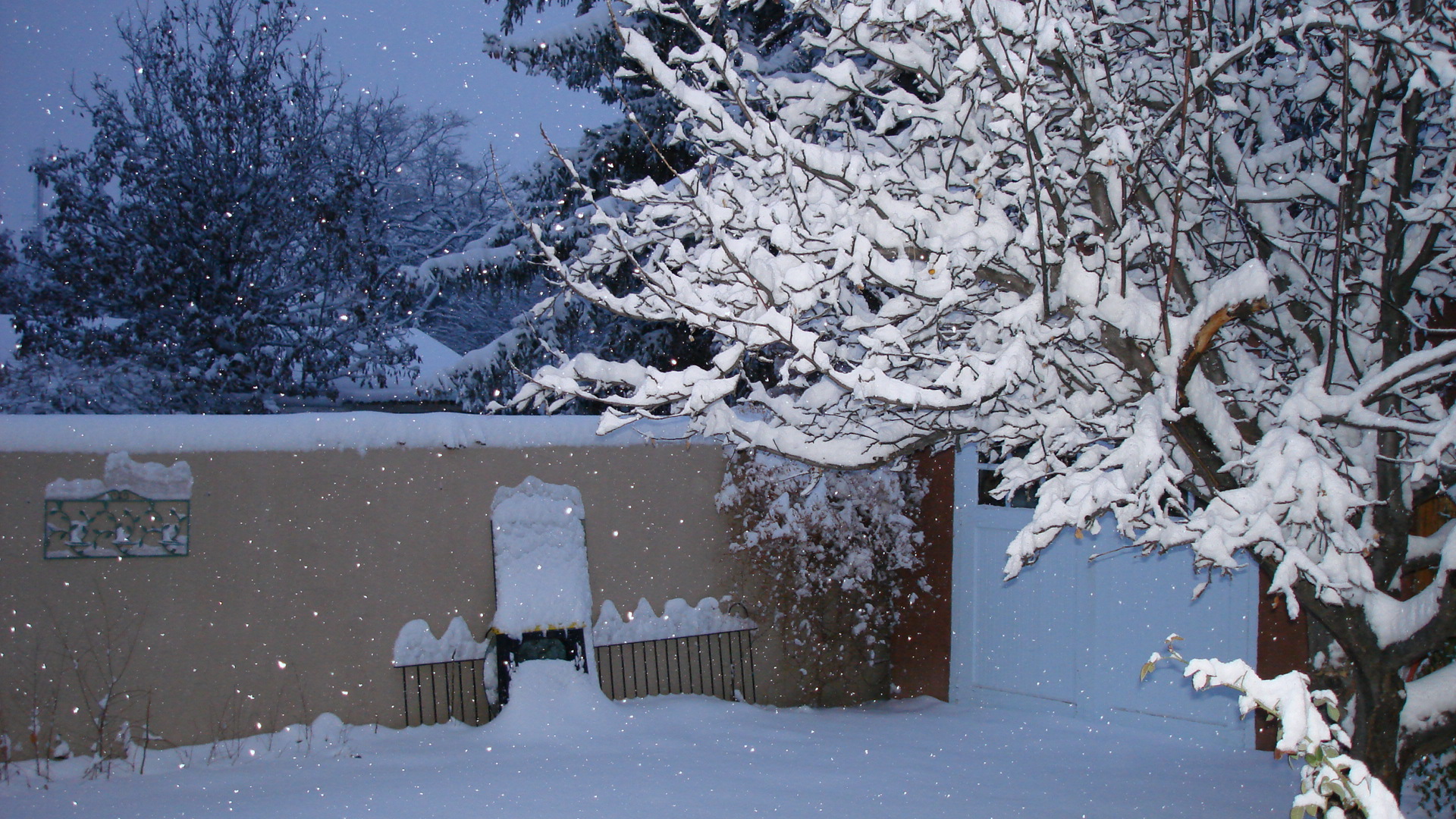
THE SNOW SEDATED the choppy feeling in my stomach, the conjecture ofΒ  discovering why my father was wired with anxiety. His whole life was a chase scene: arrest him, convict him, send him to Russia, and never pull the tap from his apartment, or the FBI guys from his tail.

Me,Β  Diane Friedman and Cindy Frisch.

03560001pic,me,l,&Di

Now there is a wash over my interpretation of his obsessive, protective, paranoia, distrust, and interrogation of my friends. I wonder if those gals I grew up with knew about Dad from their parents’. I relied heavily on the open arms of my friend’s families. They’re remembered more than my teachers: The Blair’s, Bourne’s, Both Friedman’s, Frisch’s, Hoffman’s, Pindler’s, Saunders, Schwadel’s,Β  Taubman’s, and the Tefkin’s.Β  Hope I didn’t leave anyone out.Β  I left out the Berman’s and the Crosby’s.

THE LEGEND LADY OF PALACE AVE


0124130930

The throw of the dice this week lands on adventures in livingness; one day at a time. People with terminal illness, suffering from a shattered romance, a death of a friend, a natural disaster, always say the same thing; One day at a time.

Walking up Palace Avenue on a day spread with sunlight, and a continuum of power walkers, bikers and runners, passing by in whiffs of urgency, I took my time. I didn’t feel like flexing, just evaporating into the shadows, and the moving clouds. I walked by a little adobe, that once was a dump site for empty bottles, cartons, worn out furniture, and piles of wood. A year later, the yard is almost condominium clean. Just as I was passing the driveway, the little woman whom I’d seen walking up Palace with her bag of groceries, appeared like a gust of history in the driveway of her adobe casita. She wore her heavy blanket like coat and a bandanna on her head. Regardless of weather, she’s bundled up in the same woven Indian coat and long wool skirt. I stood next to her, a foot or so taller, and she unraveled history, without my prompting. She told me about the Martinez family, the Montoyas, and the Abeytas, all families she knew, all with streets named after them. Estelle asked me my name, and then took my hand in her weathered unyielding grip, β€˜Oh I had an Aunt named Lucero, and we called her LouLou.’ She didn’t let go of my hand, and then she told me that the families, some names I’ve forgotten, bought homes on Palace in 1988 for $50,000, She shook her finger to demonstrate her point. β€˜You know how many houses the Garcias bought? Five! Then they fixed them up and sold them.’

I could have stood there in the gravel driveway listening to Estelle all afternoon. She owns the oral history I love to record; but it is difficult to understand her, she talks with the speed of a southwest wind. We parted and I thought about the times in my life when the smallest of interactions elevates my spirit. In older people, who are not addicted to gadgets and distant intimacy, I’m reminded of how speed socializing has diminished the opportunity for a sidewalk chat.

Β