Still flustering over how to save more money, and which expense she should solve; the dental appointment that’s six months overdue, the servicing of her car overdue since June, or elevated reasons to book a trip to San Diego. The urgency to decide sent her into a minor mid-afternoon tizzy and she decided she needed potato chips to solve her physical edginess. She does not use salt in her cooking, and from experimentation over the years realized that salt could elevate her dizzy thinking and lackluster posture. The momentary outdoor freshness stilted her, to stop moving, and breathe deeply like she was in the doctor’s office and they say, ‘ deep breath.’ The street is absent of walkers, workers, delivery trucks, and residents, it’s almost like a graveyard and this does not irritate Greta, she uses the bliss to engulf her creativity, and so she began to write.
“Young woman sitting on the books and typing, toned image”
PUZZLE OF SOLITUDEwill always be a puzzle because our lives, solo or mated, are puzzled by too much solitude, or not enough.
I contest what seems endless solitude with my Irish Russian temper; condemning irritants like street noise, absence of friends, short-tempered customer service reps, world news, and mindless tasks. After the first ice rain and snow, the fever dulled, and mindfulness triumphed. I imagined my basement of survival would sink. It did not. There is an inner exploration happening, unfolding like spreading new sheets on my bed, that solitude has befriended me all my life, in the best of times and the tedious. I have to find the frolic and follies in the world I created. I have to laugh alone so I watch screwball comedies, seek humor in my irregularities; wear a sweater inside out, pour coffee into a wine glass for a cocktail and chuckle up and down the staircase, because I keep forgetting where I left my phone. My head is elsewhere-daydreaming. I’ve learned how to repair house calamities; unscrew windows, seal up cracks, fix clogged drains, replace air vents, read the meters, and rejuvenate every wood board, handle, chair, and table with Old English Oil. As one pal commented on a visit to the house, ‘ It’s a perfect day for Old English! The winter forecast is blizzardy and full of warnings I haven’t experienced here; and how could I complain when half of Upstate New York is buried in SEVENTY INCHES of snow and no way out? At the end of the day, pleasure comes in the kitchen; my heart and spirit melt while stirring my weekly slumguillion stew while listening to Tony Bennett, Nat King Cole, and swing music. Winter has in the past been a funnel that leads to writing.
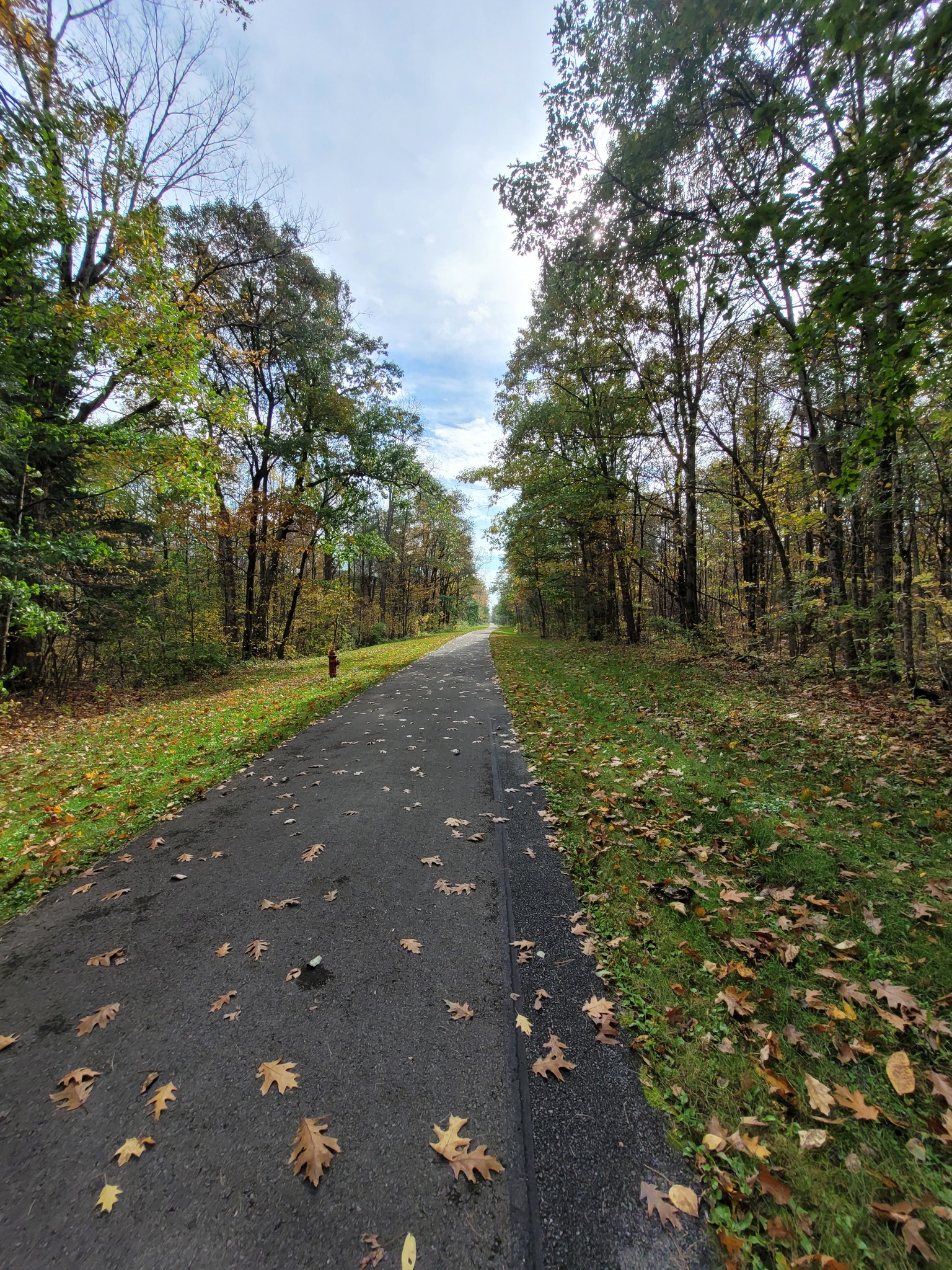
Will-powered out of the house on a glory hallelujah day of ballet winds and buttercup sun. I walked along the bike path and observed the cyclists, and joggers, some still masked. Along the way, I smiled at passing strangers, and sometimes even a hello. How reviving to connect with strangers after two years of physical masks. Emotionally optimistic, a rare trajectory of nature and my life within. If nature can survive, why can’t I? What prevents us from launching new growth, mentally emotionally, and financially?
Let me take this day and bless it with hope, miles, and miles of hope and faith that I will land, plant new roots, and bloom.
Page 525. Terrified to post this but it is Sunday and I’m brave on Sunday. The book is fiction, first-person, and close third person so you’ll need a jogging suit to read. Based on true events.
Greta let the moment of the village rescue stay with her, like a new pet for as long as she could hold on to its beneficial ointment, away from what she calls her immersion into self. She gives me examples that illustrate her obsession with matching outfits in her closet.
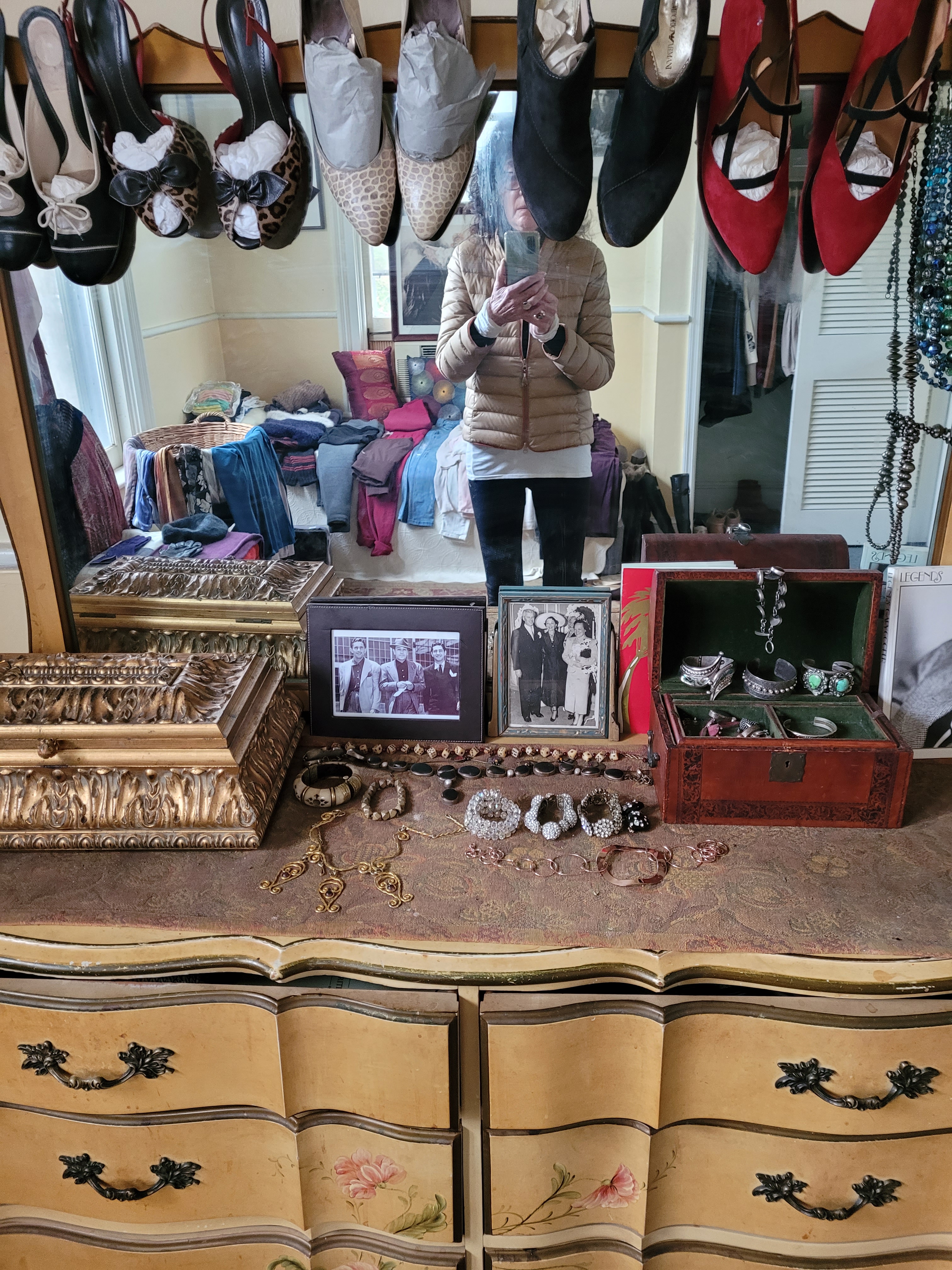
It’s a bedroom she converted into a dressing room. There’s a single bed against one wall, a cabinet where she stores the winter boots, and an eight-drawerFrench nouveau dresser and mirror. She sits on a chair facing the windows so she can watch the trees live through sun, wind, rain, and snow. Across from the chair is the bed. She diligently arranged her summer pastel skinny jeans on the bed, and next to that row she arranged the T-shirts, camisoles, and shorts. It’s quite practical considering Greta as she has admitted to me half a dozen times, that she was born without common sense or practicality. At the base of the bed, she lined up her shoes, the slip-ons, the flats, the pumps stuffed with tissue paper to preserve their shape, and the wedges. After a breach of sanity, she goes into this room and visualizes outfits and color matching like someone might play chess. ‘ It does have a purpose, this way I visualize without wrangling with hangers and you know it just takes too much time when you’re in a closet.
‘”These days I look at them as if they belonged to someone else, I mean the red suede with gold heels that I wore on a New Year’s Eve of gaiety and not since, the black velvet pumps that always make me feel dainty and light. What care I give to all these garments when in the other part of the house, Dodger was descending into a financial coma.”
Greta did not acknowledge the few months before his departure that he was riddled with abject unfulfilling tasks, bills, and construction jobs that no longer fed him purpose and accomplishment. She did not notice that his slacking posture on the front porch, head lowered and staring out without any body movement was a sign, she in fact despised it and walked away. In the last few months, all of this seemed to rise up like a curtain before a play, in a theater and she witnessed his insolence and his silent howl for help.
The irony of her activity is that she doesn’t go to the events that she plans on going to wear the outfits.
I ROSE AT 3:00 AM to turn the heat on, pick up my writing journal, and discern the week’s theme. I wonder for a moment if I should boil water for tea or coffee, and settle on decaf. The street is hollowed like a tunnel, the light of day is shining in some distant country, and the sky appears tinted with primer. Somewhere someone is dressing for work, breathing by the tick of the clock until he or she ( can’t figure out the right pronouns) must report for work.
The draft of sleep lingers in my eyes, and my feet shuffle on the wood floors while I grind the beans and think through the remains of the week. There are themes to our lives. Sometimes a year, sometimes one single day launches the theme, or it may just tumble into our path unexpectedly and replace whatever we were holding on to dearly, and deliver something unpleasant, like sickness, or separation. The sensations leading up to my theme jilted my creativity, and the pages I wrote were jammed with contradictions, maybe they still are.
Thoughts begin to form and ruminate, what is important? The theme of my week began when I finally was in the Dentists office. It’s been a year, and at sixty that was enough. Now Dr. FX’s office calls me every six months because I am over sixty-five. Still can’t really grasp my age. When I was thirty-something sixty-eight seemed very old. Do you remember that?
Dr. FX is the Music Man dressed in a white tunic. When he comes into my cubicle, he sort of prances on his toes and gives me an elbow safe bump.
“ Hello, oh I see,” as he looks into my mouth that has been open too long and my cheeks start to stiffen. The hygienist takes that white suck-up tube out of my mouth.
“ She has some tarter that I can’t remove so I suggest she come back because her gums are so sensitive and nonvaccine her for the water treatment .”
Dr. FX nods and bounces out of the room. Now she begins to sort of authoritatively advise me again that I have serious tarter. I think this is the third time.
“ I think I got a little lazy flossing during covid.”
“Everyone did.”
“And I also started snacking on those crunchy health bars at night.”
“That wouldn’t cause that.”
Now I am ready to leave and I’m elated to get out. The receptionist starts talking and advising me about Dental Insurance and she leaves her desk and meets me in the waiting room, and starts stretching.
“ I have to do this as much as I can, sitting in that chair all day long.”
“Oh, of course,” I raise my arms and swing my hips beside hers. I walked out into a day of clouds and a peek a boo sun feeling a mood change, a spark of energy from a few moments of improvisational dancing. We all crave an irreplaceable swarming of joy, that comes unexpectedly. I was awakened to my detachment from feeling truly alive.
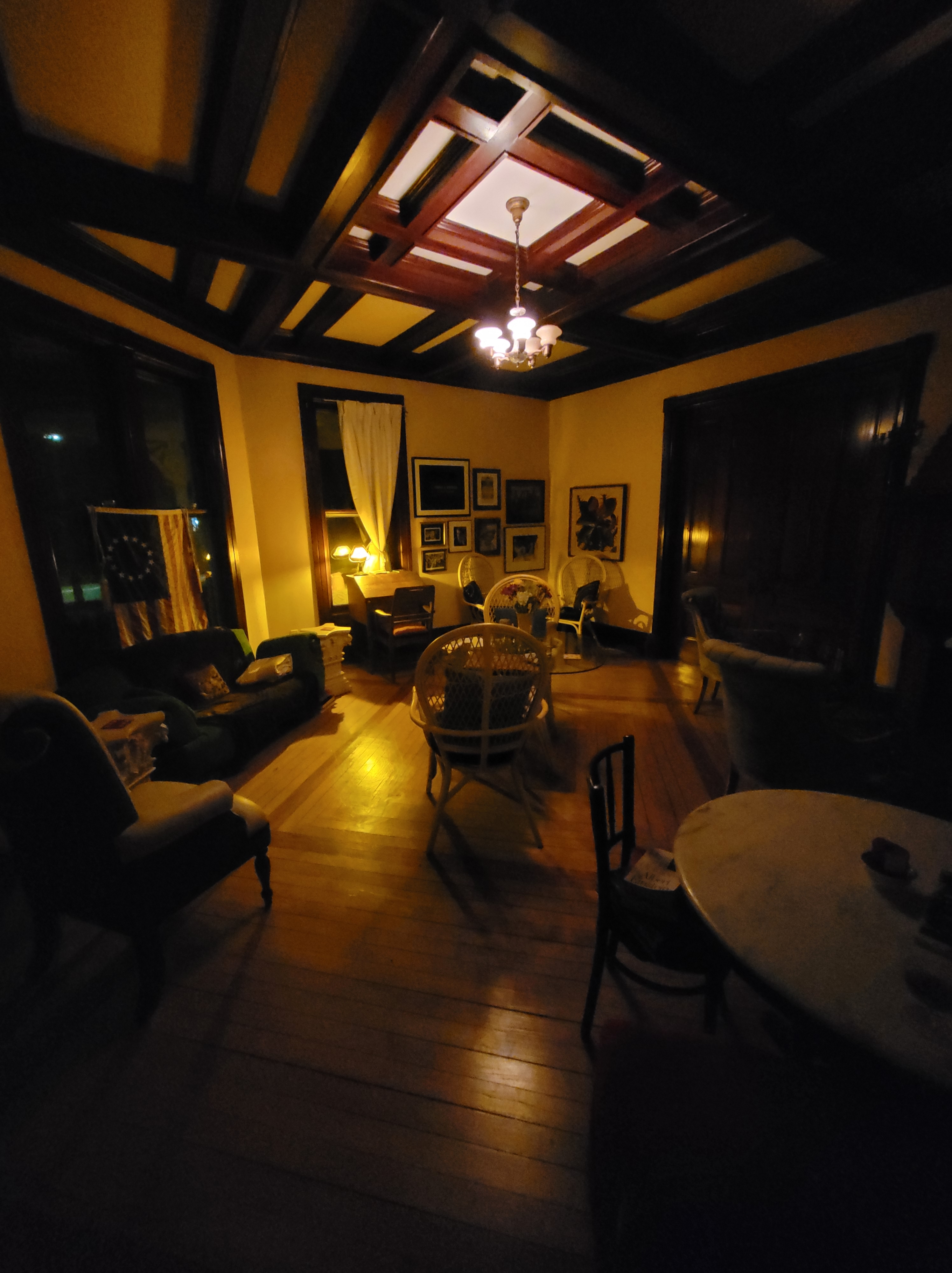
Writing with a pen is so different from the keyboard, journaling is always with a pen, but columns are on the keyboard. I understand what tranquilizes all the peripheral complaints, mental pains, and wounds that lie dormant or at least manageable. Without thinking of the tormented hours, I think of the comforts of exhibiting my life on paper. My desk is sealed into a corner of the bedroom, next to a double pane window (original 1885) forty feet in length. It is not the act of writing with pen and paper moving along at a steady rhythm; it’s the activation of the heart and mind, collaborating to unravel the relevant from the irrelevant. To reach this state of matrimony a writer needs not a Tuscan Villa, or a Moorish Castle, but experiences that flake off the skin, or recall of the experience that gives it relevance.
I return to the porch for one more gulp of landscape that I share with the stars. The street is unfamiliar, a temporary scene like a bus stop, and I am merely waiting to move on. Some of the neighbors are friendly, some have no interest, one kind of spies on me when he thinks I’m not looking. There’s a reason for that but it’s too much of a separate story right now.
If I continue to roam around the task of writing this story, the intensity of irritation will escalate, my neck and shoulders will not loosen, my walk will be feigned, my smile forced, my heart longing for padding, my ego striving for recognition in the wrong places, and my soul roaming the hallways at 3:00 in the morning. I read a quote the other day on some website, to paraphrase: When I’m writing I know I can’t do anything else. The theme of the week is to bring back LouLou, a clownish, spirited, curious, joy seeker.
Without a partner, lover, or relative nearby during our feared and festive flights of life, our ribs cave. You just cannot eat cake alone on your birthday, attend a funeral without a shoulder next to you, or celebrate a finished project without your best friend.
November 2016
Dodger knocked and then opened the door to Greta’s casita, wide-eyed and edgy as usual, like he’s about to eject off the ground and go air-born.
“Close your eyes.” She commanded
“I’m in a hurry, I just wanted to know if you’ve seen my glasses?”
“No, I have not, look in your back pocket, they’ll be there.”
He obeyed, “Good try butterfly.”
“They’re in your pigsty garage under a pillow. Can you just close your eyes, please?” Reluctant as always to be asked things like this he shifted his weight on one torn sneaker.
“Okay, you can open your eyes.”
“Well, what do you think?”
“I’m looking, hang on.” He opened the book and leafed through it, expressionless.
“It will be published this week in time for Thanksgiving and your birthday, a kind of homage to you, for reading the manuscripts a thousand times. I think it turned out really nice, don’t you?”
“Yea, then he handed the book back to Greta as if it was some other author’s book.
“Did you read the dedication to you?”
“Yeah, thanks.”
“Don’t you want to read it?”
“ I’ll buy one when it’s on Amazon.” Greta turned around and sat at her desk chair avoiding the disappointment with silence. She felt a sharp sort of shock, that left her speechless.
” I’m going to see Patsy for my Birthday,” He said in a more decidedly final tone.
” But I planned a publication party on your Birthday. You knew that— I mean this is our book once you read it you’ll see half of it is about you. He turned his head toward the glass door, he was preparing his next line.
” I know what you’re doing.” He replied.
“ What does that mean?”
“ You don’t want me to see her.” He turned around and looked directly into her eyes, unkindly.
“ I told you to move in with her, she’s your girlfriend, but I’m your friend. Can’t you go a few days later?”
“ No.”
” Okay, go. Get the fuck out of here, the book I wrote about our friendship and dedicated to you doesn’t matter.” Dodger opened the door and stepped outdoors before slamming it shut. The vagueness and accusatory tone pulled the plug on her adulation and accomplishment.
NOVEMBER 2016
Greta continued to sit at her desk, staring at the book, talking out loud as if Dodger was still in the room, you are fucking insane, he wasn’t the least touched, he didn’t even fucking smile or hug me. We are best friends you asshole, thirty-five years! Like family, I can’t believe you’d do this.’ The grail of completion dissolved when a few hours later, she had metabolized his absence.
Greta applied lipstick and blush, changed from sweats to jeans and a sweater, and dashed across the street to The Beaumont Hotel. It’s been what she termed her groove cave for the last ten years, ever since moving to town. Internally she reminded herself to retain some dignity, and not to cry, which would come later after she had a few glasses of wine.
The wave that most of us have to swim through at some sandy, loose day in our life comes unexpectedly as it did for Greta. It’s been two and half years since Greta agreed to tell me her story, it feels like it was yesterday.
Clutching her book in one hand Greta strolled into the Beaumont and, stopped at the staircase on the second floor where two hostesses were patiently but somewhat nonchalantly waiting for guests to arrive. She held up her book, partly because of the dismissal of Dodger, and her craving for some kind of acknowledgment. She is never sure what she has accomplished until she is validated by another person.
“Congratulations Greta, that’s so cool. I want a copy.” Jackie and Julia chimed in. Greta has told me over and over the people here, in the pueblo, it takes no time to get to know them because there is no pretense or preparation, they speak their feelings, as they arise without premeditation. Jackie is always tired and Julia is always infinitely alert and awake. Julia is in her sixties and Jackie is twenty-two.
“ Thank you dolls, do you think I deserve a cocktail tonight, no really, would it be all right if I have one. Jackie twirled her thin waist around the iron staircase,
“ Fuck that Greta, go have two,” she whispered.
“ You can walk home so have three,” Julia added, so neatly dressed in her uniform, but her eyes are like meadows like she’s not really there.
Holding court in the bar is Captain Kurtis. He’s ageless, one of those faces that retain the youthful spirit, and his six-foot-four physique almost doesn’t seem to fit with his face. He is no second guesser or lacks self-confidence, Greta loves him for that because she is not. She knows this for certain and she can’t understand why friends tell her, she appears so. She also knows that it is her little act.
“Hey! What’s happening?” He shouts out in his usual bar baritone greeting as if Greta were in another room.
She placed the book on the counter.
“ Wow! Hey, congratulations! That’s awesome. What would you like–on the house?”
“Thanks! A Martini.” He greeted another guest and I looked in the unavoidable mirror across from me and winked.
“ Wow, I don’t read much but I want a signed copy!”
“ This is the proof that I approved, the book comes out on Thanksgiving.”
“ My parents will be here, will you?”
“ Of course, I can’t not be here.”
“ Has Dodger seen it? Bet he’s happy huh?”
“ Actually Kurtis, he’s not.”
“ What the fuck is wrong with him?”
“ I don’t know, but he’s leaving for the holiday to see his girlfriend, I’ll be here alone.”
“ No way! We’ll be here. Drink your Martini and get crazy, loosen your bottom or something.” A while later, a second bartender arrived, Rooster, his hair is slicked into a rooster tail and he loves to dance and lip sing behind the bar. Greta went through her announcement, and he just beamed. “I want to buy one– where do I get it?”
A dreamy drench of joy poured over Greta, she let the martini take her away to the full euphoria of escape.
Over the next few days, she watched her royalty cart fill up. It was graduation day, a milestone for any self-taught writer. The instant a book was bought she wanted to tell Dodger.
From Greta’s desk window she views the driveway and converted garage where Dodger lives. It is now the twenty-third and she is waiting for him to leave as their incidental crossings on the street or in front of the house enrage her temper. This afternoon he appears to be preparing, and un-preparing for a departure. Greta is observing his actions with just a hint of humor as she sees him bring his bicycle up from the basement place it outside the garage, then a few hours later, he places it inside the garage, then it comes out again and he keeps repeating this action until he switches to his construction tools, they go in the van and then back in the garage. Dodger then moves on to washing his car in militant style, climbing onto the roof and manically wiping down the exterior and interior with a roll of paper towels and cloths. Greta says, ‘My God Patsy must be a car germophobic.’ On Thanksgiving Day, she sees the Van, and then Dodger comes out of the garage carrying his toiletries bag and a garment bag. He glances over at her door where she silently observed him. She opened the door to say whatever came to mind at that moment and he accelerated into his van and drove off.
Thanksgiving 2016
Greta propped herself up in bed drew her coffee cup into both hands to warm them and wiped tears on her nightgown sleeve. She could not get up at least not for a few more calming hours so she looked at the walls of her bedroom sparked with honey sunshine inside the gold curtains and as the day passed her enthusiasm for turkey and stuffing wilted, until four o’clock, when she closed her mind like closing a book thinking of Dodger. She pulled a green sweater and burgundy velveteen slacks and dressed without even looking in the mirror, habitually applied make-up and while looking in the mirror tested her smile, to find the one that looked genuine. ‘ Oh fuck him, I’m going to make joy tonight’
Couples and families scurried the walkways on their way to dinner. Greta watched enviously having never been a mother, every child appeared distinctive and worthy of love. As she walked through the lobby her attention was drawn to a circumference of platters of food decoratively arranged on tables. The mounds of appetizers, salads, loaves of bread, and turkey slices tuned up her appetite for the first time since Dodger departed. Inside the bar, a standing crowd of guests fused in high-pitched voices, laughter, and glasses raised in toasts. Greta eased her way to the bar feeling slightly self-consciousness of her unaccompanied presence. The Dude, as she referred to the leading bartender stood tall as a redwood, his hair wrapped in a perfect man-bun.
“Greta, over here. I saved you a seat.” She smiled uncertainly, unconvincingly and the Dude noticed. He raised his chin a notch, it’s his way of acknowledgment.
“Hey Greta, you look really nice tonight. Are you ready for a martini or what?
“ I don’t feel like it, can I go now?”
“ Come on, it’s Thanksgiving, aren’t you thankful for something?” she savored the comment, it was true she did not feel the thankfulness quality of the celebration.
“ I’m grateful for you!”
“ Okay, what’s wrong?”
“ You won’t believe it, whatever it is I don’t know. Dodger didn’t stay for the publication party, he didn’t even say congratulations when I showed him the book, he’s gone to see Patsy, you know the woman in Las Vegas that he sees sometimes.”
“What an asshole, I’ll whip him when he gets back. Do you have the book with you, I want to see it now!” She kept one in her bag, in case someone came in that I knew.
“ Here, that’s yours.”
“Aren’t you gonna sign it?”
“ Of course. I’m just jilted like my prom date didn’t show up.”
“ Hang on, write the inscription I have to take care of these people. Don’t leave!”
The evening evolved into a gathering of singles at the bar, the exchange was simplistic holiday conversation, suited to the occasion, so very all American, though the holiday isn’t widely accepted by the Natives due to the fictionalized history of the holiday. Within the festive mood, the distraction pulverized the hollowness of dining without Dodger on Thanksgiving and his birthday. Greta’s closest female friend is White Zen (WZ), who is out of town, and other friends are with family, so it is one of those days for single unattached people to find refuge where they can.
The man seated next to her was so close she was tempted to move her chair but thought that would appear unfriendly. The Dude approached her,
“ This is my Dad.” The Dude went on to talk about the book I handed him and then the father started up a discussion about how he was writing a book too and so the evening, between bits of food and wine liberated Greta from singleness to a dinner companion. She knew Dude had that planned as he was continually trying to introduce her to men.
When there was a lull in the conversation Greta seized the moment to excuse herself and squeezed through the crowd to the ladies’ room. The silence relieved her as it always does after a two-hour conversational overload and incessant noise of guests whose cocktails elevated their voices to disturbing mumbling. She applied fresh lipstick, and then she took a deep exalted breath and texted Dodger, ‘ hope you have a wonderful thanksgiving.’ She washed her hands and after a few more minutes passed, the text remained unanswered.
“ Dude, I’ll have another glass of wine.” He was more than responsive, and poured a full glass of wine and left the bottle next to her. She knew he knew her heart was crumbling.
“ I’m thankful Dude!
“ Yea, you should be!’ A tipsy jolt took care of the evening and she managed to make some mocking jokes about the Dude, and how his youth at twenty-eight pleased the women at the bar as they attempted a sensual pat on his hand.
“Cougars, divorced or cheating on their husbands, women your age are weird.”
“You’ll understand when you get older.”
Over the next few days Greta texted Dodger six times, and he didn’t respond, so she called. She was blocked. Her rage erupted, and so she sent an email with a link to her Amazon book page. When days later she did not get a response, she pinned herself in front of the television and dialed WZ. The outdoor snow piled up, the trash was not emptied, she avoided going into the basement where the washer and dryer were and the temptation to begin sabotaging, or breaking his belongings.
“ Hi, it’s me. What’s left of me that is. Can you talk?”
“ Yes, you don’t sound good– what’s happened? Let me get a cocktail going I think I’ll need it.”
“ I’m into my third glass of wine, call me back because it takes you fifteen minutes to do your marvelous Martini’s.”
Greta waited as if she was about to go into the operating room. WZ is in the category of mothering it’s not just her whispery voice, or intense talent for listening, she has the appetite for drama and that’s what hooked her to Greta.
Maurice did things for us that no one had. It started with small gestures, like inviting us inside every time we passed by his house. Even if he was on his way to deliver furniture he’d scuttle to the kitchen and give us homegrown tomatoes, and oranges, or hand me a bouquet from his flower garden. These were the early years of my story submission rejections. I was so consumed with rejection that the only person in the world that made me feel human was Maurice. He didn’t understand what my torment was about, but he knew how to make it go away. Sometimes all it took was a big hug and a kiss. Maurice always met me with a hug and kiss, though I didn’t realize at the time how much he knew what I needed.
That Christmas I felt the spirit because of Maurice. I went to Sav-On and collected a basket of decorations, and though we had no room for a tree, I did what I could. Instead of wishing I could dash into Nordstroms and shop like a madwoman, I dug a little deeper and searched for appreciation gifts for friends.
By the time the season had ended, I was fixated on Maurice. It is strange to write about him now. The story I wanted to write was about Del Mar, and Solana Beach, California during the thirties and forties. I searched the indexes of the Del Mar Library and the local bookstores and shared the antiquities with Maurice.
We were sitting on his cushy pillowed sofa one evening in 1994, sipping chilled southern comfort, and snacking on saltine crackers and cheese. There is always a subject of interest with Maurice. He is seventy-five years old, lean and tough as a stalk of corn, with blue eyes that twinkle even if he’s not in the light. His wealth came from the uniqueness of how he lived.
“Tell me what you remember about Del Mar.”
Old Del Mar.
“Oh so many good times, not like it is today. I knew just about everybody, we were like a family.” Sometimes Maurice shared memories while driving around Del Mar and Solana Beach. Suddenly he would start talking, and I’d would listen with childlike curiosity. I recall one evening at the old Cilantro Restaurant while having dinner with Maurice. We sat at a table facing the Rancho Santa Fe Polo field. Maurice began to tell me how it used to be. Rancho Santa Fe
“I used to plow those fields there, all the way up to where the hills begin. I worked out there all day, and I loved it. That land belonged to the Conleys’. I remember that the whole field was underwater for one year. Hard to believe–but it was.”
“You plowed?”
“Sure I did! I was a farmer, a dairy farmer, and I delivered milk to Bing Crosby and Dixie Lee. I remember Christmas she comes out and gives me some extra money.–I always loved going there at Christmas. They was always so nice to me, you know. The Conley’s had a hog ranch, they were the ones I worked for. The year it flooded from El Camino Real to the racetrack we lost a bunch of pigs and a cow under the bridge. It only happened twice that I know of.”
“ What was Rancho Santa Fe like back then, when you were a farmer?”
“Well, it was different than today, then it was rich people, I mean really rich. I don’t know where they got their money but they had everything–you know expensive cars, cooks, and maids.” Maurice chuckled, “ I couldn’t understand what the cook did all day. The man my wife worked for, Ronald McDonald, he had a butler, maid, cook, and a big house, a really nice house. But today, anyone can live there, people who just inherited a lot of money. There was just a few families back then– everyone knew who they was. One time a young girl who lived up there was stuck on the road–her car broke down, so I drove her home. You did things like that. There were two really well-known families there, the Clotfelters were one, they had a son, Tom. He stopped by my house at Christmas and brought me a fish, he liked to fish. The other big family was Avery, he had everything. He used to get jobs for the Mexicans in the Ranch. Everyone knew him, he kind of ran the whole town, was really active in the community. Another fellow, Joe White, went around to the homes and put in the meters for the water district. We used to play cards with him and his wife, Marilyn– have a few drinks and have a such a good time. ” Maurice stopped and shaking his head remarked that there were so many wonderful people in his life, and how lucky he was to live in Solana Beach.
Downtown Rancho Santa Fe.
The Rancho Santa Fe I knew began when I moved there in nineteen-eighty-three. It was a place you heard of right away, and so I drove up to take a look around. Like thousands of others before me, I dreamt of living in the Ranch under a canopy of Eucalyptus trees with a horse stable and a grove of oranges. It was a blissful place to drive on a Sunday afternoon, very few cars on the road and the homes bathed in sunlight. But when I walked down Paseo Delicias, the main road in the village, I felt like an outsider. I did not feel that detachment in Del Mar, or Solana Beach, or even La Jolla. But the Ranch has eyes, it seemed to single you out and therefore no one on the inside made contact with you. You could dine at the charming Mille Fleurs and drop a few hundred dollars but you would not be invited to mingle. I asked Maurice if he wanted to live in the Ranch. His expression was curious as if I was pulling his leg.
ONE EVENING, Rudy and I were sitting on the porch, it was in summer and we would sit out till after eight o’clock at night talking about different parts of Maurice’s life. He is really busy in the summer, he works one day a week gardening for a man in Fairbanks ranch, and he spends a lot of time delivering furniture for the shops in Cedros Design District, and helping his friends with their gardens. He never seems tired; he likes to sit on the porch at dusk, watch the sunset, have a jigger and tell stories. I had not met a man that could tell me things like Maurice. There didn’t seem to be anything he couldn’t talk about. I will tell you in the next series how I met, ‘the happiest man in the world.’
OLYMPUS DIGITAL CAMERA
“ Maurice, how old were you when you were drafted?” I asked.
“ Well, I was thirty-one years old, that was in 1941, you know when the war broke out. I had to leave my wife, and that bothered me, but I wanted to go overseas, there were so many nice real young boys, there were two boys from Chicago that were only eighteen years old, they lied to get in, and they were the best soldiers you ever saw, they weren’t afraid of anything.”
“ Where did they send you, I mean after you left San Diego?”
“ Well first I went to Camp Roberts for training, thirteen weeks, but I got out in nine weeks, then they send me to Fort Ord to get my gear and rifles and clothes to go to New Guinea to fight the Japanese. We left San Francisco on April 21, 1942, I remember going under the Golden Gate Bridge, cause we hit a bad storm there. We was on a luxury liner and then we were sideswiped by another ship. I was in the bed at the time, and water started coming in through the porthole so I run for the door, to get on deck but I couldn’t get it open. I thought we were hit by a torpedo, then I got sick, I was real sick. Well anyway, then we finally settled down, and I think we hit coral sea without any escort or anything and finally got into Adelaide, Australia after twenty-one days at sea.” Maurice paused like he had to catch a breath. I watched his face, thinking he may want to stop.
“ You remember so much, do you mind talking about it?” I asked.
“ No, I don’t mind, it changed my life, everything about it.”
“ Where did they send you after that?”
“ Well we trained for awhile in Adelaide, the people in Australia were so happy to see us. I remember they met us at the beach with tea and cookies cause the enemy were getting real close. Then we went up the coast to New Guinea to Port Moresby, we got there on Thanksgiving day 1942. As soon as we got off the ship the bombs hit us, it was the hundredth raid that night. Then the next morning we were supposed to get to Stanley Range, but we were in such a hurry because the enemy had built cement pillboxes. So we got in this plane, a hull, and they flew us, twenty-one at a time. When I got to the island of Buna, there were dead soldiers all over and so much jungle. At night the tide came in, so I found a mound to lay my head on, but my whole body was underwater. We were losing men so fast, so on Christmas 1942 General McArthur ordered us to advance, regardless of the cost of lives. My division was one of the first divisions to stop the them, the Thirty-Second division. After we were immobilized, and a lot of our men were killed, they sent in the Forty-First division to take over. I got pictures, you want to see them?”
“YES, RUDY,” SHOUTED. Maurice went inside and Rudy and I sat there just talking about how soft our lives had been, never having been in a war. Maurice came back with a Life Magazine, from 1942, the headlines were Attack at Buna. We sat next to Maurice on the couch and he sifted through the magazine showing us the photographs of his division. He picked out one photo in another stack in his lap and told us his wife kept this one, she was sure it was Maurice. It looked like him to. The soldiers were young, but they didn’t look young, they looked like men. The things he told us that night were hard to believe. They didn’t get supplies at first, they had to wait till everything was shipped to Europe, and then they got what was leftover which wasn’t much.
“I ate cocoanut bark for two weeks and had to drink my own piss to stay alive, there was no water. I can remember so well the first enemy I saw, sneaking through the jungle, he was only thirty feet off, and I don’t know if I shot him, but he dropped, and I don’t like to think I killed anyone, and it bothers me to this day that I had to kill, but that’s what we did. The Japanese were good soldiers, they had better ammunition than us, their guns were always real shiny. We fought all day, and we always ran out of ammunition before they did. Christmas day of forty-two we went into a trench to get ahead, the fellow ahead of me was cut wide open, and the guy behind was shot, and I just laid there on the ground. If you moved you’d be shot. It was so bad, I laid there all day and night. “
“ Did you think you were going to die?”
“ I didn’t let myself think that, I made a promise to God, that if I ever got out alive I’d never complain about anything in my life again because nothing could be worse than that day.”
“ You kept the promise didn’t you,” I asked.
“ Yes, I have.”
“ And that’s why the war changed your life?”
“ That’s right, every day is a beautiful day after you’ve lived through a war, at least for me.”
BUNA came into our conversations many times over the years. The things they did to survive is what he remembered; like brushing his teeth with black charcoal because it polished the teeth even though they made them black. They bathed in dirty streams, or in the puddles in the street made by the tires of the trucks. They had to relieve themselves in their pants because moving was dangerous. They didn’t have modern medical supplies. When Maurice had cavities he was sent to the infirmary and the dentist told him to just grit his teeth, there was no Novocain. He got gum disease, leg rot, malaria, and he lost his sense of smell.
“But it was much worse for some of the men, so bad you can’t imagine.” He talked about the kinship amongst the troops, it was unlike anything he’d ever seen or experienced, all the guys looking out for each other. Buna was a strange place to be, I’d never heard of it before Maurice told us. After they took over Buna, one of the beaches, was named Maggot Beach, because so many dead Japanese and American soldiers laid there, in the hundred-degree heat, and the flies got to them, and it was a terrible sight, it smelled so bad he remembered. Maurice was sent to the hospital for two weeks, then he started working in the kitchen and got to be the first cook.
2001. OUR CONTRY IS AT WAR AGAINST TERRORISM. Rudy and I wanted to know Maurice’s thoughts on the way it is now, and how he felt. We sat in his living room watching the news and talking in those first few weeks after the attack on America. It seemed like Maurice couldn’t believe what had happened, I’d never seen him speechless. He didn’t know what to say for a long time.
“The ground troops are the only way to get this enemy. Now with these terrorists– we have a different war. I don’t know what our government will do but they should give our troops overseas that die big funerals, news on the television and newspaper, that’s the right thing to do. In WW11 they didn’t do that for any of us, they just wrapped the dead in a tarp, and dug a little hole in the ground. Hundreds and hundreds of thousands of boys, all they got was a stick where you was. I think they got some of the dog tags mixed up, you didn’t know who was who. When you think about what we went through, and how close you were to each other, everybody was so close, and if someone was shot, you couldn’t stop and help them, you had to keep going. The natives were so nice to us, so good to us, they picked up the wounded guys and carried them to the hospital, they wouldn’t do that for the Japanese. Now everything is on the television so you’re part of it.” Maurice began to weep silently. I hugged him. Rudy interjected.
“What were the natives like?”
” Back then we called them headhunters. They didn’t wear any clothes at all, but after we got there some of them started wearing our clothes. They lived in bamboo huts, pretty neat to live in, Rudy, you would have liked those tents. Anyway, they had these powwows, they’d catch a monkey, and hang him up, build a fire under him, and cinch the hair, then sit down and eat the monkey raw, I saw a lot of that. You didn’t dare look at the women, they’d shoot you with an arrow, they had poisonous arrows, the women were so terribly dirty, but they seemed to be happy. After we took Buna, they liked to shoot up the trees and show us how they got the coconuts, they were so fast. I guess some of them are still alive today, the jungle was so thick and full of mosquitos, a lot of them had malaria, they had no medicine, they ate herbs and things, to make them better. I’ll never forget them, they were so good to us, when they took me to the hospital they put me on a stretcher one time, they were so careful, didn’t move me at all.
“ You couldn’t speak at all to them?”
“ No, they had their own language, I couldn’t understand it, no one did.”
Maurice went into the house and came back with a photograph of a female headhunter. It was strange to think of this person as a woman, she was so primitive. Rudy loved the photograph. Maurice gave it to him. t. Rudy knew he would never see anything like it with his own eyes, so he cherished that picture and the story Maurice told us as if it was his own experience.
THEN THE LIGHT OF DAY TURNED FOGGY. Maurice said it was time to go in because it was getting cold. He told us how much he loved us that night, and what good friends we were. When Maurice talked of his experience in the war, it was like a chiropractic adjustment on my struggle, and I had renewed strength to just keep writing.
It was the first time for Rudy to hear first hand about WW11 because his father had been stationed here making torpedoes. My father enlisted but they wouldn’t take him because he didn’t have citizenship. It bothered him too, he was the kind of man that would die for this country in a heartbeat.
A year or so later, some woman came to know Maurice and asked about his experience in the war. She said she would write a book about it, and so he gave her the photographs and Life Magazine and waited to hear from her. She never came back, and Maurice was really shocked because she had seemed so sincere.
I wanted to know more about his life after the war, but the time didn’t come until one night when Rudy and I got into a nasty fight. To be continued.
IT’S HERE. “CRADLE OF CRIME-A Daughter’s Tribute” is LIVE in the TaleFlick Discovery contest.
Hi Readers:
Voting has begun on Taleflick for this week’s winner. It ends on Friday at 4:pm. CRADLE OF CRIME- A Daughter’s Tribute is on
Page 8. There you will see a voting button. Let’s win!
Head over to the TaleFlick Discovery page, where https://taleflick.com/pages/discovery all visitors to the site will be allowed to vote (once) ON CRADLE OF CRIME- A Daughter’s Tribute
Thank you very much for allowing “CRADLE OF CRIME-A Daughter’s Tribute” to participate in a TaleFlick Discovery contest. Your date has been set!
It will be a special week on TaleFlick Discovery: an all-women’s week, to commemorate International Women’s Day.
“CRADLE OF CRIME-A Daughter’s Tribute” will be part of next week’s contest that starts:
Wednesday 03/11/2020 at 10:00am Pacific. https://taleflick.com/pages/discovery. The contest will accept votes for three consecutive days, starting at the above time, and ending the following Friday at 4pm PT.
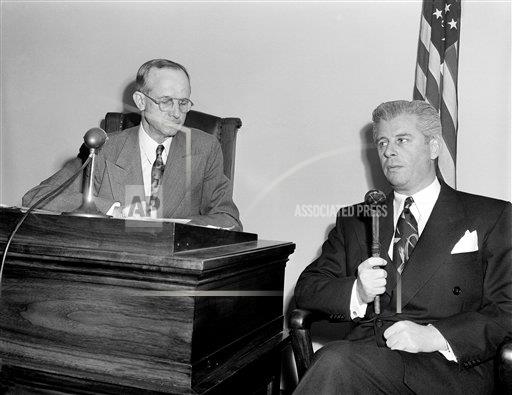
I am thinking about some of Dad’s answers to questions. You learn more by listening than telling. I remember if a friend or associate made some business proposition, Dad would answer, ‘I’ve been thinking along those same lines myself, and have a few ideas.’ Now, sometimes, he didn’t know but that gave him a shot into the game. The opponent would then tell Dad everything. The reason I say this is he said that to me. Not in those words, but the same move. Gangster’s do as much strategizing as politicians, maybe more. Coming out of court LA Times Photo. He loved sunglasses, and so do I.









 Old Del Mar.
 Rancho Santa Fe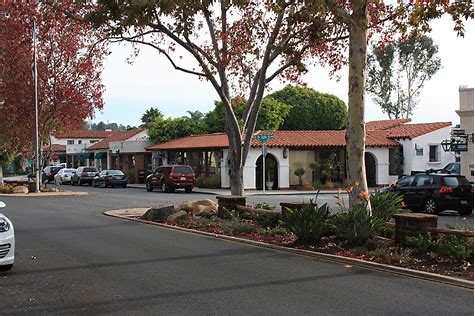


 ADVENTURERS IN LIVINGNESS