Luellen Smiley is a creative nonfiction writer, author, columnist, and historian whose writing is deeply rooted in a controversial personal history. She is the daughter of Allen Smiley, a close friend, associate, and business partner of notorious Las Vegas gangster Benjamin “Bugsy” Siegel. Her father was sitting only feet from Siegel when Siegel was murdered in Beverly Hills on June 20, 1947.
That extraordinary childhood history became the foundation for Smiley’s first book, Cradle of Crime: A Daughter’s Tribute, published in 2017. The memoir explores what it was like to grow up as the daughter of a man connected to organized crime while trying to reconcile her love for her father with the secrecy, fear, and criminal world surrounding him.
Smiley’s work has appeared in publications including the New York Post, MORE Magazine, Southern California newspapers, and Authorlink. She wrote the newspaper column Smiley’s Dice—Adventures in Livingness, which earned a Blue-Ribbon Award from the California Newspapers Association for her Growing Up With Gangsters columns.
Her interest in her father’s history also led her to become a researcher and commentator on organized crime history. She has participated in television, radio, and documentary interviews.
Smiley’s next book, Gaslighting Greta, will be published this year. A personal story that reads like fiction. Her own website describes the project as exploring a woman whose life is destabilized by gaslighting and psychological manipulation.
Her writing career reflects a recurring theme: using personal experience and research to uncover the truth behind complicated relationships and extraordinary lives. From the secretive world surrounding her father and Bugsy Siegel to the deeply personal territory of Gaslighting Greta, Smiley’s work transforms difficult experiences into stories of survival, discovery, and ultimately reclaiming one’s voice.
Luellen Smiley is an author whose life has given her an unusual perspective on secrecy, manipulation, family loyalty, betrayal, and survival—and she uses that perspective as the raw material for her nonfiction storytelling.
MONTHS LATER ON THIS DAY, she closed the shutters to him and alchemized from a cocoon to a butterfly beneath a circle of friends in tune. She removed the photos, gifts, and letters and put them in a box to reminisce later. Talking out loud, “She takes just like a woman, but she will not break like a little girl.” No more hours fanning the past; on this day, my view is spanning.” She sat peacefully by the fire into the night and let her broken wing sing as she watched the wood turn to gold.
I’ve written in the genre of Creative Nonfiction, integrating the events through dialogue, journal entries, and a third-person narrative. Within three locations, Santa Fe, New Mexico, Los Angeles, California, and Saratoga Springs, NY. Greta (me) exposes the mutilation gaslighting abuse inflicts on her emotions, psychology, mental and physical health, and her finances.
SUN, a goose-bumpy joy and celebration. That’s what I love about my education here: the first class you must take is weather management. I’ve destroyed dozens of artistic bric a brac by leaving them on the farm table on the porch, forgot to shop for groceries when a storm was approaching, and ran out of salt. I drove through town, taking photos at the red lights; the scenery is like Little Women, dressed differently but still rather swarthy in their determination to survive. Now some men, probably like the fourth or tenth generation, bear the strength by wearing a T-shirt or shorts. The other day, after a snowstorm, I noticed a man crossing the street in shorts, a long white beard, and working boots. That’s an EXACT badass around here.
Beguine the Beguine is on the record player, and I’m swinging around the music room, elated with the energy that forced me to dance, turn off the mind entirely. Total bliss. Dance has been with me since as far back as I can remember, the answer to a mood change, without drugs or alcohol.
I’ve written in the genre of Creative Nonfiction, integrating the events through dialogue, journal entries, and a third-person narrative. Within three locations, Santa Fe, New Mexico, Los Angeles, California, and Saratoga Springs, NY. Greta (me) exposes the mutilation gaslighting abuse inflicts on her emotions, psychology, mental and physical health, and her finances.
In a current of unexpected life moves, I floated towards the Pacific Ocean and landed along the fragile, factious Santa Monica Mountains to Malibu.
The salty seaweed smell of the ocean streams through my car, driving down the Pacific Coast highway on my way to buy groceries.Vintage Marketis new to Malibu, and clerks are giddy about their jobs. They may be aspiring actors or former actors.
I walk in and get a phone call that I’d been waiting for so, I set my cart down on a shelf and took the call. During the half-hour conversation, my eyes were fluttering through the scene: tanned surfers, affluent college students, and diamond-rich men and women of age that don’t check their bank balances. Because of this, expressions are chilled as fine wines, and smiles are sublime or radiating. They are a mostly content population of 13,000. The median home price is $901,000, and the median income household is $127,000. Here in Malibu every thing looks different from Santa Fe: The staging of ‘was in the business, am in the business, or want to be in the business,’ surfaces and dominates the scenery.
They are beautiful-the young teenagers who surf and paddle are true blondes, the blue eyes scintillating pools of water, young women are saddled onto 6” platforms, and then there are the stand-out power people, who will not acknowledge anyone, and expect everyone to acknowledge them. Tucked in the mountains, are extraordinary artists who live off the grid the way most people prefer to live in Santa Fe. I am learning slowly and still hiding out at Chantal’s, where I am living, two miles up from PCH off Malibu Canyon Road, behind a gate. Bohemians, artists, home-office screenwriters, producers, and famous heirs of recognizable movie stars live there.
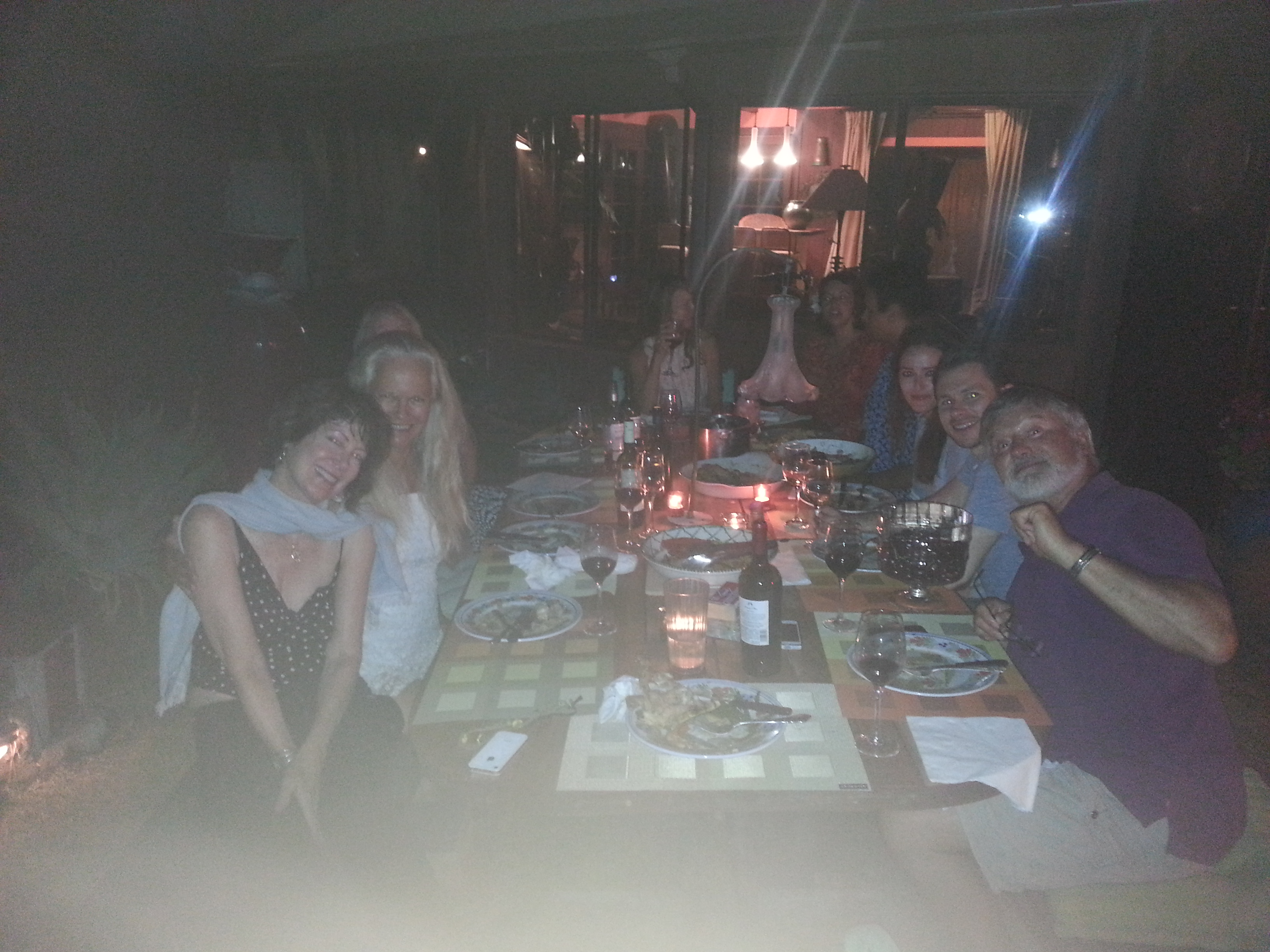
In the last hour, I walked down the road in the hands of sloping hillsides, horse ranches, and signature homes behind walls as high as the palm trees, built to withstand the typhoons of nature and mankind. In thedaylight a swirl of rain and clouds, it was as if I was in Ireland, walking along a road in Kilkenny. I roped in my imagination and returned to the mountains, which will teach me how far to go, how to duck a racing motorcycle car, or confront a coyote or a snake. A full transcendental moon dipped into the black-out mountain evening, and has cured me of interior turmoil for the time being. This is part of adventures in livingness in what locals call the bu. Chantal’s artistic compound of eight cottages and seventeen acres burned to chips in the Woolsey Fire. One night with Chantal and Neighbors.
Today, as the Bu, Palisades, and five other fires demolish humanity’s lives, I am grateful I was able to return to my childhood memories in Malibu for one summer in 2017.My family home burned in the Bel Air fire in 1961… No WATER.SAVE THEM THIS TIME, LA, AND DON’T LIE TO THEM.
I’ve written in the genre of Creative Nonfiction, integrating the events through dialogue, journal entries, and a third-person narrative. Within three locations, Santa Fe, New Mexico, Los Angeles, California, and Saratoga Springs, NY. Greta (me) exposes the mutilation gaslighting abuse inflicts on her emotions, psychology, mental and physical health, and her finances.
BEFORE I think about how to respond to a stranger, I feel them; the gestures, expressions, tone of voice, movement, conversation, mannerisms, and eyes. I acknowledge feelings first, then I think.
When I’m driving, I feel sprite or gloom. I feel a twirl of sensory perception from the drivers’ faces and witness the joyous reciprocal ink of friendship between shopkeepers, cops and dining customers, city workers, and service technicians trying to fix satellites and cables in a village with inconsistent infrastructure.
SOME of my principles are unsupported by experience, but more with GROWING UP WITH GANGSTERS training that I cannot erase. My theme is unbalanced; I take the extreme path instead of the path with arrows. It is why writing settles my sea-saw. As I sit in my antique wooden chair looking out, feeling Saturday’s silence beneath a blanket of blue sky and radiant sunshine, a tiny thread of peace realigns a week of political profanity, war, and death, but they got Sinwar! The sedate and quiet surroundings relieve my spinning head, and I just continue to sit and not fidget.
I’VE observed the village people; some appear to drag their bodies rather than hotfoot. I wonder if all the global Google news has weighed us down. Teens signal youth’s fascination with experience, newness, and expectation.The exchange of human voices as pedestrians walk along the street, I’ve noticed that New Yorkers speak in voluminous pitch. I can hear their voices from my bedroom on the third floor with closed windows. Humanity is our background symphony, along with the crows, lawnmowers, power saws, blowers, and racing cars. This street is part of my theme; a juxtaposition of historic homes and modern toys. I am a 21st-century flapper clinging to the roar of independence, self-expression, and breaking the rules. If we feel the chord of festivity, we should not hold back. I am going out now to see if I can feel more.
Sunday October 20,
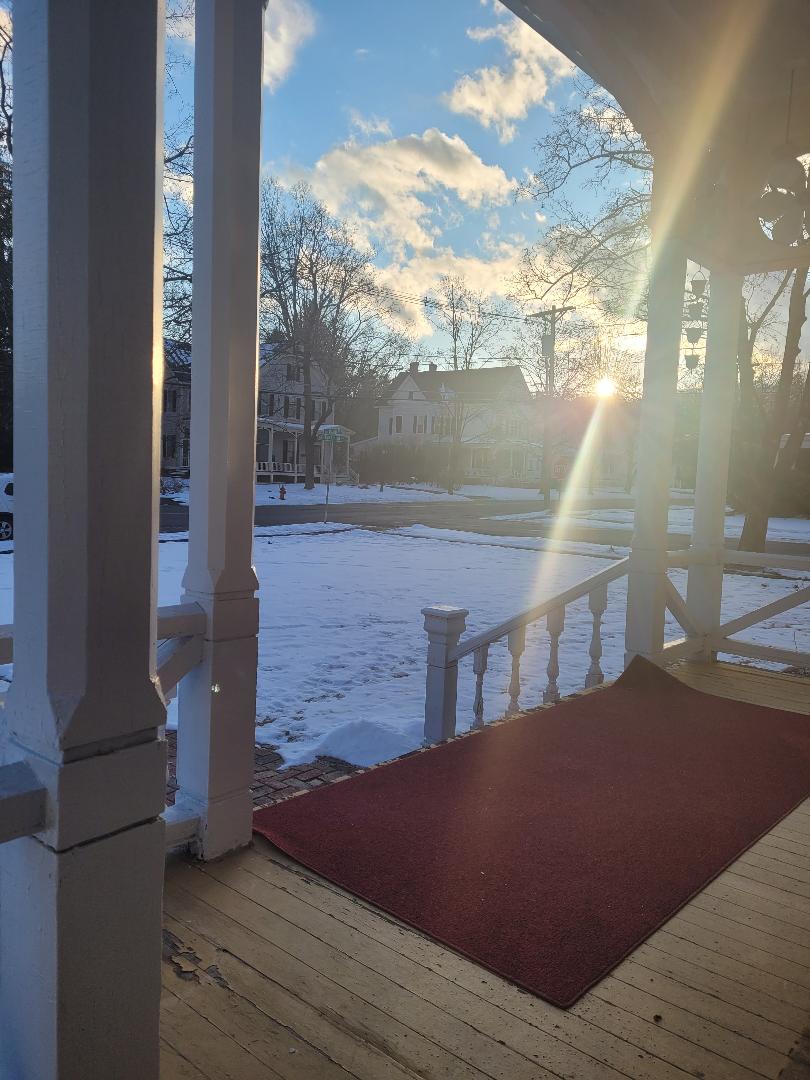
I walked out to the porch and slouched against a pillar to feel warmed by the sun. My dermatologist advised that I should not stay longer than ten minutes, even with fifty UV protection. Today is family day and a car show in the village. I experienced it two years ago, so I remain at home; listening to the geese go south for the winter and feeling solitude. It’s like a branchless tree, a storm without an umbrella, a garden without flowers, and a home without company. Oh, snap out of it. Go to Henry’s Tavern and watch the game with men losing their cool. They get insanely raucous s over football.
I’ve written in the genre of Creative Nonfiction, integrating the events through dialogue, journal entries, and a third-person narrative. Within three locations, Santa Fe, New Mexico, Los Angeles, California, and Saratoga Springs, NY. Greta (me) exposes the mutilation gaslighting abuse inflicts on her emotions, psychology, mental and physical health, and her finances.
The embryo of thought. Sometimes, it is negligible, as is life. I am the puzzle maker. Every time I try to carve the right size square, I fall off the board and have more material to write about! The puzzle is so vast that it covers our lifetime and the pieces are the choices and non-choices that fit into themes. We are all a puzzle.
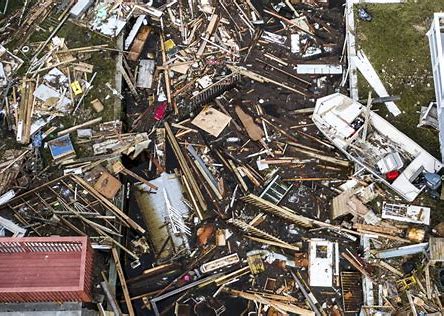
My life is like a melody, a Gershwin tune. As a dancer and prancer at heart, I feel and think with movement of mind. Today, on a translucent composite of sunshine and clouds, my heart is on the people surviving Hurricane Helene. Climate, warnings, rescue efforts, and the stories of human sacrifice to save lives will analyze this puzzle of devastation. All of those risking their own lives to save strangers are my heroes. One hero saves one life. Just imagine.
I’ve written in the genre of Creative Nonfiction, integrating the events through dialogue, journal entries, and a third-person narrative. Within three locations, Santa Fe, New Mexico, Los Angeles, California, and Saratoga Springs, NY. Greta (me) exposes the mutilation gaslighting abuse inflicts on her emotions, psychology, mental and physical health, and her finances.
It’s impossible to feel personal tribulations when I see Helene’s destruction. The shock is unimaginable unless your home has been removed by earth, wind, or fire.
When our family home burned, my mother drove me up a day later to see what remained. I was eight years old. I felt lost. My stomach was empty, and my breath held. Nothing but ashes; it changes your perspective on what to hold on to.
Burt Lancaster lived above us; a spark dropped from his home onto our house. Ours was the only house that burned on Thurston Circle. We direct our life, and then it returns a different ending. Lucky to have had those years in Bel Air, a paradise of charismatic neighbors, children up and down the street, parties, and safety.
I’ve written in the genre of Creative Nonfiction, integrating the events through dialogue, journal entries, and a third-person narrative. Within three locations, Santa Fe, New Mexico, Los Angeles, California, and Saratoga Springs, NY. Greta (me) exposes the mutilation gaslighting abuse inflicts on her emotions, psychology, mental and physical health, and her finances.
It is my mother’s birthday, so I am thinking of her. If she had been here today, we would have had this conversation.
Mom, I can’t hold up, I’m so beat down.”
” You have to. I know your situation is degrading and frightening, but you don’t have a choice. You have to use all your strength.”
” I wish I was more like you.”
” You are like me, and I know you will overcome.
After our home burned down in the Bel Air fire, my parent’s divorce was in motion. Dad moved to Hollywood, and Mom moved me to Westwood to a studio until she found work. Mom returned to modeling to support us.
I’ve written in the genre of Creative Nonfiction, integrating the events through dialogue, journal entries, and a third-person narrative. Within three locations, Santa Fe, New Mexico, Los Angeles, California, and Saratoga Springs, NY. Greta (me) exposes the mutilation gaslighting abuse inflicts on her emotions, psychology, mental and physical health, and her finances.
Silhouette of sounds: a whispering wind, the freight train blowing the sounds of its coming, Neil Young music, and the flutter of thoughts that sometimes feel like sounds.
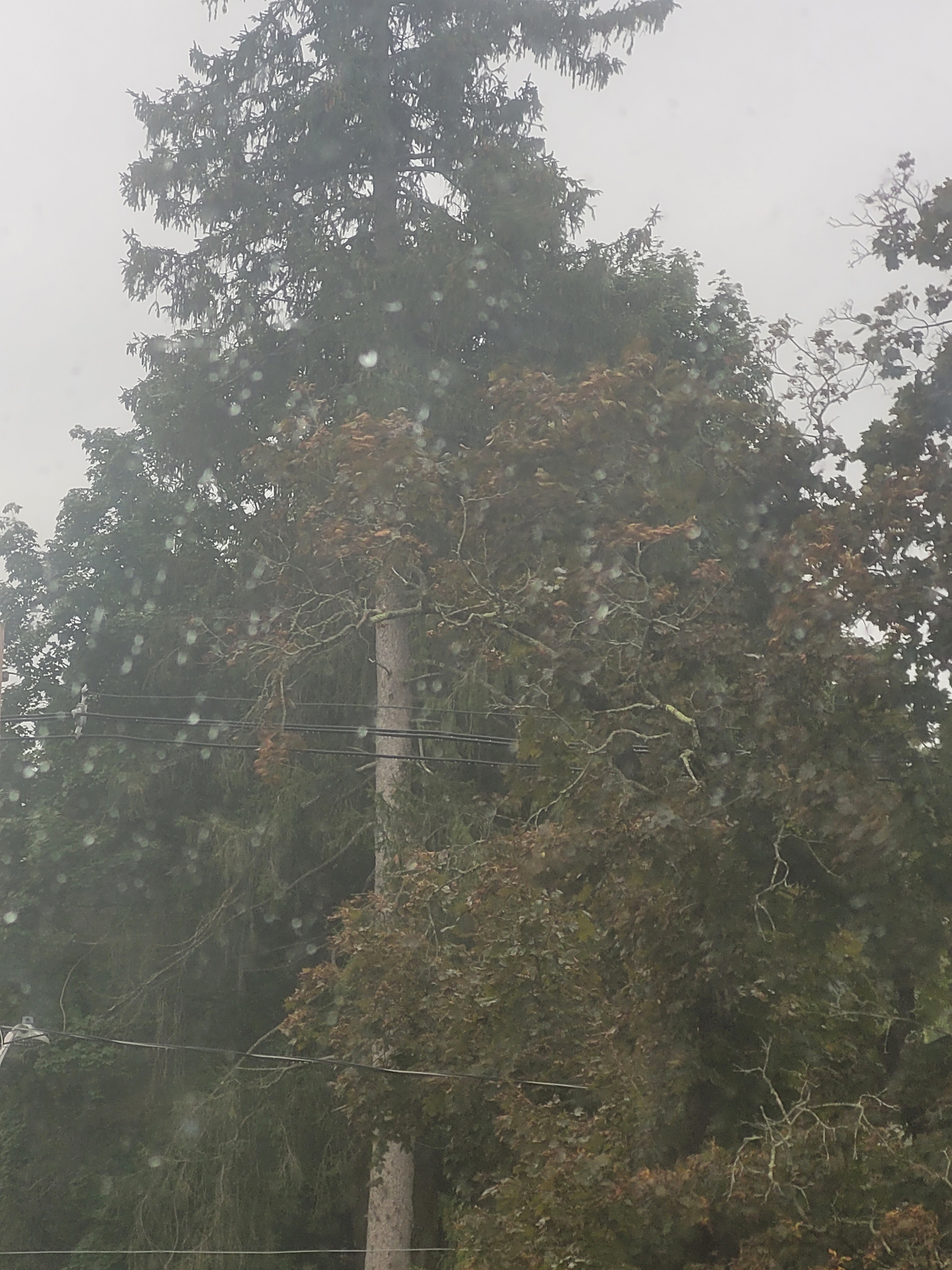
The sky is building into a rainstorm, and watching its manifestation is dramatic—nature in motion. Although there are tasks to be threaded, I’ve chosen to retire from pesky vacuuming, wood polishing, laundry, unpacking my winter clothes, and preparing for winter. The clothes are trivial to the transformation of light, outdoor porch lounging, and then the trees. When they turn naked as skinned cucumbers or buds without flowers, I think a visceral adaptation occurs in all of us.
This week unfolded over Dad. The most honorable collector of Mafia artifacts bought some of father’s collection. Years ago, I sold them to the Mob Experience for their Museum in Las Vegas (bankrupt), and the owner resold them to Julian’s Estate Sales in Beverly Hills. I viewed the items for sale; imagine your phone book selling for sixteen hundred dollars and an album of photos taken by Dad’s doll in the thirties for, well, I forget the price. Anyway, Avi Bash of the Avi Bash Collection bought what was left. When he wrote to me, I felt immediate relief that he owned these moments Dad had kept all his life. He said,” Let me know if you want to see photos or anything else.” He’s a prince of a man. That was one slice of the week. When I checked my list today of my crossed-off tasks, it was not too impressive, but sometimes we can’t produce. As I said, I’m adapting from sunshine and warmth to seasonal change.
Digitally, I fixed a few troublesome changes Microsoft made to my documents and feeds.
It’s not me of years ago—driven, disciplined, empowered, and confident. Maybe it is not worth thinking about, not for me. I think more than I act these days. Everything we do in life needs revision. We are never through evolving into more thoughtful, loving, or wise human beings. Every day, there is an opportunity to leap into a saintly hood. It is the same with manuscripts; they get better.
The next adventure in livingness is one I have lived with all my life, moving. I would love to move, even to another part of town.
The dismantling of things gives me a twisted alignment to my life. The beginning is again: unpacking boxes, meeting new neighbors, sunsets, and cafes. If I am ever to rest in one address, I’m sure it will be a headstone and a plot of dirt. I have chosen to relocate because of an internal destiny.
These are the ones I know will happen with some certainty. The inner self concerns me and how it jumps from one dream to one nightmare. When I was thirty, I was afraid of getting married; when I was forty, I was scared of not having children. Now that I am seventy-one, I am fighting another fear: the fear of singleness. But I’ve always been a loner; it just didn’t scare me when I was young.
The Rain came, Dylan is singing, and I’m planning risotto pasta for the night.
I just finished another Denzel Washington film, Man on Fire. DW is my actor of the week, so I watch all his films. An alert popped up, another mass shooting, this time in Kentucky. I wanted to delete my last column.. It’s not what is breaking me apart; personal threads seem vacuous. What I’m escaping in writing and films are mass shootings and unbearable violence. It’s not one every few months; it’s every day. Yes, cure Cancer and all other physical diseases, BUT CONCENTRATE ON CRIME, FOR CRYING OUT LOUD. MENTAL ILLNESS.
I’ve written in the genre of Creative Nonfiction, integrating the events through dialogue, journal entries, and a third-person narrative. Within three locations, Santa Fe, New Mexico, Los Angeles, California, and Saratoga Springs, NY. Greta (me) exposes the mutilation gaslighting abuse inflicts on her emotions, psychology, mental and physical health, and her finances.
The leaves, I noticed when I drove out of the driveway a wispy wind and a few leaves blew past my windshield. I don’t think they want to die or hibernate; I don’t want to hibernate; that’s what you do if you are in upstate New York. Even this summer, the porches are empty, and the owners only come out to garden or empty trash. I’m the only one who sits on the wrap-around porch, head perched up to the sky to see what drama she’ll bring.
Where did we go this summer? Where did you go or do? One friend went to Croatia, another to Finland, and another to Sonoma. I prefer to travel in September, with my crowd cowardice and fear of flying; I’m waiting. Of course, I cannot leave because I am showing the house to prospective buyers. They are all very similar, rave and applause for the house, and their offer is two lines above insulting. Or maybe I am still in my delusional dream that Follies House is worth what I priced her. It is a voyage into the Twilight Zone; I see one house, and they see another.
Back to the leaves, the fall’s language, movements, and tasks will turn inside out. Soon, the blowers and street cleaners move all those beautifully colored leaves. I leave mine out until my gardener orders me, sweetly, LouLou, it’s time for fall clean up, or you won’t have grass next summer.” I won’t be here next summer, but I don’t say that because we’ve become pals, and he likes to manicure my lawns; I always greet him and George, his helper, and listen to their grievances.
Beyond the seasonal altercation, like a dress that needs hemming, emotions stop boiling over and seem to simmer. I am still determining where that originates, but I experience it every year as September approaches. Autumn is about awe. I read that somewhere. We slip into the interior chambers of thoughtful reflection, crunching the leaves of our souls for answers to questions.
I called my pal Jerry because it had been a few weeks since I had spoken to him. We have been friends for many years, but we have absolutely nothing in common. He’s famous for his photographs and films, that’s all I can say. I didn’t ask for his approval as I write this.
” Hello,” He sounded drowsy.
” Jerry! Did I wake you?”
” Yes.”
“I’m sorry. I’ll call tomorrow.”
What for I’m awake now. I take naps because I can’t sleep through the night; I close my eyes, think for maybe an hour, fall asleep, and wake again five times in the night. What’s happening with you?”
” You are cerebral, so turning off your head would take a bulldozer or something.
“That’s a little drastic.”What’s happening with the house?”
” Showings, repairs, and a few offers that were insulting. I have a question.”
“Oh no.”
“What do you do when you don’t know what to do>”
“I call my attorney.”
” For life questions?”
” I don’t have any more questions at ninety-six.”
” That sounds peaceful.”
, We sidetracked an upcoming appointment with his doctor about sleep medication.” It’s tomorrow, I don’t feel like going,
” So don’t go. I had an appointment this week for a mammogram. That morning, I woke up trembling, panicked, wobbly, and so I called and canceled. When I told the representative I was having a severe panic attack, she laughed and said, I hear that all the time.“
“What’s the mammogram, is that for breast cancer?“
” Yes.”
” What do they do?
Oh, it’s weird. The nurse takes hold of your breasts, places them between two clamps, and then tells you not to breathe or move while they take an X-ray.
“What if your breasts are too small?”
“Ah hah, mine used to be, so they’d tug at them, and it was more painful than the clamps. When I turned seventy-one this year, suddenly they inflated, and I can fill my B cup to the rim.” He was laughing, imagining he had some visual, and that was good. We have better dreams when we sleep with pillow joy.
“I’m going to go to sleep now>”
” I hope you do. I’ll think of more breast stories tomorrow.
Shelly, Sam eating bagels, mouth open and shouting? oye
I’ve written in the genre of Creative Nonfiction, integrating the events through dialogue, journal entries, and a third-person narrative. Within three locations, Santa Fe, New Mexico, Los Angeles, California, and Saratoga Springs, NY. Greta (me) exposes the mutilation gaslighting abuse inflicts on her emotions, psychology, mental and physical health, and her finances.
Saturday, a heavy clog of humidity tries to zap my energy. I slept six hours, so I fight, do laundry, do a bit of weight lifting, go up and down the twenty stairs twelve times, and wander in my mind. I answer the first phone call of the day.
” Hi, how are you? ?”I pause to answerwith some amusing honesty.
” I’m cleaning my brain?
” How do you do that? You’re funny.”
” “I sweep away all the repetitive scary thoughts.”
” What about you? My friend sighed and then zigzagged into her struggles, taking care of her ninety-six-year-old mother, who does not speak English; my friend is Armenian. She works full-time as a court translator, has two children, a husband, and about fifty friends she continually connects to.
“You are four people in one. I don’t know how you do it?” Is your Mom still living with you?”
“ Yes, she can’t walk. She sleeps in the living room because the bedrooms are upstairs. It’s difficult. I have to feed her as she’s now refusing to eat.”
” Please try and get a nurse’s aide to come in and help you.”
“She won’t let anyone touch her but me.”
“I find that selfish, not to be critical, but you will wear yourself down.”
” She’s always been like that; in my culture, you never abandon a parent, no matter what. Her mind is sharp, so that is good.“
” Heaven isn’t good enough for you,” she chuckled. I often improvise to be amusing because her laughter is boisterous, and we all need more injections of humor.
” Have you decided where to move when it sells?”She asked again.
” Yes, I was looking at my book on Italy, all the different regions, and I think Anacapri is a good choice.”
” Oh, Greta… that is so expensive; what are you thinking?”
“I’m not thinking I’m daydreaming.”
” I have an idea for you. There is a new trend, something like Boomermates, a group of people who share a house, and you don’t have to sign a lease. Go look in San Diego and find something.
“Roommates, strangers, you mean?”
“Yes, why not?”
” Would you do that?”
” Probably not. A studio anywhere in San Diego is two thousand at least, and don’t use the proceeds from the house.
“Now you’re daydreaming. I’ll have to use some without the rental income until I find employment. Are you home now?”
“No, I’m driving to San Diego for a court appointment
“It’s what, six in the morning?“
“Yes, I wake up at five.”
” Every time I come here, I think of you. You were a great leasing agent. You leased about fifty of my units. You can get a job leasing in a nice project. Oh, you should have bought that unit. I remember G4 when we converted to condominiums.“
“Yes, you’ve told me that a hundred times.”
” I made the same mistake. What can you do?”
” Complain and then accept what you can’t accept. Like selling my home.”I went through my steamer trunk and found my marketing portfolio when I opened Follies as an artist retreat. It was nonstop theatrics. One time, I hosted a theater group of six young actors; they were so much fun. Ah, memories.
” You will make it; look what you accomplished, winning a foreclosure, Greta; that is something big.”
” So is my glass of wine.”
“I’d be doing the same in your situation.”
” Another showing, a really nice family. They’ll make an offer. They commented that the exterior paint is their issue, so did I tell you already? I found a marvelous painter from Albania, and he’s given me a very reasonable price to paint the entrance, balisters, and overhang. You know that curb appeal is critical.”
” You shouldn’t spend your money, Greta, how much?”
” Three thousand, and it’s a lot of scraping and ladder work. It’s the right decision if I may disagree with my real estate guru.”
” That is reasonable. Keep me posted. I’m in San Diego now, so I will speak to you soon.”
” Heaven isn’t good enough for you.”And I’m leaving Follies in the best I can because she was so good to me.
I’ve written in the genre of Creative Nonfiction, integrating the events through dialogue, journal entries, and a third-person narrative. Within three locations, Santa Fe, New Mexico, Los Angeles, California, and Saratoga Springs, NY. Greta (me) exposes the mutilation gaslighting abuse inflicts on her emotions, psychology, mental and physical health, and her finances.
My Favorite home must be sold. After twenty-four years, Letting go is going slow, packing, and viewing my possessions and antiques. Today, I found a matchbook in perfect condition from the Stork Club, playbills, and musical sheets. I wish I hadn’t opened my steamer trunk; it’s like looking at another woman.
I’ve written in the genre of Creative Nonfiction, integrating the events through dialogue, journal entries, and a third-person narrative. Within three locations, Santa Fe, New Mexico, Los Angeles, California, and Saratoga Springs, NY. Greta (me) exposes the mutilation gaslighting abuse inflicts on her emotions, psychology, mental and physical health, and her finances.
By MARTIN ZEILIG On the evening of June 20, 1947, less than six months after he opened the Flamingo Hotel-Casino in Las Vegas, Ben “Bugsy” Siegel died in a barrage of bullets through the front windows while sitting on a couch in his Beverly Hills mansion at 810 Linden Drive. Assassinated at the age of 41, Siegel was one of the USA’s most notorious gangsters. A former Winnipegger, Al Smiley (1907-1984) was with Siegel that evening. “My dad was seated inches away from Siegel, on the sofa, and took three bullets through the sleeve of his jacket,” said Luellen Smiley, a creative non-fiction writer, award-winning newspaper columnist, and Mob historian who lives in Sante Fe, New Mexico. She consented to an interview with The Jewish Post & News earlier this winter. “He was brought in as a suspect. His photograph was in all the newspapers,” said Luellen. “He was the only nonfamily member who had the guts to go to the funeral.” So who was Al Smiley? Born in Kiev, Ukraine in 1907 as Aaron Smehoff, Smiley and his family – father Hyman, mother Anne, sister Gertrude (who became a school teacher and lived in Winnipeg until her death many decades later), brothers Samuel and Benjamin – immigrated to Winnipeg when he was five, said Luellen Smiley, during a recent telephone interview with this reporter from her home in Sante Fe, New Mexico. “My grandfather was a kosher butcher and delicatessen owner,” she continued, noting that the family home and butcher shop was located at 347 Aberdeen Avenue. “He maintained an Orthodox household and expected that his eldest son would become a rabbi. But, my father was rebellious and interested in sports, especially hockey.” This caused conflict between the willful youth and his rigid, religious father. So, the teenager fled Winnipeg for greener pastures in Detroit, Michigan via Windsor, Ontario in 1923. He got a job travelling with the Ringling Brothers Circus and ended up in California where he was arrested for a drugstore robbery in San Francisco and sent to Preston Reformatory School in Ione, California, Luellen noted. “It was there that he met legendary movie director Cecil B. DeMille,” she said. “He was doing some sort of research for a movie. My father asked him for a job in the movie industry upon his release, and DeMille agreed. He found my dad work in a wardrobe department. He later became a property man, then a grip, the person in charge of production on a set, and eventually a producer.” He befriended celebrities like George Raft, Eddie Cantor, Clark Gable, Lauren Bacall, along with such gangster associates as Ben Siegel. “I’m pretty sure Dad met Ben through George Raft,” Luellen Smiley speculated. With Siegel’s help he opened a nightclub in L.A. sometime in the late 1930s. Smiley would later tell his daughter that Siegel was “the best friend I ever had.” In her soon-to-published memoir, excerpts of which she agreed to let this newspaper print, Luellen Smiley reveals the conflicted feelings she had growing up, and into later life too, about her father: “Some children are silenced. The pretense is protection against people and events more powerful than them. As the daughter of Allen Smiley, associate and friend to Benjamin ‘Bugsy’ Siegel, I was raised in a family of secrets. “My father is not a household name like Siegel, partly because he wore a disguise, a veneer of respectability that fooled most. It did not fool the government. “When I was exposed to the truth by way of a book, I kept the secret, too. I was 13. My parents divorced, and five years later, my mother died. In 1966, I went to live with my father in Hollywood. I was forbidden to talk about our life: ‘Don’t discuss our family business with anyone, and listen very carefully to what I say from now on!’ But one night, he asked me to come into his room and he told me the story of the night Ben was murdered. “When I was spared death, I made a vow to do everything in my power to reform, so that I could one day marry your mother. “Ben was the best friend I ever had. You’re going to hear a lot of things about him in your life. Just remember what I am telling you; he’d take a bullet for a friend. “After my father died, I remained silent, to avoid shame, embarrassment and questions. But 10 years later, in 1994, when I turned 40, I cracked the silence. I read every book in print – and out of print – about the Mafia. Allen Smiley was in dozens. He was a Russian Jew, a criminal, Bugsy’s right-hand man, a dope peddler, pimp, a racetrack tout. I held close the memory of a benevolent father, wise counselor, and a man who worshipped me. “I made a Freedom of Information Act request and obtained his government files. The Immigration and Naturalization Service claimed he was one of the most dangerous criminals in the country. They said he was Benjamin Siegel’s assistant. They said he was poised to take over the rackets in Los Angeles. He didn’t; he sold out his interest in the Flamingo, and he went to Houston to strike oil. I put the file away, and looked into the window of truth. How much more could I bear to hear? “He stowed away to America at 16, and was eventually doggedly pursued for never having registered as an alien. He had multiple arrests – including one for bookmaking in 1944, and another for slicing off part of the actor John Hall’s nose in a fracas at Tommy Dorsey’s apartment. He met my mother, Lucille Casey, at the Copacabana nightclub in 1943. She was onstage, dancing for $75 a week, and my father was in the audience, seated with Copa owner and mob boss Frank Costello. “‘I took one look, and I knew it was her,’ was all he had told me on many occasions. “On a trip to the Museum of Motion Pictures Arts and Sciences in Los Angeles, I was handed a large perfectly pristine manila envelope, and a pair of latex gloves with which to handle the file. Inside were black and white glossy MGM studio photographs, press releases, and biographies of my mother’s career in film, including roles in ‘The Secret Life of Walter Mitty,’ ‘Ziegfeld Follies of 1946,’ ‘Meet Me in St. Louis’ and ‘Harvey Girls.’ She was written up in the columns, where later my father was identified as a ‘sportsman.’ The woman who pressed my clothes, washed my hair, and made my tuna sandwiches was an actress dancing in Judy Garland musicals, while her own life was draped with film noir drama. “My father wooed her, and after an MGM producer gave her an audition, he helped arrange for her and her family to move to Beverly Hills, where she had steady film work for five years. He was busy helping Siegel expand the Western Front of the Costello crime family and opening the Flamingo casino in Las Vegas. They were engaged in 1946. “Still, the blank pages of my mother’s life did not begin to fill in until I met R.J. Gray. He found me through my newspaper column, ‘Smiley’s Dice.’ “One day last year, R.J. sent me a book, ‘Images of America: The Copacabana,’ by Kristin Baggelaar. There was my mother, captioned a ‘Copa-beauty.’ Kristin organized a Copa reunion in New York last September. I went in place of my mother, but all day I felt as if she was seated next to me. I fell asleep that night staring out the hotel window, feeling a part of Manhattan history. “Now, the silence is over. I don’t hesitate to answer questions about my family. I have photographs of Ben Siegel in my home in Santa Fe, NM, just as my father did. Every few months I get e-mails from distant friends, or people who knew my dad. “It seems there is no end to the stories surrounding Ben and Al. I am not looking for closure. I’ve become too attached to the story. To me, he was a benevolent father, a wise counselor, and a man who worshipped me.” Luellen Smiley can be contacted via email: folliesls@aol.com
I’ve written in the genre of Creative Nonfiction, integrating the events through dialogue, journal entries, and a third-person narrative. Within three locations, Santa Fe, New Mexico, Los Angeles, California, and Saratoga Springs, NY. Greta (me) exposes the mutilation gaslighting abuse inflicts on her emotions, psychology, mental and physical health, and her finances.














Leave a Comment