Luellen Smiley is a creative nonfiction writer, author, columnist, and historian whose writing is deeply rooted in a controversial personal history. She is the daughter of Allen Smiley, a close friend, associate, and business partner of notorious Las Vegas gangster Benjamin “Bugsy” Siegel. Her father was sitting only feet from Siegel when Siegel was murdered in Beverly Hills on June 20, 1947.
That extraordinary childhood history became the foundation for Smiley’s first book, Cradle of Crime: A Daughter’s Tribute, published in 2017. The memoir explores what it was like to grow up as the daughter of a man connected to organized crime while trying to reconcile her love for her father with the secrecy, fear, and criminal world surrounding him.
Smiley’s work has appeared in publications including the New York Post, MORE Magazine, Southern California newspapers, and Authorlink. She wrote the newspaper column Smiley’s Dice—Adventures in Livingness, which earned a Blue-Ribbon Award from the California Newspapers Association for her Growing Up With Gangsters columns.
Her interest in her father’s history also led her to become a researcher and commentator on organized crime history. She has participated in television, radio, and documentary interviews.
Smiley’s next book, Gaslighting Greta, will be published this year. A personal story that reads like fiction. Her own website describes the project as exploring a woman whose life is destabilized by gaslighting and psychological manipulation.
Her writing career reflects a recurring theme: using personal experience and research to uncover the truth behind complicated relationships and extraordinary lives. From the secretive world surrounding her father and Bugsy Siegel to the deeply personal territory of Gaslighting Greta, Smiley’s work transforms difficult experiences into stories of survival, discovery, and ultimately reclaiming one’s voice.
Luellen Smiley is an author whose life has given her an unusual perspective on secrecy, manipulation, family loyalty, betrayal, and survival—and she uses that perspective as the raw material for her nonfiction storytelling.
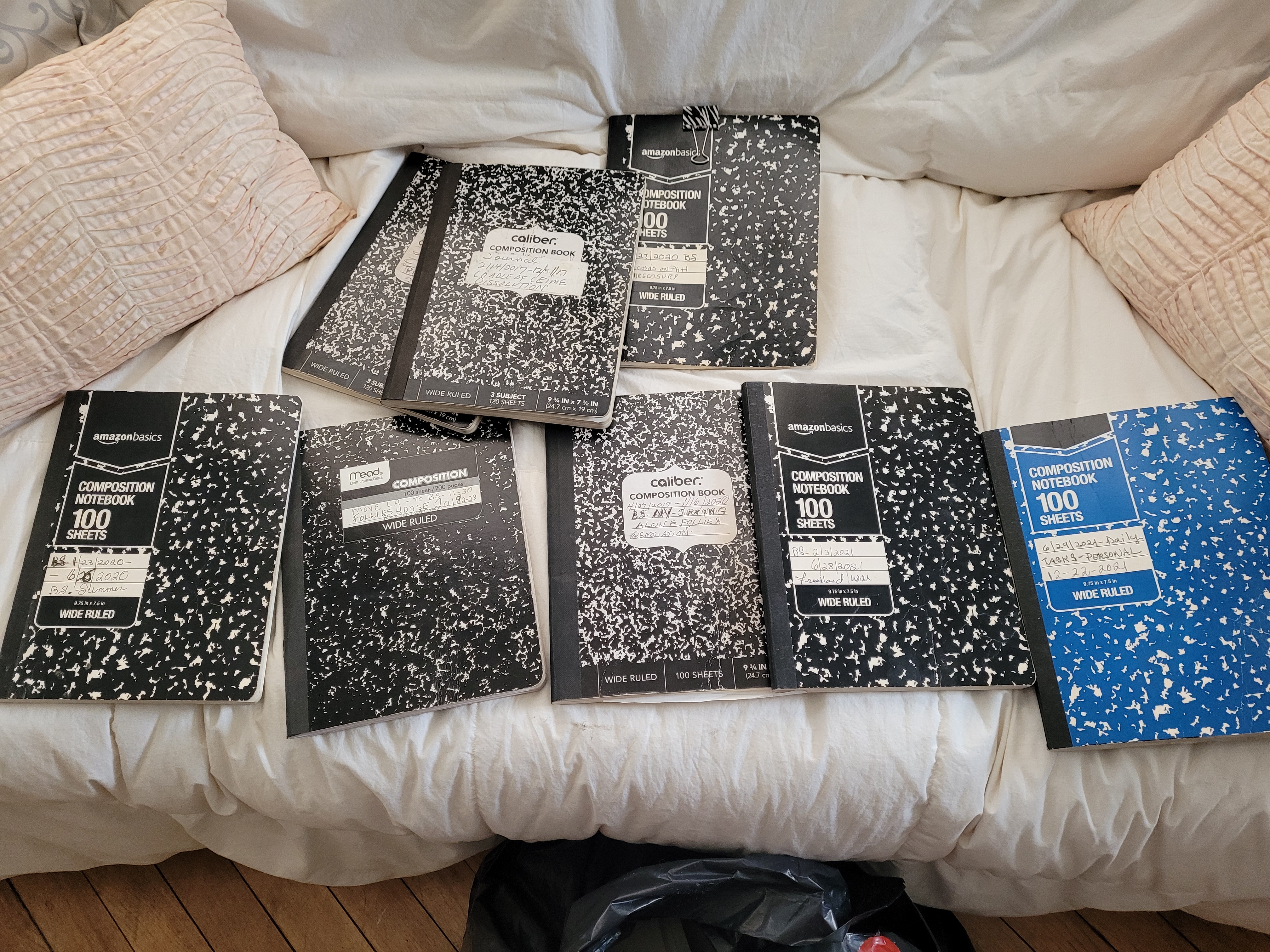
JOURNALS TO A BOOK
WHY I WROTE GASLIGHTING GRETA
Writing, like life itself, is a voyage of discovery, so I wrote Gaslighting Greta, to discover my part in the story. Not the one I lived as it was happening, the one that opened my eyes as I wrote. The outline was a cloudy mirror, notations every day on the events suspended into my life; gaslighting, lies, brokenpromises, tyrannical rages, physical assaults, all the emblems that my partner of thirty-five years disengaged. About midway into the manuscript, around page eighty, the cloudy mirror began exposing and demanding my full force of defense.
Writing Gaslighting Greta was my padded cell with friends, and doctors watching over me. If I kept writing and battling their bullets I would survive. It is now nine years later, and the manuscript is in the hands of a publisher’s editor. So, I have been rewriting this on and off for close to a decade.
I admit that the liberation of, it is published! will be a surprise. Not all writers understand the motive until it is over.