Luellen Smiley is a creative nonfiction writer, author, columnist, and historian whose writing is deeply rooted in a controversial personal history. She is the daughter of Allen Smiley, a close friend, associate, and business partner of notorious Las Vegas gangster Benjamin “Bugsy” Siegel. Her father was sitting only feet from Siegel when Siegel was murdered in Beverly Hills on June 20, 1947.
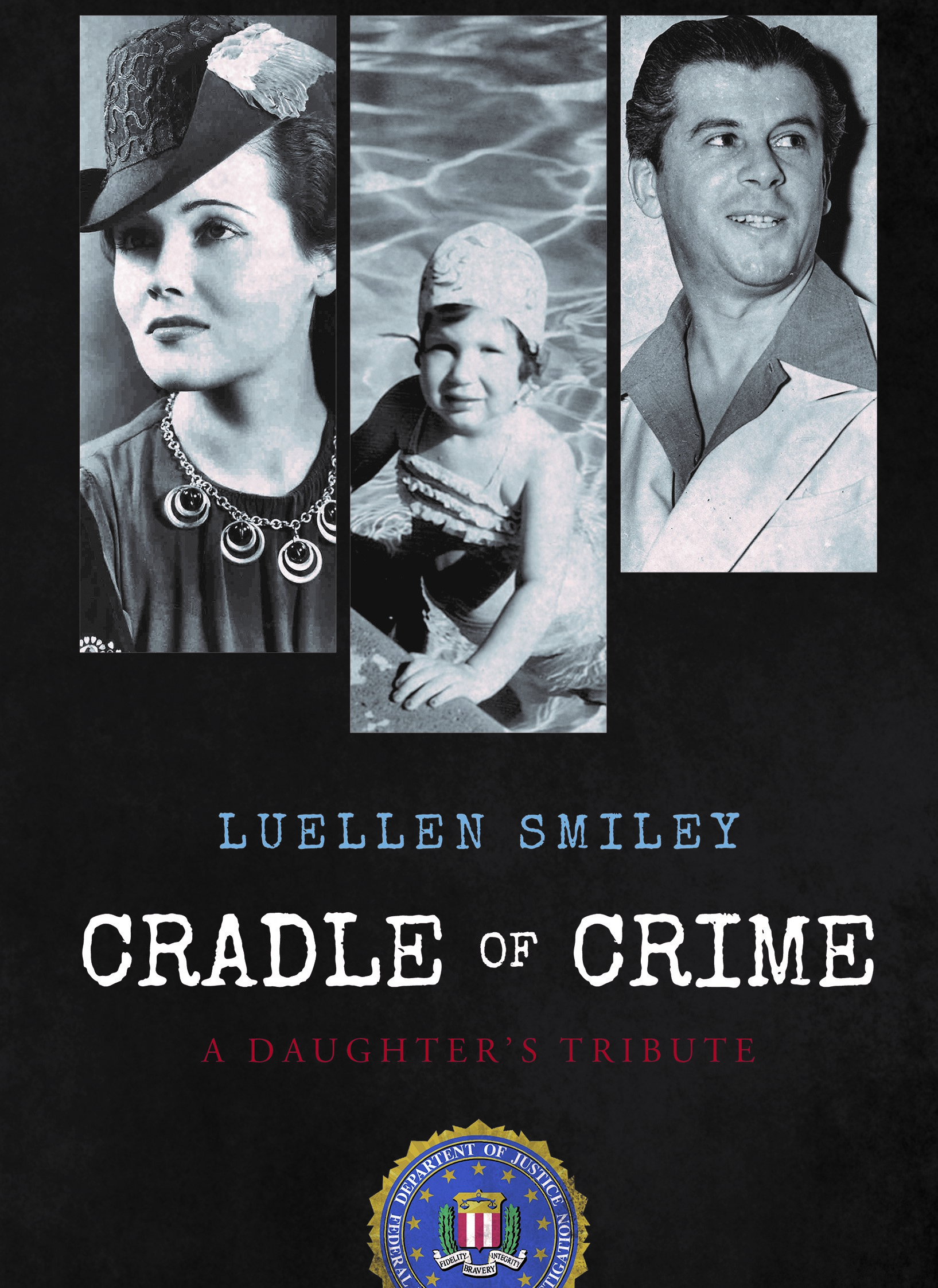
That extraordinary childhood history became the foundation for Smiley’s first book, Cradle of Crime: A Daughter’s Tribute, published in 2017. The memoir explores what it was like to grow up as the daughter of a man connected to organized crime while trying to reconcile her love for her father with the secrecy, fear, and criminal world surrounding him.
Smiley’s work has appeared in publications including the New York Post, MORE Magazine, Southern California newspapers, and Authorlink. She wrote the newspaper column Smiley’s Dice—Adventures in Livingness, which earned a Blue-Ribbon Award from the California Newspapers Association for her Growing Up With Gangsters columns.
Her interest in her father’s history also led her to become a researcher and commentator on organized crime history. She has participated in television, radio, and documentary interviews.
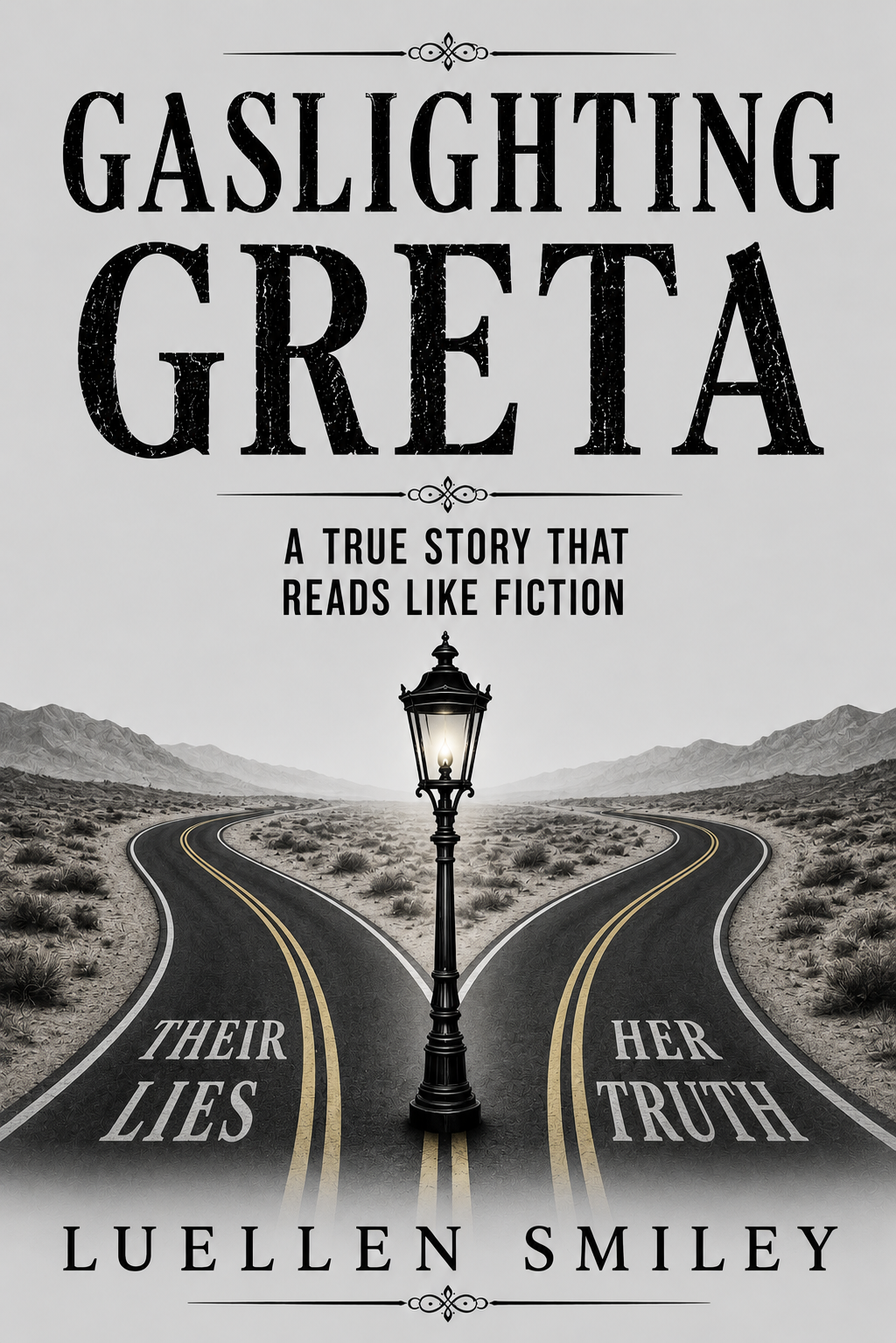
Smiley’s next book, Gaslighting Greta, will be published this year. A personal story that reads like fiction. Her own website describes the project as exploring a woman whose life is destabilized by gaslighting and psychological manipulation.
Her writing career reflects a recurring theme: using personal experience and research to uncover the truth behind complicated relationships and extraordinary lives. From the secretive world surrounding her father and Bugsy Siegel to the deeply personal territory of Gaslighting Greta, Smiley’s work transforms difficult experiences into stories of survival, discovery, and ultimately reclaiming one’s voice.
Luellen Smiley is an author whose life has given her an unusual perspective on secrecy, manipulation, family loyalty, betrayal, and survival—and she uses that perspective as the raw material for her nonfiction storytelling.
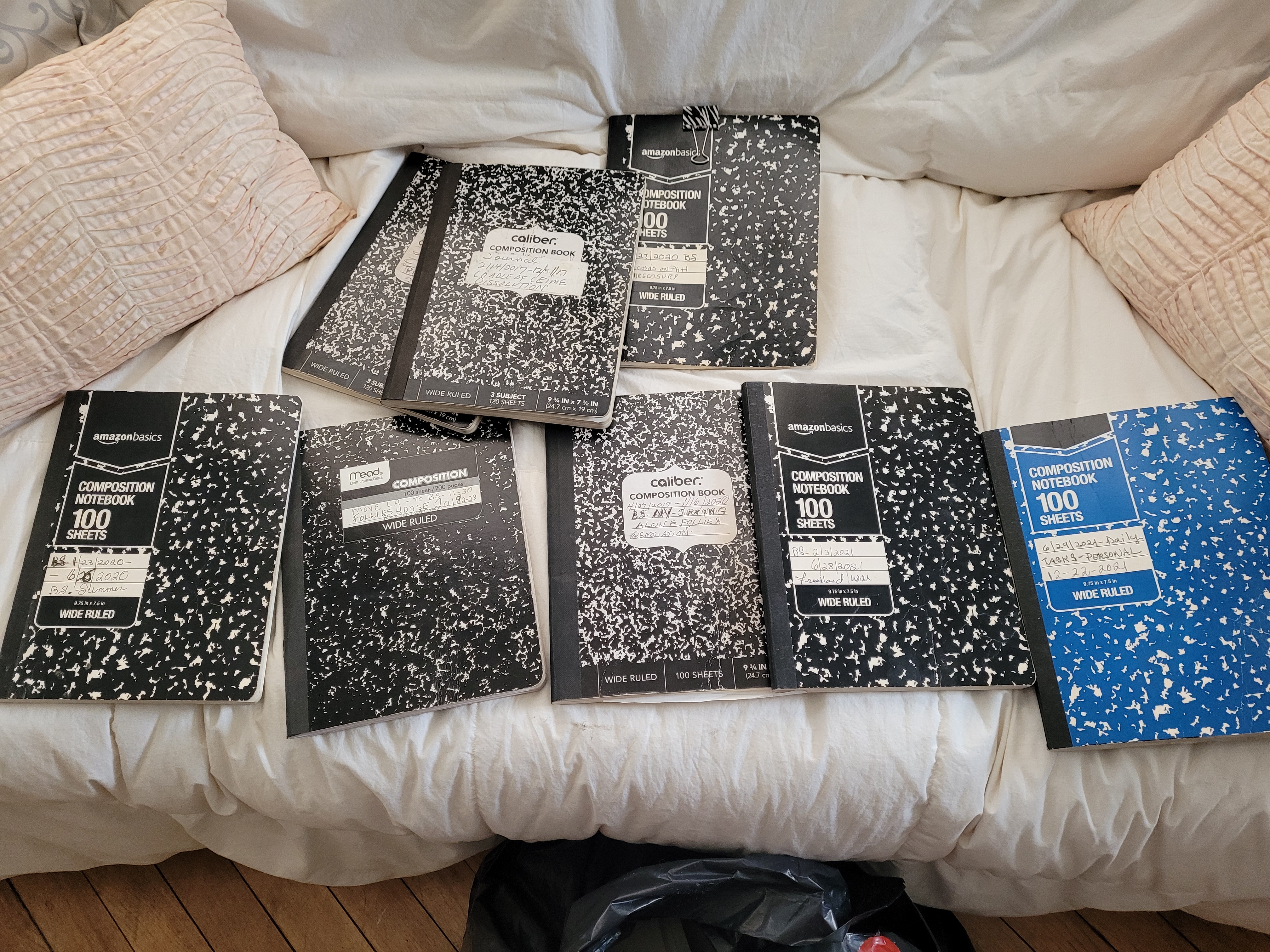
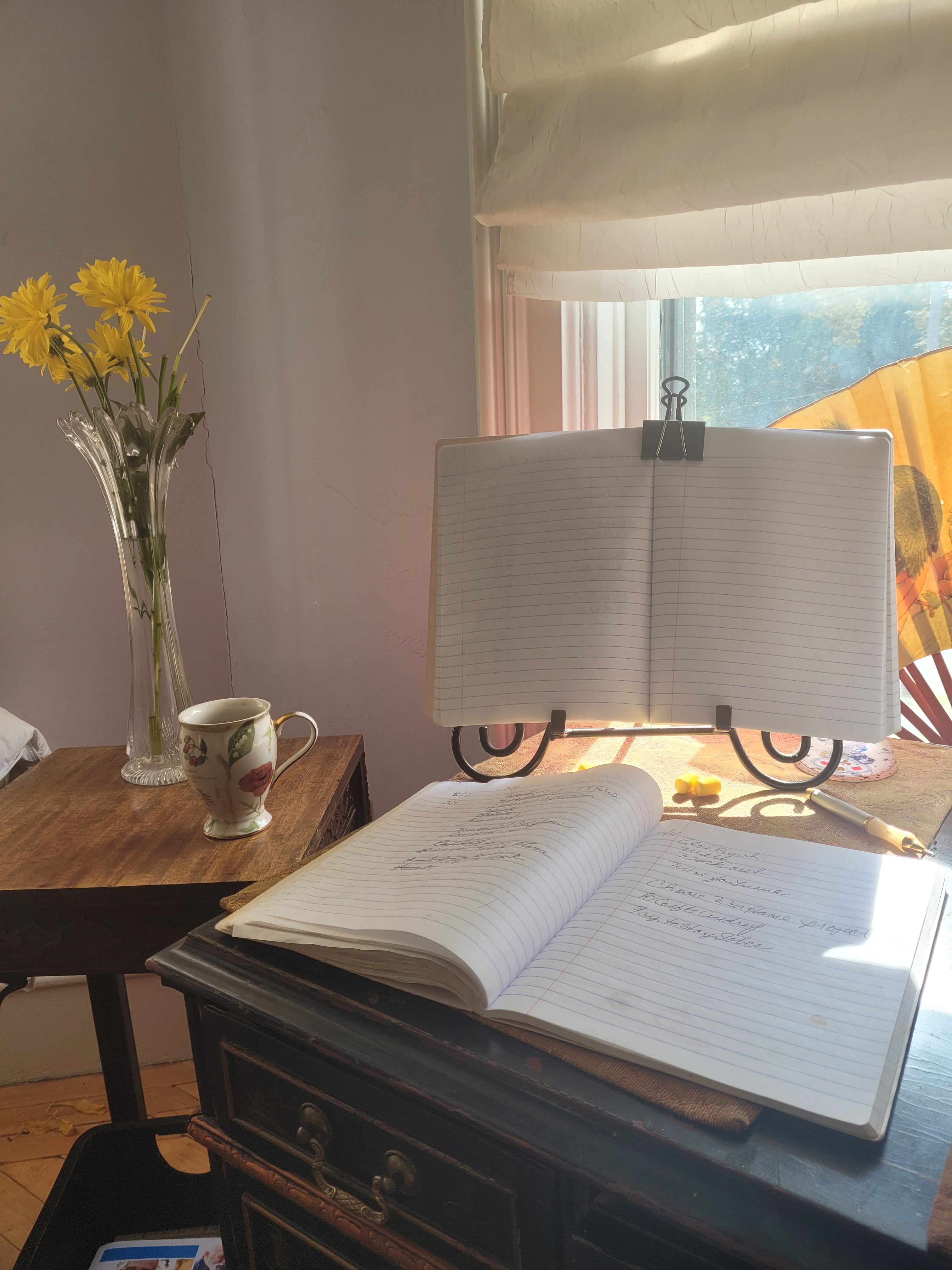
Writing, like life itself, is a voyage of discovery, so I wrote Gaslighting Greta, to discover my part in the story. Not the one I lived as it was happening, the one that opened my eyes as I wrote. The outline was a cloudy mirror, notations every day on the events suspended into my life; gaslighting, lies, brokenpromises, tyrannical rages, physical assaults, all the emblems that my partner of thirty-five years disengaged. About midway into the manuscript, around page eighty, the cloudy mirror began exposing and demanding my full force of defense.
Writing Gaslighting Greta was my padded cell with friends, and doctors watching over me. If I kept writing and battling their bullets I would survive. It is now nine years later, and the manuscript is in the hands of a publisher’s editor. So, I have been rewriting this on and off for close to a decade.
I admit that the liberation of, it is published! will be a surprise. Not all writers understand the motive until it is over.
I’ve written in the genre of Creative Nonfiction, integrating the events through dialogue, journal entries, and a third-person narrative. Within three locations, Santa Fe, New Mexico, Los Angeles, California, and Saratoga Springs, NY. Greta (me) exposes the mutilation gaslighting abuse inflicts on her emotions, psychology, mental and physical health, and her finances.
I’ve written in the genre of Creative Nonfiction, integrating the events through dialogue, journal entries, and a third-person narrative. Within three locations, Santa Fe, New Mexico, Los Angeles, California, and Saratoga Springs, NY. Greta (me) exposes the mutilation gaslighting abuse inflicts on her emotions, psychology, mental and physical health, and her finances.
Author Luellen “Loulou” Smiley turns an extraordinary experience of deception, discovery, love and forgiveness into a riveting new memoir.
COMING SOON — How far can a lie travel before the truth finally catches up with it?
In Gaslighting Greta, author Luellen “Loulou” Smiley takes readers inside a deeply personal story where what appeared to be true—and whom she believed she could trust—slowly began to unravel.
What follows is not simply a story about gaslighting.
It is a story of suspense, inconceivable mystery, humor, self-reckoning, love and, ultimately, forgiveness.
Smiley recounts the experience with the perspective of a woman forced to examine not only the actions of others, but her own instincts, choices and understanding of what was happening around her. The result is a memoir with the tension and unexpected turns of a psychological novel—except it happened.
“A PERSONAL TRUE STORY THAT READS LIKE FICTION.”
Gaslighting Greta also marks the latest work from Smiley, author of Cradle of Crime — A Daughter’s Tribute, her memoir exploring her father’s extraordinary history through FBI files, court testimony, government surveillance records and her own experience as his daughter.
With Gaslighting Greta, Smiley turns the lens inward.
The book explores a question many people eventually confront in one form or another:
What happens when you discover that the story you have been living isn’t the story you thought it was?
Rather than presenting herself simply as a victim of deception, Smiley examines the far more complicated territory of recognizing the truth, reckoning with herself, finding humor amid the unbelievable, and deciding what comes after the discovery.
The result is a story about far more than gaslighting.
It is about trust. Truth. Friendship. Human vulnerability. And the surprising power of forgiveness.
Gaslighting Greta is forthcoming.
ABOUT THE AUTHOR
Luellen “Loulou” Smiley is an author and memoirist whose work draws upon remarkable true events and the people caught inside them. Her previous book, Cradle of Crime — A Daughter’s Tribute, explored the intersection of family, organized crime and American history from the unique perspective of a daughter uncovering her father’s past.
In Gaslighting Greta, Smiley brings that same determination to uncover the truth to an intensely personal story—her own.
MEDIA / REVIEW / INTERVIEW INQUIRIES
Luellen “Loulou” Smiley Author, Gaslighting Greta [Email address: loulousmiley@yahoo.com Website: loulousmiley.com- under construction.
Publication date: To be announced Review copies: To be announced
I’ve written in the genre of Creative Nonfiction, integrating the events through dialogue, journal entries, and a third-person narrative. Within three locations, Santa Fe, New Mexico, Los Angeles, California, and Saratoga Springs, NY. Greta (me) exposes the mutilation gaslighting abuse inflicts on her emotions, psychology, mental and physical health, and her finances.
Greta, in our last discussion this fall, is when the trunk of truth took center stage. She acknowledged her inability to contribute financially to the mortgages. ‘ I could have sought employment in another gallery, or worked in the hotel, but I was determined to be independent, to develop profits with vacation rentals, long-term rentals, and then to sell. I was pointedly wrong. I’ve been scolding and admonishing myself for five years, and I don’t know when this will stop.’ Greta did not allow self-punishment to end. The more she turned off the outside world, let her thoughts free to roam, she felt debased. She had not taken notice of the signals from Dodger, how depressed and disgusted he was with their financial ambiguity.
I’ve written in the genre of Creative Nonfiction, integrating the events through dialogue, journal entries, and a third-person narrative. Within three locations, Santa Fe, New Mexico, Los Angeles, California, and Saratoga Springs, NY. Greta (me) exposes the mutilation gaslighting abuse inflicts on her emotions, psychology, mental and physical health, and her finances.
A thirty -five-year bond broken by, sudden estrangement, psychological abuse, foreclosure, and gaslighting. Financial and legal burdens are presented in dark humor while tracking Greta’s will to survive through the power of friendship.
Gaslighting Greta is a suspenseful and deeply personal true story about the mysteries people create, the truths we sometimes resist, the enduring power of love, and the unexpected freedom found through self-reckoning and forgiveness.
I’ve written in the genre of Creative Nonfiction, integrating the events through dialogue, journal entries, and a third-person narrative. Within three locations, Santa Fe, New Mexico, Los Angeles, California, and Saratoga Springs, NY. Greta (me) exposes the mutilation gaslighting abuse inflicts on her emotions, psychology, mental and physical health, and her finances.
Pip: There’s a site called Adventurers in Livingness, and that title is doing exactly the work it promises — no hedging, no irony, just a full commitment to the examined life.
Mara: LouLou’s writing here pulls from journal entries and a work-in-progress book, and today we’re sitting with one piece — the insomnia of separation, what it costs, and what it reaches for.
Pip: Let’s start with the 3 a.m. accounting.
Insomnia, Separation, and the Geometry of Longing
Mara: The post opens with a claim about emotional posture — that a fractured life shapes how we carry ourselves the same way physical posture does, and that the antidote isn’t neutrality but active love.
Pip: And the specific image that anchors it is the racetrack. She writes: “My heart is at the starting gate to love again, but the racetrack is missing.”
Mara: That’s the whole tension of the piece in one line. The readiness is there. The context for it isn’t. And what follows is an inventory of exactly what that missing context looked like — the particular textures of a particular partnership.
Pip: The list that comes next is where the writing earns its keep. It’s not abstract longing — it’s forensic. The shoulder a head bows to. The laughter that erupts in spontaneous passion. The man who finds humor in her attempts to open bottles with a dull spoon.
Mara: That specificity is the point. She’s not mourning a category of companionship. She’s mourning the precise choreography of one relationship — “feeling his eyes in a crowd, undressing or admiring me, for some folly or expression.”
Pip: Inventory as elegy. It’s a genuinely old form and she uses it without apology.
Mara: She brings in Henry Miller to close the emotional argument — from Henry Miller on Writing, the line: “Whoever greatly suffers must be, I suppose, a sublime combination of a sadist and masochist.” Her response to it is dry and immediate: “I think he’s looking at me.”
Pip: Self-recognition without self-pity. That’s a harder balance than it looks.
Mara: The piece ends in a different register entirely — outdoors at twenty degrees, three years of a doctor urging flu shots, her steady refusal, and his chuckle when she explains she hasn’t had a cold since 2012. It’s a side-step into the ordinary, and it lands as relief.
Pip: The body keeps its own ledger, separate from the heart’s.
Mara: What stays with me is that the piece refuses comfort without refusing warmth.
Pip: Longing that precise is its own kind of presence. More from this corner of livingness next time.
I’ve written in the genre of Creative Nonfiction, integrating the events through dialogue, journal entries, and a third-person narrative. Within three locations, Santa Fe, New Mexico, Los Angeles, California, and Saratoga Springs, NY. Greta (me) exposes the mutilation gaslighting abuse inflicts on her emotions, psychology, mental and physical health, and her finances.
I just came across this post and thought maybe a writer in waiting will read this and keep on truckin!
IN NOVEMBER OF 2005 I reserved a space at the San Francisco Writers Conference. I was nervous and edgy when I boarded the plane. My pitch proposal, pitch suit, and pitch necklace, were tucked inside my suitcase. The pitch convinces an agent or publisher, that you know your subject well enough to feel one hundred percent confident. It may sound irrational that a writer could work five years on a book and not know what it is about. As an emerging writer I view my work through a kaleidoscope lens. I see multiple themes, subplots, and messages, and they change with each reading. Then there are loose knots of personal misery, lost versions and rejections ringing in my ears. My pitch has to convince an agent, that at least 5,000 people will buy my book. The pitch suit is the outfit you wear for an interview; only for writers, the guidelines are very loose. Some writers wear their narrative. I brought my tailored, looking successful, pants suit. My pitch necklace is a gold Buddha medallion that my father had designed for my mother. I wear it for good luck and because I know the necklace has survived all the family tragedies. The conference is at the St. Francis Hotel at Union Square.
OLYMPUS DIGITAL CAMERA
It was pouring when I arrived. The staff at the front desk greeted me with musical familiarity. Every time I swished by they called out, “Hello, Ms. Smiley.” I imagined them as a chorus singing my name. I arrived one day early to pace the galleries, cafes, museums and Saks. After the first night, I had to switch rooms. I was directly above the street dumpsters, where for hours the chugging of trash kept me awake. I moved frantically, to scoop everything up and not miss a moment of San Francisco. After switching rooms, I dashed over to the Espresso Bar. It faces the corner of Powell and Sutter. Outside, the streetcars clanged by, passengers dangling from the bars like vines on a tree. In between the tracks, workers both blue and white-collar, and some without any collar at all, jammed the sidewalks on foot, bicycle, moped and skateboard. With phones and iPods attached, eyes alert, they buzzed on the vibe of Saturday, moving like musical notes in a symphony.
OLYMPUS DIGITAL CAMERA
In the café an elderly woman wearing a SFWC name tag was seated next to me. I noticed she positioned her book on the corner of her table. She looked overwhelmed and frightened. As I introduced myself she smiled courteously, and said she was a neurotic housewife all her life and didn’t have much to write about, so she wrote about her husband’s war stories. I told her she should write about the neurotic housewife. Just as I was leaving, she stopped me and thanked me for speaking to her. “There’s always a guardian angel around.” Her voice lingered in my thoughts all weekend. At six o’clock that evening, I was gliding around my room dressing for the gala. I reached for my jewelry bag. It was gone. The weekend was ruined! I would never get published, I’m too wired, too reckless, too distracted. I called the front desk. Heather said she would call me back. Bang, bang, bang, went my shoe against the bed frame. Then the phone rang. “Hello, Ms. Smiley. I’m sending the bellman up with your jewelry.” I answered the door recoiling with pained joy. The bellman listened attentively. I rushed upstairs to Harry Denton’s Starlight Room. There I began wine tasting with Maggie, Peg and George; three new comrades in a room of hundreds. I spent the next day among more comrades, writers with unpublished stories, books, and works-in-progress. I listened to panels of writers; agents and editors discussed the fateful downward spin of publishing and upward battle towards reward. We sat in our chairs looking overly anxious, taking copious notes, and waiting for answers to our questions. At the end of the panel discussion we all lined up to meet the agents and editors. While we stood in line we met each other. “What’s your story about?” the woman behind me asked. “Growing up with gangsters,” I replied. “ Oh well! That will get you an agent.” “ I hope so.”
During the conference, I experienced a lucky throw of the dice. I met one of my mentors; Joyce Maynard. Her book, “At Home in the World,” is on my beside table. Joyce was published in the New York Times when she was sixteen years old. JD Salinger read the piece and invited her to live with him. Joyce’s story will send you back to reading Nine Stories. As I progressed through the circle holding my pitch stick, the fear and apprehension subsided just a tiny bit. Three agents responded; ‘send me your manuscript.’ Naturally when I returned home, my hands were tied to editing. I rushed through, did not employ someone to copy-edit, and then ran about announcing my almost to be signed contract. Three months later I recovered from the rejections and began another rewrite and another until today, when I am on my fifth manuscript. This one feels right because I am not rushing through it expectant of publication; this time I know it will be published.
I’ve written in the genre of Creative Nonfiction, integrating the events through dialogue, journal entries, and a third-person narrative. Within three locations, Santa Fe, New Mexico, Los Angeles, California, and Saratoga Springs, NY. Greta (me) exposes the mutilation gaslighting abuse inflicts on her emotions, psychology, mental and physical health, and her finances.
Every morning I rise at dawn to sit in the parlor. Here I watch the sunlight illuminate the, “Cat on a Hot Tin Roof” movie board in the hearth, and drink a cup of coffee in silence. I feel at home. These are the most precious moments of the day, the moment of peace before throwing the dice.
I can see out the window to the street, and this morning a handful of eggplant leaves on the tree next door have been autumnized to a transparent sheen of bronzed gold. The silence following summer has descended down over the rooftops of the people that live on East High Avenue. The sky is seared with streaks of white, and bubblegum pink clouds drift just above the rising of the sun. The moment is a peaceful stroke to a summer that has been indeterminate, chancy and without design. We came here with the intention to sell the house, and we leave without any such idea.
In the moments SC awakes, I hear his footsteps on the creaking wood floor. I close the journal and go in the kitchen to make buttermilk pancakes. When we are in Solana Beach, we eat bran muffins, usually in short order, between telephone calls, and conversations about things that it is too early to discuss. These mornings he lingers on the porch and reads the paper, because he has the time. If my body is willing, I will run down to the stream by Kelly Park, and look for the blue heron. Along the way, I pass by the quiet man with the three beagles, and a mother walking with her children to the bus stop. I will pass the funeral parlor and look the other way, and when I see the Federal Express Truck, he will wave because he knows I am the woman that receives mail addressed to Soaring Crow.
The front porches I pass are the opening pages to the home stories of people inside. If there are children, the remains of their toys will be scattered about. If they are elderly, they will leave their gardening shoes by the back door, and if they are a young couple, they will be in the midst of home repairs, a roof that needs fixing or a new coat of paint. I have observed just one campaign poster board in the neighborhood. It seems to have gone out of style to post your politics on your car or in front of your house. In the front yard of one home, a banner is pitched in the ground that reads, “Remember our Troops.” I have not asked, but it is probable they have a son serving in Iraq. The hanging flower planters have been replaced with mums and corn stalks. Some scatter straw on the lawn. I used to giggle at this September tradition, now I am almost giddy about arranging my seasonal display in the yard.
The run back through town takes me by the high school, a brawny brick building that looks like the setting for a chapter from “Catcher in the Rye.” A teacher passes by, dressed in a conservative suit and pumps, and smiles. She looks wholesome as apple pie, and I wonder if I ever looked like that. On chilly mornings, the fireplaces may be smoking, a scent as perfect as my favorite perfume. Our own fireplace is inoperable until we reline the chimney, which explains why the movie poster is in the fireplace.
By 8:00 a.m. the yellow school buses are chugging up the street and the children, gathered at our corner; bob up and down in innocent bursts of energy celebrating the beginning of a new day. I arrive home about this time, and stop to watch the quaintness of the moment. The habitat of these surroundings strips me bare of my Hollywood entertainment, Southern California roots. I am nourished by quaint tradition and scenery, and that is one answer to this mystery I call home.
I eat cider donuts when I want and instead of working out three or four times a week, I take long walks, past the Sunny Side farms to see the young foals and mothers in the corral. I dress in style-less shoes and pants, whenever I feel like it, without fashion consciousness. I do not watch the television and prefer to go to bed early and read Carson McCullers novels. If I wake up in the middle of the night, I can sit on the porch and look at the hands of a storm forming in the sky.
People come to my house without notice, and sometimes just walk in and yell my name. My favorite Broadway hangout knows who I am, what kind of wine I like and that we like to sit on the patio. Sometimes I meet strangers who have heard of the Follies House, and I feel a twinge of acknowledgment.
It does not matter what everyone else calls home, it is simply the feeling of peace, security, and acceptance. That is how you know you are home.
I’ve written in the genre of Creative Nonfiction, integrating the events through dialogue, journal entries, and a third-person narrative. Within three locations, Santa Fe, New Mexico, Los Angeles, California, and Saratoga Springs, NY. Greta (me) exposes the mutilation gaslighting abuse inflicts on her emotions, psychology, mental and physical health, and her finances.
I’ve written in the genre of Creative Nonfiction, integrating the events through dialogue, journal entries, and a third-person narrative. Within three locations, Santa Fe, New Mexico, Los Angeles, California, and Saratoga Springs, NY. Greta (me) exposes the mutilation gaslighting abuse inflicts on her emotions, psychology, mental and physical health, and her finances.
After spending several summers at Saratoga Race Track, I discovered I loved thoroughbred horseracing. All my life, I’ve been a spectator of the performing arts. I never watch any sports on television, and I only attend baseball games when my father needs a companion. The art of performance is what led me to experience the racetrack as live theatre.
The racetrack is the stage, the jockeys’ are the actors, and the men and women who fill the bleachers, picnic grounds, Turf Club, and private boxes are the audience. The racehorse is the star celebrity.
The admission tickets, like any show, are based on your seating. You can walk through the gates for $3.00, or you can buy a Box for $100,000 a year. The collage of human emotions, drama, suspense, and danger, are key components to good theater.
Gambling personifies the Shakespearean twist of the racetrack. High rollers and drugstore cowboys wager to win. Some men walk out with a grocery cart of recycled cans, some walk out with enough money to buy a racehorse. They leave by the same gate, and the next day, they come back for more. But why, I ask, is thoroughbred racing not considered an all-around American sport? Why don’t jockeys get athletic respect? These two spheres of lightning truth struck me while I trampled through the mud, one rainy August day at Saratoga Racetrack.
I asked around for opinions. The Governor’s bodyguard remarked that it was a good question. He did not think gambling was the reason, because people bet on sports all the time. He thought maybe that it was because as kids we don’t learn to race horses, like baseball and football. “The public is naïve about Jockeys, because they have never raced.” Another answer I heard was that 200,000 fans fill a ballgame on any given day, and that those numbers don’t compare with horseracing.
I’m not a bettor, and I don’t ride very well, but I am a drama whore. I took my notebook to the Jockeys’ room to ask the Jockeys’ what they thought about this irregularity in sports. Jose Santos had a few minutes to spare.
“Jose, do you feel like America thinks of you as an athlete?”
“We don’t get the respect that we should. I think it’s the gambling. This is the greatest racetrack in America, and there is gambling in every sport, but when you come to the track, you see it right there, and people cannot avoid it. Pound for pound, we are more fit than most athletes.”
I asked Jose what he does aside from riding. He jogs three miles every day, and walks for a mile. He reminded me that if he goes down with the horse, his strength is what gets him back up again. Another misconception is that jockeys only ride for 2 minutes. Well, the race is 2 minutes, but they ride every day of the year. They do not take breaks.
“How does the public perceive you?” I asked.
“In Europe they are treated like movie stars, over here the Jockey is just another person, and in sports, the Jockey is low. I wish we had more respect, but we don’t get the publicity.”
This feels like the guts of the truth; our little minds like to align with other like minds. The leaders of the pack go to football and baseball, and the media follows behind.
Jose remarked that the only time he felt real enthusiasm and support was when he won the Triple Crown. Otherwise, they get a little column in the paper with the results. “The Racing Form is 100 pages, and nothing is written about us.”
“What if there was a Jockey Magazine?”
“Well, that would be great, then the companies would be interested, and we’d get sponsors. When I go out to the park and run, I wear Nikes.” He chuckled, and I lowered my head in shame. My bet is that this can, should, and will change.
I’ve written in the genre of Creative Nonfiction, integrating the events through dialogue, journal entries, and a third-person narrative. Within three locations, Santa Fe, New Mexico, Los Angeles, California, and Saratoga Springs, NY. Greta (me) exposes the mutilation gaslighting abuse inflicts on her emotions, psychology, mental and physical health, and her finances.
Weaving together events witnessed personally and those gleaned from friends, associates, historians, FOIPA, INS and archives of the Department of Justice, author Luellen Smiley’s memoir is a brief, heartfelt genuine reconstruction of family’s relationships of the past that neither dwells on nor dramatizes the true image of her father Allen Smiley, his allegiance to Benjamin ‘Bugsy’ Siegel and the criminal world.
Author Luellen Smiley details her childhood and growing up days as a gangsters daughter- elusive as it may be by immersing her readers through intriguing happenings of everyday and events of the bygone years that justify her fathers masked behavior and restrictions for his adored daughter.
Definitely ‘Cradle of Crime: A Daughter’s Tribute’ is a straight forward homage to a father and a triumphant tale of a daughter who broke barriers of secrets to reach the hardcore reality through her hardship and research. A not-to-be missed 5 star read ‘Cradle of Crime: A Daughter’s Tribute’ is a book for those who care for family morals and values and are willing to accept poignant twists in one setting. Highly recommended.
I’ve written in the genre of Creative Nonfiction, integrating the events through dialogue, journal entries, and a third-person narrative. Within three locations, Santa Fe, New Mexico, Los Angeles, California, and Saratoga Springs, NY. Greta (me) exposes the mutilation gaslighting abuse inflicts on her emotions, psychology, mental and physical health, and her finances.
A candid and enthralling memoir, CRADLE OF CRIME – A Daughter’s Tribute is the debut release from Luellen Smiley and it proves one of the most gripping and powerful books in its genre. Certainly no mean feat, given the swelling number of similarly themed offerings but Smiley does well to distinguish hers with painstaking research, a broad narrative sweep and intellectual grip to deliver a fascinating and revealing read, for the events it covers.
The storytelling isn’t redemptive with much of the most compelling material in this book being intensely personal but it is a very human story that dispels hype and myth and gives us a telling glimpse of a remarkable life. Weaving together several stories it makes a vivid and notable contribution to the mafia debate which invariably swings between the codes of honor and family values so often portrayed on the silver screen to a brutal criminal organization focused only on the accumulation of wealth. In contrast, Luellen finds a far more equitable balance in her reflections, and it makes for a genuinepage-turner.
Extremely well written, fans of this ever popular genre will find CRADLE OF CRIME – A Daughter’s Tribute a fascinating read and it is recommended without reservation.
I’ve written in the genre of Creative Nonfiction, integrating the events through dialogue, journal entries, and a third-person narrative. Within three locations, Santa Fe, New Mexico, Los Angeles, California, and Saratoga Springs, NY. Greta (me) exposes the mutilation gaslighting abuse inflicts on her emotions, psychology, mental and physical health, and her finances.