
FREESTYLING SINGLE


         THE GYPSY CHRONICLES – Day 10.

Scintillating in luxury and comfort is therapeutic if mastered with moderation. So, my second week here in the hotel, I opened the thruway to discerning tasks: a deep dive into publishing my book, rewriting the ending so art isnโ€™t imitating life, but the other way around, searching for part-time employment, a seriously pragmatic approach to where to move, and writing my pop-up columns. 

It is tremendously easy to write from this hotel room, without those damn barking dogs next to my home, the constant vibration and noise of mowers, blowers,  and city works.

On my desk is Henry Millerโ€™s book, On Writing, and every page moves the mental nerves in some way.  โ€œThe writer lives between the upper and lower worlds: he takes the path in order eventually to become the path itself.โ€  From living in isolation in my home, my tenants are cordial but reserved; I am now swept like a surfboard into a wave of public swells.  It is their stories that come out of this experience.

I begin with the Casino, attached to the hotel lobby, and open at 11 am. Arrivals begin: gamblers shuffle inside, some in wheelchairs, younger men with speedy strides, couples, single women, a plethora of humanity in common, with one mission: to win. I take a seat at the bar, and eye wonder at the slot machines. I havenโ€™t counted them, but the room for walking is limited.  There is one machine with the motif of a bull, and when someone sits, the bull grumbles loudly, so I pull out my earplugs.  I watched one man win, and after he left, other players who heard the winning clang took his seat. It is a popular machine.

The casino looks to be around eight thousand square feet, with seventeen hundred gambling options.  The path to get back to the hotel, I have to navigate around and around. The first time, of course, I went in circles as my sense of direction is like a butterfly’s. 

โ€œ Excuse me, can you tell me the most direct way back to the hotel?โ€

โ€œ Lost are you? Follow this carpet pattern, the one in the middle, and it will take you back.โ€

Off I trot, staring at the paisley pattern, through six different arenas to the hotel. I went outside and took a seat on the bench.  A woman passed by and stopped, โ€œ How are you?โ€™

โ€œAdapting, Iโ€™ve not been here but a few days.โ€

โ€œ Oh, weโ€™re just checking out. I canโ€™t wait to get home to my Pomeranians. I have two. I rescued them, and they are my babies,” she continued, talking about the dogs. As she spoke, I noticed how immensely liberated she was in conversation, and how her hair matched her outfit. She smiled while talking.

โ€œ Iโ€™ve seen you before. I noticed your style; you were wearing such a pretty outfit”, she said earnestly.

โ€œ Well, thank you, and so are you.โ€

โ€œ Are you alone? I think you are, but donโ€™t let that get you down.โ€

โ€œ I wasnโ€™t ready for a very long time. I’m crossing over that mountain, only Iโ€™m not like you. I canโ€™t approach people the way you just did.โ€

โ€œ I used to be like that! Now I donโ€™t care, and you shouldnโ€™t either. God loves you, we are all his children, and we need to love each other.โ€

I let her go on and thought any minute she might bring out a bible or a cross and start praying for me.

โ€œ I bet my husband is looking for me; heโ€™ll be mad, not really, heโ€™s used to it. Weโ€™ve been together forty-five years.

โ€œ Remarkable. Whatโ€™s your secret?โ€  

โ€œ Love, respect, and compromise, itโ€™s really very simple. You’ll meet your honey, I feel it, you want that, donโ€™t you?โ€

โ€œYes, when a man tells me everything is going to be okay, I settle down. Iโ€™m emotionally overweight.โ€

โ€œYouโ€™re funny, see that is another quality that gets you through life.โ€

โ€œ I see a man approaching, and she introduces her husband. He is tall, and emulates a calmness and contentment as he hedges into the conversation about going to Lake Placid.โ€ย 

โ€œ Have you been there?โ€ he asked.

โ€œ Years ago. Itโ€™s beautiful.โ€

โ€œ  I turned towards his wife. I didnโ€™t get your name.โ€

โ€œ Donetica, Italian, my friends call me Dee.โ€

โ€œI’m Loulou, and thank you for stopping by my bench.โ€

She giggled, blew a kiss, and said in parting, โ€œ I love you.โ€

 As she left, a woman exited the hotel in a state of exhilaration.

โ€œ It looks like you had a good day,โ€ I said

โ€œ Yes!ย  I won eight hundred dollars. She swung her purse and skipped off. ย 

Hmm, I wouldnโ€™t mind winning at all, but Iโ€™m in enough ambiguity to play against those odds.  To be continued.

    Go back

    Your message has been sent

    Warning
    Warning
    Warning
    Warning.

    Go back

    Your message has been sent

    Rating
    Warning

    https://www.instagram.com/published66/
    WRITING FROM YAHOO TO BOO HOO


    ADVENTURES IN LIVINGNESS FALLS ON. An unusual time to be writing at four in the afternoon. The clouds drew me up to my writing desk, where layers of clouds forms teased me into believing it wasnโ€™t hot and humid outside.ย  I decided to write the column.

    I knew I shouldnโ€™t write on my laptop because it is deconstructing. I can’t part with this laptop until I outline my next book. The sky drew me to the desk, and so I worked around internet outages.

    I only had a few paragraphs from the afternoon, and when I returned to the column after dinner, the whole piece took another course, and I was writing not what I intended, but it was like sailing on a perfect course.   It was writing without the editor, meaning the inner editor that sometimes swoops down and cuts your nails off. I was writing about many things that happened. When I finished, I went to save the document and the laptop responded negatively. It vanished.  I thought about trying to recapture the column, trying to reinvent the stream of consciousness that seemed to be marathoning through my soul.

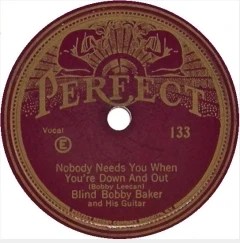
    There were so many voices speaking all at once. I had to figure out how to connect the moment the leaves reminded me of Saratoga Springs,  and how we must place our print on the tablet, on the screen, and dismiss the reader who judges where writing takes us. Sometimes,  a reader knows me from the halcyon days, when my light was neon and my spirit a flame. They don’t want to see me now, draped in muted gray and hardship hardened. “Nobody loves you when you’re down and out.” Jimmy Cox 


    WORK IN PROGRESS ON MAURICE


    HOME IN SOLANA BEACH

    1930’s

    Looking west to a smear of dusty crimson sunlight, a young man of twenty stood on the shoulder of Highway 66 waiting to hitch a ride. A powder blue Cadillac pulled up and the lad was caught in a puff of loose gravel. When the dust settled, a woman dressed in a two piece matching suit leaned over from the driverโ€™s seat.
    โ€œSay fella, can you drive one of my cars to California? Iโ€™ll pay the expenses,โ€ she yelled out the window. Another Cadillac pulled up next to hers with a jerk stop. 
    The lad stared into the shine of the car. It looked like wet paint and he was tempted to touch it.
    โ€œSure will, yep Iโ€™ll do that. Should I get in now?โ€ The young man answered.
    โ€œI need to see your driverโ€™s license.โ€ She added.
    The man hastily drew out his license from a dusty plastic cover inside his billfold. She looked it over, and smiled. โ€œAll right Maurice, keep in close to us on the road, donโ€™t get lost. Weโ€™re going far as Needles.โ€
    Maurice held tight to the steering wheel, โ€˜Geez, ainโ€™t this great, what a car. Iโ€™m going all the way from Nebraska to California in a Cadillac.โ€™ Heโ€™d forgotten about the sharp pains of hunger, and bloody sores on his feet. Now he was sitting on warm leather seats, with the cold night air off his back, and ten dollars in his pocket.

    Sixty five years later, Iโ€™m walking down the street where Maurice lives. We havenโ€™t met yet. I donโ€™t meet my neighbors. I move before I have a chance to care about them. It comes easy to me, being a loner. Then I met Maurice. 

    RUMINATING ON RELATIONSHIPS


    Bob and Baez-JIM MARSHALL
    Bob and Baez-JIM MARSHALL


    Bob and Baez-JIM MARSHALL

    He was going to keep me warm this winter. Toggle behind me in his overcoat and boots, makingย  sure I didnโ€™t slip on ice, or chop my hair when my anger meets my self destructiveness. He would plow the snow, keep the fire going, trim the roses that bloomed when we met, and hatch chilies in the kitchen. A boy, a man, and a girlfriend. Heโ€™s wrapped in primitive sensuality, gifted with athletic stamina, viscerally intelligent. There is the other side; a squadron of pointy fingers, family feuds, gossip, and the spark of emotional self-contentedness. He admits to it; and studies masters of consciousness every day. He strives for breath unscented, unencumbered childlike weightlessness. My star is dropping, the dream girl of adventures in livingness. Taking men in that hold impossible odds, the long shot that shoot you to the moon or dump you on a dirty bench.
    I found someone once who held up all the right que cards; now we are best friends thirty years later. If
    lovers are true friends than I donโ€™t lock them out when they stumble on the script. Relationships between men and woman are unsolvable allegory poems. I read them over and over and never understand the meaning if I hold on to the wound. If I let the abrasion heal, I am still in love with them.

    MY FRIENDS ARE HOME


    My friends are beside me once again. It’s been five years sinceย  their faces like postcards of my life, are in my room, lifted out of the box. Iย  can almost see their wisdom, and lessons floating above the birdcage hanging from the ceiling.ย  I had forgotten how much I depend on them, a collapse of friendship because my room wasn’t really mine, I shared it with guests, and then New Year, rang out like a jazz quartet of answers to puzzling life questions.ย  I am not sharing my bedroom anymore. And I am not looking for a job. And I am not going to stop wearing tightjeans, and high heeled boots.

    Hello Henry Miller, Anais Nin, Carson McCuller, Nelson Algren, John Gardner, Damon…my books are home.


    SACRIFICE


    Locked up in the imaginary world of writing. It’s not always so accessible, so effortless, and when it is lock yourself in and give it your life.
    The fall drapery from the window teases me with specks of sunlight, and leaves dropping like snowflakes. My spirit is drawn outdoors.
    to walk, hike, run in its splendor. Sacrifice is how we finish our plays, canvas, book, song, and poem.

    CESAER’S SALAD


    I moved in with my Dad when I was thirteen years old.ย  My mother had just passed away, and I arrived with innocence and untrained cooking skills.ย  Mom was an Irish Catholic meatloaf and corn-beef cook. ย Dad was a Russian Orthodox raisedย  moderate vegetarian, and decided to hire a chef to teach me how to cook.

    I came home from school one day, and found Caesar ย in the kitchen. He was a stand-in for Paulie in the Godfather, only he had curly black hair, and apple red cheeks.ย  Caesar was dressed in a black suit, white shirt, and an apron that fell short of fitting him.ย  Dad instructed Cesar to teach me how to make salads, baked fish, and spaghetti with oil and garlic. Everyday after school, Caesar was in the kitchen preparing dinner for us, and I ย stood beside him, observing his chubby knuckled fingers, slice and chop vegetables. We started with what Dad ordered; a meal in a salad, and later coined it Farmer’s Chop Suey. The salad was not just prepared, it was a decorated masterpiece when he finished. During the preparation, I noticed beads of sweat on Caesarโ€™s face, and a jittery nervousness, surfaced just before my father arrived home, โ€œWhat do you think?ย  Will Dad approve?โ€ย  He asked. I assured him Dad would love the salad.ย ย ย  Cesar and I became pals, and waited anxiously for Dadโ€™s arrival.ย  He wasnโ€™t all that agreeable. Fastidiousness and perfection are common traits amongst gangsters.ย  Usually, Dad remarked there wasnโ€™t enough garlic, or there were too many croutons, and Caesar would swiftly correct the complaint.

    After Cesar went home, ย Dad would talk to me about food, and how everything starts in the stomach, and how the vegetables have to be scrubbed, and the seeds removed.ย  Three or four times a week Dad dined out, and he didn’t order salads.ย  He frequented Italian restaurants, and his favorite was Bouillabaisse, with a side of pasta.ย  I never saw him enjoy any food as much as Borsch with sour cream, and smoked white fish. That was his favorite childhood meal. Hisย  father was a Orthodoxย  Butcher, a very scared skill that requires a thoroughย  understanding of Kosher preparation.

    About six months had passed, and I came home one day and Cesar wasnโ€™t there.ย  Instead I found my father in a rage. I asked about Cesar and he told me it was none of my business, and to start preparing dinner.ย  After my first salad preparation, Dad applauded my presentation, and assured me everything he was teaching me would serve me later on in life. He explained he had to beย  harsh and demanding, ย because he wanted me to be able to take care of myself properly.

    I developed into a moderate vegetarian and have used that salad as a blueprint for most of my meals. Now I create a variety of salads, and a lot more ingredients:ย  like white beans,ย  garbanzos, walnuts, tuna, or shrimp,ย  artichokes, sun-dried tomatoes etc.ย ย  My friends call me a free-style cookย  because I only use recipes when Iโ€™m making soups or stews.

    I was very fortunate to grow up with a father who spent hours teaching me what I would need to know in life.ย  This is something you won’t read or see in a film about growing up with gangsters.

    LIVING ON THE EDGE


    Fifteen years ago, the summer of 1993, I was having lunch in a restaurant in Los Angeles. Across from me was the only other woman of importance in my fatherโ€™s life, besides my mother, that I had known. Sandy Crosby, a leggy brunette with bark brown eyes, arched brows, and a showcase smile.

    She always had a response that outwitted her opponent, including my father, who relied heavily on, โ€˜donโ€™t be so smart.โ€™ย  Half-way through the first course at Jimmyโ€™s, she looked at me and grinned.

    โ€œYouโ€™re so much like your father.โ€

    โ€œI am?โ€

    โ€œOh yes.โ€

    โ€œYour father loved living on the edge, he really did.โ€

    I rested on that thought for a long time. I was temporarily living with a friend in Los Angeles. I lived out of a suitcase, with a broken down Cadillac, and a folder of resumes.ย  My dadย  never lived out of a suitcase, or needed a resume to find a job. After he met Benny Siegel, he had multiple offers in organized crime.

    What I discovered, is Dad didnโ€™t truly settle down until he had to raise my sister and I. He was 56 years old when Mom died, and we were tossed into his lacquered bachelor pad in Hollywood. The same age I was two years ago.

    Living on the edge is a term used to describe infinite lifestyles. The momentum, or ignition that fuels that lifestyle, is uncertainty. We live by impulse and imagination. Our plans are last minute, we never buy in bulk, and we are always dreaming of the voyage. We run from stationary life because at heart, we are gamblers.

    This time, the edge is the very place I spent two years creating, the photography gallery and home in Santa Fe. Up until this winter, it operated as a gallery by appointment, while I polished my memoir proposal. After several months, I went to the edge and decided to convert the gallery into a vacation rental. I needed to roam; I longed to gather new material.

    The winter climbed back into bed, and then spring ripped through the ground, and the roses and poppies bloomed. The memoir remained unpublished, and the house began to transform from gallery to a real home. The long uneventful winter punctured my prudent habit of writing, remaining secluded, and avoiding everything but the essentials. By May, I made a silent vow under a stream of sunlight, to enlist into the human race.

    The reinvention resembled nature, like today. The day began with ย a feverish sky of culminating clouds, a long dreary silence, and an absence of light. The street was empty, just the valet from La Posada running to the garage to fetch the cars. They were bundled in winter coats, while the party rental truck loaded the furniture from last eveningโ€™s wedding. The storm struck with impetuous force. The valetโ€™s ran with umbrellas, small children yelled for cover, and I took a seat on the back porch. Suddenly, the storm rescinded, and the sun burst through the cloud cover.

    My emancipation back into the flow of mixing strangers and friends was alchemy to the house. Now itโ€™s a home; to cook, entertain, and fill with music, laughter and conversation.ย  I can see the faces of the people Iโ€™ve met, imagine the next meeting, and anticipate the next outing. The windows and doors are opened, the people who pass by look in. I was cooking dinner one night this week, and noticed a man peeking in the window. He looked like Harrison Ford, just back from the Lost Arch.

    โ€œ Is this a museum?โ€ he asked when I went to the door.

    โ€œ No. Itโ€™s a gallery, a home. Well come in, and take a look around.โ€

    Opening the door to a stranger returned the affirmation that impulse socializing is still possible in the banal and sterile world of FACEBOO. ย ย You donโ€™t have to be a teenager to recognize a good time, but you need to be an adult to recognize a good fellow.

    Some of us lone roamers cannot reverse the inclination to retreat from life; because we find too much confusion, agitation and adversity in the world. Between all of those elements, there are treasures waiting to be discovered: opportunity collaboration, adventure, and most of all companionship.

    Even though the comfort of this home has replenished my spirit and temporarily produced a yawn of security, I am preparing to go to the edge. Though I imagine it is another place of endearment, another address, and another gamble, it may be the inner voyage that will transcend.

    When I tell people weโ€™re renting the house, they ask me where will you go?

    I donโ€™t know yet. Sandy was right; I am like my father. The edge I picked wasnโ€™t a green felt jungle of dice and chips, itโ€™s an artistsโ€™ life.

    Any dice to throw Email: folliesls@aol.com


    Out of Control


    This week is on control, and losing it. You hear that phrase often enough, โ€œshe has control issues.โ€ Iโ€™m not sure what that means. I donโ€™t understand how a society of rules and regulations that delivers more commands every day is expected to produce a society without control issues. I lost control of my life and so I am getting in touch with โ€œout of control.โ€
    Bohemian living was always in my dreams, having been raised in a perfectly pressed pinafore and seated on fragile furniture. I am not really very gypsy like when it comes to home. Once upon a time I lived in a suitcase, but I have since been corrupted by the joy of controlling all the things that come into the house and find a place there.

    Once faced with this alarming epiphany I vowed to give up control and accept the disorder and disruption. What Iโ€™ve rediscovered is that without a lot of stuff to organize the mind is free to think. The house chores are minimal, leaving more time to create and effect important things. Narcissism is sacrificed and replaced with more visceral reflections.

    Once I place myself inside the double yellow line of society, I feel those controls closing in on me. Losing control is a replenishment of youthful spirit. Itโ€™s free and painless. Try it, take off the leash and run free.

    Two days later I was in a hotel, preparing for a reunion, a day of shopping, and luxuries of a woman on the road, when the news broke.. How did you feel when you heard the news. John and I went silent, and drove two hours in more conscientious silence.

    JAMMING UP HIP-HOP


    Free your mind and the rest will follow; the words from EnVogueโ€™s latest release played all day on the radio. Every time I got in the car to hunt up real estate listings, I heard that song.
    I worked in an industrial building along an industrial highway in San Diego. I shared a warehouse with twelve men, eleven of them tall, weight trained football on Sunday guys, who ate at expensive restaurants amongst a club of commercial real estate agents, where theyโ€™d be noticed. They were pretty decent guys, except the partners who each had severe a case of ego malnutrition and competed for attention like two tottlers. Greg was the only short one in the bunch, and he wore a rug, manicured his nails, and surfed on the weekends. He was always talking about his Karate black belt, and how he knocked guys out. He rarely laughed and when he did he sounded like a chirping bird. Greg used to give me his wifeโ€™s unworn clothes and waited in my living room while I tried them on. It was sort of strange, but he never played the trump card and asked for anything in return.
    One day in the summer of 1992 I called the office secretary.
    โ€œGail, Iโ€™m not coming in for awhile. Will you forward my calls to my home?โ€
    โ€œAre you all-right?โ€
    โ€œOh yea. Iโ€™m fine.โ€
    โ€œWhat should I tell Sam?โ€
    โ€œTell him Iโ€™m on leave of absence.โ€
    I lived in a little cottage house in North Park. It was all white with a picket fence and a squared grass yard where my dog played. The front room was small but the carpeting was new, so I could curl up on the rug and watch the clouds from the windows.
    I threw my nylons and navy pumps in the garbage, and folded the business suits into boxes. I knew I wasnโ€™t going back, but where I was headed was a throw of the dice.
    Mornings I ran through Balboa Park before the crowds arrived, and got to see the zoo keepers feeding the animals, and the actors going into The Old Globe Theater. I filled my senses with virgin light and morning silence, unfamiliar sensations to office workers living with florescent lighting and partition walls. In the afternoon I lounged around in sweats watching music videos, reading magazines and dancing.

    I watched some new music videos, maybe EnVogue or Bobby Brown, and tried to imitate the hip-hop moves on the carpet. It was like watching a cat in the snow. I called all the dance schools, and no one was teaching hip-hop. I didnโ€™t know back then my mother was a dancer; so this impulsive and implausible scheme to start a dance troupe startled me as much as everyone I told.
    The last lease deal I did was for a group of soccer players from Jamaica. They needed a space to open a reggae dance club. They told me theyโ€™d called other agents and no one would take their business. I found a disheveled warehouse and struck a deal for them. They fixed up the warehouse themselves, with colored lights, and some tables, but Rockers was really about the dancing. I walked into the club one night, and they were all doing their part; greeting customers, spinning vinyl, and serving drinks. I danced with Leroy, the leader of the group, and watched him unfold from the waist down. He danced so low to the floor, he appeared boneless.
    โ€œLeroy, Iโ€™m going to start a dance troupe. You guys inspired me.โ€
    โ€œWhat kind of dance?โ€™
    โ€œHip-Hop and jazz funk.โ€
    Leroy covered his mouth with one hand and laughed.
    โ€œWhatโ€™s so funny?โ€
    โ€œYouโ€™re a business woman; I didnโ€™t know you was a dancer.โ€
    โ€œWell, I took lessons a long time ago.โ€
    โ€œHip Hop?โ€
    โ€œNo, Jazz. Iโ€™m going to find the dancers to teach. I know there out there.โ€
    โ€œYea, they out there all right; lots of them.โ€
    โ€œWell see! Iโ€™d like to use your space, pay rent of course, when youโ€™re not open.โ€
    โ€œWell thatโ€™s all right. You donโ€™t need to pay me.โ€
    I hugged him, and he shook his head. โ€œI donโ€™t think thereโ€™s much money in teaching hip-hop.โ€ he said.


    At the community college I posted a sign for dancers, and observed some classes. When I got the call from Piper, he asked me to come see him teach at the Church on University Avenue. I drove over one night, and found Piper in a little room upstairs, teaching Jazz Funk to one woman. He was tall and lanky with a smile that creased his whole jaw. He came over, shook my hand, and said, โ€˜How you doing? Iโ€™m Piper.โ€™ He wore an immaculate shield of confidence that defied his nineteen years, and moved at the intersection of Michael Jackson and James Brown. The groove spiraled through his body.
    โ€œIโ€™ll help you get it started; if youโ€™re not a trained dancer you need help.โ€
    So Piper and I met every week and finally landed on a group that incorporated Jazz-Funk, Hip-hop and Afro-Cuban. I named the company United Steps Dance Productions, and the Jammers were the hip-hop troupe.


    Iโ€™ll never forget the look on the partnerโ€™s faces when I told them I was starting a multicultural dance troupe. They just stared at me blankly. Then within weeks all five of my unclosed lease deals were signed at the same time. I walked out with enough money to live six months. That was real security in my mind.


    Piper and I held our first audition at Rockers. When I opened the doors that morning, dancers were already lined up outside. They came dressed in street clothes; wearing scarves, baseball caps, loose pants, and tank tops. I watched them leap, kick, split, and turn inside out for the job. I knew that I was in the right spot.ย  One dancer walked out, stood still for a moment, and then leaped into a break-dance pop-lock routine that silenced the crowd. โ€œHim Piper, definitely him.โ€ Heโ€™s bad, yea heโ€™s real bad.โ€ At the end of the auditions, Piper mocked me.
    โ€œLue, we canโ€™t sign every dancer just cause they hip-hop. Anyone can do that.โ€
    I canโ€™t hip hop and itโ€™s my company.โ€
    โ€œYea, and youโ€™re crazy. I swear, Lu youโ€™re crazy.โ€
    We agreed on pop-locker Vince-Master Jam, and Monique, a young Afro-Cuban dancer. That was the beginning.
    When Vince and I met, he told me he lived in Escondido.
    โ€œBut thatโ€™s an hour away.โ€
    โ€œItโ€™s cool, Iโ€™ll be here. Just give me the chance.โ€
    Vince showed up twice a week at night for his class. Many times, we sat in the cold damp club, listening to music and Vince tried to teach me to pop-lock. I apologized for not having students and he looked at me, and said, โ€œ Donโ€™t worry Lue, will get it going on.โ€


    Our first performance was at the Red Lion Hotel. I hired a video tech to record the performance. We got a free dinner and a hundred dollars. We had a good crowd, and everyone loved them. Afterwards in the dining room, they were talking, laughing and elbowing each other. Piper was ranting about Monique taking too much time, and Vince was telling Piper to chill because Monique was so good. I sat there just listening, with a big smile on my face.
    The Jammers belonged to the no smoking, no drinking, no drugs group. For the first few months, they taught on tiled floors under a leaky roof, without any heat. But they kept coming back to teach and their dedication moved me to find a better location. We relocated to a well-heeled Health Club downtown San Diego and the classes filled up with students, dancers, and office workers searching for a new lunch. They came from all different races; Asian, White, Hispanic and Black. I danced with the classes and promoted our troupe. The Jammers laughed at my attempt to be a soul sister, and I laughed with them. We were reviewed by KPBS magazine, and a photographer took pictures of us and featured us in the magazine.
    Searching for gigs proved to be an exasperating struggle. I called department stores, festival producers, shopping centers, nightclubs, hotels and everyone had the same line, โ€œI donโ€™t think hip-hop is right for our clientele.โ€
    When I ran out of money I took a job managing a condominium project, where I lived rent free. After a time of observing the Jammers self expression, I asked myself, what is mine? I still refused to get on stage. Vince used to bawl me out because I made Piper introduce the group.
    After two years Piper moved to Los Angeles to launch his dancing career, and I let Vince take the troupe where he wanted it to go. He turned it around, adding twelve dancers and broke more ground in San Diego. Monique developed into a serious stage actress and we all lost touch. They were the sparklers in my life; like that star you think youโ€™ll never hold. I left the Jammers a different woman. They put the rhythm back in my spirit and soul.
    When I recently located Vincent on an Actors website, I called him right away. He is a missing link in the chain of my life. Without that adventure, I might still be imitating the kind of business woman I wasnโ€™t. We met in Los Angeles, and watched Vince perform in a club. He kept his vision and now acts on television and video. โ€œ Lue, now you have to find Piper.โ€
    It was Piper, who said to me one day after reading some of my poetry, โ€œ Lu, youโ€™re not a dancer. Youโ€™re a writer.โ€
    Any dice to throw Email: folliesls@aol.com

    ADVENTURES IN EXPECTATIONS


    โ€œIt has been a time of writing for me. The doctors have all decided that my crippled leg must be amputated. They cannot do it right away because the hospitals are so full. So, in the nights of glare I just cuss out the doctors for making me wait, and cuss out my leg for hurting. I have read Sarah Bernhardt and her superb gallantry and courage have comforted me.โ€ From โ€œIllumination & Night Glareโ€ by Carson McCullers.

    More on the adventure in expectations.
    I wonder how all of us really accept this incongruity of life. If we experience continuous disappointment, our inner oars, the ones that carry us over the tidal waves, must be accessible so we can bash back at the unsettling news, the absence of truth, the winter storms, the lagging economy, the pain of puttering, and expectations unrealized.
    At a window table of Il Piatto, a favorite Italian bistro in Santa Fe, my friend Baron, (www.fotobaron.com) John (no website) and I fervently discussed the state of the people. What we observe, think, fear, and ruminate over at home when the lights are out, the street silent as a meadow, and shadows from winds through the winter branches play like puppets on the walls.
    โ€œBaron, if something doesnโ€™t break soon—Iโ€™m going to need anti-depressants, or heroin.โ€
    โ€œHave you ever tried it?โ€
    โ€œHeroin? No, never. I tried Prozac for a few weeks years ago. It was ineffective.โ€
    โ€œLook, things are tough everywhere; the shops are closing, and the restaurants empty– look around. This is weird. And whereโ€™s the god damn snow?โ€
    โ€œItโ€™s in New York. Rudy was there for a few days.โ€
    โ€œWhat the hell for?โ€
    โ€œCourt. And guess what? He flies across country on Monday, appears in court the next morning, and is asked, โ€˜Why are you here?โ€™ So you can see Rudy standing there in a cotton zip-up jacket, his face flushed with snow and wind. The judge informs Rudy he didnโ€™t have to come to court.โ€
    โ€œHowโ€™s business for you?โ€ I asked.
    โ€œTerrible! I keep inventing new prints, new sizes, new shows, a book, you just gotta keep it going, LouLou.โ€
    โ€œI keep it going; but it is beginning to feel like neat little circles.โ€
    John tipped his head, the tip of understanding between two writers whose fingers are bleeding, amongst a country of bloggers, Twitters, and Facebook fetish writing. We wait, as all writers and artists, and in these times, everyone must wait, until our soil is fertile, and the illumination returns.
    โ€œAny bites on the script?โ€
    โ€œYes, we get them, and then you wait, you may wait two or three months to hear anything.โ€
    โ€œLet me explain,โ€ John interjected. โ€œ Itโ€™s because ninety-nine percent of the scripts submitted are passed on, and the reason for that is the executive of creative development puts his job on the line when he green lights a script, so it had better be good!โ€
    โ€œIn the interim, I repurpose the house as a vacation rental.โ€
    โ€œThen where will you go?โ€
    โ€œI donโ€™t know.โ€
    โ€œLouLou!โ€
    We talked about Egypt, Fox News, CNN, Tunisia, mobsters, photographers, business strategy, and the next Gallery LouLou event, a work in progress. There is visceral nourishment when you congregate over the same obdurate situations. The singular frustration festering inside is softened when commingled. We lingered over coffee, still unloading the burdens of a questionable wintry month.
    That night John and I rushed through the front door, seeking warmth. I was on my way upstairs when I noticed a man with long black hair seated at my porch table. I could see his whole upper body through the drapeless French windows. His hand seemed as close to the door knob as my fingers are to this laptop.
    โ€œJOHNNNNNNNNNNN, thereโ€™s a man on the porch!โ€
    Five โ€œhurry upโ€™sโ€ later, John came running into the living room.
    He opened the front door and announced in his radio deep broadcast voice, โ€œWeโ€™re closed.โ€ John nodded several times, and closed the door.
    โ€œWhat were they doing?โ€
    โ€œAttempting to light your kerosene lamp.โ€
    โ€œWhy?โ€
    โ€œThey thought the porch was charming.โ€
    A few days later, another man appeared on the porch, this one wandering back and forth. After all the times a wanderer has been loose on the porch, in the garden, at the front door asking where someone lived (they do that in Santa Fe), and then the night someone climbed on the porch and ripped off the Stratocaster guitar from the hook on the eaves (a rock n roll prop), I had to apply more caution than negligence. If someone wanted to assault me, my defense would be worthless. When all the girls started learning self-defense, and carrying tear gas in their purses, I started locking the doors. Though I am not expecting intruders and assaults, it feels like it is time to take responsibility for myself. The fear of being alone is more tormenting than loneliness.
    โ€œI brought the shot-gun. Are you ready to learn?โ€
    โ€œYes.โ€
    TO BE CONTINUED

    Demons and Dramas


    Ben Siegel

    To a drama-whore like myself, uncertainty is a cocktail. If my life isnโ€™t wrinkled with folds of conflict, I will invent them. These past recollections were the building blocks of my future; I lived on the edge with my father.
    Ann, my therapist, asked me about my mother but there was so little to tell. She was restrained to her secrecy, some vow she gave my father, and the personal veil of repression that cloaked all of her past. I told Ann that I was adopted into my friendโ€™s homes by their motherโ€™s, the ones who had met mine.
    My best friend Denise lived in Brentwood with her divorced mother and siblings. We hooked in the dark unfamiliar and confusing imbalance of a broken home life.
    Her mother was suffering depression after a recent divorce and I was dangling from my fatherโ€™s fingertips, helplessly.
    After my mother died, Denise wouldnโ€™t let a day go by without calling me. โ€œAre you all right,โ€ sheโ€™d say. She didnโ€™t like my father, and her reasons were mature beyond her years, โ€œHe frightens me.โ€ Denise wouldnโ€™t spend the night at my house, but once, and she said that I could stay at hers anytime I needed to get away.
    After school one afternoon we stopped in the Brentwood Pharmacy. Denise was looking at the book rack and I was following along.
    โ€œ Luellen, my mother told me your father is in a book, The
    Green Felt Jungle. Itโ€™s about gangsters. Wantโ€™a see if they have it?โ€
    I agreed to look because Denise was interested, but it meant nothing to me.
    Denise twirled the book rack around, and I stood behind her watching.
    โ€œThatโ€™s the book! Let me look first and see what it says,โ€ Denise whispered. She tensed up; I could feel it in her arm, as I grasped her.
    โ€œOh, my God, there he is,โ€ she said, and we hunched together over the book and read the description of my father, โ€œAllen Smiley, one of Ben Siegelโ€™s closest pals in those days, was seated at the other end of the sofa when Siegel was murdered.โ€ Denise covered her mouth with her hand, and kept reading silently.
    โ€œWhat does that mean? Who is Ben Siegel?โ€ I asked.
    โ€œShush, not so loud. Iโ€™m afraid to tell you this, Luellen. Itโ€™s awful. โ€
    โ€œWhatโ€™s awful? Tell me.โ€
    โ€œBugsy Siegel was a gangster. He was in the Mafia. He killed people. Your father was his associate.โ€
    โ€œI donโ€™t think I should see this,โ€ I said and started to leave the drugstore. Denise followed me out.โ€
    โ€œ Why did Bugsy kill people?โ€ I asked.
    โ€œBecause thatโ€™s what gangsters do. Luellen, you canโ€™t tell your father you saw this book. Please donโ€™t tell him I told you.โ€
    โ€œWhy not?โ€
    โ€œMy mother told me not to tell you. Swear to me you wonโ€™t tell your father!โ€
    โ€œI wonโ€™t. Donโ€™t tell anyone else about this Denise, all right?โ€
    โ€œLuellen, have you met any of your fatherโ€™s friends?โ€
    โ€ Yes, Iโ€™ve met them. I love his friends.โ€
    A short time after that I waited until my father left for the evening, and then I opened the door to his bedroom.
    I walked around the bed to a get closer look at the photographs on the wall. It was the first time I could read the
    inscription: To Al, my dear friend, Your pal, Ben.
    I stared at his eyes, droopy heavy-lidded sexy, and a gleaming boyish smile. It was a different photograph, but it was the same man in the โ€œGreen Felt Jungle.โ€ The photograph placed next to it, was of Harry Truman, with a similar inscription dated 1963. The disparity of Benjamin โ€œBugsyโ€ Siegel alongside Harry Truman wouldnโ€™t mean anything to me for another thirty years. At that moment I was driven with curiosity and anticipation of what Denise had told me.
    I opened the top drawer of his dresser. It was fastidiously organized with compartment trays for rolls of coins, a jewelry tray of diamond cufflinks, rings and watches, and another tray of newspaper clippings. The next drawer was stacked with neatly folded shirts in tissue paper. Under that was a drawer with a lock on it.
    โ€œWhat are you doing in my bedroom?โ€ I slammed the drawer, muted by his stern expression. He pulled a key from his pocket, and locked the drawer.
    โ€œ HOW DARE YOU GO INTO MY THINGS! His hands shook, the veins in his neck inflamed.
    โ€œWhat is it youโ€™re looking for? Luellen. Tell me, or else you will not step out of this apartment for a month. LUELLEN! Speak up! What are you looking for?โ€
    โ€œ I was looking for pictures?โ€ I stammered.
    โ€œ What kind of pictures?โ€
    โ€œ Photographs. Ofโ€ฆMommy.โ€
    โ€œ Youโ€™re lying to me! Donโ€™t think you can fool me, you canโ€™t. You want to see photographs, have a look at this one.โ€ Then he pointed to the picture of Ben Siegel. Every vein of his neck swelled. He reminded me of a snarling wolf about to rip my head off. I looked down at the ground, and held my breath.
    โ€œNow you listen to me and donโ€™t forget this for the rest of your life. This is Benjamin Siegel! He was my dearest and closest friend. Youโ€™re going to hear a lot of lies and hearsay about him. They call him โ€œBugsy,โ€ but donโ€™t let me ever catch you using that term. ” Iย  have not forgotten.