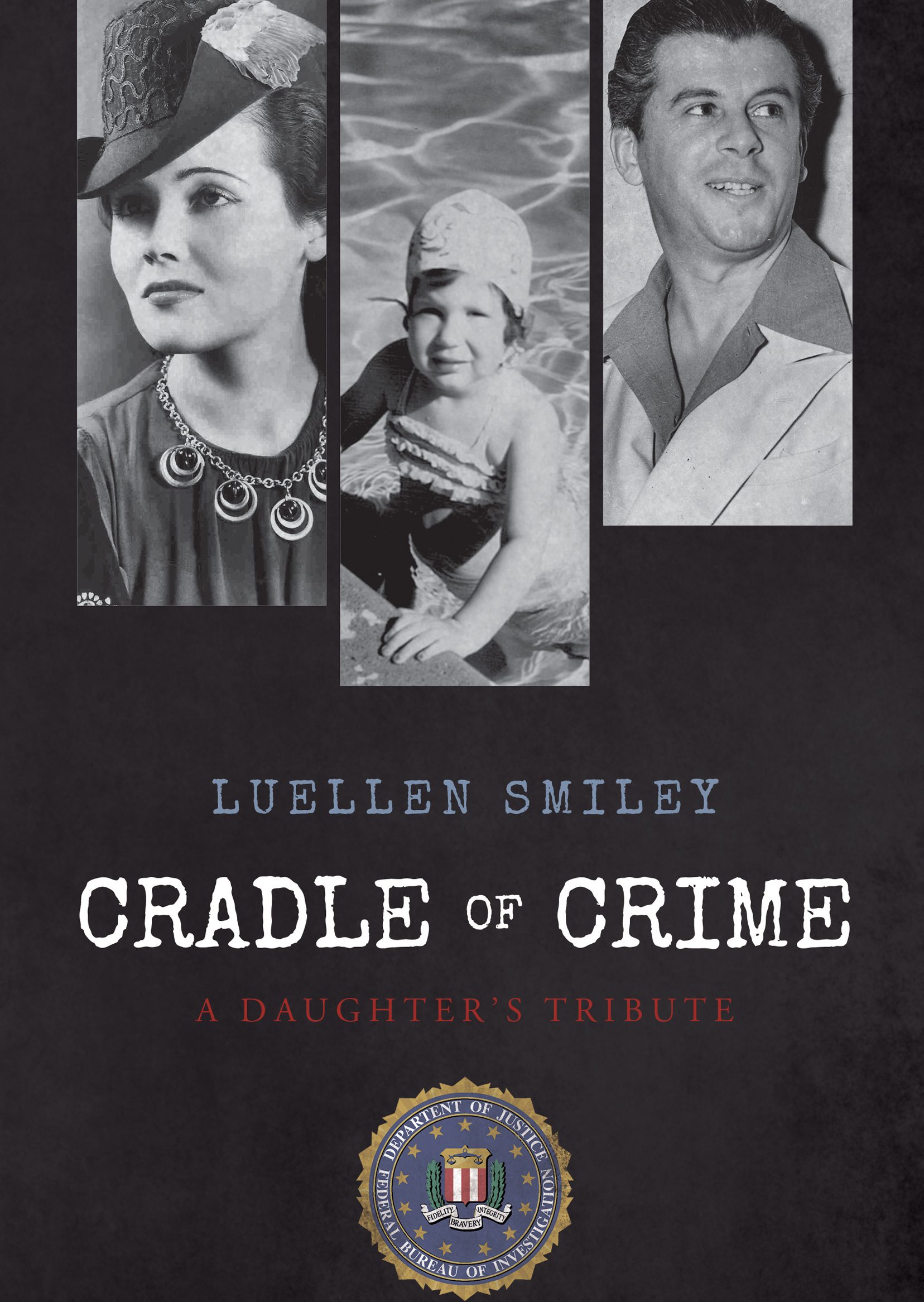

My dad was Johnny’s pal, close, like brothers, all through their life. Uncle Johnny
was my hero, he calmed my dad down, and he loved my mother because he knew she was a saint, and he was immensely religious. This is how I imagined his murder.
A blue Ford sedan with tinted windows pulled up in front of a bar in Biscayne Bay. The driver Tony, stared out the windshield looking beyond the boundaries made by man. Two of his men, sat in silence in the back seat. They were staring ahead, in the same mental latitude as the driver, with unblinking surgeon eyes. Tony turned off the ignition, and leaned back. The only sound came from the flapping of the bar screen door.
“Move,” Tony ordered closing his eyes. Abe and Chuck exited the sedan in one long continuous motion as if they were tied together. Tony waited, without changing the position of his right hand on the leather coated steering wheel. He heard the bar door squeak as it opened. He could see Abe and Chuck entering the bar. He did not need to see them physically. This was stored in his memory. The single file procession into the bar, the attachment to the target, and the guarded exit. Tony checked the time on his pocket watch. The minutes went slowly. He lost his concentration, and was tumbling in memories; he filed them in two categories, the ones that belonged to the outfit, and the ones that belonged to him. He slipped back to the sixties, in Las Vegas, when the boys sat poolside at the Desert Inn and bit into olives handed to them by freshly polished show girls in bikinis. Then he saw Johnny, lounging at the pool, his crown of white hair perfectly combed. He was surrounded by showgirls. The dames loved Johnny. He was better than any Hollywood movie star.
Then the door to the passenger side opened. Tony glanced at the blue gabardine slacks, and Gucci loafers. He could smell Johnny, even before he got in the car. His scent was recognizable, as if he’d been born wearing Boucheron.
“For crying out loud boys–I was just getting
an erection. ”
Johnny turned to Tony, the man he met twenty years ago when he was a driver for Santos Trafficante, the Mafia Don in Florida. Johnny slapped his knee and wheezed through his laughter. Tony couldn’t return the glance, or the laughter
“Tony! What’s the long face for, are we going to a funeral?” Tony shook his head from left to right. He gripped the steering wheel, afraid he might put his fist right through the windshield. Johnny nudged his rib.
“Loosen up, you’ll miss the target.” Tony reached into his breast pocket.
“Have a cigar Johnny, fresh from Castro. The same brand you tried to poison him with remember?” Tony’s forced laughter sounded hollow.
“Hell, that wasn’t my idear; you guys are still screwing up the story. That’s your problem, it you’re gonna squeal at least tell it the way it happened.”
“You shouldn’t talk bout squealing Johnny,” Chuck interrupted.
“Shut your trap,” Tony snapped. Johnny did not appear to hear the comments, or if he did chose not to recognize the remarks of the backseat thug.
Johnny took the cigar and fingered it. He twirled it around with two fingers, and then placed it under his nostrils and inhaled deeply.
“Doc says no more–not if I’m gonna live without an oxygen tank tucked into my pocket. How ‘bout that? I even gave up the cigars when I moved down here. I can’t afford them anymore.” His laughter came easy, the way it always did.
“Johnny……I,” Tony stuttered.
“Did you hear the joke about the Italian and the Jew?” Tony nodded yes, but Johnny began telling the joke anyway. Tony turned the ignition on and drove away from town, slowly like they do in a funeral procession. They left the parts of the city ruled by law and order. The white villas shaded by palms, and guarded security gates. They descended into the pit of the buried past, the old rail yards, the site of hollow industrial buildings and warehouses. From there Tony entered an abandoned parking lot inside a junkyard, piled high with tin and steel parts. At one time they were valuable, like Johnny. Those days were gone, the junk piled up, just like dead Mafia Dons.
The sky dimmed in these parts of town, the shadows from the freeway overpass blocked the late crimson sunlight. Johnny was quiet now, sitting calmly with his hands folded together in his lap. His facial muscles relaxed, the jokes were over now. His mind was elsewhere.
“The son of a bitch gave me no choice John! I’m sure dead too if I ….” Tony stammered.
“Stop your babbling, I’m not your priest. I got a few orders for you. I want you to get word to Smiley, before anyone, you hear me. Don’t call his home; he’s got a private service. I’ll give you the number when I’m finished. He’ll know what to tell my sister. He’s a born messenger of bad news. Had to do it too many times.”
“How long you known we was coming?” Tony asked solemnly.
“Just as long as I’ve been taking orders. Tony my boy, I didn’t think I’d go out like Brando in the movie. How long has it been now? …forty-five years. That’s a long life in these shoes. The whole mess is running through my head Tony, as we sit here, it’s like a movie rewinding. You want to know the best of it; I mean the one moment worth remembering. The first night I walked into the Mayflower Hotel as a guest of Capone. My first big shindig was a coming out party for Joey Lewis’s big fight. I was so impressed with Ricca back then, I tried to mimic him. Must have looked like a soiled fool. I thought I had a smart suit on until I got to the party, and took a look around. Suddenly I felt like a paisano clown. I said to myself, I’ll never know this again; never will I feel less than the people around me. Capone treated me good in the beginning, all that money he threw around….. It impressed Rockefeller.”
“Johnny it’s getting late,” Tony interrupted.
“Capone was puffed up that night, shaking hands with Walker and the boys at Tammany Hall. We were all one then, the politicians and the boys. I don’t know how the thing got so screwed up.” The car came to an abrupt stop, and the back door opened. Chuck got out and stretched his legs. Johnny glanced at him, “See, no respect anymore. I would have diced his fingers off in the old days. Get out of the car Abe; go polish your piece or something,” Johnny ordered, and then continued his story.
“That was the night Tony, the best of everything all night and I didn’t sleep for a day afterward because I was so swollen with myself. It sounds silly now.” Just as Tony tipped his head in memory’s path, Johnny clapped his hands loudly. Tony shuddered as Johnny knew he would.
“Lemme see the equipment,” He ordered tossing the sentiment out of his voice. He turned his steely blue eyes on Tony and waited.
“They loaded me up, like I was going to a massacre. They’re still afraid of you John. Even now I have to say.” Tony rattled; he’d lost the last bit of dry eyed machismo.
“That’s a relief.” Johnny answered.
Tony got out of the car and hopped around the front to open the door for Johnny. He felt queasy in his stomach like the first time he had a hit. He watched Johnny now, knowing it would be some story to tell. First Johnny scanned his surroundings, like the eye of the camera. He could take in distant angles without moving a muscle. He could estimate the distance of things, the entrances, and exits of buildings without appearing to even look at that direction. He closed his eyes for a minute. They all watched, and waited.
“You fellas been here earlier?” Johnny shouted. The three men exchanged a mutual questioning glance. Johnny shook his head in disgust.
“How can you show up at a location without knowing every rock and puddle? Christ! Am I gonna have to shoot myself? Show me the equipment before I scare you off.”
Tony reluctantly unlocked the trunk of the car. Johnny stepped forward, pushing Abe and Chuck out of the way.
“Looks like a lot of machinery for a seventy year old veteran. Whatta they think, someone’s gonna drop down here with back up and take you boys on. What the hell are the knives for?” Abe and Chuck rocked nervously on their heels. Tony hunched over, as if drawing breath from the ground.
“Tony!” Johnny yelled.
“I‘m sick Johnny …. lemme catch my breath.”
“Yea, you do that, while Abe and Chuck sharpen the knives. Go on fellas get your pieces.”
“Johnny, we have orders,” Tony whispered
“From who? I don’t care if you skin me! I want to know who gave the order!”
“It’s not who you think Johnny, I could hardly believe it myself.” Johnny moved closer to Tony, he stroked his back, and whispered, “I promise I won’t tell pal,” he said squeezing Tony’s balls.
“The order came from the White House; they called Santos, and told him to take care of it. Johnny I can’t go through it, I can’t do it.” Then he fell to his knees and clutched Johnny’s leg, sobbing.
“It’s all right Tony, get up and give it to me the way they asked.”
“We’ll clean you out first shot,” Abe interjected. Again Johnny did not acknowledge the comment. He reached out and put his hands on Tony’s shoulders, and looked him in the eye.
“It’s bad, they got cement don’t they?”
“Oh Christ! let me take this all back. I can’t do what they ask. They want us to chop the legs, get you inside a steel drum, and in the water.” Tony suddenly heaved up, and vomited, sobbing at the same time.
“Jesus Christ Tony, you’re disgusting,” Abe shouted. He took a cigarette from his pocket. Johnny turned slowly around and glared at the bridge of his nose. He locked in on the spot, and gradually walked toward him. He reached for Abe’s pistol, a 357 magnum and holding it in Abe’s hand guided the pistol until it was pointing directly into his eyes.
“If you’re in a hurry, go ahead and shoot me now.” Abe turned sideways. Then he dropped his aim, and walked away. Johnny leaned against the car, and wiped his brow. “Let me alone for awhile; take a walk, all of you.” He ordered.
Tony pulled himself up and wiped his mouth. That was the least he could do, give the boss one last moment. He signaled for Abe and Chuck to follow and they headed towards one of the abandoned warehouses. Johnny waited until they were exactly thirty-five feet off. Then he slid into the car, and turned on the ignition. In a whirl of smoky dirt, he spun the car around three times, and flew past the boys, laughing his head off. He didn’t stop laughing until he reached the airport. He left the car, and ran all the way to the reservation desk of Air Italia. Perspiring and short of breath, he said to the pretty young clerk. “One way ticket please, to Palermo…. Sicily.” Johnny was going home.

Reference: All American Mafioso, The Johnny Roselli Story. By: Ed Becker.


 ADVENTURERS IN LIVINGNESS