
MY NEIGHBORHOOD-MY LIFE


As a child I understood in a subliminal fashion that my father was unlike other neighborhood fathers who left each day to go to the office.ย ย  My father worked from our home in Bel Air, California, and hotels: The Beverly Wilshire Hotel, the Bel Air Hotel, The old Beverly Glen Terrace, and restaurants:ย  La Dolca Vita, Matteos, Copa de Ora, Scandia, La Scala, Purinos, Chasens, and building lobbies,ย  parking lots, telephone booths, and race tracks.ย  ย Sometimes he talked about a really big deal he was working on, and other times he said he was returning favors. ย The exchange of favors between mafia associates was written about way before I came along, by Damon Runyon and Mark Hellinger.

Deals and favors are what I understood as my fatherโ€™s business. This kind of business made him available to me during the day, while other fatherโ€™s had left their homes to go to an office. From the outside looking in, we were a stylish Westside family, with colorful friends, members of Sinai Temple, and frequently seen in the company of established doctors, Oilmen, and attorneys.ย  My mother went door-to-door as a Red Cross Volunteer, and my fatherโ€™s charity supported the United Jewish Federation Fund.

Our next-door neighbors were movie actors: John Forsythe, Burt Lancaster, James Garner, and Peter Morton, the legendary founder of the Hard Rock Cafรฉ.ย  ย Peter was a few years older than I, and I loved his mess of tousled curly brown hair, and his gentle birch brown eyes, slanted into the curve of sadness. I waited for him on some mornings to walk me to the bus stop. ย I remember he looked after his little sister, and maybe I needed looking after too. ย The memory of his kindness is sealed.ย  ย Most of the families in the circle had children, and it was only natural that we played together. When Dad’s name was inked in the Los Angeles Times for Mafia activities, all the kids quit meeting at my house, and many friends at Bellagio Elementary quit coming to our house.

In the foyer of our home, there was a wall mirror and a wall-mounted table. That is where my father kept his grey fedora and trench coat. I remember the times he dashed out of the house with the coat and hat.

โ€œDaddy, why are you wearing your coat and hat today; itโ€™s not raining?โ€

โ€œI have to be ready for anything, little sweetheart.ย  Daddy never knows what the weather will be like out there.โ€ The answer was a riddle, like almost everything my father taught me. A ย simplistic statement on the surface, and a double-down meaning hidden inside.ย  That is how he communicated with me, and it had a purpose like everything else.

When I was five years old, my father took me out driving in his powder blue Cadillac. He made regular stops to meet a guy about something, had the car serviced and washed, visited a friend, stopped in telephone booths, and Schwabโ€™s to see if there was any action.ย  ย He loved to sing in the car, with all the windows rolled down, and his arm wrapped around the back of the leather seat. He was as relaxed driving his car as he was lounging at home on the sofa. He drove with one hand while he sang,

โ€œQue sera sera.โ€ When I asked him what it meant, he said,

โ€œWhatever will be will be, the future is not ours to see, Oue sera sera–thatโ€™s the song of life, sweetheart.โ€ย  He didnโ€™t pay attention to stop signs, signals, or fellow drivers; he perceived them as second in line.ย  ย Once a policeman stopped us as we were driving out of Thurston Circle, and my father opened the car door, got out, and moaned, โ€œOh my God, Oh God, Iโ€™m having a heart attack!โ€ย  I watched him and yelled out, โ€œDaddy, Daddy–whatโ€™s wrong?โ€ but he kept howling.ย  The policeman didnโ€™t take notice at all.ย  ย โ€œIโ€™m having a heart attack, let me go officer, I canโ€™t breathe you SOB. Youโ€™re going to kill me!โ€ย  By this time, I was crying and making a lot of noise in the front seat.ย  The policeman then approached my father and handed him a ticket while my father continued to wail, โ€œHEART ATTACK.โ€ย  After the policeman drove away, my father got in the car, steely-eyed and swearing. โ€œStop crying. Stop that right now!ย  Canโ€™t you see Iโ€™m all right? Daddy just pretended to have an attack. That stinking cop is always hanging around here. He should be ashamed of himself.ย  Policemen have better things to do than give tickets.โ€ย ย 

โ€œ Youโ€™re not sick?โ€ I mumbled.

โ€œ No, of course not.ย  Donโ€™t tell your mother about this, sweetheart; she doesnโ€™t understand these things.ย  Remember now what I told you, when I say something, you listen, and donโ€™t question it. ย I have reasons for the way I do things. โ€

Adults try to deceive children with whispers, false identities, and lies, but a child has a superior emotional vision. ย From that day on, I was always watching my father closely to see if he was acting or playing it straight. The memory is like a sealed stamp; even the narrative is almost exactly as I’ve written.ย ย 

The outings gave me a chance to meet dozens of men and women who exaggerated their feelings for me with overt gestures that I sometimes recognized as acts. Picking out genuine friends developed into a sense I couldnโ€™t necessarily ignore.ย  It got in the way of my comfort around many of my fatherโ€™s associates later on in life. ย Nothing seemed to please him more than to present me to his friends, and wait for their praise, โ€œYouโ€™re lucky to have such a beautiful little girl, and so well behaved.โ€ย  I remember this line because it is the same line I heard throughout adolescence.ย  My behavior was conditional on my fatherโ€™s mood.ย  If I misbehaved, spoiled my dress, or broke something, it would ruin everything. My father would blame my mother, she would retreat from the living room, and I would be left alone.ย  This was the second of the lessons, I learned very young, not to make any mistakes.ย  ย ‘One error can ruin your whole life’, he told me on all the occasions that I erred.

Today, itโ€™s not too surprising that I am ready to sit in the front seat with a man of choice, while he drives around and shows off his driving and leadership skills.ย  Itโ€™s not that I just donโ€™t get excited about driving myself,ย  it is one of those childhood activities that evolved into a life long course of pleasure.ย  ย 

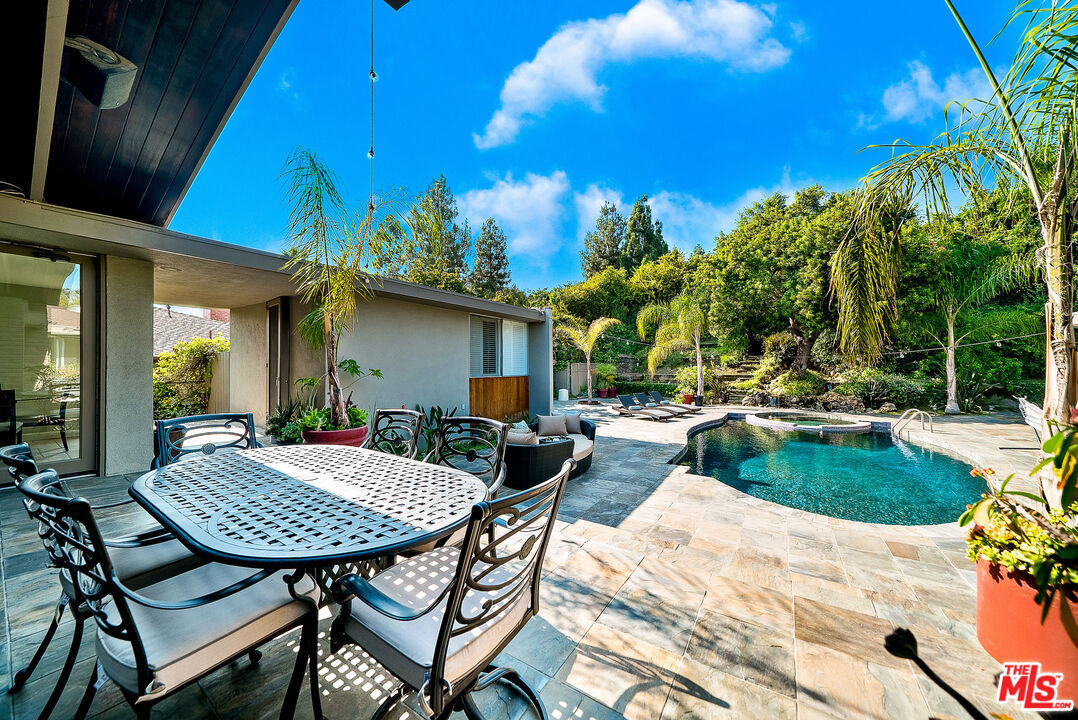
When now, I have finished this personal essay I began two years ago, I went looking for images.ย ย  A photo of the house I grew up in at 11508 Thurston Circle popped up.ย ย  Our home burned in the Bel Air fire in 1961, so I viewed the photos of the house built on the lot after Dad sold it.ย  All postmodern, nothing like ours, except this photograph I chose, the swimming pool he built, another childhood activity that evolved into a life pleasure.ย  The house is listed for sale at $2,075,000. Dad bought our home for $50,000 in 1955. Not one place I’ve lived compares to the idyllic life in Bel Air, and that is why I keep moving from city to city, and home to home, like a rolling stone.ย ย 


NEW BOOK REVIEW


Weaving together events witnessed personally and those gleaned from friends, associates, historians, FOIPA, INS and archives of the Department of Justice, author Luellen Smileyโ€™s memoir is a brief, heartfelt genuine reconstruction of familyโ€™s relationships of the past that neither dwells on nor dramatizes the true image of her father Allen Smiley, his allegiance to Benjamin โ€˜Bugsyโ€™ Siegel and the criminal world.

Author Luellen Smiley details her childhood and growing up days as a gangsters daughter- elusive as it may be by immersing her readers through intriguing happenings of everyday and events of the bygone years that justify her fathers masked behavior and restrictions for his adored daughter.

Definitelyย โ€˜Cradle of Crime: A Daughterโ€™s Tributeโ€™ย is a straight forward homage to a father and a triumphant tale of a daughter who broke barriers of secrets to reach the hardcore reality through her hardship and research.ย A not-to-be missed 5 star readย โ€˜Cradle of Crime: A Daughterโ€™s Tributeโ€™ย is a book for those who care for family morals and values and are willing to accept poignant twists in one setting. Highly recommended.

ON THE HOTEL ROAD OF TRAVEL


“Iย amย anย excitableย personย whoย onlyย understandsย lifeย lyrically, ย musically,ย inย whomย feelingsย areย muchย strongerย thanย reason.” ANAIS NIN

When I see a crippled person, a struggling Senior with a walker, or when I read the stories of the hostages, my blessings are embellished, and I remind myself of this. Maybe this entire episodic journey is to teach me to get outside myself.ย  Joy is not power, wealth, or attention; that is plainly human. Genuine joy interrupts someoneโ€™s suffering and transforms their mood and sensibilities.ย 

All the success that opened doors in my life paddled inย from friends, strangers, and just incidental connections. ย We canโ€™t do it alone, as much as I foolishly try to carry my wheelbarrow without direction and sound advice, this is where it took me. I identify with the outsiders who peddle the steps of solitude and sometimes donโ€™t reckon with their culture, people, or conformities.ย  ย ย 

TRUTH & TALK


Writing feels rusty today. I plow deliberately through the blank mental soil to find a blade of substance in a week of tragedy and cultural chaos. In conversations with men and women about our fractured culture.

 ” It was never like this when I was growing up,” that is from a fifty-year-old,

” I won’t get on a plane, no way?” from a forty-year-old.

” I don’t talk about my views with anyone at work or out of work, except my family and friends.” 

I replied, “Yes, we have to talk niceties, bland boring conversation. “

When I was growing up, there was more joking, laughter, and confessional conversation. I was thinking about my high school years; we talked a lot about emotions, our parents, our dreams, and our fears. I don’t recall restraining what was on my mind. Perhaps that is why the majority of the younger generation prefers social media friends, as they can be easily deleted or blocked.  On my FB page and feed, not one follower or friend reveals their political views, including myself. Isn’t that so contrary to humanity? And political violence, I keep hearing we won’t tolerate that on the news, but we are tolerating it. Do we all need drones over our homes for security? An optimist would say, We can do better, and we will; a pessimist might say, I think it’s going to get worse, and a nihilist would say, Life isn’t worth fixing; it’s just worthless.  

I canceled my utubetv cable account, because on most days anxiety is at full tank without the news. ย In this new state of freedom from home; maintenance, repairs, showings and tenants, time is on another clock.The one that ticks as a writer in progress who is dusting off the least truest of thoughts. ย ย ย ย 

Leave a Comment

DEATH DISORDER


ย The order of this week is disorder. Not the trivial disorder of a closet, or a work in progress; this week is the unraveling of the self, which comes with separating from someone or something you love dearly. ย It is the subject of: poetry, theater, film, literature, dance, visual arts, and music โ€” all forms of music from opera to rap. For all of you who have mothers and fathers close to death, and you don’t want them to leave.

Adults protect you from the brutality of death when youโ€™re very young. They keep it behind locked phrases like โ€˜she had to go away to a better place; youโ€™ll understand when you grow up.โ€™ The camouflage of death may go on indefinitely until one day, you are hit over the head with a block of ice, and it splits you right down the middle. You can see your guts spilling out, and everything is all out of order. Walking is an effort. Thinking clogs with the big question: Why? Why canโ€™t we all stay here together and live forever?

Flashback to 1966 โ€” I was very young, not so much in years, but when I was 13, my mental and emotional age was more like that of an 8-year-old. I donโ€™t know if I was ADD or DDT because those acronyms were not in vogue yet.

My development was arrested because I was raised on a fantasia of false identities, fiction, and privilege. I thought we were prosperous, happy, and would live together forever. The fantasia of falseness was abruptly taken away on June 19, 1966. On that day, I saw for the first time my father weep uncontrollably. I was told my mother was in heaven.ย  My father was seated on my mother’s avocado green sofa in our tidy mid-century apartment in Westwood. Nana โ€” motherโ€™s mother โ€” was sitting on the sofa next to my father.ย  Nana and Dad had reconciled for the period my mother was sick with cancer. They both were sobbing. I was not, I was in shock. There was nothing inside of me but resistance, a blockage of emotion that remained there for so many years.

I was left in my fatherโ€™s care. He was busy avoiding government subpoenas and running the Fontainebleau Hotel in Florida.ย ย  He kept a command post on my emotions. He would not tolerate my grief, because he could not tolerate his own. So, I had to chin-up, chest out, walk up and down Doheny Drive in Hollywood where he lived and pretend I was going to be fine.

When I turned eighteen and left my fatherโ€™s apartment, I was free to unravel my feelings for the first time. The emptiness was filled with confusion, anger, and drugs. If college was supposed to be my best years, then I missed that chapter. Looking back, the real leap to personal growth came at that time when I was left unattended to wander through life with my own eyes as guardian, and my heart as my compass. That is when I missed my mother the most. It was my fortune to have my father back in Los Angeles, throwing his weight around from a distance. He kept me under radar by having a friendโ€™s son working in the admittance office of Sonoma State College.

I remember days when my mental attitude needed electric shock therapy. Miraculously, I did find my way home, and to the matter of my mother, and growing up with gangsters. From a wafer of stability, very slowly, Iโ€™ve built a nice lifeboat to keep me afloat. My screaming, cantankerous, and intimidating father who loved me beyond measure is in this imaginary boat, and my mother who loved with a silent gentle hand she gave to me whenever I needed assurance.

All I have to do is look at her photograph placed in every corner of my house, and I regain momentum in my lifeboat. When I am particularly insolvent with lifeโ€™s measures, I recall the years she spent fighting cancer so she could continue to hold my hand. How can I disappoint such a woman? I cannot, and I know that with more certainty than I know anything. We all have a basement strength that rises up and balances us when we need it. Each time we cross that unpleasant road and say goodbye to our friends, our pets, our parents, or our siblings, we have to find our basement strength.

You can read poetry and essays, listen to opera or rap and find five-thousand waysย  of expressing the same painful stab of separation. If the comfort comes in just knowing โ€” we all have that in common โ€” then all you have to do is tap the shoulder of the person in front of you, and ask, โ€œHow did you handle it?โ€

Or as Henry Miller said, โ€œAll growth is a leap in the dark, a spontaneous unpremeditated act without the benefit of experience.โ€