Adventures in livingness aren’t just about extroversion, what we say, how we behave, or how we respond. More importantly, they are about our inner changes when life demands that from us. No one hears what threads are spoken in our heads, the ones that are flawed from indecisiveness, the ones that have been molded from things long past, the new threads that are unfamiliar, and the ones we need to rip out entirely.
Sunday thinking: future, plan, prepare, implement. What if I go West, East, North, or South? One at a time. I use it a lot; it’s my mascot, mental disability. If I got over it, I would delete it from wherever it rose.
It reminds me of Rudyard Kipling’s If Poem. I am fearless one day and fearful the next, a collage of paradoxical thoughts. Emotions are my yellow brick road and also the vouchers of the victim. I’ve never been an A student of defensive tools; my acquiescence serves my need to be approved, which is so annoying.
I am not going back to childhood experiences; that cathartic tunnel has been examined, and approval and cherishing is the pillow of my contentment.
I feel artists and their works are not featured in the media, or maybe it’s because my scrolling is stuck on the essentials of living. In times of war, people must have known, see it now or never. According to Google, over two and a half million working artists live in the country. When was the last time you discussed it at dinner with anyone? I haven’t, and I don’t know why. Pop-up thoughts on life.
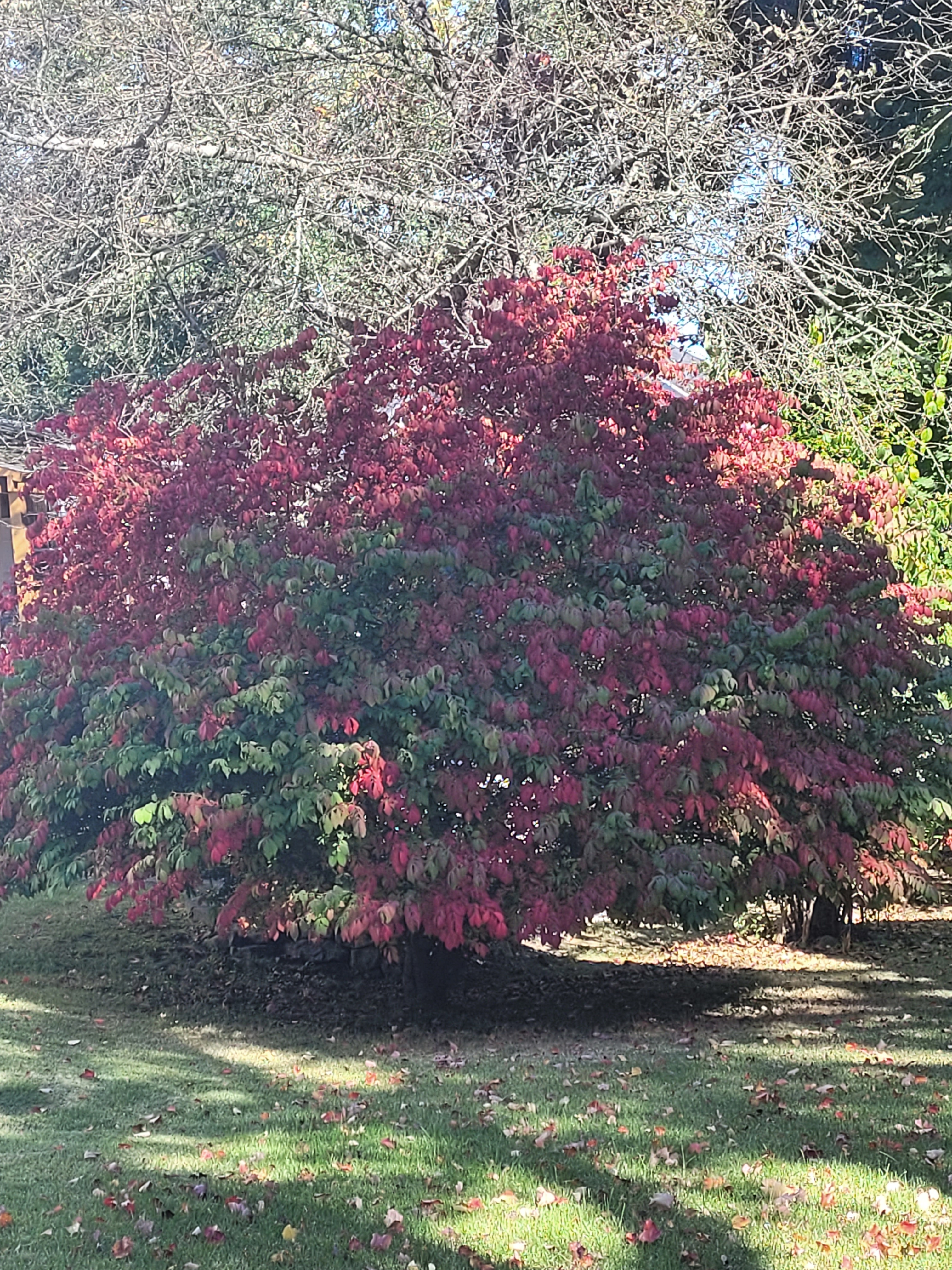
Why can the leaves turn lemon, plum, and tangerine? Why does the sky allow storms to shake up its translucent surface? Why can nature reinvent momentarily with wind, rain, hurricanes, and earthquakes? Why can’t I change the colors of my mood? I get daily messages from an Instagram member named Asad—inspiring, and he circulates around the themes of mood, attitude, loneliness, and inner strength. All of these have toppled my life since I can remember. I’m more taciturn than most people perceive. I can display a mannequin of poise and joy, but if you remove the surface, beneath is a conundrum of self-doubt, second-guessing, punishment, and fear. What’s even more destabilizing is I actually think I’m alone.
Last week, I observed the cashier’s facial expression and gestures at the Stop-& Go, which alerted me to her distress. I was buying a Cadbury chocolate bar after reading that chocolate is mood-changing, not just the hip-hop of energy; it can change your mood.
” I read that chocolate helps with depression, and these dreary dark days don’t help,” I admitted.
” Oh, I know. I used to be a registered nurse,” she said, facing me squarely into my eyes. I noticed a lot of cashiers don’t do that anymore.
” I suffer with anxiety and depression so I had to quit. I can mix up a Cadbury bar with a Snickers but not with medication.”
” I have the same as you, it’s changed my life as well. ” I looked at her name tag, without my glasses.
” You’re name is America? She laughed and her smile emerged.
“No, underneath, Dolores.”
” Thank you for listening to me,” I said
” Thank you, customers rarely acknowledge us.”
We don’t want pity or empathy; we all need recognition, and not in a text!
I’m angry. We can go to the moon, build cities, and predict weather, but why are we waiting now to rescue North Carolina, Florida, etc.?
The hurricane was reported days ago. I looked up the exact date but couldn’t find it. All federal resources should have been there before Helene took lives, animals, homes, streets, businesses, and infrastructure.
My emotional tail is wagging. Curled up in my desk chair, I feel almost as if I was born in this chair. It’s cushioned me through a cyclone of adventures in livingness. This piece of writing was handwritten on a tablet back in late January. I’ve made some minor additions and deletions. Before submitting to a publisher, the editor I used asked me, “Why do you keep switching between past and present tense?” I told her I don’t control that until I’m in final editing. My control over my writing is identical to how I live. Acting on impulse, expanding the mundane into a musical, feasting on all the emotions, and fabricating thorny Walter Mitty encounters. I don’t even think of applying proven methods; I make up new ones. Back to this plateau of solitude. Love what you have, and especially yourself, with all your flaws. Integrity is more critical; be proud not just for yourself, but because someone out there needs you.
PART TWO: After reading this and while emptying the trash, I was struck by this: the big payback to living as I described is an adaptation to proven methods. I’m learning pragmatic over poetic.
It is my mother’s birthday, so I am thinking of her. If she had been here today, we would have had this conversation.
Mom, I can’t hold up, I’m so beat down.”
” You have to. I know your situation is degrading and frightening, but you don’t have a choice. You have to use all your strength.”
” I wish I was more like you.”
” You are like me, and I know you will overcome.
After our home burned down in the Bel Air fire, my parent’s divorce was in motion. Dad moved to Hollywood, and Mom moved me to Westwood to a studio until she found work. Mom returned to modeling to support us.
The leaves, I noticed when I drove out of the driveway a wispy wind and a few leaves blew past my windshield. I don’t think they want to die or hibernate; I don’t want to hibernate; that’s what you do if you are in upstate New York. Even this summer, the porches are empty, and the owners only come out to garden or empty trash. I’m the only one who sits on the wrap-around porch, head perched up to the sky to see what drama she’ll bring.
Where did we go this summer? Where did you go or do? One friend went to Croatia, another to Finland, and another to Sonoma. I prefer to travel in September, with my crowd cowardice and fear of flying; I’m waiting. Of course, I cannot leave because I am showing the house to prospective buyers. They are all very similar, rave and applause for the house, and their offer is two lines above insulting. Or maybe I am still in my delusional dream that Follies House is worth what I priced her. It is a voyage into the Twilight Zone; I see one house, and they see another.
Back to the leaves, the fall’s language, movements, and tasks will turn inside out. Soon, the blowers and street cleaners move all those beautifully colored leaves. I leave mine out until my gardener orders me, sweetly, LouLou, it’s time for fall clean up, or you won’t have grass next summer.” I won’t be here next summer, but I don’t say that because we’ve become pals, and he likes to manicure my lawns; I always greet him and George, his helper, and listen to their grievances.
Beyond the seasonal altercation, like a dress that needs hemming, emotions stop boiling over and seem to simmer. I am still determining where that originates, but I experience it every year as September approaches. Autumn is about awe. I read that somewhere. We slip into the interior chambers of thoughtful reflection, crunching the leaves of our souls for answers to questions.
I called my pal Jerry because it had been a few weeks since I had spoken to him. We have been friends for many years, but we have absolutely nothing in common. He’s famous for his photographs and films, that’s all I can say. I didn’t ask for his approval as I write this.
” Hello,” He sounded drowsy.
” Jerry! Did I wake you?”
” Yes.”
“I’m sorry. I’ll call tomorrow.”
What for I’m awake now. I take naps because I can’t sleep through the night; I close my eyes, think for maybe an hour, fall asleep, and wake again five times in the night. What’s happening with you?”
” You are cerebral, so turning off your head would take a bulldozer or something.
“That’s a little drastic.”What’s happening with the house?”
” Showings, repairs, and a few offers that were insulting. I have a question.”
“Oh no.”
“What do you do when you don’t know what to do>”
“I call my attorney.”
” For life questions?”
” I don’t have any more questions at ninety-six.”
” That sounds peaceful.”
, We sidetracked an upcoming appointment with his doctor about sleep medication.” It’s tomorrow, I don’t feel like going,
” So don’t go. I had an appointment this week for a mammogram. That morning, I woke up trembling, panicked, wobbly, and so I called and canceled. When I told the representative I was having a severe panic attack, she laughed and said, I hear that all the time.“
“What’s the mammogram, is that for breast cancer?“
” Yes.”
” What do they do?
Oh, it’s weird. The nurse takes hold of your breasts, places them between two clamps, and then tells you not to breathe or move while they take an X-ray.
“What if your breasts are too small?”
“Ah hah, mine used to be, so they’d tug at them, and it was more painful than the clamps. When I turned seventy-one this year, suddenly they inflated, and I can fill my B cup to the rim.” He was laughing, imagining he had some visual, and that was good. We have better dreams when we sleep with pillow joy.
“I’m going to go to sleep now>”
” I hope you do. I’ll think of more breast stories tomorrow.
You survived the storm and did very, very well. Perhaps that’s how our souls mature?
[…] UNTITLED MANUSCRIPT SYNOPSIS – ADVENTURERS IN LIVINGNESS […]
Excellent! So true. XO Sarah Z. SleeperExecutive Director, Library Guild of Rancho Santa FeAuthor, Walloon Lake (2026), Gaijin (2020)858-357-7877 https://sarahzsleeper.com/
Saturday, a heavy clog of humidity tries to zap my energy. I slept six hours, so I fight, do laundry, do a bit of weight lifting, go up and down the twenty stairs twelve times, and wander in my mind. I answer the first phone call of the day.
” Hi, how are you? ?”I pause to answerwith some amusing honesty.
” I’m cleaning my brain?
” How do you do that? You’re funny.”
” “I sweep away all the repetitive scary thoughts.”
” What about you? My friend sighed and then zigzagged into her struggles, taking care of her ninety-six-year-old mother, who does not speak English; my friend is Armenian. She works full-time as a court translator, has two children, a husband, and about fifty friends she continually connects to.
“You are four people in one. I don’t know how you do it?” Is your Mom still living with you?”
“ Yes, she can’t walk. She sleeps in the living room because the bedrooms are upstairs. It’s difficult. I have to feed her as she’s now refusing to eat.”
” Please try and get a nurse’s aide to come in and help you.”
“She won’t let anyone touch her but me.”
“I find that selfish, not to be critical, but you will wear yourself down.”
” She’s always been like that; in my culture, you never abandon a parent, no matter what. Her mind is sharp, so that is good.“
” Heaven isn’t good enough for you,” she chuckled. I often improvise to be amusing because her laughter is boisterous, and we all need more injections of humor.
” Have you decided where to move when it sells?”She asked again.
” Yes, I was looking at my book on Italy, all the different regions, and I think Anacapri is a good choice.”
” Oh, Greta… that is so expensive; what are you thinking?”
“I’m not thinking I’m daydreaming.”
” I have an idea for you. There is a new trend, something like Boomermates, a group of people who share a house, and you don’t have to sign a lease. Go look in San Diego and find something.
“Roommates, strangers, you mean?”
“Yes, why not?”
” Would you do that?”
” Probably not. A studio anywhere in San Diego is two thousand at least, and don’t use the proceeds from the house.
“Now you’re daydreaming. I’ll have to use some without the rental income until I find employment. Are you home now?”
“No, I’m driving to San Diego for a court appointment
“It’s what, six in the morning?“
“Yes, I wake up at five.”
” Every time I come here, I think of you. You were a great leasing agent. You leased about fifty of my units. You can get a job leasing in a nice project. Oh, you should have bought that unit. I remember G4 when we converted to condominiums.“
“Yes, you’ve told me that a hundred times.”
” I made the same mistake. What can you do?”
” Complain and then accept what you can’t accept. Like selling my home.”I went through my steamer trunk and found my marketing portfolio when I opened Follies as an artist retreat. It was nonstop theatrics. One time, I hosted a theater group of six young actors; they were so much fun. Ah, memories.
” You will make it; look what you accomplished, winning a foreclosure, Greta; that is something big.”
” So is my glass of wine.”
“I’d be doing the same in your situation.”
” Another showing, a really nice family. They’ll make an offer. They commented that the exterior paint is their issue, so did I tell you already? I found a marvelous painter from Albania, and he’s given me a very reasonable price to paint the entrance, balisters, and overhang. You know that curb appeal is critical.”
” You shouldn’t spend your money, Greta, how much?”
” Three thousand, and it’s a lot of scraping and ladder work. It’s the right decision if I may disagree with my real estate guru.”
” That is reasonable. Keep me posted. I’m in San Diego now, so I will speak to you soon.”
” Heaven isn’t good enough for you.”And I’m leaving Follies in the best I can because she was so good to me.
After several summers in Saratoga Springs, I discovered I loved thoroughbred horseracing. All my life I’ve been a performing arts spectator. I never watched any sports on television and only attended baseball games when my father needed a companion. The art of performance led me to experience the racetrack as live theater.
The racetrack is a stage, the jockeys are the actors, and the men and women that fill the bleachers, the picnic grounds, the Turf Club, and the private boxes are the audience. The racehorse is the star celebrity.
The tickets for admission, like any show, are based on your seating. You can walk through the gates for $3.00 or buy a box for $100,000 a year. The collage of human emotions, drama, suspense, and danger are key components to good theater.
Gambling personifies the Shakespearean twist of the racetrack. High rollers and drugstore cowboys wager to win. Some men walk out with a grocery cart of recycled cans; some walk out with enough money to buy a racehorse. They leave by the same gate, and the next day, they return for more. But why, I ask, is thoroughbred racing not considered an all-around American sport? Why don’t jockeys get athletic respect? These two spheres of lightning truth struck me while I trampled through the mud one rainy August day at Saratoga Racetrack.
I asked around for opinions. The Governor’s bodyguard remarked that it was a good question. He did not think gambling was the reason because people always bet on sports. He thought maybe that it was because, as kids, we don’t learn to race horses, like baseball and football. The public is naïve about jockeys because they have never raced. Another answer I heard was that 200,000 fans fill a ballgame on any given day and that those numbers don’t compare with horseracing.
I’m not a gambler, and I don’t ride very well, but I am a drama whore. I took my notebook to the jocks’ room to ask the jockeys what they thought about this irregularity in sports. Jose Santos had a few minutes to spare.
“Jose, do you feel like America thinks of you as an athlete?”
“We don’t get the respect that we should. I think it’s the gambling. This is the greatest racetrack in America, and there is gambling in every sport, but when you come to the track, you see it right there, and people cannot avoid it. Pound for pound, we are more fit than most athletes.”
I asked Jose what he does aside from riding. He jogs three miles every day and walks for a mile. He reminded me that if he goes down with the horse, his strength is what gets him back up again. Another misconception is that jockeys only ride for 2 minutes. Well, the race is 2 minutes, but they ride every day of the year. They do not take breaks.
“How does the public perceive you?” I asked.
“In Europe, they are treated like movie stars. Over here the jockey is just another person, and in sports, the jockey is low. I wish we had more respect, but we don’t get the publicity.”
This feels like the guts of the truth; our little minds like to align with other like minds. The leaders of the pack go to football and baseball, and the media follows behind.
Jose remarked that he only felt real enthusiasm and support when he won the Triple Crown. Otherwise, they get a little column in the paper with the results. “The Racing Form is 100 pages, and nothing is written about us.”
“What if there was a Jockey Magazine?”
“Well, that would be great. Then, the companies would be interested, and we’d get sponsors. When I go out to the park and run, I wear Nikes too.” He chuckled.
“Have they ever approached you for sponsorship?”
“No, I don’t expect they will.”
A few days later, I found Jerry Bailey before a race. It was a cinch to get into the jocks’ room in those days. That was before Elliott Spitzer sipped all the fizz out of Saratoga Race Track. These days the Press can’t walk inside the Jocks’ room. Jerry hopped onto a counter and extended his hand.
“How are you?”
“Great, Jerry, thank you for meeting me.”
“Sure.”
“Jerry, I’m very interested in the lack of sports sponsorship offered jockeys. Why do you think that is?
“Because no one is promoting us. If you don’t do anything to promote us, how does anyone know? They have bobbleheads and gimmicks like that, but there isn’t even a Jockey Calendar. Excuse me now; I’ve got to ride a race.”
Of all the risk-takers and entrepreneurs in the world, horse racing is the champion in all categories. If I decided to understand the business, attend every race, meet every owner, jockey, and trainer, there’s no chance I’d understand anything more because I do not love the horse the way a jockey does, and you can’t fool the horse!
During the Hall of Fame Induction presentation at Saratoga a few years back, D. Wayne Lucas made a speech that drew a full house of gregarious applause. This is an excerpt:
“You ride a great horse, and the owner wakes up the next day and decides to switch to Bailey. The adversity is gut-wrenching, bringing you to your knees and humbling, whether you’re a rider, trainer, owner, or breeder. There’s one thing that will keep you going, and that is simply your attitude. Attitude is the most important decision you make every day. Make it early, and make sure you make the right one. You will have a very full and very peaceful life.”
Maybe it’s time for a Jocks Nike, call it the Two Minute Nike.
Part Two. Solana Beach Morrocan Bungalow 2003.Maurice was 84
Maurice married the love of his life on December 25, 1941. They married in December because Maurice had saved one thousand dollars and made one hundred dollars a month. Agnes, his girlfriend in Grant, Iowa, is the woman who led Maurice out to Rancho Santa Fe, California, from his home in Grant. She and her father worked for Ronald McDonald, a prestigious resident in the ranch. She was responsible for housekeeping and cooking, and her father was the chauffeur.
Agnes and Maurice went to the US Grant Hotel for dinner and stayed at the Paris Inn on Kettner Avenue in San Diego. The following day Agnes went off to work. Maurice stayed in the little guest house she occupied on the McDonald property. Two days later Maurice received his draft notice. On December 31, he left his new bride and reported for duty in Escondido. He had one short visit before he left for overseas. Then, the next time he would see her, he would be changed.
Buna
One summer evening, I was sitting on Maurice’s front porch. Sometimes, we would sit out till after eight o’clock at night talking about different parts of Maurice’s life. Maurice is really busy in the summer; he tends to his garden of fruits and vegetables, he delivers furniture for all the Cedros merchants, and he helps his friends. He never seems tired, he likes to sit on the porch, have a beer, and tell stories. I used to like it when my father told me stories, but they were unlike Maurice’s. There didn’t seem to be anything he
couldn’t talk about. Once he said, ” You can ask me anything you want.”
“Maurice, how old were you when you were drafted?”
“Well, I was thirty-one years old in 1941 when the war broke out. I had to leave my wife, which bothered me, but I wanted to go overseas and fight for my country. There were so many nice soldiers, the best people in the world. I recall two boys from Chicago that were only eighteen years old, they lied to get in the service, and they were the best soldiers you ever saw- they weren’t afraid of anything.”
“Where did they send you after you left San Diego?”
“Well, first, I went to Camp Roberts for thirteen weeks of training, but I got out in nine weeks. Then they sent me to Fort Ord to get my gear, rifles, and clothes. We left San Francisco on April 21, 1942. We got into Adelaide, Australia, after twenty-one days at sea.” Maurice paused like he had to catch his breath. I watched his face, thinking he may want to stop.
“You remember so much… Do you mind talking about it?” I asked.
“No, I don’t mind; it changed my life, everything about it.”
“Where did they send you after that?”
“We trained for a while in Adelaide; the people in Australia were so happy to see us. I remember they met us at the beach with tea and cookies. The enemy soldiers were getting close. We went up the coast to New Guinea and into Port Moresby; we got there on Thanksgiving Day 1942. As soon as we got off the ship, the bombs hit us; it was the hundredth raid that night. The next morning we were supposed to get to the Stanley
Mountain range, we were in such a hurry. The Japanese soldiers built cement pillboxes and the army wanted us there. So we got in this plane, and they flew us there. Twenty-one at a time. When I got to the island of Buna, there were dead soldiers scattered all over the beach. We lost men so fast. Then, on Christmas Day of 1942, General McArthur ordered us to advance, regardless of the cost of lives. My division was one of the first to stop the Japanese army, the 32nd Division. After we were immobilized and a lot of our men killed, they sent in the 41st Division to take over.”
Maurice’s memory was like listening to a documentary, and this was the first time a Veteran confided in me. They didn’t get supplies at first; they had to wait till everything was shipped to Europe. They got what was left over, which wasn’t much. He ate cocoanut bark for two weeks and had no water.
“I can remember so well the first Japanese soldier I saw. He was sneaking through the jungle, only thirty feet off. I don’t know if I shot him, but he dropped. I don’t like to think I killed anyone, and it bothers me to this day that I had to kill. The Japanese were good soldiers; they had better ammunition than us. We fought all day, and we always ran out of ammunition before they did. I’ll never forget Christmas Day of 1942. We went into a trench to get ahead; the fellow ahead of me was cut wide open, and the guy behind was shot. I just lay there on the ground. If you moved you’d be shot. It was so bad; I lay there all day and night. ”
“Did you think you were going to die?”
“I didn’t let myself think that. I promised God that if I ever got out alive I’d never complain about anything in my life again. Nothing… nothing could be worse than that day.”
“You kept the promise, didn’t you?” I asked.
“Yes, I have.”
“And that’s why the war changed your life?” I said.
“That’s right. Every day is a beautiful day after you’ve lived through war, at least for me,” he said.
Excerpt from manuscript. All rights reserved. No part of this work covered by the copyright herein may be reproduced without the author’s prior written permission.










 ADVENTURERS IN LIVINGNESS
Leave a Comment