UNTITLED MANUSCRIPT SYNOPSIS


Gaslighting: Psychological intimidation, maliciousness, an attempt to make (someone) believe that he or she is going insane (as by subjecting that person to a series of experiences that have no rational explanation).”  

Without a partner, lover, or relative nearby during our feared and festive flights of life, our ribs cave. You cannot eat cake alone on your birthday, attend a funeral without a shoulder next to you, or celebrate a finished project without your best friend.

 Greta exposes the mutilation, gaslighting, and abuse that is inflicted on her emotions, psychology, mental and physical health, and her finances.  

Eve, a manipulative predator, employs gaslighting to destroy a trusting and intimate relationship of thirty-five years between Greta and Dodger. When Dodger met Eve, she found her suitor, sponsor, butler, and honey-do mate. She wields fierce control over him. Dodger obliges her menacing, mystifying, irrational gaslighting methods to incite Greta’s self-doubt, mental decline, and financial depletion.  The real estate investments Greta and Dodger own are facing foreclosure, as he collects rent to cover Dragon’s consumption and vacations, leaving the mortgages in default. Dodger is forbidden to communicate with Greta, ensuring her emotional decline exacerbates.  

While Dodger occupies a home with Greta, he engages in repetitive attacks, stalking, frightening, and psychotic behavior to destabilize Greta.  Two of their properties are in foreclosure. The remaining investment is at risk, forcing Greta to relocate to New York to salvage their home. Hospital visits, medication, and a desire to die battle against her will to survive. Greta’s story serves as a testament to the power of friendship—not in solving her problems, but in safeguarding her from being renounced.

Last Page.

Closing Paragraph: I’ve lived without a partner, lover, or relative nearby; my ribs did not cave. I ate cake alone on my birthday, cried at a friend’s funeral without a shoulder next to me, and celebrated the liberation from Dragon and Dodger.

MY NEIGHBORHOOD-MY LIFE


As a child I understood in a subliminal fashion that my father was unlike other neighborhood fathers who left each day to go to the office.   My father worked from our home in Bel Air, California, and hotels: The Beverly Wilshire Hotel, the Bel Air Hotel, The old Beverly Glen Terrace, and restaurants:  La Dolca Vita, Matteos, Copa de Ora, Scandia, La Scala, Purinos, Chasens, and building lobbies,  parking lots, telephone booths, and race tracks.   Sometimes he talked about a really big deal he was working on, and other times he said he was returning favors.  The exchange of favors between mafia associates was written about way before I came along, by Damon Runyon and Mark Hellinger.

Deals and favors are what I understood as my father’s business. This kind of business made him available to me during the day, while other father’s had left their homes to go to an office. From the outside looking in, we were a stylish Westside family, with colorful friends, members of Sinai Temple, and frequently seen in the company of established doctors, Oilmen, and attorneys.  My mother went door-to-door as a Red Cross Volunteer, and my father’s charity supported the United Jewish Federation Fund.

Our next-door neighbors were movie actors: John Forsythe, Burt Lancaster, James Garner, and Peter Morton, the legendary founder of the Hard Rock Café.   Peter was a few years older than I, and I loved his mess of tousled curly brown hair, and his gentle birch brown eyes, slanted into the curve of sadness. I waited for him on some mornings to walk me to the bus stop.  I remember he looked after his little sister, and maybe I needed looking after too.  The memory of his kindness is sealed.   Most of the families in the circle had children, and it was only natural that we played together. When Dad’s name was inked in the Los Angeles Times for Mafia activities, all the kids quit meeting at my house, and many friends at Bellagio Elementary quit coming to our house.

In the foyer of our home, there was a wall mirror and a wall-mounted table. That is where my father kept his grey fedora and trench coat. I remember the times he dashed out of the house with the coat and hat.

“Daddy, why are you wearing your coat and hat today; it’s not raining?”

“I have to be ready for anything, little sweetheart.  Daddy never knows what the weather will be like out there.” The answer was a riddle, like almost everything my father taught me. A  simplistic statement on the surface, and a double-down meaning hidden inside.  That is how he communicated with me, and it had a purpose like everything else.

When I was five years old, my father took me out driving in his powder blue Cadillac. He made regular stops to meet a guy about something, had the car serviced and washed, visited a friend, stopped in telephone booths, and Schwab’s to see if there was any action.   He loved to sing in the car, with all the windows rolled down, and his arm wrapped around the back of the leather seat. He was as relaxed driving his car as he was lounging at home on the sofa. He drove with one hand while he sang,

“Que sera sera.” When I asked him what it meant, he said,

“Whatever will be will be, the future is not ours to see, Oue sera sera–that’s the song of life, sweetheart.”  He didn’t pay attention to stop signs, signals, or fellow drivers; he perceived them as second in line.   Once a policeman stopped us as we were driving out of Thurston Circle, and my father opened the car door, got out, and moaned, “Oh my God, Oh God, I’m having a heart attack!”  I watched him and yelled out, “Daddy, Daddy–what’s wrong?” but he kept howling.  The policeman didn’t take notice at all.   “I’m having a heart attack, let me go officer, I can’t breathe you SOB. You’re going to kill me!”  By this time, I was crying and making a lot of noise in the front seat.  The policeman then approached my father and handed him a ticket while my father continued to wail, “HEART ATTACK.”  After the policeman drove away, my father got in the car, steely-eyed and swearing. “Stop crying. Stop that right now!  Can’t you see I’m all right? Daddy just pretended to have an attack. That stinking cop is always hanging around here. He should be ashamed of himself.  Policemen have better things to do than give tickets.”  

“ You’re not sick?” I mumbled.

“ No, of course not.  Don’t tell your mother about this, sweetheart; she doesn’t understand these things.  Remember now what I told you, when I say something, you listen, and don’t question it.  I have reasons for the way I do things. ”

Adults try to deceive children with whispers, false identities, and lies, but a child has a superior emotional vision.  From that day on, I was always watching my father closely to see if he was acting or playing it straight. The memory is like a sealed stamp; even the narrative is almost exactly as I’ve written.  

The outings gave me a chance to meet dozens of men and women who exaggerated their feelings for me with overt gestures that I sometimes recognized as acts. Picking out genuine friends developed into a sense I couldn’t necessarily ignore.  It got in the way of my comfort around many of my father’s associates later on in life.  Nothing seemed to please him more than to present me to his friends, and wait for their praise, “You’re lucky to have such a beautiful little girl, and so well behaved.”  I remember this line because it is the same line I heard throughout adolescence.  My behavior was conditional on my father’s mood.  If I misbehaved, spoiled my dress, or broke something, it would ruin everything. My father would blame my mother, she would retreat from the living room, and I would be left alone.  This was the second of the lessons, I learned very young, not to make any mistakes.   ‘One error can ruin your whole life’, he told me on all the occasions that I erred.

Today, it’s not too surprising that I am ready to sit in the front seat with a man of choice, while he drives around and shows off his driving and leadership skills.  It’s not that I just don’t get excited about driving myself,  it is one of those childhood activities that evolved into a life long course of pleasure.   

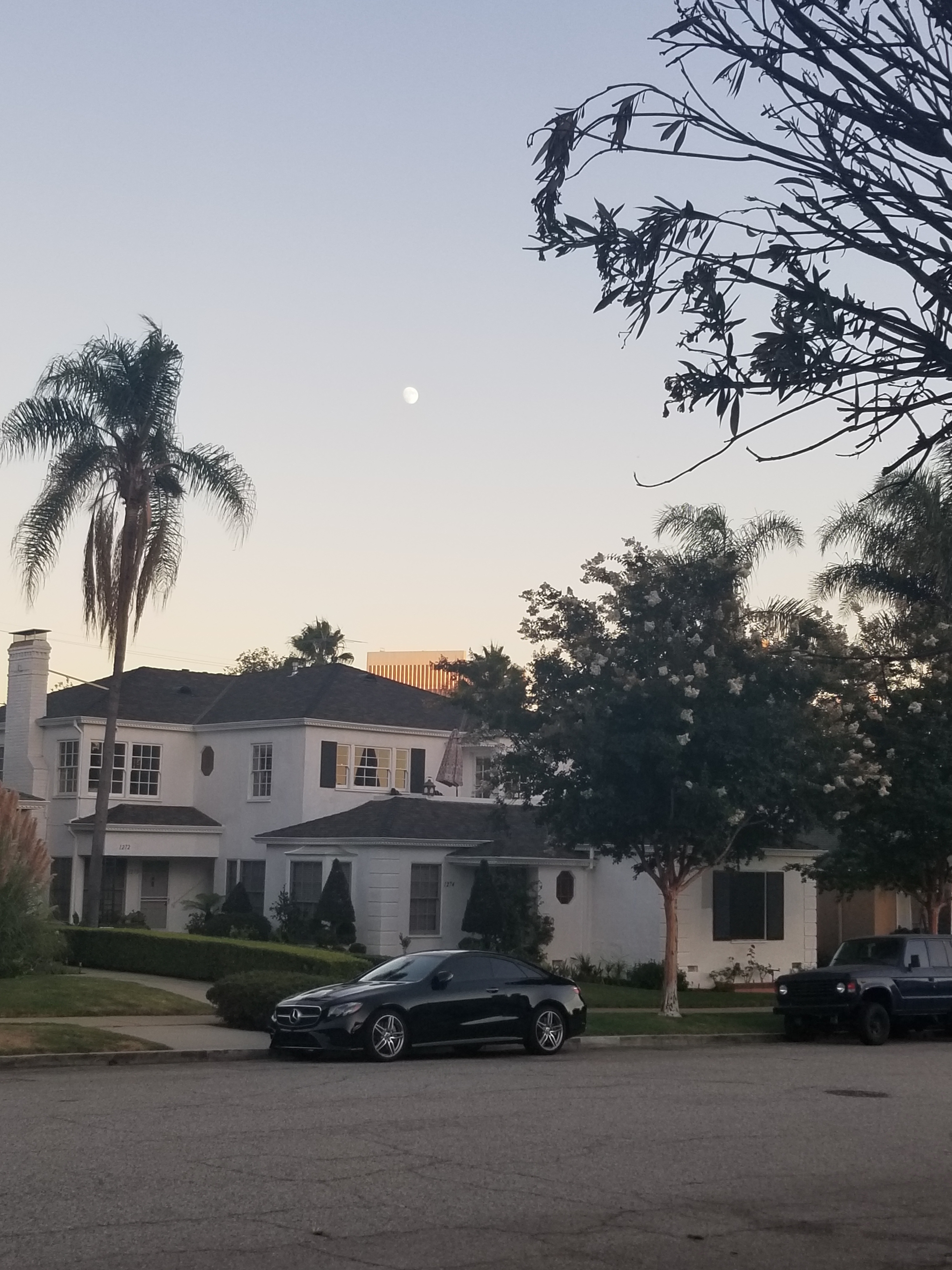
When now, I have finished this personal essay I began two years ago, I went looking for images.   A photo of the house I grew up in at 11508 Thurston Circle popped up.   Our home burned in the Bel Air fire in 1961, so I viewed the photos of the house built on the lot after Dad sold it.  All postmodern, nothing like ours, except this photograph I chose, the swimming pool he built, another childhood activity that evolved into a life pleasure.  The house is listed for sale at $2,075,000. Dad bought our home for $50,000 in 1955. Not one place I’ve lived compares to the idyllic life in Bel Air, and that is why I keep moving from city to city, and home to home, like a rolling stone.  
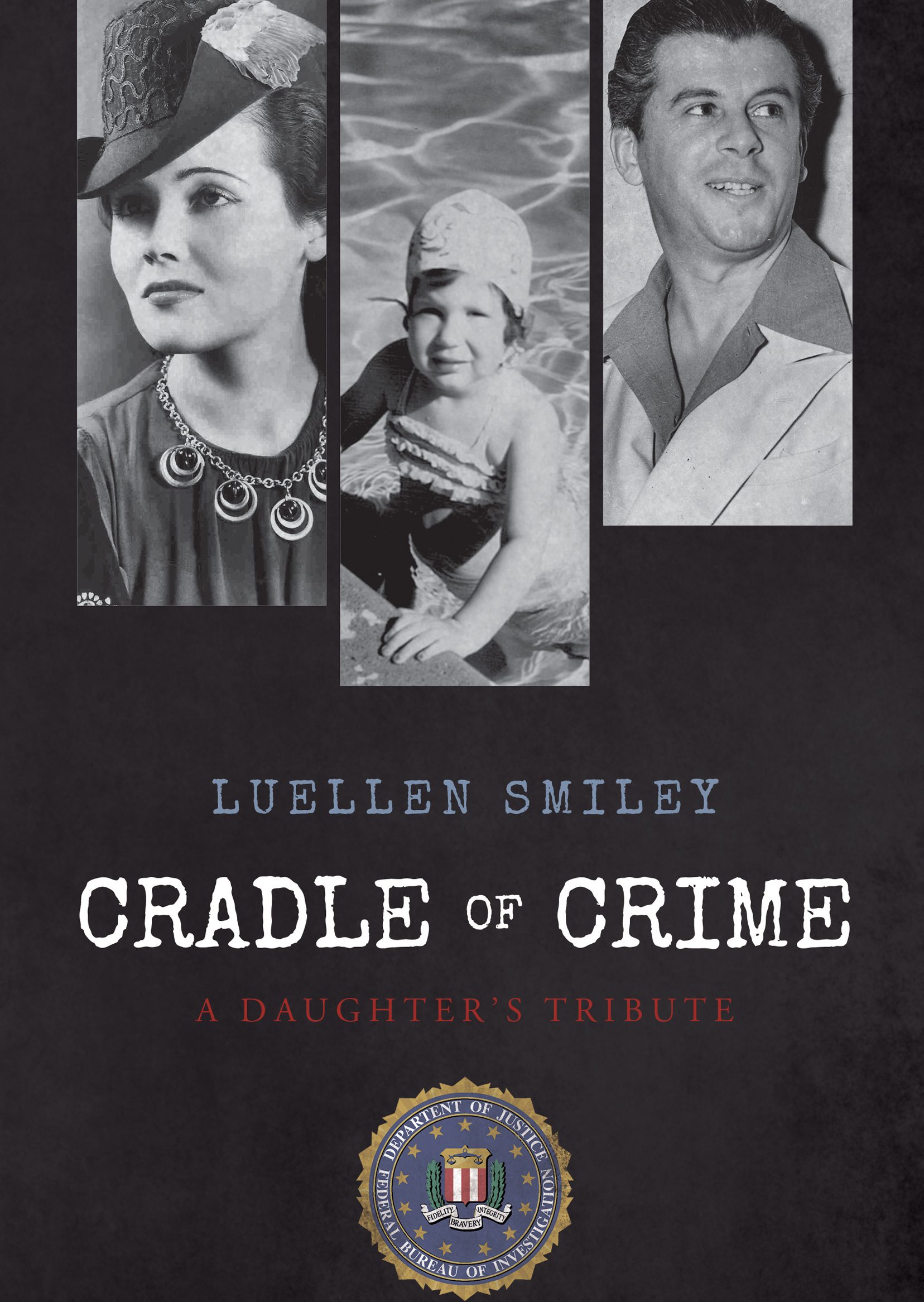
 

EXCERPT FROM CRADLE OF CRIME BOOK


An unexpected phone call came one day from Ms. Green, a woman I’d contacted with the INS about Dad’s files. She’d located them and agreed to give me copies of the five thousand pages! There was no going back now. Ed Becker told me that the INS most likely had copies of the FBI investigation, ‘Take it slow and remember the contents was written by your father’s enemies, the government! I had an appointment with Ms. Green the following week.

The split green metal door was closed so I knocked. A woman opened the door; she appeared the perfect clerk for a windowless metal room of paper. Long uncombed oily hair and a complexion untouched by sunlight.

“We’re closed,” she mumbled.

“How can that be? I have an appointment with Ms. Green.” The clerk looked at my despairing agony unwillingly.

“She’s not here.”

“My name is Lily Smiley and I’m here to pick up copies of the files on Allen Smiley. Would you take a look on the shelves in front of you? Maybe she left them on the front desk here.

“They’re not here.”

“Will you call her and ask where she left them?”

The clerk shut the door while I gripped the other side in case she tried to lock it.

“Ms. Green said they’re classified. We can’t release them.”

“Really? They’ve been classified in the last week?”

The door closed. I pounded on it and a tantrum sprouting from suspicion unleashed. I sensed the government stepped in and classified the files for a reason. As I descended the steps of the Department of Justice I saw my father standing with legs apart, arms crossed over his chest, seething with disapproval. I heard something like this, “You’re going to dig a little too far and sink in if you don’t stop this investigation.”

Westwood village where I lived with my mother sedated my defiance against the day’s disappointment. If I was in Los Angeles I’d stop and walk the streets where my puberty slowly blossomed in a college town with bookstores, two movie theaters, record shops, and the old Mario’s Restaurant where we used to order baskets of garlic bread and coca cola. Wandering through a kaleidoscope of the past, I walked into Walton’s Bookstore. I was intercepted by a prominent display of a newly released book; Contract on America, The Mafia Murder of President of John F. Kennedy. I opened the index and one of the first names I recognized was Gus Alex; my Uncle Gussie. He was a booming personality befitting his height, with jet black hair and bulky features. Uncle Gussie was married to my mother’s confidante Marianne; a statuesque blonde model and dancer. She held Grace Kelly poise. Even as a young girl I sensed she didn’t like me around. Marianne and Mom talked for hours in her bedroom.

Relief thickened with the absence of my father’s name in the index. Uncle Johnny ( Johnny Roselli) was written about extensively. I could only glance through the book; every page blurred into the murder of the most loved President in my lifetime. The allegation that  Johnny was involved in the JFK murder strapped me to that book for hours; an unforgivable juxtaposition between inquisitiveness  and apprehension. It was like playing scrabble with real names, photos, fiction or non-fiction I didn’t know.

EXCERPT: “West Coast Mobster Johnny Roselli was one of several underworld figures, chiefly associate of Carlos Marcello, Santo Trafficante and Jimmy Hoffa, whom Jack Ruby contacted in the months before the assassination of JFK. In the mid-1970s, an aging Roselli began telling associates, journalists, and Senate Investigators that Ruby was “one of our boys” and had been delegated to silence Oswald.”    JOHNNY ROSELLIJohn Roselli

I could not believe what I was reading; anymore than I would believe my father was associated or informed of these events.

I’ve been subjected to scorn, disgrace, and dismissal during  conversations about Johnny. Those of us kids who knew him as Uncle Johnny  have our own stories.


NEW BOOK REVIEW


Weaving together events witnessed personally and those gleaned from friends, associates, historians, FOIPA, INS and archives of the Department of Justice, author Luellen Smiley’s memoir is a brief, heartfelt genuine reconstruction of family’s relationships of the past that neither dwells on nor dramatizes the true image of her father Allen Smiley, his allegiance to Benjamin ‘Bugsy’ Siegel and the criminal world.

Author Luellen Smiley details her childhood and growing up days as a gangsters daughter- elusive as it may be by immersing her readers through intriguing happenings of everyday and events of the bygone years that justify her fathers masked behavior and restrictions for his adored daughter.

Definitely ‘Cradle of Crime: A Daughter’s Tribute’ is a straight forward homage to a father and a triumphant tale of a daughter who broke barriers of secrets to reach the hardcore reality through her hardship and research. A not-to-be missed 5 star read ‘Cradle of Crime: A Daughter’s Tribute’ is a book for those who care for family morals and values and are willing to accept poignant twists in one setting. Highly recommended.

HOTEL WRITING- FROM THE WEST TO THE EAST IS LIKE …


 I used to sit on the stoop in front of my Los Angeles studio. The dog walkers, gardeners, and residents formed the stage, with a backdrop of high-rise, two-million-dollar condominiums and vacant concrete terraces. From that, thoughts randomly tapped: I wish I owned that, wish I had that car, wish I had that garden. It is amusing how one’s view can determine one’s thoughts.


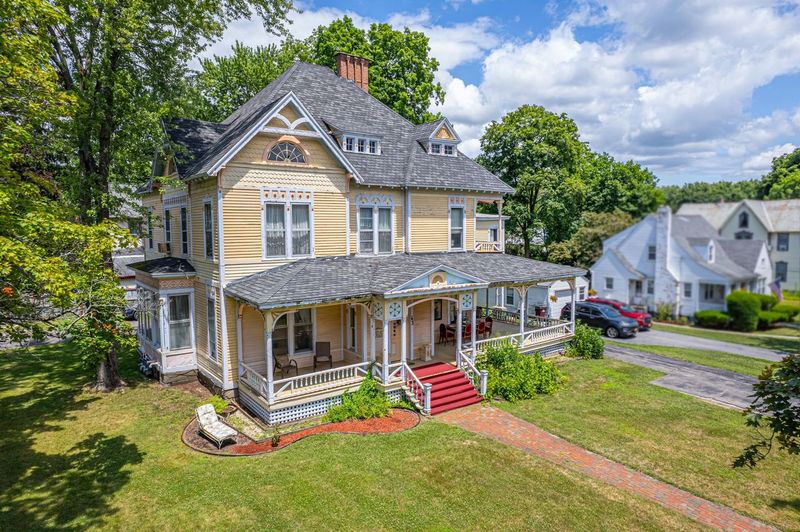
In Ballston Spa, where I lived the last six years, homes are two-hundred years old, or newly built to emulate the Victorian era. The automobile is sturdy, practical, and unwaxed. The way of this wonderment brings simplicity into my life. There’s no need to dress up and fit in; it’s the opposite here, dress down to fit in, or, like me, a combination. I am omitted, observed, and questioned, because, well, I never learned the answer to that, until this moment. Locals love locals, and I have never been one.

ON THE HOTEL ROAD WITH MOTHER NATURE & MANUSCRIPT


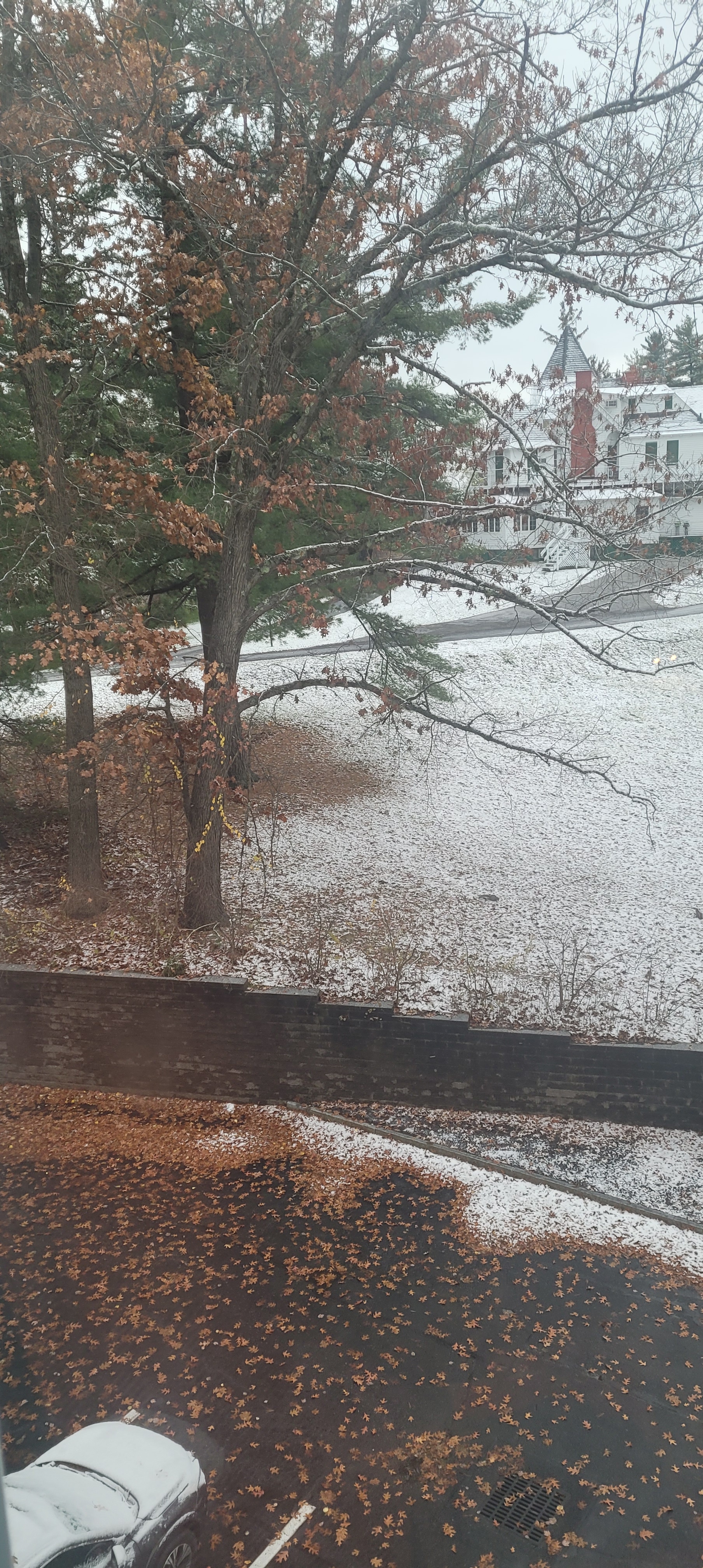
 Winter announced! First ladylike snow because I can still wear my loafers and jeans

I say this as politely as possible: Government stay away from my Genie. The annoyance of conflicting orders robs me of my Aladdin (magic moments). Mental sedation is needed while I edit my next book. I’ve been advised to delete 40,000 words from the 141,780 manuscript. Over three days I deleted 2300 words. My new friend Rose, says, ‘Chop chop, you can do it!”  

I feel like time is stained with interior stoplights, obstructions, and restrictions, within and without.   What happens is subtle, but when so much time is spent on soulless activities, life loses its Aladdin.  Even if you’re sitting on the beach at Turk and Caicos, dining al fresco with perfectly agreeable friends, and swirling in jets of aromatic succulents, I think our souls ache for simple genuine, honesty.  

TRUTH & TALK


Writing feels rusty today. I plow deliberately through the blank mental soil to find a blade of substance in a week of tragedy and cultural chaos. In conversations with men and women about our fractured culture.

 ” It was never like this when I was growing up,” that is from a fifty-year-old,

” I won’t get on a plane, no way?” from a forty-year-old.

” I don’t talk about my views with anyone at work or out of work, except my family and friends.” 

I replied, “Yes, we have to talk niceties, bland boring conversation. “

When I was growing up, there was more joking, laughter, and confessional conversation. I was thinking about my high school years; we talked a lot about emotions, our parents, our dreams, and our fears. I don’t recall restraining what was on my mind. Perhaps that is why the majority of the younger generation prefers social media friends, as they can be easily deleted or blocked.  On my FB page and feed, not one follower or friend reveals their political views, including myself. Isn’t that so contrary to humanity? And political violence, I keep hearing we won’t tolerate that on the news, but we are tolerating it. Do we all need drones over our homes for security? An optimist would say, We can do better, and we will; a pessimist might say, I think it’s going to get worse, and a nihilist would say, Life isn’t worth fixing; it’s just worthless.  

I canceled my utubetv cable account, because on most days anxiety is at full tank without the news.  In this new state of freedom from home; maintenance, repairs, showings and tenants, time is on another clock.The one that ticks as a writer in progress who is dusting off the least truest of thoughts.     

Leave a Comment

FREESTYLING SINGLE


         THE GYPSY CHRONICLES – Day 10.

Scintillating in luxury and comfort is therapeutic if mastered with moderation. So, my second week here in the hotel, I opened the thruway to discerning tasks: a deep dive into publishing my book, rewriting the ending so art isn’t imitating life, but the other way around, searching for part-time employment, a seriously pragmatic approach to where to move, and writing my pop-up columns. 

It is tremendously easy to write from this hotel room, without those damn barking dogs next to my home, the constant vibration and noise of mowers, blowers,  and city works.

On my desk is Henry Miller’s book, On Writing, and every page moves the mental nerves in some way.  “The writer lives between the upper and lower worlds: he takes the path in order eventually to become the path itself.”  From living in isolation in my home, my tenants are cordial but reserved; I am now swept like a surfboard into a wave of public swells.  It is their stories that come out of this experience.

I begin with the Casino, attached to the hotel lobby, and open at 11 am. Arrivals begin: gamblers shuffle inside, some in wheelchairs, younger men with speedy strides, couples, single women, a plethora of humanity in common, with one mission: to win. I take a seat at the bar, and eye wonder at the slot machines. I haven’t counted them, but the room for walking is limited.  There is one machine with the motif of a bull, and when someone sits, the bull grumbles loudly, so I pull out my earplugs.  I watched one man win, and after he left, other players who heard the winning clang took his seat. It is a popular machine.

The casino looks to be around eight thousand square feet, with seventeen hundred gambling options.  The path to get back to the hotel, I have to navigate around and around. The first time, of course, I went in circles as my sense of direction is like a butterfly’s. 

“ Excuse me, can you tell me the most direct way back to the hotel?”

“ Lost are you? Follow this carpet pattern, the one in the middle, and it will take you back.”

Off I trot, staring at the paisley pattern, through six different arenas to the hotel. I went outside and took a seat on the bench.  A woman passed by and stopped, “ How are you?’

“Adapting, I’ve not been here but a few days.”

“ Oh, we’re just checking out. I can’t wait to get home to my Pomeranians. I have two. I rescued them, and they are my babies,” she continued, talking about the dogs. As she spoke, I noticed how immensely liberated she was in conversation, and how her hair matched her outfit. She smiled while talking.

“ I’ve seen you before. I noticed your style; you were wearing such a pretty outfit”, she said earnestly.

“ Well, thank you, and so are you.”

“ Are you alone? I think you are, but don’t let that get you down.”

“ I wasn’t ready for a very long time. I’m crossing over that mountain, only I’m not like you. I can’t approach people the way you just did.”

“ I used to be like that! Now I don’t care, and you shouldn’t either. God loves you, we are all his children, and we need to love each other.”

I let her go on and thought any minute she might bring out a bible or a cross and start praying for me.

“ I bet my husband is looking for me; he’ll be mad, not really, he’s used to it. We’ve been together forty-five years.

“ Remarkable. What’s your secret?”  

“ Love, respect, and compromise, it’s really very simple. You’ll meet your honey, I feel it, you want that, don’t you?”

“Yes, when a man tells me everything is going to be okay, I settle down. I’m emotionally overweight.”

“You’re funny, see that is another quality that gets you through life.”

“ I see a man approaching, and she introduces her husband. He is tall, and emulates a calmness and contentment as he hedges into the conversation about going to Lake Placid.” 

“ Have you been there?” he asked.

“ Years ago. It’s beautiful.”

“  I turned towards his wife. I didn’t get your name.”

“ Donetica, Italian, my friends call me Dee.”

“I’m Loulou, and thank you for stopping by my bench.”

She giggled, blew a kiss, and said in parting, “ I love you.”

 As she left, a woman exited the hotel in a state of exhilaration.

“ It looks like you had a good day,” I said

“ Yes!  I won eight hundred dollars. She swung her purse and skipped off.  

Hmm, I wouldn’t mind winning at all, but I’m in enough ambiguity to play against those odds.  To be continued.

    ← Back

    Thank you for your response. ✨

    ← Back

    Thank you for your response. ✨

    Rating

    https://www.instagram.com/published66/

    WRITER AND AGENT


    RELOCATION REVEALS THIS, A POETRY FOLDER FROM 2002


    In that first blink

    I recall the joy of breaking ink

    That first line of verse

    Applauded by the universe

    Settled in paper

    Dried thoughts

    Scrapes of the heart

    Before it tore me apart

    The time has come

    To where I want to belong

    And sing the thoughts that live in my shed

    Without the tone of agent’s breath

    Blowing chagrin on my song.


    THE BEST WAY TO FIND YOUR PATH.. ROAMING

    ADVENTURESS IN LIVINGNESS this week ends with new directions in living. Before that happens, you have to get lost, detached, and miserable. It messes up your social life, your routines, your comfort, and your partner.  I don’t have one, so it’s all up to me.

    Men wonder why women change so often, why we are spirited unicorns one day, and mules the next. It comes from the universal need to roam, to feel new sensations and passions, and to find more things to love. Even our closets are overflowing with love: “I love those shoes, I love that coat.” We replace our wardrobes because we need more garments to love.

    At the crossroads of some moment in time, I stopped loving material things, my reflection, and went looking for a deeper direction of sensation.

    It started last year, when my life was tangled up in two projects that were not progressing. As long as someone didn’t raise the curtain on my imaginary life, I stayed right there, like a gearshift left in neutral. When failure and rejection continued to knock me on the shoulder, I welcomed the familiar knock and remained stationary.

    The exact moment I decided to shift gears was a painful one. I let go of both projects that were obstructing my motion. I have extracted the nature of the projects because it really is irrelevant. After I let go, and watched those long-term efforts just dangle from boxes, notebooks, and letters of correspondence, the straight of my back curved. Where is my direction? Where are any of us going anyway, except away from that moment we have no control?

     If I asked why this happened, and that happened, I was then distracted by some woman in the car next to me who was having more fun in her convertible talking on her cell phone. Routines were becoming burdens, and my favorite places of comfort were boring. Encouragement came from writing columns, reading letters, and those long, solitary road trips in the night.  I felt like I was sleeping, but even in that state of detachment people were finding me, and shaking me up.

     I remembered one of the faintest memories of my childhood. I cannot even recall the place I was, or who was there; most certainly, it was not my father and mother. We were camping out and I was in a sleeping bag on the hard gravel ground. It was so unfamiliar to me, the simplicity of the natural surroundings, the heavy black balm of tranquility, and the brightness of each star. I lied awake most of the night talking to my fellow campers, and at some point they said to go to sleep. I could not close my eyes. The adventure had swept me into a state of alertness, the kind that makes you feel extraterrestrial. That night must have taught me to welcome new adventures. Sometimes they have ruined months of my life, but most definitely, at the end, I sprung up with a new line of faith.

     Again, I am leaving out particulars because it is not the direction I took or what I’ve chosen. After all, it could be anything. We all want to roam, and love, and find some nugget of truth at the end of the road. I think women need to roam more now than men.


    FILM NOIR MESSENGER


    Photo by u041au0430u0440u0438u043du0430 u041au0430u0440u0436u0430u0432u0438u043du0430 on Pexels.com

    I watch film noir with an admitted addiction. The grainy black and white stillness, the music scores, the cinematography satisfies more than current cinema . The message comes through, live gracious, selfless, forgiving, brave, and passionate? As I feel these thoughts streaming along, the one that stabs like a knife is passion. That visceral sensibility has driven me throughout my life: about men, mystery, adventure, accomplishment, art, music, dancing, unfamiliar places and faces, and café society rendezvous. A temporary grasp of glee. And when it ends, it goes like this.  

    Unprepared, who knows where
    The leaves will fall
    They don’t plan
    Where to land

    Undisclosed strangers will walk in our paths.
    Cross our hearts and
    Tread on our minds  

    Uncertainly
    We traverse our heart’s discourse
    Shooting for dreams of undiscovered lands
    More weightless plans
    I don’t know if I can see ahead

    My steps, like pebbles, follow the rush in the river
    On the edge of the quiver

    Skipping towards freedom
    In summer, rays of light
    Like a leaf, I break free from the branch,

    To land a launch.

    MOODY BLUES TUESDAY


               MATISSE

    Writing somberly is parallel to writer’s block. It’s not a block, really, more like a resistance to engaging feelings.  If I place all the options on a puzzle board, this leads to the center. A fractured life impacts emotional posture and is not unlike physical posture. We slump or stand tall. We love instead of neutralizing, we are inspired instead of stagnant, we romance our passions, and we live to love. My heart is at the starting gate to love again, but the racetrack is missing. I’m undercover! I watch Blacklist or some foreign film in the evening. Most weekdays, I’m circulating between finance, selling furnishings online, shoveling snow, and researching acronyms because the news uses them so often.

    The vortex of discontent is a punctured life. The windows of my home reflect the splendor of nature that plays all day long in the winter.  I’m spending more time watching sky stage plays: clouds still, clouds moving, colliding, changing colors, sculpted into aberrations of animals and faces, than cognitive thinking. My collection of records and CDs accompanies the scenery. When I’m sorrowful, I listen to Ennio Morricone; when I need a lift, Vivaldi, Sundays it is Turandot or some other Opera. When I’m a go-go girl, Swing, Salsa, or The Stones, when I feel alone, Sarah Vaughn, Nancy Wilson, and Etta James, for writing inspiration Bob Dylan, Leonard Cohen, and Annie Lenox. 

          I don’t see any remedy commercials for a fractured heart. By tomorrow, the despair could vanish, like the rain that puddled us for the last two weeks. Everything I’ve experienced is good in the beginning. So, to begin, I will listen to Begin the Beguine. 

    “Begin the Beguine” is a popular song written by Cole Porter. Porter composed the song between Kalabahi, Indonesia, and Fiji during a 1935 Pacific cruise aboard Cunard’s ocean liner Franconia. In October 1935, it was introduced by June Knight in the Broadway musical Jubilee, produced at the Imperial Theater.  

        Henry miller writes in his book, “ Henry Miller on Writing” “Whoever greatly suffers must be, I suppose a sublime combination of a sadist and masochist.’  I suppose that a few of my friends have aligned me as such, and now that I write this, as in all writing, answers blink at you, and then the soul receives them like a wafer of wonder. Perhaps I am, but where that evolved and manifested, I have no time to think about it because the sun is out. I must sit in my newly designed sunroom, a small book library alcove that receives the sun at noon.  When I returned with my phone to snap a photograph, the sun disappeared like a footprint in the sky. Every moment needs attention. It’s twenty degrees outdoors. I am modestly adjusted and receive a thousand weekly warnings to get a flu shot. My doctor has tried persuading me to get a flu shot for three years.  I responded that I’d never had the flu and that my last cold was in 2012. He chuckled and asked the next question.