
FEBRUARY 3RD 2024EXCERPTโFROM A NOVEL IN PROGRESS
ย .
ย After weeks of metallic gray, the sun broke through, decorating Greta’s room. She is recovering on her bed, floating in Jazz instrumental music, remote in hand and undecided about what to watch. Last night, she socialized at her two taverns’, chatting with Weeds, a man with pockets full, which he offered Greta. For the next thirty minutes, he unplugged a breathless dialogue without inviting Greta, and she knew he was so lit up that he was unflustered when Greta said, ‘ Maybe take a break and eat your food.’ He continued to disentangle his weekly activities, what he thought about the waitress, some local gossip about the bartender who had been fired, where he grew up, and his wife’s battle with lung cancer. โ I am so sorry for you both.’ He thanked her and then sealed his tรชte-ร -tรชte as he ate. Greta took this moment to bid farewell and crossed to the other tavern for crab fritters. The bar was uncluttered, and she sank into the stillness. Her mood flicked into an irritableness, a discourse with the state of her life. The resurgence of the weekโs disputes, mishaps, and the approaching day she would be moving, and still directionless. It wasn’t until she was home, swathed in five blankets that she overcame the anxiety until she couldn’t find her phone. She searched all the prominent places, the car, kitchen, entry, and bedroom. โ โOh, for the love of God, I left it at the tavern. How humiliating. Maybe Iโll find it in the morning.โ Over the last few days, she has practiced positivity, rearranging her thoughts like a chess board; instead of choosing fear and remorse, she repeated every morning, I’ve come this far; what could be worse than the last five years.
This a refreshing, wonderful story in the fact that I got to see the unfolding of Allen Smiley and Ben Siegelโs story through the eyes of Allen Smileyโs daughter. I got to see the point of view of someone who personally knew Allen Smiley, the other side of him: the family man and her reactions to discovering her fatherโs past, secrets, and how people viewed her father and the Mafia. To my delight, the author also included journals and files relating to the criminal speculations of Ben Siegelโs murder which helped shape the bookโs framework. I felt like a detective myself as I read through the story and found out more and more about her fatherโs other life.
Greta got into bed early and started watching Feud, a new series about Bette Davis and Joan Crawford, played by Jessica Lang and Susan Sarandon. The film etches overcoming a middle-aged woman’s obstacles in life: men, finances, rejection, and loneliness.
A knocking at the door, ‘Oh no, I don’t want to see anyone.’
โPolice, open up.โ You couldn’t cut her tension with a semi-truck head-on. She opened the door to five male Policeman and a Medic.
โ Greta we are here because someone is very concerned about your welfare. I understand you made a reference to taking your own life.โ
โ Who called you? It was Aaron right?โ
โYes. He said you made a remark that disturbed him and he wanted us to check on you. Did you say you wanted to take your own life?โ
“Not in the way he interpreted. I’m not going to commit suicide I just need a break from tortuous gaslighting.”
” Who is gaslighting you?”
” My ex-partner of thirty-five years and his demonic girlfriend.
“How can you resolve this?”
โI donโt know, Iโm trapped.โ Then I noticed they were not convinced.
โI think you should come with us for an evaluation.โ
โNo, thatโs not necessary, Really, look at me. Iโm enjoying a movie. ” Greta got back on the bed in a gesture of defiance.
โWe think it is.โ We have an ambulance out front.
โWhat? Oh God. No, Iโm not going.โ
โYou donโt have a choice. It wonโt take long, if the Physiatrist thinks you are not in danger theyโll release you.โ
โIโm not going in the ambulance.โ
โOkay, you can ride with me in the patrol car.โ
“Well, let me put on some lipstick. A girl can’t go to the Psychiatric Ward without lipstick.”’ They smiled, and in her pajamas and robe, she slid down into the back seat of the Patrol car avoiding neighbors’ observance.
The ward was a take-off of One Flew Over the Cuckooโs Nest. One woman was shaking and mumbling herself out of a drug withdrawal, the nurses were telling jokes, one man was in a hospital gown striding up and down the corridor, talking to himself and Greta seated on a chair watched. In the distance, she recognized Lally, a potential renter of her home.
” Lally, can you come over a minute?”
โ How are you? Whatโs going on?โ
โ Oh God, I said the wrong thing to a friend, and he called 911.”
โ Iโm sorry to hear that. Are you here for evaluation?โ
โYeah, can you do it?โ
โ No, I’m assisting in another department. Don’t worry… I’ll talk to the Physiatrist so you get through quickly. Itโll be fine. Just wait here.โ
I thanked him and ten minutes later I was led into a private room with bars on the bed. A nurse took my vitals, then a Doctor asked a few questions like,’ What day is it?’ and then she left without adding anything very comforting. Another knock on the open door and a petite female tiptoed in. She infused sincerity and concern into that bleak sanitary room, and I opened up the story from start to finish. She used expression, voice, and patience to keep me talking. She didn’t inflame the rage against Dodger, she suggested I find counseling and asserted that I was indeed in a very traumatic situation. ‘ I will call the the department supervisor and suggest you be released.’
The six hours Greta was in the hospital centered on the absence of a phone call or email from Dodger. Aaron must have told him to get the address. Itโs about two am and Greta is thinking about her birthday; another sort of mรฉnage of meaning, she feels like ten years have passed rather than one. Another doctor came in and released Greta, with a promise to call for counseling. She slipped into a cab in her pajamas and went home. Never had been so terrified of losing control.
The next afternoon brightened when Audrey showed up with roses, champagne, a gift basket, and a happy birthday balloon. She sang the entire birthday song and danced around Greta as she opened the gifts.
โIt is a big deal! I always was taught to celebrate friends’ birthdays with everything,โ her smile remained and Greta’s surfaced. She told her the story of the previous night and Audrey just sat there, eyes widened like two camera lenses, and told her. “I know you would never commit suicide.‘โShe cradled Greta as they walked downtown for dinner. One of her gifts was five hundred dollars. Greta was so stunned she tried to return it, but Audrey blatantly resisted. At our dining table, she waved at guests and waiters with her long arms, โItโs her birthday.โ She reminded Greta of her childhood when her father hired magicians and clowns to entertain at her parties. Greta felt sensationally spoiled, and thatโs not always an indulgence, sometimes it is the only path to joy. The end of the evening placed her in front of Facebook where friends posted birthday wishes. It was a blessed day and a reminder that she is loved. Aaron was trying to help, and Greta felthis concern with appreciation. There is no replacement to cure your mental doubts than a visit to the Physiatriscat Ward.
Six years later, upright, achieved, and grateful for that day.
โWhatโs it like knowing your father is a gangster? Did you know when you were a teenager? Did you meet Bugsy Siegel? Did your father kill anyone? You know the Mafia kill people.โย
Childhood 1955-1961
I called him Daddy. His friends called him Al, or Smiley, the Department of Justice tagged him โarmed and dangerousโ and his mother named him Aaron. He was born January 10, 1907, in Kiev Russia, one of three sons born to Ann and Hymen Smehoff
ย ย ย ย ย He had salty sea blue eyes blurred by all the storms heโd seen.ย When I say something funny, his eyes crystallize and flatten like glass. Smoothing out the bad memories.ย Heโs always a different color. Dressed in coordinates matched perfectly as nature.ย My small child’s eyes rest cheerfully on his silk ties, a collage of jewel tones. The silver and blue tie matches the shirt underneath.ย The feel of his fabric is soft like blankets.ย He is very interesting to look at when I am a child and open to all this detail.ย
I cling to his neck in the back seat of his long Cadillac. My mother doesnโt ride with us during the day. She comes along if we are dressed up and going out to dinner. I enjoy the car rides most. He sings songs and his hand flutters about, catching me by surprise behind the ears, and I shriek. Daddyโs laughter echoes inside my ears.
ย ย ย ย We visit friends in Hollywood who own delicatessens, restaurants, and clothing stores. We go to Paramount Studios and I ride around on a pony or get kissed by cowboys in a Western scene.ย We go to Beverly Park almost every day to ride the ponies.ย I am only two years old when Daddy slings me over this big stinky pony, and insists that I go around the ring one more time so he can watch.ย I meet Hoppalong Cassidy and we visit his booth at Pacific Ocean Park.ย When my father was a film producer he worked with Hoppalong on a western film.
Our home in Bel Air was where I lived before I knew how fortunate we were. My room was at the end of a long hallway, and I was afraid to leave the room when it was dark because it seemed such a long distance to my parents. The wallpaper danced around my eyes, a collage of flowers illuminated the black background, and I was wrapped in a blue satin comforter. My room was cluttered with dolls. As a young child, I preferred staying in my room and imagining characters for my dolls.
ย ย ย ย ย My father showed us, and really paraded us around as if we were exceptionally talented.ย ย I never understood why these people fussed over me. I sort of distrusted them, before I understood what that meant. There were exceptions, the ones I knew to be real family people earned my affection.ย I dreaded the routine of being placed in front of a group of men and women who stared at me as I curtsied or mumbled โHello.โย ย George Raft came to all my birthday parties, Nick the Greek showed me card tricks and Swifty Morgan told stories all night.ย Damon Runyon characterized him in his stories as the โLemon Drop Kid.โย I was surrounded by men with FBI files and notorious reputations for being dangerous gangsters. Some of them had been arrested for murder. Others were old-time bootleggers from Cleveland and Detroit.ย I knew them as Uncle Lou,ย Doc, or Uncle Johnny.ย Years later I would discover they were Lou Rhody of the Cleveland Jewish Syndicate in Cleveland, Doc Stacher, the tough New Jersey underboss to Longy Zwillman, (the guy who discovered Jean Harlow in a speakeasyin New Jersey), and Johnny Rosselli, the king of Las Vegas in its heyday.ย I was enchanted by thesemen, they were family friends, and they never followed the rules.
This home was my fatherโs showplace. He bought the house in 1955, and that was a bad year for him. I was two years old.. That was the year that a number of his friends and associates died or were murdered. Like Little Willie Moretti from New Jersey, who was killed by rival gangs, and Tony Canero, who died at the blackjack table of the Stardust Hotel.
Willie had a problem keeping his mouth shut. Frank Costello, the leader of the syndicate group most closely associated withmy father, sent Willie out to California where heโd be safe from harm. Willie was unstable, taking bets on losing horses and talking to people he shouldnโt. Frank asked my father to keep an eye on Willie, to become a confidant. He was told to dress up as a Doctor and pay visits to Willie. My father obliged and Willie took a liking to my father. Willie suggested to Frank that the boys should build this doctor a hospital. Frank told the story to some of the other fellows and they must have had a good laugh. Frank had another idea, giving Allen the job of promoting Willieโs good friend, Frank Sinatra. My father declined the offer. Eventually, Willie returned to New York and was found dead stuffed in the trunk of his car. The second tragedy was the suicide of Louis Rothkopf, โLou Rhodyโ they called him, or โUncle Louie.โ He was one of four bosses of the Jewish Cleveland syndicate, (the Mayfield Road Gang), and one of my fatherโs closest friends. I heard that Louie would cross to the other side of the street if he saw a guy that owed him money. He had a big heart. With his wife Blanche, the Rothkopfโs were respectable business owners in the Chagrin Falls area of Cleveland. When Senator Estes Kefauver launched a federal investigation on organized crime, he exposed and ruthlessly slandered Lou and his partners. Not just as bootleggers, and distillery owners, but murderous syndicate men with ties to the Italian Mafia. By this time, Lou and his partners were operating legitimate business enterprises all over Cleveland. Blanche commit suicide two years before Lou also took his own life. I have been told that my father brought Lou in to save the Desert Inn Hotel in Las Vegas, when the first owner,Wilbur Clark, went busted.
* * * * *
The house in Bel Air brings back the best memories of my childhood, but few visions remain. The front yard was a blanket of pink and white geraniums. They were tended to by our gardener, and though I wished to sit in their path, and smell their fragrance, I was told not to play in the geraniums. The flowers were my first contact with nature. It wasnโt enough to just look at them, I wanted to lay with them and watch their breathing.
Our house was perched at the top center of Thurston Circle, a sort of distant cousin to the discreet upper Bel Air locked behind black iron gates. There was no gate at our entrance, and the neighborhood homes were a mixture of two-story colonial and ranch style. The view of Los Angeles from the living room and my parentโs room was an electric and absorbing scene for a small child who hadnโt known anything beyond her house. At night lights glittered against a black sky, and I could sit by the window and dream of what the lights were all about. Entangled bougainvillea grew wildly behind our house. We picked figs and avocados from trees in the yard. There I learned my first lesson about family values. One day my father showed me a nest of small birds perched on a branch of a spruce tree. He pointed out the mother bird hovering over her babies in the nest, and then he drew my attention to the father bird perched on our television antenna. โYou see, thatโs what the father bird must do, is guard his little family, just like I do.โ I asked a few questions, and he just kept telling me that it was so remarkable how animals take care of their families and I should watch them and learn something.
My parents gave me extravagant toys. I was about four when my father installed a roller coaster in our backyard. He sat me in the cart and I rode up and down the bumpy track, screeching with laughter. My mother was always there, watching from a distance. Daddy was the one that loads me up with surprises and Mommy was the one to feed me, clean me up, and tuck me in at night. I could tell her everything, she listened to me and watched over me. She doesnโt interfere with me when I am playing with my dolls.
When I was eight years old, our home burnt to the ground in the Bel Air, CA fire, and everything we owned fell to ash. Shortly after my mother moved us to an apartment in Brentwood, a mammoth carton arrived and was placed in the center of the living room. My mother cut it open and urged me to look inside. I sat cross-legged on the avocado green carpeting and discovered a heap of brand-new Bermuda shorts, matching tops, and dresses.
I quickly shed my worn trousers and stepped into a new outfit, dancing about as I zipped myself in. My mother watched, and echoed my childish yelps of elation.I learned they were from my Aunt Millicent and that she lived in New York, and Iโd met her when I was a child.
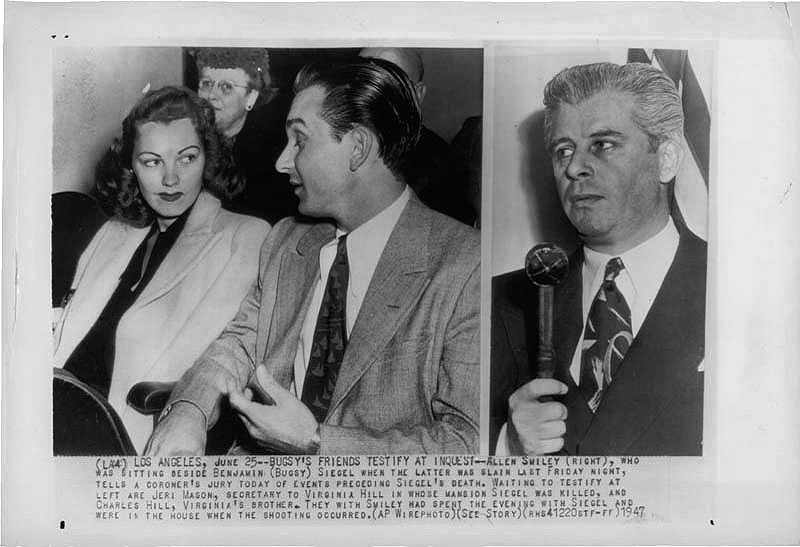
Close to ten years later, my father called and ordered me to his apartment. He said that Millicent was coming over. I knew by now that Millicent was Benjamin Siegelโs daughter, and Ben was my fatherโs best friend. He was sitting on the same chintz covered sofa the night Ben was murdered and witnessed Benโs eyes bleeding down his face.
When my father answered the door, I watched as they embraced. Millicent had tears in her eyes. She walked over to me, and took my hand. I looked into her swimming pool blue eyes and felt as if I was drowning. She sat on the edge of the sofa and lit a brown Sherman cigarette. I studied her frosted white nails, the way she crossed her legs at the ankles, her platinum blonde hair, and the way her bangs draped over one eye. What impressed me most was her voice; like a childโs whisper, her tone was delicate as a rose petal.
I spent the rest of that afternoon memorizing her behavior. She emanated composure and a reserve that distanced her from uninvited intrusion. Over the next few years, Millicent and I were joined through my fatherโs arrangements, but I was never alone with her. When he died in 1982, she was one of three friends at his memorial service, just as my dad was the only friend at Ben Siegelโs funeral.
As the years passed, and my tattered address books were replaced with new ones, I lost Millicentโs phone number. When I began researching my fatherโs life in organized crime in 1996, I gained an understanding of my fatherโs bond with Ben Siegel. I reconnected with several of Dadโs inner-circle, but Millicent was underground, and now I understood why.
Last year I received an email from Cynthia Duncan, Meyer Lanskyโs step-granddaughter. She told me about the Las Vegas Mob Experience, a state-of-the-art museum in the Tropicana Hotel, that will take visitors into the personal histories of Las Vegas gangsters. Despite my apprehensions about the debasing and one-sided publicity that characteristically surrounds gangster history, I called the museum and was told, โMillicent would like to contact you.โ
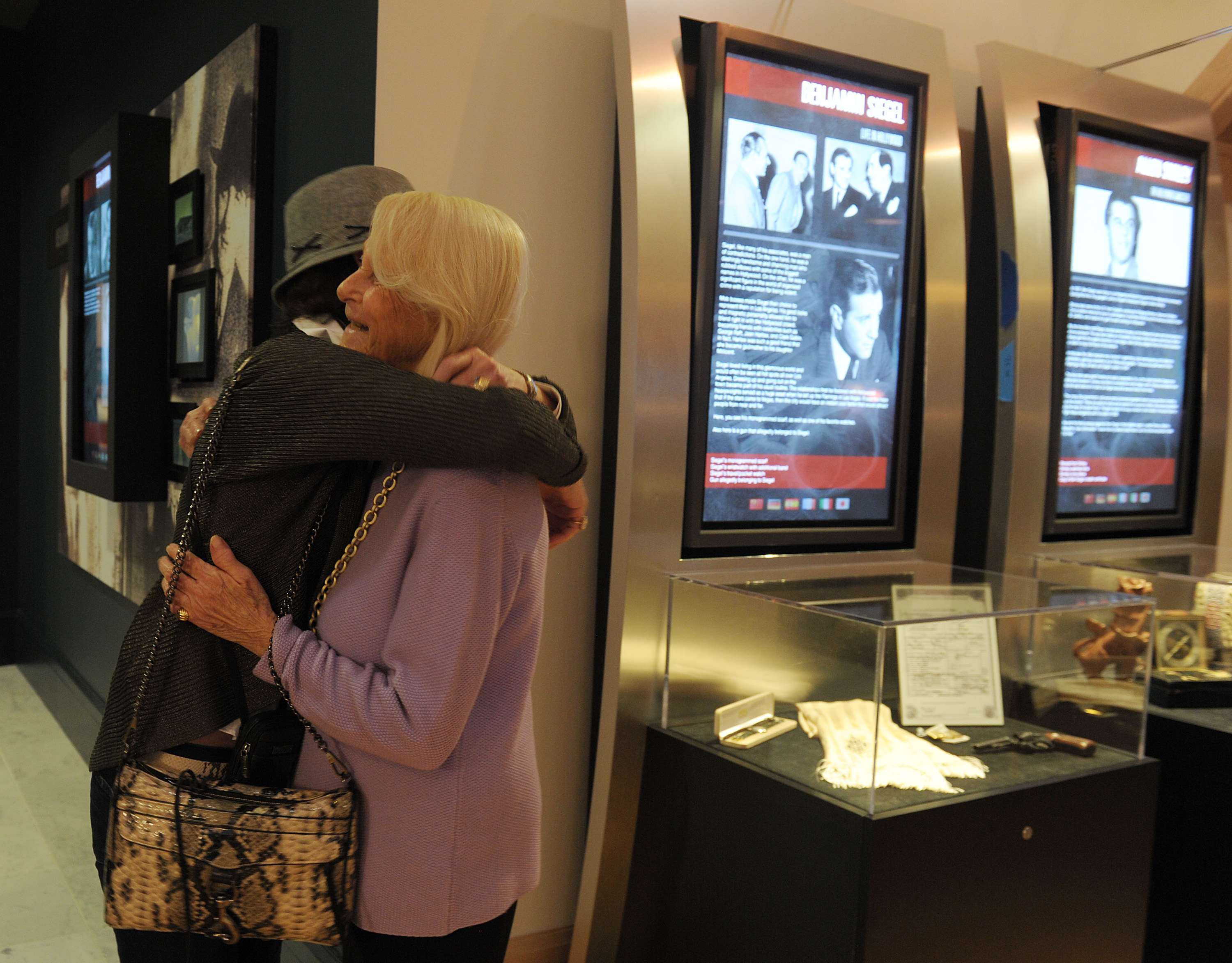
A month later, I was waiting for Millicent in the Mob Experience offices in Las Vegas. When she walked in, I stood to embrace her, and this time the tears were in my eyes.Millicentโs voice and regal posture was unchanged, โOur fathers were best friends, practically attached at the hip. Your Dad was at the house all the time. Iโll never forget when he met me at the train station to tell us about my fatherโsโฆ death. Smiley was very good to us. My mother adored him, too.โ
Mob Experience
March 27 2011
Photos By Denise Truscello
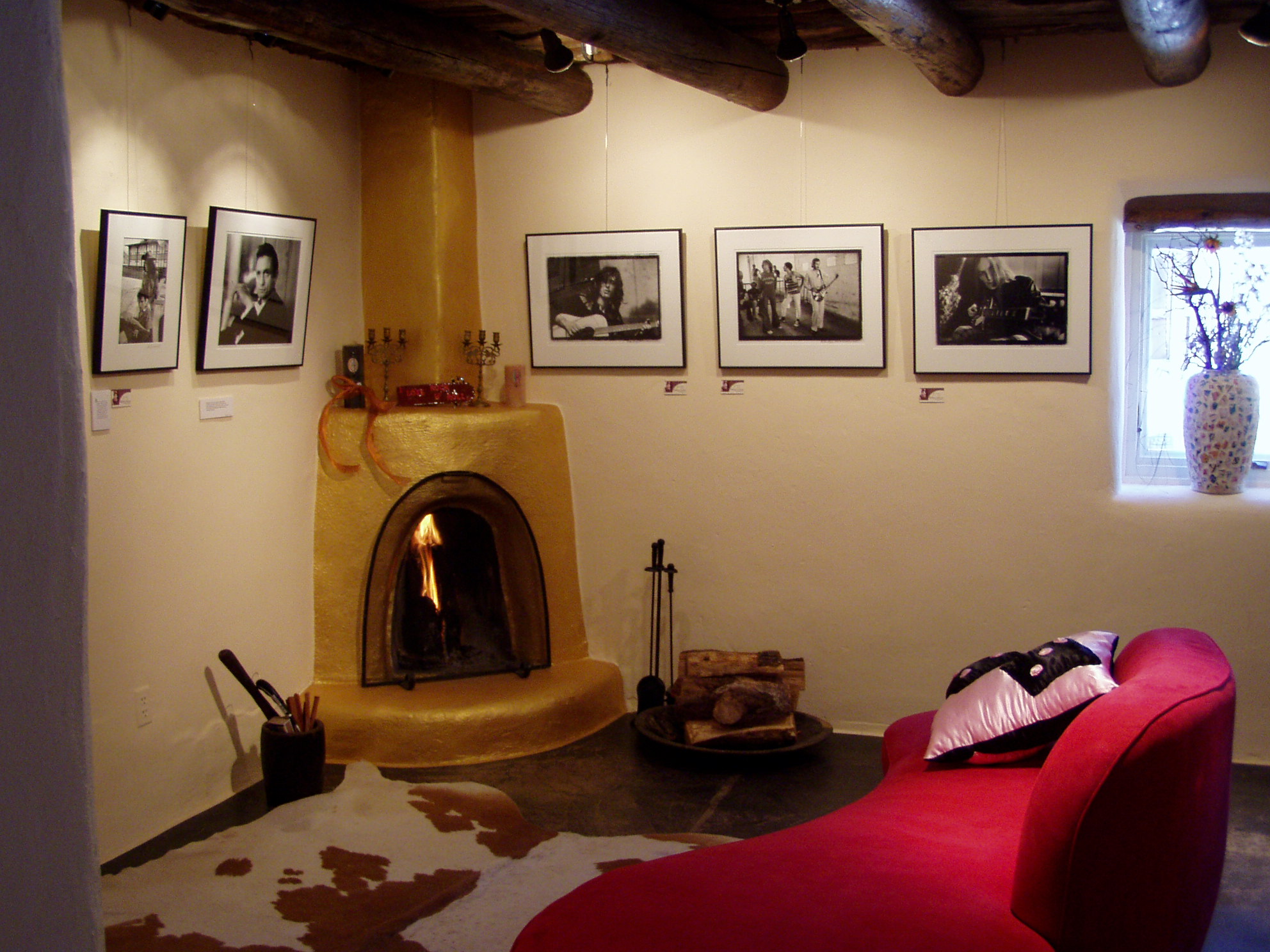
The Mob Experience Preview Center was like a family room to me, because some of the men featured had been my fatherโs lifelong friends and protectors. I stopped in front of the Ben Siegel display case and saw an object that was very familiar. My father had the identical ivory figurine of an Asian woman. I still have it. So much of their veiled history was exposed. Between these two men was a brotherly bond that transcended their passing, and was even evident in their shared taste in furnishings.
After I returned home, Millicent and I talked on the phone.
โYour father belongs in my Dadโs room. Theyโll just have to make Mickey Cohenโs room smaller.โ
โMy father hated Mickeyโ, I said.
โSo did mine! When are you coming back? Iโll kill you if you donโt become part of thisโ.
I dropped into random reflections; the adventures of Ben and my father, gleaned from books, newspapers, FBI surveillance files, films, documentaries, and conversations with people who knew them both. I dreamily visualized these two men, striding along the streets of Beverly Hills when it was a two-story brick village, without islands of garish lighted palm trees, paparazzi, and limousines. They might stop at Al Perryโs Beverly Hills Athletic Club for a steam and work-out, and then take a drive in Benโs convertible to Santa Anita Race Track. At the track, theyโd sit in the Turf Club, immersed in the perfume and red lipstick glamour that Lana Turner, Betty Grable, and Rita Hayworth epitomized. They, and my mother, became the characters I had to write about.
On balmy summer nights, Ben, and Al drove along Sunset Boulevard, stopped in for a few rounds at Ciroโs or the Mocambo, and then played cards at Dadโs apartment at the Sunset Plaza. George Raft was there, too, along with a funny little Runyonesque character by the name of Champ Segal, and Swifty Morgan, with a pocket size fortune of tricks and dice. The FBI were parked in a sedan across the street, watching. Maybe they had an informant planted in the building, like they did when I lived with my father at the Doheny Towers. I know Dad watched Benโs back, not just because Ben moved so quickly, and in so many directions, but because he was studying him, like an actor studies his character, aspiring to absorb Benโs magnetic mannerism.
Early the next morning, I opened the shutters of our Havana-hip suite at the Tropicana and looked out at the misty peppermint pink sunrise and flashing multimedia billboards. My eyes sank into the stimulation, like being thrown into a food processor of human temptation. If Ben had lived to build his Monaco-chic hotels and casinos, Iโm sure he would have done it differently. Heโd been to the French Riviera, and experienced European รฉlan. More importantly, Ben was different, but not in the way youโve been asked to believe by reporters and law enforcement. Ben was noble, and his violent temper, cost him his reputation. His loyalty to his partners, and his family was intact. What the press wrote about Ben was handed to them by Hoover, two-faced columnists, and informants. He was more than handsome, generous, and fearless; he was an icon, with the finesse for embellishing strangers with importance, facilitating dreams, and taking a fighting stand against Anti-Semitism.
Newspaper reporters from that era like Mark Hellinger and Damon Runyon knew how to write about Ben, and they are the sources I used to draw my own Ben Siegel portrait.Itโs easier to read books than go out and interview the relatives, rabbis, and community where they lived.
My dad came into the life by way of a friendship with Ben. He wasnโt physically violent: he could holler loud and intimidate guys, but his real asset was that bullet-proof friendship.
As our jet roared upward, I crunched against a pocket-size window, and studied the paper-thin rows of glass and marble hotels of Las Vegas, the sprawling monopoly of gated communities, each one sandwiched between a slice of palm trees, sprawling to the base of the muddy mountains. Ben, Meyer, and a few others like Billy Wilkerson, Johnny Roselli, Moe Dalitz, and Allen Smiley, peeked beyond the dusty sand dunes, and in the mirage, they saw an oasis. The pioneers of Vegas were not committing any crimes when they financed the building of the first hotels. They were businessman carving out a legitimate future. More importantly, they were demonstrating to the Jewish community that it could be done. You could rattle respect like a Rockefeller or a Kennedy.
When I arrived home, an unfamiliar upright pride and surety about myself surfaced. It is ironic that what my father shielded from me is where I needed to be: among people who understand my family history, and accept it.
Itโs been seventy-five years since Ben and Al sat by side, figuring out the next bet. Now, their possessions will share the same room. And from those collections, stories will emerge, and new information, and more questions, and this time their daughters will be there, in the open, to speak in reverence of Siegel and Smiley.
Everything in my path leads me to understanding the men that turned to crime so that they could sit in first class and order Dom Perignon. If my father left a ten-year career in film making with Cecil B DeMille to join Ben Siegel, then Benโs story has yet to be written.
Today, I look at my fatherโs collection and see It tells the story of a remarkable lifeโฆ the precious artifacts of a life onthe edge: photos that document an album from his unnamed sweetheart during his twenties; James Metcalf poems clipped from newspapers; wedding photos; Flamingo party photos; his phone book filled with names like H. L.Hunt, Eddie Cantor, and O.J. Simpson; heartfelt letters to Meyer Lansky and others; and FBI memos that describe my father as a pimp, a murderer, an extortionist and a Russian Jew.
Ironically, the journey to discover my fatherโs story ends in Las Vegas; for my dad, who wasย blacklisted from Vegas, that is poetic justice.
THANK YOU FOR READING. IF YOU LIKE THIS PLEASE LET ME KNOW.
My direction is following Lawrence Durrell, โSpirit of the Place,โ and living where I would never expect to live.ย I wish I could control my impractical, impulsive, and annoying spirit of adventure. I think about architecture, Jewish deli’s, Italian restaurants, at one movie theater built in the 1930s, and neighborhoods of unfamiliar lighting, expressions, and conversations. Gambling on yourself is how much you can adapt, change, influence, and accept the days of your life.
In my syndicate, there must be a dozen pals with the same unsolved equation. Is it age that blocks me and maybe you from relocation, or is it the trauma and stress? What liberation to just pack a suitcase and board a plane like in the movies. Separation from the familiar. The spirit of adventure has arrived. My home sold and so relocation isn’t a muse any longer, it’s reality. Today, coincidently is Independence day and so am I. It is a day of nostalgia. The Rudster painting Follies. It took two summers to remove the aluminum siding, scrape, caulk, prime, and paint my chosen seven colors to resemble a wedding cake. Mr. Doolittle built the home in 1883 as a wedding present for his daughter.
The Rudster painting Follies. It took two summers to remove the aluminum siding, scrape, caulk, prime, and paint my chosen seven colors to resemble a wedding cake. Mr Doolittle built the home in 1883 for his daughter as a wedding present.
He’s digging my grave For the dragon he pays With our nest, now shaved Tumbling into the abyss I visit the comfort robes of the past Monogrammed in stone
The will to relive what’s past comes at night
And must be excluded by daylight.
Of HUMAN BONDAGE
The sky hasnโt decided if it will let clouds overturn the sun, and I havenโt decided if I will pack the stack of books on the floor. No, I donโt feel the drive to lift and organize, my bed is warm and the house is not as warm.
I brought my coffee and peanut butter and honey toast upstairs, on a tray, I happen to collect trays, reminiscent of times when women ate breakfast in bed. Propped upright, I explored a movie about uneven love, tragedy, and resurrection. Of Human Bondage lit my taste, featuring Bette Davis and Leslie Howard. —– FILM MADE IN 1930 IN GRISLY BLACK & WHITE. Uneven love. Days now remind me of reading 1984 in high school, and Fahrenheit 451 on film. We did evolve from a simplistic, hand-carved culture, built on rebars of freedom to a house full of furniture, relics, gadgets, screens, gates, and beeps. The beeps for me, make me jumpy, not seductively strolling around my apartment lighting candles in peace. I really do shimmy every time I hear the beep. I chose Sunday to shut down all communication with the mainland, take the longest bath I can stand, and write. I need a rest, like a chaise lounge on a spacious veranda with honeysuckle, wisteria, and lavender, and then a mile away is the ocean, let me swim again.
OLYMPUS DIGITAL CAMERA
I feel artists, and their works are not featured in the media, or maybe it’s because my scrolling is stuck on the essentials of living. In times of war, people must have known, see it now or never. Over two million working artists in the country, so google says, and when was the last time you discussed it at dinner, with anyone. I haven’t, and I don’t know why? Pop-up thoughts on life.
My first interview on Dad, when I listen now it reminds me how liberating it was to talk about my family history.
KNPR.ORG
Luellen Smiley
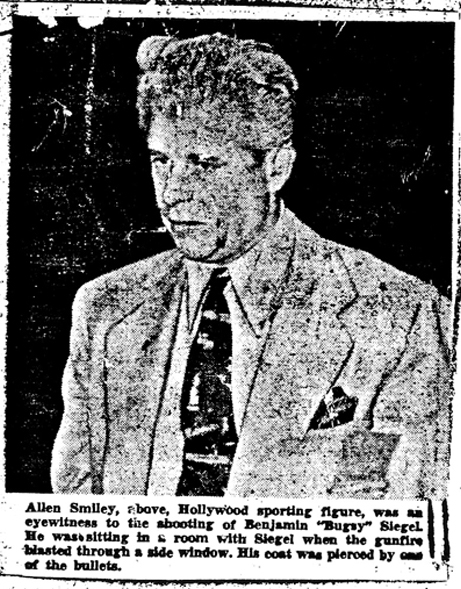
Luellen Smiley is the daughter of reputed mobster, Allen Smiley. Smiley’s dad was a close friend and confidant of famous Las Vegas mobster Benjamin “Bugsy” Siegel and he was sitting on the couch just feet away from Siegel the night he was murdered. While Luellen Smiley hadn’t been born at the time o…
ย ย ย Still flustering over how to save more money, and which expense she should solve; the dental appointment thatโs six months overdue, the servicing of her car overdue since June, or elevated reasons to book a trip to San Diego. The urgency to decide sent her into a minor mid-afternoon tizzy and she decided she needed potato chips to solve her physical edginess. She does not use salt in her cooking, and from experimentation over the years realized that salt could elevate her dizzy thinking and lackluster posture. The momentary outdoor freshness stilted her, to stop moving, and breathe deeply like she was in the doctorโs office and they say, โ deep breath.โ ย ย The street is absent of walkers, workers, delivery trucks, and residents, itโs almost like a graveyard and this does not irritate Greta, she uses the bliss to engulf her creativity, and so she began to write.
“Young woman sitting on the books and typing, toned image”
PUZZLE OF SOLITUDEwill always be a puzzle because our lives, solo or mated, are puzzled by too much solitude, or not enough.
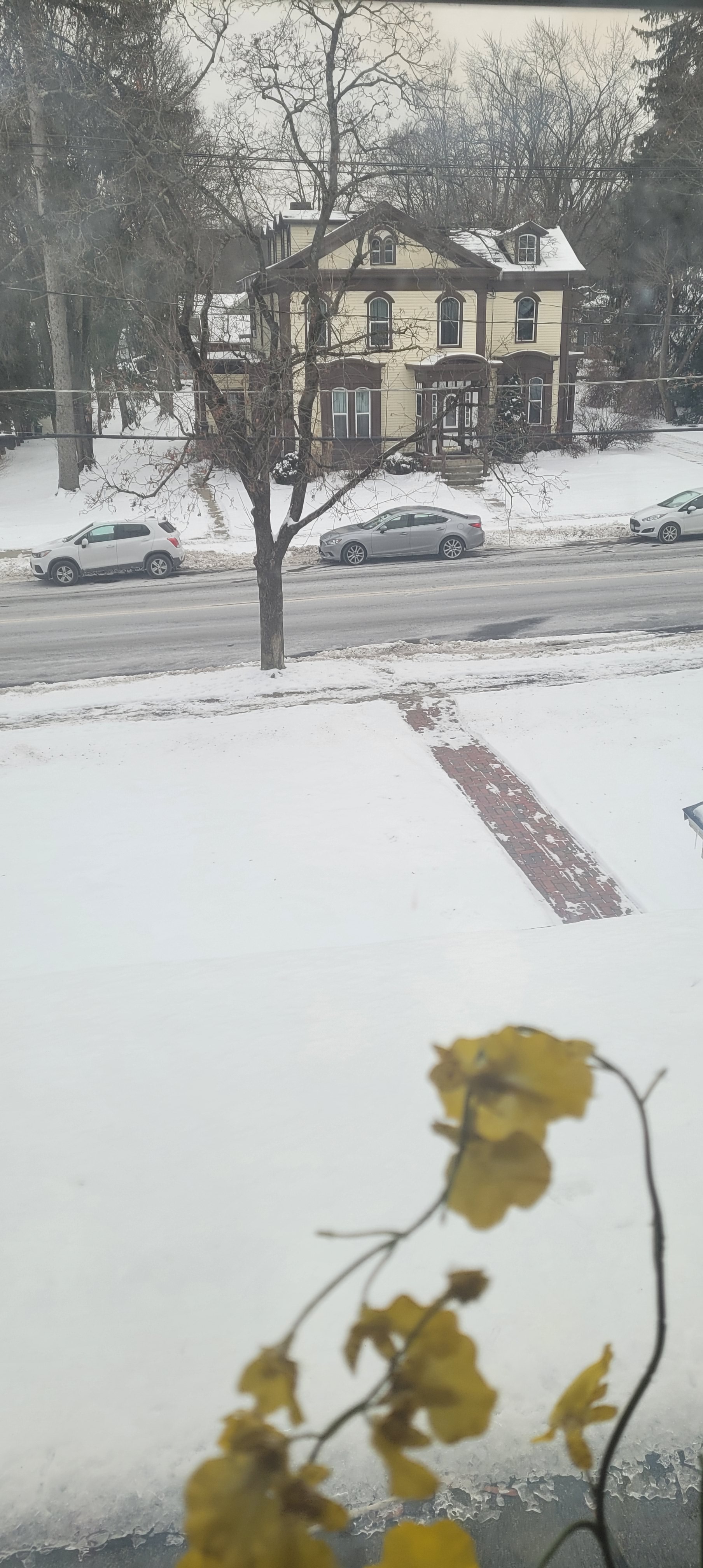
ย I contest what seems endless solitude with my Irish Russian temper; condemning irritants like street noise, absence of friends, short-tempered customer service reps, world news, and mindless tasks. After the first ice rain and snow, the fever dulled, and mindfulness triumphed. I imagined my basement of survival would sink. It did not. There is an inner exploration happening, unfolding like spreading new sheets on my bed, that solitude has befriended me all my life, in the best of times and the tedious. I have to find the frolic and follies in the world I created. I have to laugh alone so I watch screwball comedies, seek humor in my irregularities; wear a sweater inside out, pour coffee into a wine glass for a cocktail and chuckle up and down the staircase, because I keep forgetting where I left my phone. My head is elsewhere-daydreaming. Iโve learned how to repair house calamities; unscrew windows, seal up cracks, fix clogged drains, replace air vents, read the meters, and rejuvenate every wood board, handle, chair, and table with Old English Oil. As one pal commented on a visit to the house, ‘ It’s a perfect day for Old English! The winter forecast is blizzardy and full of warnings I havenโt experienced here; and how could I complain when half of Upstate New York is buried in SEVENTY INCHES of snow and no way out? At the end of the day, pleasure comes in the kitchen; my heart and spirit melt while stirring my weekly slumguillion stew while listening to Tony Bennett, Nat King Cole, and swing music. Winter has in the past been a funnel that leads to writing.
Will-powered out of the house on a glory hallelujah day of ballet winds and buttercup sun. I walked along the bike path and observed the cyclists, and joggers, some still masked. Along the way, I smiled at passing strangers, and sometimes even a hello. How reviving to connect with strangers after two years of physical masks. Emotionally optimistic, a rare trajectory of nature and my life within. If nature can survive, why canโt I? What prevents us from launching new growth, mentally emotionally, and financially?
Let me take this day and bless it with hope, miles, and miles of hope and faith that I will land, plant new roots, and bloom.
Page 525. Terrified to post this but it is Sunday and I’m brave on Sunday. The book is fiction, first-person, and close third person so you’ll need a jogging suit to read. Based on true events.
Greta let the moment of the village rescue stay with her, like a new pet for as long as she could hold on to its beneficial ointment, away from what she calls her immersion into self. She gives me examples that illustrate her obsession with matching outfits in her closet.
Itโs a bedroom she converted into a dressing room. Thereโs a single bed against one wall, a cabinet where she stores the winter boots, and an eight-drawerFrench nouveau dresser and mirror. She sits on a chair facing the windows so she can watch the trees live through sun, wind, rain, and snow. Across from the chair is the bed. She diligently arranged her summer pastel skinny jeans on the bed, and next to that row she arranged the T-shirts, camisoles, and shorts. Itโs quite practical considering Greta as she has admitted to me half a dozen times, that she was born without common sense or practicality. At the base of the bed, she lined up her shoes, the slip-ons, the flats, the pumps stuffed with tissue paper to preserve their shape, and the wedges. After a breach of sanity, she goes into this room and visualizes outfits and color matching like someone might play chess. โ It does have a purpose, this way I visualize without wrangling with hangers and you know it just takes too much time when youโre in a closet.
‘”These days I look at them as if they belonged to someone else, I mean the red suede with gold heels that I wore on a New Yearโs Eve of gaiety and not since, the black velvet pumps that always make me feel dainty and light. What care I give to all these garments when in the other part of the house, Dodger was descending into a financial coma.”
ย Greta did not acknowledge the few months before his departure that he was riddled with abject unfulfilling tasks, bills, and construction jobs that no longer fed him purpose and accomplishment. She did not notice that his slacking posture on the front porch, head lowered and staring out without any body movement was a sign, she in fact despised it and walked away. ย In the last few months, all of this seemed to rise up like a curtain before a play, in a theater and she witnessed his insolence and his silent howl for help. ย
The irony of her activity is that she doesn’t go to the events that she plans on going to wear the outfits.