DAD IN COURT 1951


ALLEN SMILEY IN COURT

Demons and Dramas


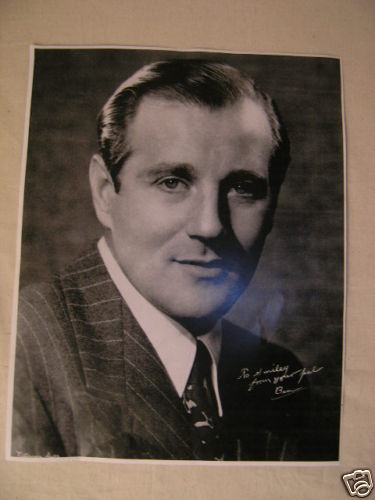
Ben Siegel

To a drama-whore like myself, uncertainty is a cocktail. If my life isnโ€™t wrinkled with folds of conflict, I will invent them. These past recollections were the building blocks of my future; I lived on the edge with my father.
Ann, my therapist, asked me about my mother but there was so little to tell. She was restrained to her secrecy, some vow she gave my father, and the personal veil of repression that cloaked all of her past. I told Ann that I was adopted into my friendโ€™s homes by their motherโ€™s, the ones who had met mine.
My best friend Denise lived in Brentwood with her divorced mother and siblings. We hooked in the dark unfamiliar and confusing imbalance of a broken home life.
Her mother was suffering depression after a recent divorce and I was dangling from my fatherโ€™s fingertips, helplessly.
After my mother died, Denise wouldnโ€™t let a day go by without calling me. โ€œAre you all right,โ€ sheโ€™d say. She didnโ€™t like my father, and her reasons were mature beyond her years, โ€œHe frightens me.โ€ Denise wouldnโ€™t spend the night at my house, but once, and she said that I could stay at hers anytime I needed to get away.
After school one afternoon we stopped in the Brentwood Pharmacy. Denise was looking at the book rack and I was following along.
โ€œ Luellen, my mother told me your father is in a book, The
Green Felt Jungle. Itโ€™s about gangsters. Wantโ€™a see if they have it?โ€
I agreed to look because Denise was interested, but it meant nothing to me.
Denise twirled the book rack around, and I stood behind her watching.
โ€œThatโ€™s the book! Let me look first and see what it says,โ€ Denise whispered. She tensed up; I could feel it in her arm, as I grasped her.
โ€œOh, my God, there he is,โ€ she said, and we hunched together over the book and read the description of my father, โ€œAllen Smiley, one of Ben Siegelโ€™s closest pals in those days, was seated at the other end of the sofa when Siegel was murdered.โ€ Denise covered her mouth with her hand, and kept reading silently.
โ€œWhat does that mean? Who is Ben Siegel?โ€ I asked.
โ€œShush, not so loud. Iโ€™m afraid to tell you this, Luellen. Itโ€™s awful. โ€
โ€œWhatโ€™s awful? Tell me.โ€
โ€œBugsy Siegel was a gangster. He was in the Mafia. He killed people. Your father was his associate.โ€
โ€œI donโ€™t think I should see this,โ€ I said and started to leave the drugstore. Denise followed me out.โ€
โ€œ Why did Bugsy kill people?โ€ I asked.
โ€œBecause thatโ€™s what gangsters do. Luellen, you canโ€™t tell your father you saw this book. Please donโ€™t tell him I told you.โ€
โ€œWhy not?โ€
โ€œMy mother told me not to tell you. Swear to me you wonโ€™t tell your father!โ€
โ€œI wonโ€™t. Donโ€™t tell anyone else about this Denise, all right?โ€
โ€œLuellen, have you met any of your fatherโ€™s friends?โ€
โ€ Yes, Iโ€™ve met them. I love his friends.โ€
A short time after that I waited until my father left for the evening, and then I opened the door to his bedroom.
I walked around the bed to a get closer look at the photographs on the wall. It was the first time I could read the
inscription: To Al, my dear friend, Your pal, Ben.
I stared at his eyes, droopy heavy-lidded sexy, and a gleaming boyish smile. It was a different photograph, but it was the same man in the โ€œGreen Felt Jungle.โ€ The photograph placed next to it, was of Harry Truman, with a similar inscription dated 1963. The disparity of Benjamin โ€œBugsyโ€ Siegel alongside Harry Truman wouldnโ€™t mean anything to me for another thirty years. At that moment I was driven with curiosity and anticipation of what Denise had told me.
I opened the top drawer of his dresser. It was fastidiously organized with compartment trays for rolls of coins, a jewelry tray of diamond cufflinks, rings and watches, and another tray of newspaper clippings. The next drawer was stacked with neatly folded shirts in tissue paper. Under that was a drawer with a lock on it.
โ€œWhat are you doing in my bedroom?โ€ I slammed the drawer, muted by his stern expression. He pulled a key from his pocket, and locked the drawer.
โ€œ HOW DARE YOU GO INTO MY THINGS! His hands shook, the veins in his neck inflamed.
โ€œWhat is it youโ€™re looking for? Luellen. Tell me, or else you will not step out of this apartment for a month. LUELLEN! Speak up! What are you looking for?โ€
โ€œ I was looking for pictures?โ€ I stammered.
โ€œ What kind of pictures?โ€
โ€œ Photographs. Ofโ€ฆMommy.โ€
โ€œ Youโ€™re lying to me! Donโ€™t think you can fool me, you canโ€™t. You want to see photographs, have a look at this one.โ€ Then he pointed to the picture of Ben Siegel. Every vein of his neck swelled. He reminded me of a snarling wolf about to rip my head off. I looked down at the ground, and held my breath.
โ€œNow you listen to me and donโ€™t forget this for the rest of your life. This is Benjamin Siegel! He was my dearest and closest friend. Youโ€™re going to hear a lot of lies and hearsay about him. They call him โ€œBugsy,โ€ but donโ€™t let me ever catch you using that term. ” Iย  have not forgotten.

MY HOODLUM SAINT- A COMPLETED SCREENPLAY


SCREENPLAY:ย  My Hoodlum Saint is the story of a woman whose survival is wedged between love and fear of her father. It exposes my struggle to survive adolescence while growing up in my father’s secret and terrifying world, where only family could be trusted.

For more information contact me: folliesls@aol.com

SMILEY’S DICE Is a terrifying, yet loving first look inside the emotional life of a gangsterโ€™s daughter, and my fight for understanding and acceptance of our familyโ€™s dark legacy. Email for further information on the script.


DREAMS OF A FLAMINGO HOTEL WEDDING


On Sunday afternoon, while I was sitting in the bridal room at Neiman Marcus, I was in a head on collision with the past and the present. I was not in the bridal room to buy a wedding dress; I was there to store my mink coat. While I waited for a sales clerk, I imagined myself in the chic trench coat with diamond buttons hanging from the rack. If I did have to choose a bridal gown, it would have to be something unconventional, like my mother chose. She wore navy blue taffeta to her wedding. If I did get married, I would have to save my coins for a long time to pay for the reception. Where would I get married? At one time, I dreamt of the Bel Air Hotel, but that was in the 1970s. With inflation, the wedding would cost no less than $100,000 today. By the time, I saved that much, I would be 100 years old! Besides the hotel is not the same. The last time I dropped by, I was chased out of the river walk for taking photographs of the swans. Just before my father took ill in 1982, he told me my wedding would be at the Flamingo in Las Vegas. I remember it, as if it was yesterday. We were walking together in Holmby Park, where he walked his five miles everyday. Very often, he stopped at the public phone booth and made a few calls. He whispered so I could not hear his conversation. I know now he was laying his bets for the day. I waited on the green lawn watching the older men and women playing Croquette. When my father returned from the phone booth, he looked perturbed. That meant he lost money on that dayโ€™s sporting event. We walked a long time in heavy silence until he decided to break it.

โ€œYou know, Iโ€™m very proud of you.โ€ He said looking straight ahead.

โ€œYou are?โ€ I was stunned.

โ€œOf course I am! I hope you donโ€™t think any different. I have not said it often, because Iโ€™m coaching you all the time, so you will be independent, and know how to look after yourself, after Iโ€™m gone. I donโ€™t want you to fall into a rut with the wrong fellow, like so many women. It can ruin your whole life.โ€

โ€œBut I havenโ€™t accomplished anything really great…. like you.โ€

โ€œWhat the hell are you talking about!โ€ he stopped in the middle of the path. โ€œI made more mistakes than you ever could. Are you kidding sweetheart, I broke all the rules, and made some new ones, and Iโ€™ve paid. Like Iโ€™ve always said, you make your bed, and you lie in it. Iโ€™m proud of the career you made in real estate, without any help from me. Now you have to concentrate on the right fellow. When you do get around to finding the right one, weโ€™ll have the wedding at the Flamingo.

โ€œThe Flamingo? Do you still know people there?โ€ I asked timidly.

โ€œOf course, I was a major stockholder … at one time.โ€ Then he cleared his throat, and I wondered if he was choking on the memories. โ€œThatโ€™s where Mommy and I had our wedding reception.โ€ I thought of the photographs of Mommy cutting the white cake. It was the first time he ever mentioned my wedding. It was the first time, he seemed to say, okay find a fellow, and Iโ€™ll let you go. I sensed his detachment from everything around us except for me.

โ€œI would like that. How long has it been since you were there?โ€

โ€œI didnโ€™t want to set foot in that place after Bennyโ€ฆ (Benjamin Siegel) I didnโ€™t care if the whole place burnt to the ground. Thereโ€™s no reason why you canโ€™t have your wedding there. I can still arrange a few things.โ€

The vision of father, my future husband, and me was an aberration without incident or purpose at that age. However, he was dreaming that the day would come soon. When the sales clerk finally appeared, I was glazed over, in some marbled state of melancholy, clutching the mink coat on my lap. The mink is the oldest garment in my closet. My father gave it to me in 1978.

Itโ€™s as if it happened yesterday. My father called one Saturday and asked me to meet him at Mannis Furs in Beverly Hills. When I arrived, my father was seated in a chair, facing a three-way mirror. Manny rushed over to greet me. โ€œThis is my daughter, Luellen, โ€œManny bowed and kissed my hand. In the other hand, he was holding a mink jacket. โ€œTry it on for size,โ€ my father ordered. I hesitated, and looked at him for explanation. It never occurred to me I would be trying on mink coats. He was always asking me to meet him in shops, and restaurants. He held meetings wherever he knew people, so I assumed he had a meeting with Manny.

โ€œGo onโ€”try it on. I didnโ€™t say I was buying it, I just want to see what it looks like.โ€ Manny tucked me into the mink coat, and pulled the waist sash through. He stroked the fur up and down, and then I did the same. The coat was solid, like a cloth wall that buried my body in warmth. I stood before the mirror and watched the transformation.

โ€œTurn around, โ€œmy father ordered. I took a few steps in a half circle and slipped my hands into the pockets, and turned around slowly as Iโ€™d seen my mother do. Suddenly his eyes welled up with tears and he took out his handkerchief.

โ€œIf you dressed in a proper outfit and not those silly jeans all the time, you might look like something!โ€ he barked.

โ€œWell I didnโ€™t know Iโ€™d be trying on minks today.โ€

โ€œWhat the hell did you think youโ€™d be trying on, pianos? For crying out loud! โ€œI donโ€™t know what youโ€™re thinking sometimes. Take it off.โ€ Manny untied the sash and took the coat. My father was in a mood, it was my fault again. I shouldnโ€™t have worn jeans. Why did he start crying? Manny disappeared, and my father stood in front of the mirror to affirm his reflection. After he took off in his Cadillac, I stood in front of Mannyโ€™s and looked at the mink coats. He never mentioned it again, but I knew the coat was going to show up one day. Six or seven months after that first meeting at Mannis, the mink appeared at Chanukah.

โ€œDaddy, this is so extravagant, I wonโ€™t have any where to wear it.โ€

โ€œOh yes you will! Just wait and see. If you quit going out with those misfits and find yourself a decent fella youโ€™ll have numerous occasions. Thatโ€™s the reason why I gave it to you, so donโ€™t misuse it!โ€

When I left Neimanโ€™s I was drenched in his memory. The mink coat has outlived all of my possessions. Every time I put it on, Iโ€™m reminded of his wisdom. Itโ€™s not the expense or signature status. When I put it on, I feel transformed. I discovered the bill of sale from Mannyโ€™s, and the balance due, after my father died. I called Manny and asked him for more time, to pay it off. He told me to forget about it, my father had brought in so much business to the store.

Last year I called Manny to see if I could have the coat remade into a vest; as the sleeves were too short.ย  ย ” It’ll cost you the same as the mink,”ย  he told me.ย ย I had the holes repaired, and the coat glazed and will pack it in the suitcase for the trip to New York, now thrity two years later with a decent fella.

IN THE GARDEN


Two months ago I bought a crate of flowers to plant. After setting the plant to rest, I had a vivid recollection of Nana; my Motherโ€™s mother.
Nana was a petite woman, with long graying hair she pinned into a perfect French twist, a cute Irish nose, and a giggling smile. When I was growing up she lived with her second husband, we called Poppop, in a spacious California ranch house in Sherman Oaks, also known as San Fernando Valley. We visited her weekly, staying over one or two nights. Nana was always waiting for us to arrive. She greeted us at the door, she had something cooking, fresh candy in crystal dishes, and in the morning, she fried bacon and the aroma woke me and got me running downstairs. She scrambled eggs with lots of butter, and served it with Irish soda bread. It never occurred to me that these weekly trips were the cultural mix-up of my Russian Irish heritage. This was Nanaโ€™s only opportunity to spoon-feed us our Irish roots. At home with father, bacon and butter were prohibited, and bread came in the form of a bagel. The food was only one part of the adventure. Nanaโ€™s home was filled with antiques, family treasures, and her garden was a masterful collection of east and west coast varieties.
After Nana had all her errands and household chores finished, she changed into slacks, flat shoes, and a straw hat and went outside to the garden. I would follow Nana while my Mother remained indoors; most likely talking on the phone with some degree of privacy. In the garden, Nana would trim, cut, and arrange her flowers. I kneeled down beside her and watched, while she talked. Nana had the gift of gab, and her thoughts poured out without my interruption. Between sentences, she would insert a self-effacing joke, regarding her silly hat, or her short legs. Her hands were swollen from arthritis, and she rubbed them from time to time, but she did not complain. As I planted my garden, these visions of Nana remained and grew more studied and complete. I had a memory of being assigned a school project to plant something in the garden. By this time, my Mother had moved us to an apartment and we didnโ€™t have our own garden. I went to Nanaโ€™s and she helped me plant some variety of flowers I cannot recall. Each week Iโ€™d return to see how my plant was doing. Some time after the assignment ended and we were walking in the yard, I looked to see how my plant was surviving. It had been replaced. I asked Nana what happened.
โ€œOh honey I hope you wonโ€™t be mad at me, but the little flower died, so I planted a new one. Itโ€™s my fault; I didnโ€™t look after it properly.โ€
Nana taught me the things my mother didnโ€™t have the time to teach; like cooking, cutting flowers and arranging them, making coffee, and setting the table. She made all these chores enjoyable, and I loved to follow her around the house and watch her change the beds, and prop up pillows, and fold the guest towels. It never occurred to me until now, that I adopted her domesticity; the sublime gratification of adorning a home for the comfort of family and friends.
The plants did not blossom, the jasmine, roses, and other varieties all wilted and turned brown, but the parties, soirees, dinners and moments of solitude are bloosoming.

CONFESSIONS OF A MOB KID


SOME children are silenced. The pretense is protection against people and events more powerful than them. As the daughter of Allen Smiley, associate and friend to Benjamin “Bugsy” Siegel, I was raised in a family of secrets.

My father is not a household name like Siegel, partly because he wore a disguise, a veneer of respectability that fooled most.

It did not fool the government. My father came into the public eye the night of June 20, 1947, when Benjamin Siegel was murdered in his home in Beverly Hills. My dad was seated inches away from Siegel, on the sofa, and took three bullets through the sleeve of his jacket.

He was brought in as a suspect. His photograph was in all the newspapers. He was the only nonfamily member who had the guts to go to the funeral.

When I was exposed to the truth by way of a book, I kept the secret, too. I was 13. My parents divorced, and five years later, my mother died. In 1966, I went to live with my father in Hollywood.

I was forbidden to talk about our life: “Don’t discuss our family business with anyone, and listen very carefully to what I say from now on!”

But one night, he asked me to come into his room and he told me the story of the night Ben was murdered.

“When I was spared death, I made a vow to do everything in my power to reform, so that I could one day marry your mother.

“Ben was the best friend I ever had. You’re going to hear a lot of things about him in your life. Just remember what I am telling you; he’d take a bullet for a friend.”

After my father died, I remained silent, to avoid shame, embarrassment and questions. But 10 years later, in 1994, when I turned 40, I cracked the silence.

I read every book in print – and out of print – about the Mafia. Allen Smiley was in dozens. He was a Russian Jew, a criminal, Bugsy’s right-hand man, a dope peddler, pimp, a racetrack tout. I held close the memory of a benevolent father, wise counselor, and a man who worshipped me.

I made a Freedom of Information Act request and obtained his government files. The Immigration and Naturalization Service claimed he was one of the most dangerous criminals in the country. They said he was Benjamin Siegel’s assistant. They said he was poised to take over the rackets in Los Angeles. He didn’t; he sold out his interest in the Flamingo, and he went to Houston to strike oil.

I put the file away, and looked into the window of truth. How much more could I bear to hear?

Born in Kiev, Ukraine, my dad’s family immigrated to Canada. He stowed away to America at 16, and was eventually doggedly pursued for never having registered as an alien. He had multiple arrests – including one for bookmaking in 1944, and another for slicing off part of the actor John Hall’s nose in a fracas at Tommy Dorsey’s apartment.

He met my mother, Lucille Casey, at the Copacabana nightclub in 1943. She was onstage dancing (for $75 a week), and my father was in the audience, seated with Copa owner and mob boss Frank Costello.

“I took one look, and I knew it was her,” was all he had told me on many occasions.

On a trip to the Museum of Motion Pictures Arts and Sciences in Los Angeles, I was handed a large perfectly pristine manila envelope, and a pair of latex gloves with which to handle the file.

Inside were black and white glossy MGM studio photographs, press releases, and biographies of my mother’s career in film, including roles in “The Secret Life of Walter Mitty,” “Ziegfeld Follies of 1946,” “Meet Me in St. Louis” and “Harvey Girls.” She was written up in the columns, where later my father was identified as a “sportsman.”

The woman who pressed my clothes, washed my hair, and made my tuna sandwiches was an actress dancing in Judy Garland musicals, while her own life was draped with film noir drama.

My father wooed her, and after an MGM producer gave her an audition, he helped arrange for her and her family to move to Beverly Hills, where she had steady film work for five years. He was busy helping Siegel expand the Western Front of the Costello crime family and opening the Flamingo casino in Las Vegas.

They were engaged in 1946.

Still, the blank pages of my mother’s life did not begin to fill in until I met R.J. Gray. He found me through my newspaper column, “Smiley’s Dice.”

One day last year, R.J. sent me a book, “Images of America: The Copacabana,” by Kristin Baggelaar. There was my mother, captioned a “Copa-beauty.”

Kristin organized a Copa reunion in New York last September. I went in place of my mother, but all day I felt as if she was seated next to me. I fell asleep that night staring out the hotel window, feeling a part of Manhattan history.

Now, the silence is over.

I don’t hesitate to answer questions about my family. I have photographs of Ben Siegel in my home in Santa Fe, NM, just as my father did. Every few months I get e-mails from distant friends, or people who knew my dad.

It seems there is no end to the stories surrounding Ben and Al. I am not looking for closure. I’ve become too attached to the story.

ย 


ย 

THE SUN RISES ON HARDSHIP


ย The throw of the dice this week falls on the sunrise of hardship, for all of us.

ย ย ย ย  In my home there is one staircase window that faces east. Each morning before I descend the stairs I stop at the landing, to watch the day begin. The sun must rise above an assortment of tree limbs and trunks, and up over the mountains. By the time Iโ€™ve had my coffee, the sun has risen above these obstructions. I am now jerked awake, like a slight nudge a parent might give you, โ€˜Come on–wake up! You have school.โ€ย ย 

I begin writing, but that shameless sunlight in my eyes and the dance of the birds are tempting me to step outdoors.ย  When you live in seasonal climate, summer days and nights lure you out of your wits; why stay inside when thereโ€™s moonlight, a sage brush breeze, and merriment across the street.

The gradual awakening unfolds layers of thoughts, beginning with the anxiety of the times. The impending hardship of thousands, my friends, and neighbors, oozes out like a bad smell. Everyone seems to be slanting in new directions; some are going home where they came from, others take on another job, or moving out and leasing their homes.ย ย ย ย 

ย 

Some mornings I canโ€™t even look at the newspaper. The headlines read like Sundayโ€™s promotional movie advertisements: BANKRUPT, FORECLOSURE, and SUICIDE. The shocking prick of national disaster is a surgical awakening of a disease untreated.ย  Thereโ€™s no time to waste, no money to squander, it is a time of reduction and refusal.

ย  ย ย  As minor calamities knock on my door, and creditors calling from India, I turn my head to the sunlight and resume what I have to do, and that is write. If you know me, then you know Iโ€™ve vanished. Itโ€™s the only way I can work, and Iโ€™m standing on my head happy that I have the solitude to do it.ย 

ย Last week while I was upstairs, prone on the sofa figuring out a transition between two scenes, someone knocked at the door. Then they fiercely rang the bell. Oh what it is now I thought.ย ย ย 

ย ย ย ย  โ€œYes,โ€ I asked the man standing outside. He stared at me while twirling a toothpick in his mouth.

โ€œAre you all right? Iโ€™m from Safeguard Security we havenโ€™t had any signal on your alarm.ย  We came to check on you.โ€

I stood there expressionless. I assured him I wasnโ€™t held captive or about to throw myself out the window, but he didnโ€™t seem convinced, he lingered and kept looking over my shoulder.ย  I hastily sent him on his way, and returned to the desk.ย  Iโ€™d been rude; I didnโ€™t even thank the guy.ย  This is some kind of message, next time heโ€™ll slam the door in my face.ย ย ย ย ย ย 

Later in the day, if I havenโ€™t ventured outdoors yet, I take a walk around the Plaza, and muse over the herds of tourists. I look for revealing expressions and conversations.ย  I didnโ€™t see panic and anxiety, I observed relief. Couples shuffled together, maybe holding hands, dragging shopping bags, and aiming directionless for a new snapshot. They stand gaping at the churches and shoot photographs while standing in the middle of the street. Vacation is bliss in the middle of discontent.ย 

When I return to my desk, it is time to print the days work. This is always a ritual of great expectation, filled with disappointments, surprise, and sometimes a whiff of elation.

ย By now the sun has made its journey to the other side of the house. The back porch is like starched light, it burns the eyes and flesh, the immediate effect is callous. Now is the time to slouch in the chair, close my eyes, and rewind a few scenes back.

Hardship is like the sun, unmerciful when it is met face to face, and transforming when we are protected. The sunlight is absorbed into our bodies; the effect is invigorating when taken in increments. The light changes the color of the world, we see things differently, and so it is with hardship, we feel intensely, our senses are sharpened, and we appreciate the treats more so than in times of prosperity.

It all translates into less spending and more creating.ย 

While I lounge in this old house, one track of time keeps re-appearing. It was when my living space was limited to one tiny room, finances on a string as long as my finger and uncertainty a nightmare that turned into a lullaby. It is that time again; and what we all must do is keep the adventures above the circumstances. Any dice to throw:

Folliesls@aol.comย 

ZIGZAGGIN WITH D.H. LAWRENCE


The throw of the dice this week lands on an adventure with D.H. Lawrence.ย 

Our affair began in the winter of 1970, when the film โ€œWomen in Loveโ€ was released.ย 

ย ย ย ย ย ย ย ย ย ย ย  โ€œ Letโ€™s go see this movie, Alan Bates is in it.โ€ Lizzie,ย ย and I were madly in love with Alan Bates.ย Neither one of us had read the book, or had much knowledge of D.H. It was a film that explored sexual relations that interested us, and it was filmed in England.ย  Back in Junior High Lizzie sangย musical songsย while I taped her on a recorder.ย ย Now in High School, she was singing Hey Jude, and I wasย reading the words from theย record album. ย ย ย ย 

I remember sitting in the balcony of the Beverly Wilshire Theater, leaning forward in my seatย  as I longed, with adolescent fixation, to be inside the story. I wanted to live in a studio like Gudrenโ€™s( the part played by Glenda Jackson) and toast my bread in front of fireplace and paint all day.ย  Gudren was the artist terrified of being tamed.ย ย Her sister Ursula, who personifiedย Lawrenceโ€™s wife Frieda, wished to make her life within a manโ€™s.ย ย ย ย 

ย โ€œYour Gudren, and Iโ€™m Ursula,”ย ย Lizzie claimed with clairvoyant assurance.ย ย 

ย ”ย  No, I’m not all Gudren.” I protested.

ย ” You are– you’ll see.”ย ย ย Withinย  a year, Lizzieย would be in-love in London, creating a life around a man, and I would be an art student at Sonoma State College.ย ย 

ย ย 

But on that lazy matinee afternoon,ย  we gasped, and squeezed each otherโ€™s hands, during particular erotic scenes that shocked our sensibility. It was anย  awakening, of the abstraction of relationships. Weโ€™d discovered that friendships ย were not as they seemed, and that love did not always have a happy ending.ย ย  It woke me to what possibilities lay ahead, and turned a defining fold in my growth.ย ย Would I end up like Gudren?ย  At times the thought haunted me.

Over the last thirty years, I’ve ย watched the film every time it screened on television.ย  It was the benchmark of my youth,ย ย ย just before I wandered off into relationships with artists and bohemian living.ย ย Several years ago Iย purchased a copy.ย  I was convinced thereย  was something I’d missed.ย  ย 

ย 

Summer 2006 Taos, NM

ย I move to Taos and Rudy gives me โ€œBirds, Beastโ€™s & Flowersโ€ a collection of poems written by D.H. during his stay in Taos.ย ย  I journey out to Del Monte Ranch where D.H. and Frieda lived on and off for several years.ย  The ranch keepers took us on a private tour; oral and on foot.ย  I yearned to learn more. ย Several days later I walked down the portal of Ranchos Plaza to see what new treasure books Robert had in his shop.ย 

ย  ย โ€œWhat do you have by D.H. Robert?โ€ย 

ย  ย โ€œKangaroo, and Lorenzo in Search of The Sun,โ€ itโ€™s a biography about DH.

ย  ย โ€œIโ€™ll take them.โ€ย 

They were placedย on the bookshelf in the bedroom and remained there unread. ย By now, ย Iโ€™d seen the famous stained glass window D.H. ย painted in Mabel Dodgeโ€™sย bathroom in Taos, and the sketchings on display at the La Fonda Hotel. ย Still, I had not read any of his novels.ย ย 

Winterย  2008. Santa Fe.

The down blanket isย wrapped tightly around my shoulders on a snowy night.ย ย  I take โ€œLorenzo in Search of the Sunโ€ ย off the shelf and begin to read.ย  The book begins with his adventure in Taormina.ย ย ย ย ย 

ย ย ย ย โ€œI am so thankful to be back in the South, beyond the Straits of Messina, in the shadow of Etna, and with Ionian Sea in front: the lovely, lovely dawn-sea where the sun does nothing but rise toward Greece.โ€

ย Thisย first excerptย  leads me to chiselย the cobwebs of memory to theย  summer of 1972.ย  Iย left my sister in Barcelona, with a Spanish- lover, andย took ย a solo journey to Sicily. I donโ€™t recall what precipitated my quest;ย ย but the warnings and discouragement from myย sister, and fellow travelers didnโ€™t obstruct my vision.ย I had to go to Sicily. It turned out to be the bittersweet part of my European summer.ย  An ย Italian hotelier rescued me,ย and put me up for a few weeks in his Taormina hotel; like he did with all the lost American hippie girls.ย 

Every night this winter, I huddled insideย andย read a few pages of the book, savoring themย as I would a chocolate souffle. Theseย descriptions of Italy, Mexico, and Taos infiltrated that clamping cold. ย ย D.H mentions theย Model T Lizzie in his chapters on the El Monte Ranch in ย Taos.ย ย I am reminded of my trip to the ranch.

This is an excerpt of the column I wrote about my visit to ranch in 2006. ย ย ย ย ย ย ย 

D.H and his wife Frieda moved to the Ranch in 1924.ย  ย Imagine that journey–there was no road to the Ranch, that came much later. They must have hiked up the hill or gone on horseback.ย  The ranch includes a small barn, and two cabins; they chose the larger Homesteaderโ€™s Cabin. It is so organic, as if spun together by weeds and timber chips, but actually is a mixture of pine logs, mud, straw and water.ย  The Homesteader was a man named John Craig. He claimed this property in the 1880โ€™s, and built the cabins with the surrounding Ponderosa pine.ย  The pueblo Indians helped D.H restore the cabin and he moved in during the summer of 1924.ย 

I thought about this man sitting under the majestic beauty of the pines, and writing all day long.ย  The plateau of silence that envelopes this ranch is every writerโ€™s dream.ย  Here he wrote some of his Taos poetry, โ€œBirds, Beastโ€™s & Flowersโ€ he finished โ€œSt. Mawr,โ€ a short novel, the novel โ€œDavid,โ€ and parts of ย โ€œThe Plumed Serpent.โ€ย ย ย  D.H didnโ€™t know how to type;ย ย  he left that task to Dorothy Brett, the artist that accompanied D.H and Frieda.ย  D.H invited Dorothy and several other friends to join him in Taos after his first visit in early 1924.ย  He was creating a Utopian society, he named Rananim.ย  Brett was the only artist to accept the offer.

I took a few photographs and then we trotted back to the entrance. Just as we were getting into the Van, a car pulled up. A woman got out, and called out a hello from across the way.ย ย  I yelled back that we were just leaving, and she yelled even louder, โ€œI canโ€™t hear you โ€“ Iโ€™m almost deaf.โ€ย  I got out of the car and went to meet her halfway.ย Immediately taken with her pioneering eyes, and up at dawnย spirit, I yelled to Rudyย to get out of the car.ย ย 

ย ย ย ย ย ย ย ย ย ย ย  โ€œ Iโ€™m Mary and thatโ€™s Al over there, we’re the caretakers.ย  Alโ€™s been here 50 years.โ€ย ย  I nodded to Al, standing a few feet behind her, watching us with a tinge of curiosity. I noticed his eyes, the color of faded denim, squirming with stories.ย  I tried not to ask too many questions too quickly;ย  Al was tired from a long journey so he took a seat on the porch.ย ย ย 

ย ย ย ย ย ย ย ย ย ย ย  โ€œ Open up the cabin for them Mary.โ€ He called out.

ย ย ย ย ย ย ย ย ย ย ย  Mary nodded and led us up the path to the D.H. cabin.ย 

Along the way, she talked about the ranch. There is a society named the Friendโ€™s of D.H. Lawrence in Taos, and they want to build a big commercial visitor center on the ranch. Mary and Al think this is a bad idea, because the pines and silence are so happy, why mess up a beautiful memorial.ย  If you saw the ranch, youโ€™d agree that a visitor center will look like a spaceship in this territory of natural beauty.ย  Mary opened the door to the cabin and showed us around. The first thing I noticed was the typewriter.ย 

ย ย ย ย ย ย ย ย ย ย ย  โ€œ Is that where he typed? โ€ (She gave me printed literature that fills in the information I know now.)

ย ย ย ย ย ย ย ย ย ย ย  โ€œ Nope,– but thatโ€™s the typewriter Dorothy typed on.โ€ย  The cabin is well maintained, simple and authentic.ย  After we examined everything Mary led us back to Al. We gathered around the porch and Al talked about the road that he cleared to the ranch, the typewriter he dug out of the dump, and the time he drove out from Chicago in his Tin Lizzie.ย  Rudy turned to the Model T in the parking lot.

ย ย ย ย  ย ” You drove that out here?”ย ย He asked.ย 

ย ย ย ย ย  ” ย Naw, thatโ€™s my brotherโ€™s. Weโ€˜re going to get it workin’ย soon.ย  Go on in and take a look.โ€ย ย ย  Rudy jogged overย and got inside.ย ย Iย took photographs of him, and Al watched.ย 

ย ย ย ย ” That’s how D.H. and Frieda got around Taos, they’s was great cars.”ย ย 

ย ย ย 

ย Mary took me aside and told me that she was throwing a party for Alย in a few weeks,ย and that we’d be welcome. It would be Al’sย  90th birthday. I glanced over at him,ย petting his dog and looking very content.ย  I didnโ€™t think he heard us, but he did.ย  โ€œ Iโ€™ll be here until Iโ€™m 100.โ€ย ย We exchanged good wishes, and many waves before leaving that afternoon.ย ย 

Wasย Alโ€™s brotherย Gotzsche, who D.H. writes about andย who toured them aroundย in his Lizzie?ย ย ย Further in my reading,ย  I discovered that Gudren, personified the author Katherine Mansfield.ย ย  I became more keenly acquainted with Katherine ย in Saratoga Springs, when I attended a reading of her short stories at Yaddoย Arts Colony.ย 

D.H. ย is a puzzle that continues to zigzag around myย  “adventures in livingness.” ย He is also the author of that slogan.ย  I found the sayingย in Anais Nin writings, but in fact I think its origin is with Lawrence.ย 

Any dice to throw Email: folliesls@aol.com

TUNE TO SPRING


At three in the morning the walls of reality merge with dreams, timelessness, restlessness, and an alertness of unspoken needs.

What I think of at three in the morning is never the same at ten oโ€™ clock in the morning.ย  The labyrinth of safety, colliding with the unknown, seems to be the most innocent of emotions. It is also a time that ย springs bright eyed realizations, recognitions, and a time when our mirrors move toward us.ย  I see my looks fading. All I ever wanted was to see myself as pretty as my mother was.

The wind is sudden as it whips through the spruce tree outside my window.

I get up and wander downstairs, listening to the wood floors crackle at my footstep.ย  I walk outdoors onto the back porch.ย  The wind is like a mirror to me. This sound, so clear and unmixed in Santa Fe, ย brings me back to the years in Hollywood. The nights my father went out allowing me the freedom to explore outside. I would run down Doheny Drive to Santa Monica Boulevard and just keep running.ย  It was on those windy Santa Ana nights that Iโ€™d run the longest.

I was running because the need to express something was bulging through my body. ย ย Back then I didnโ€™t keep a journal at home. My father had discovered it and then questioned me about everything Iโ€™d written.

This night is like that, only I donโ€™t feel like running, I am listening to the sound of the chime and the wind. I am thinking of the music of Charles Lloyd, and the shadows that look like people, and the clouds that appear to have message, ย and how everything is different when you are alone.

I dine without pause and usually finish before Iโ€™ve even wiped my mouth. I have extended conversations with the cats, Bugsy and Alice, ย and moments are elongated. ย I sit down at the counter and this wind and chime continues to circulate the house. It is an announcement- it is expectant of spring.ย  I jotted down some notes and knew what I wished to write about today.

April is expectant- there is expectancy everywhere you look. The buds on the stark tree limbs are about to bloom, the birds have evacuated their nests and begin singing early in the morning, and insects eject themselves from their hidden corners. I donโ€™t know what spring is like for a man, Iโ€™ve never asked any man, but I am going to tell you what spring is like for one woman. The essence of spring is sensuous, and for a woman it is an overture.

We strip down the layers of clothing; replacing socks with sandals, and sweaters with t-shirts. ย When I hear birds and watch them in the trees, I think of babies, and innocence. There are flowers about to shoot through the heavy clasp of winter dormancy, and when they do, the colors remind me to replace all the black pants and turtlenecks with pastel shades of peach and blue.

English: Spring Daffodlils Roadside Daffodils ...
Image via Wikipedia

The sunlight radiates through my skin and warms every thing. My heart ย feels like it has been through a tune up.ย  My body wants to dowse in sea ย water, and to eat less, and to run up canyon road, and listen to music, and dine al fresco, and get pedicures. Men, do notice your womanโ€™s new pedicure, it will make her very happy.ย  All of this preparation is to tune up the romantic notes,ย  and to get YOUR ATTENTION. It is time to bring you out of the garage, or wherever you go in spring, and to notice that we are blooming. This is what I felt the night I heard the Charles Lloyd Quartet; ย I heard him blooming.


Surprise us with flowers, a new hat, or a picnic on the banks of the Rio Grande.ย  Spring is time to redirect your attention to woman because we are at our best in spring.ย  Our attention is on our surroundings; we will want to buy flowers, and baskets and new cushions for the patio furniture.ย  ย We change our lipstick color, comb our hair different, and we look for new ways of expressing how good we feel.


Today I see cherry blossoms in my neighborsโ€™ yard.ย  They remind me of

a day in April at Golden Gate Park.ย  Then I feel young again, like I was in the park that day, when I was in love with a man who would prove to be one of the great adventures of my life.

If you live in Santa Fe then you understand when I say-hurry up spring and start undressing.


โ€œIs there any feeling in a woman stronger than curiosity? Fancy seeing, knowing, touching what one has dreamed about. What would a woman not do for that? Once a womanโ€™s eager curiosity is aroused, she will be guilty of any folly, commit any imprudence, venture upon anything, and recoil from nothing.โ€

Guy De Maupassant, โ€œAn Adventure in Paris.โ€

ย My responsibility as a writer is to assure people taking a chance in life is the only ย ย way to live, and so โ€ฆ I throw the dice.


THE ARC OF THE WAIT.


The throw of the dice this week lands on adventures in waiting.ย 

As children, our waiting depends on how long it takes Mom and Dad to finish what theyโ€™re doing and pay attention to our needs.ย  It takes hold of us, like a fever, and we resort to nudging them, whining, even sobbing, if we are made to wait longer than we expected. During the school year, I waited all semester for the summer.ย  In Los Angeles that meant it was hot enough to go swimming in the ocean.

When I lived in Hollywood, I rode two buses, to get to Santa Monica.ย  The second bus dropped me off on Ocean Avenue, above Santa Monica Beach.ย  ย I ran down the ramp that connects to Pacific Coast Highway and headed north to Sorrento Beach,ย  another long block away, and when I got there I stumbled in the sand in my tennis shoes trying to run,ย  and find the place where my schoolmates clustered,ย  in a caravan of towels, beach chairs, radios, and brown bag lunches. I couldnโ€™t just run to the ocean, I had to sit and talk and have something cold to drink, and then ย I made myself wait until I couldnโ€™t stand it any longer. I ran down to the shore, embraced the waves, tumbling inside their grasp until I lost my breath, and floated into abandonment.

After I moved to New Mexico, I stopped thinking about the ocean, I had to remove the memories from my thoughts, and so I could continue to experience this spark of New Mexico.ย  The dry sage ocean of pink soil, and radiant blue sky that pinches your eyes when youโ€™re driving,ย  the sunlight, the warmth of a desert night, and the white snow on pink adobe rooftops.ย  It had postcard perfection, even with fallen leaves spread like trash everywhere, and the dead plants in the garden.ย  I tried not to think of the ocean, the look of the sea from watery suntanned eyelids, or from the bluff at Del Mar, or the splashing of waves around my shoulders as I tumbled beneath the surface.

I waited, like I did as a teenager, for that summer to come, so I could return to the sea.ย  Last week,ย  I stood at the waterโ€™s edge in Del Mar,ย  it was like summer without all the kids playing ball and screaming, running of the dogs, and lifeguards thrashing the beach in their jeeps shouting, no dogs off the leashes, no glassware,ย  and no surfing today.ย  They were missing in September, and so were the caravan of beach runners, families, radios, volleyball players, and lifeguards. In fact, I was the only one swimming, on that first day at the beach.

ย  ย Before I went into the water, I reclined on a big black boulder and faced the sea, and let my eyes wander amongst the scenes of the beach on a Tuesday afternoon. In front of me was an older man with graying hair, in a Walmart beach chair reading. He must be retired, he looked perfected adapt to his spot about five feet from the shoreline.ย ย  I thought about that Dennis Hopper commercial, about retirement, and how I still cannot come to grips with retirement, and spending my days on park benches or in cafes watching younger men and women live.

There was one swimmer, on a bogey board, he was far out, and floating along, and I wished Iโ€™d brought mine with me, but it was in Dodger’s van, and the last time I used it was when I lived in Solana Beach.ย  I also wished I had a new bathing suit, because the one I was wearing was ripped, and the neck straps were tied together in a knot so I could swim without losing my top.ย  ย 

The sun baked my body, and I let it without abatement, without shading my limbs or wearing a hat, just enough sunscreen to keep the rays from trotting over my skin. I closed my eyes and when I opened them,ย  this is when the waiting business suddenly felt so important, so much so that I began to think about waiting as an aphrodisiac or something like a good cocktail that you have to make last for an hour, you wait for that moment that makes you feel immortal, childlike, and emancipated into softness.

I felt the beach flies, and the tang of salt water on my lips, and when the seagulls swarmed above the waterโ€™s surface, like so many beads of a necklace, I thought, that this is about the most beautiful day I could have, and itโ€™s all because I WAITED.ย  I didnโ€™t give up on the ocean, or my place in it, or believing that I would have my day in the sand, under a faded denim blue sky, with cotton ball clouds floating above me.ย  I baked until the sweat drenched my pours, and then I raised myself up and walked slowly to the edge of the water. The flat surface made tiny breaks not enough to shatter my body warmth and I felt the first sting of the water on my feet, and then my knees. Submerged to celebrate this day, keep flopping backward on top of each wave as it crashed, and I did this for a dozen rounds, until I felt silly,ย  weak, and dented with the surf,ย  That waiting thing again, meant something that I should write about because all of us are waiting for the election, and the economy to recover, and our real estate to be worth something again, we are all waiting for this big change so we can feel secure and optimistic about the future.ย  There is something useful about waiting, something predisposed, that gives us the support and substance we need. When the waiting is over, and we are all flush with optimism again, it will feel like the first time, it will overwhelm us with power and joy, like the ocean.

ย 

TAOS