Without a partner, lover,or relative nearby during our feared and festive flights of life, our ribs cave. You just cannot eat cake alone on your birthday, attend a funeral without a shoulder next to you, or celebrate a finished project without your best friend. During these times of divisiveness, a pandemic, our favorite restaurants and shops out of business, and vigilanteviolence, it takes courage to be alone. It is you I am thinking of and I know you are out there, isolated. I listen to a lot of music, from Opera to Salsa, shout myself out of bed, attend to mediocre mindless tasks and think about all of us singles, without children, or family and friends out of my reach in Los Angeles, Santa Fe, Scottsdale, Sedona, and Florida. Each one holds a podium on the telephone, as I listen to their feelings, they are variations of a Chopin or Bach recording. The sadness and fear each one is holding at bay, reveal their authentic character. Isn’t it an extreme tragedy that holds a spotlight on our soul and spirit? One friend reminds me to refrain from judging myself too harshly, another advises how fortunate I am to be in a safe small village, with very few deaths, and another says simply, I’m falling apart.
We are now forced to learn our supreme strength, our survival methods, and how to structure a new lifestyle. When was the last time you were tested? Remember that and you will forge ahead.
THE CLASSMATE THAT wrote is named Andrew. I imagine he’s married; a man with his looks and gregarious personality living in Los Angeles all these years. Maybe he married one of our high school classmates. We exchanged a few emails in two thousand eight, he’d just returned from a trip to Poland and I was managing the gallery. Then the crash came and I think my correspondence dropped. Why was he thinking of me? I don’t have any photographs from high school, I suppose I could look him up in the yearbook. I’ll wait till he writes again.
The sky is crystal blue, and the temperature a mild fifty degrees. From my window, the leaves dropping makes me think the trauma and suffering the last four years has dropped from my life. What the trauma was about is irrelevant and too lengthy to write. We all get sent to the chopping block of heartache and this was mine. This is as liberating as taking off a tight bra after a long day!
Maxfield Parrish
September has traditionally been my month of transition. It’s a sort of pattern that began years ago and so making decisions is as if I’m on a time clock. What is most essential now is finding a new place to call home. I began looking at Santa Barbara. I loved visiting the city by the sea, those beautiful mountains, and quaint craftsman architecture. So what if I don’t know anyone, I’ll be alone regardless of where I move. Easily accomplished in my fifties, not so improvisational at sixty-seven.
Rapturous Autumn day; this year the transformation of nature, outdoor activities, cider doughnuts, smoking fireplaces, and a crispness that reminds me of breaking open a head of lettuce. What really happens to us in the East is fall descends like a new stage and the props from summer are removed. The mums come out on the porches, and the bright yellow and gold plants dot every porch. The conventional lifestyle and customary activities placate our sense of belonging. Christmas, wow, it’s only a short time till winter. In the dressing room unpacking more sweaters, socks, warm-ups, I get an alert, another email. Andrew added another compliment so my response was crush-worthy. Why not? Maybe fantasy is what is needed. Remerging silhouettes, all of us on the front lawn at lunch time, and boys are pairing up with girls and Andrew is laughing, making clownish faces and gestures, yes he was crush-worthy. He walked in long strides, visible energy and every step seemed to have a purpose. The boy I was in love with graduated, and I did not have a boyfriend. My shyness and restrained conversational skills excluded me from invitations to date. Maybe that’s why he didn’t take notice of me observing him, a lot of classmates had crushes on him.
The reality of COVID-19 is now the centerfold story because it is affecting everyone; the excruciating financial loss, death, sickness, and loneliness. It’s more like acceptance that this is our job now to tolerate COVID-19. Restrictions, circumstances of failed businesses we all loved, fear, and more fear call for an imaginary friend who I haven’t seen in fifty years. He replied with a formal note of response that he was on Facebook and could we be friends. I wrote back, yes. I am listening to the soundtrack from the film A Man and A Woman while chopping vegetables for soup. This music has formed a flame of optimism for the day I’m in love and let go of singleness.
On Facebook Andrew’s feature photos reveal the teenager I remember. He is a photographer, a Neuro Technician, and in his twenties an actor and model … hum, sounds like my resume, professional career changer. His photos sent a quiver through my veins, a call to read everything on his page, and view videos of his European travels: beautifully crafted images of architecture, monuments, art, culture, and locals. It deepened my understanding of his life just by his photos and posts. The other side, his appearance; the facial features, keen brown eyes, uncensored or rehearsed self-photos, group photos with our high school mates at the reunions, his long wavy hair, and his defined lips and cheekbones tingled curiosity.
The photos of Andrew at the class reunions next to my best friend and other classmates I remembered brought a snowstorm of memories. How I loved my friends back then. About six of us went everywhere together; bought our first bras, learned to drive, went to Westwood Village to look for cute boys, sat in the booths at Mario’s Pizza, Hamburger Hamlet, and The Apple Pan and all of it on ten or twenty dollars a week allowance. I have not been to a reunion since the tenth. Andrew posted photos from several. He stayed connected. Fifty years have passed, and he’s on my mind. To be continued.
“Did you want to be like the people in Rancho Santa Fe?”
He laughed out loud and said, “I don’t want to be what I’m not. I am the happiest man alive.”
“Tell me again why you are so happy?”
“I told you about when I was stuck in Buna– I made a vow to God that if I got out of there alive, I’d never complain about life again
“You kept your promise.”
“ Yes, and I have the most wonderful friends in the world—and you’re one of them.” I gave him a hug and a kiss and asked him to tell me more about his life in Solana Beach.
“ Was your wife happy too?”
“ Oh yes.”
“ How long were you married?” I asked.
“ My wife and I were married fifty years, nineteen forty-one until she passed away.
She was so good to me when I come back from the war. I used to get up in the middle of the night and wander around, didn’t know where I was and she always got up with me. I had bad dreams and got lost, didn’t know where I was, and would hide in the closet. She was so careful with me. I just didn’t know what I was doing like spilling things at the table, and not remembering things she told me. It went on for a long while, but she never got angry or lost her temper. She was so good, and after I got better, we started having fun again, and we were doing good. I was at the dairy and they bought me the house on Barbara Street.”
“ The dairy bought it for you?” I interrupted.
“Yeah, 208 Barbara, that was it. We lived in that little house while I worked at the dairy– I worked seven days a week, from midnight until noon, then I’d have my lunch and rest awhile. Then we might go out and we’d party. “
“ Before you went to work?”
“ Oh yeah, it was the only time we had together.”
“ I feel like a wimp,” I mumbled.
“ Well, you work hard, and I don’t know it just seems people need more sleep today or something, I don’t know what it is.”
“ We haven’t been in a war.”
” Maybe so. I think people seem to marry for different reasons these days. Janet and I had the same background, we both knew what hard work was about. She didn’t complain, she was very good with money, she wrote down everything we spent. I guess we were lucky.”
“ I think it’s more than luck, you appreciate life every day,” I said.
“ I do, like you too, I am so glad you are my friends, and we can sit here and talk and have such good times.”
Then Rudy took my hand, and apologized for shouting at me earlier about not turning the hose off all the way. He said he wanted to take me out for dinner because he felt so bad. Maurice grinned, and I gave him a hug and a kiss. He went into the back and came back with a little bouquet of sweet peas for me.
“ These are for you,” he said.
“ Oh Maurice, you’re making me feel terrible,” Rudy said in jest.
“ I don’t mean to, it’s just that I love women so much. I told my wife every day, every morning she woke up I told her I loved her. We never went to bed angry.”
The house Maurice lives in and has lived in since 1950, is a tidy two-bedroom farmhouse. The house is painted white, with black shutters framing the front windows.
Tucked in the front entrance on one side are a twisted juniper and the other side a bush of poinsettia. He planted roses and hollyhocks and a few more varieties that were always postcard perfect. The porch out front changes with the season. The first year we met Maurice placed a sofa on the porch and two chairs. When Rudy and I stopped at the end of the day, Maurice would be outside sitting in the rocking chair, his hair still wet from his shower, and in his hand a jigger of Jack Daniel’s. In the front room, Maurice covered the walls with mementos and pictures of his friends. He didn’t hang any paintings of any kind, so when you sat on the couch and looked around you were looking at his life. He has a television and watches the news, old westerns, and the country music station. He especially likes the rodeo shows. He has remarked on occasion that he thinks television is very bad for you. His old sofa so worn from visitors when I sit down next to Maurice I sort of fall into his lap. We sit so close, unlike we do now in these large stiff hi-tech furnishings. In front of the sofa is a long glass coffee table, one of Rudy’s favorite stops as he walks in the door. He dives for the peanuts and the chocolates. There are always treats on the table, and you will not wait long before Maurice goes into the kitchen and brings back a plate of home-made pickles.
The first time Rudy ate his pickles, he yelled out, “ Damn Maurice, these are incredible I could eat a whole jar!” So Maurice went in the back and brought out a jar of his homegrown pickles. The kitchen is small and in the corner is a antique table where he keeps his baking utensils and one chair. He has a collection of antique jars and cooking tools on a shelf that whines around the kitchen ceiling. His refrigerator is an adventure in itself, shelves are packed with wrapped leftovers, sauces, meats, cheeses, and vegetables, so packed that on several occasions when I tried to put something back in I couldn’t find an empty place for it. Naturally, he uses a gas stove but growing up in Iowa all they had was a wood-burning stove. In the hallway, the walls are framed with more friends and family. There is one beautiful girl, that seems to be in every room. When I asked who she was Maurice replied, “ That’s Linda. She’s my sweetheart.”
From the photographs we learned all about Maurice’s life; his mother and father, brother and sister, his wife, Janet, his grandpa and grandma, and the hundreds of people in between. His home is a storybook, all you need to know about Maurice is revealed unaltered.
His bedroom is at the end of the hallway by the back door. His bed is covered with a handmade quilt and about twenty decorative pillows. The bathroom is very colorful with green and red towels, and more photographs of Linda. Then he opens the screen door to the backyard.
Maurice did things for us that no one had. It started with small gestures, like inviting us inside every time we passed by his house. Even if he was on his way to deliver furniture he’d scuttle to the kitchen and give us homegrown tomatoes, and oranges, or hand me a bouquet from his flower garden. These were the early years of my story submission rejections. I was so consumed with rejection that the only person in the world that made me feel human was Maurice. He didn’t understand what my torment was about, but he knew how to make it go away. Sometimes all it took was a big hug and a kiss. Maurice always met me with a hug and kiss, though I didn’t realize at the time how much he knew what I needed.
That Christmas I felt the spirit because of Maurice. I went to Sav-On and collected a basket of decorations, and though we had no room for a tree, I did what I could. Instead of wishing I could dash into Nordstroms and shop like a madwoman, I dug a little deeper and searched for appreciation gifts for friends.
By the time the season had ended, I was fixated on Maurice. It is strange to write about him now. The story I wanted to write was about Del Mar, and Solana Beach, California during the thirties and forties. I searched the indexes of the Del Mar Library and the local bookstores and shared the antiquities with Maurice.
We were sitting on his cushy pillowed sofa one evening in 1994, sipping chilled southern comfort, and snacking on saltine crackers and cheese. There is always a subject of interest with Maurice. He is seventy-five years old, lean and tough as a stalk of corn, with blue eyes that twinkle even if he’s not in the light. His wealth came from the uniqueness of how he lived.
“Tell me what you remember about Del Mar.”
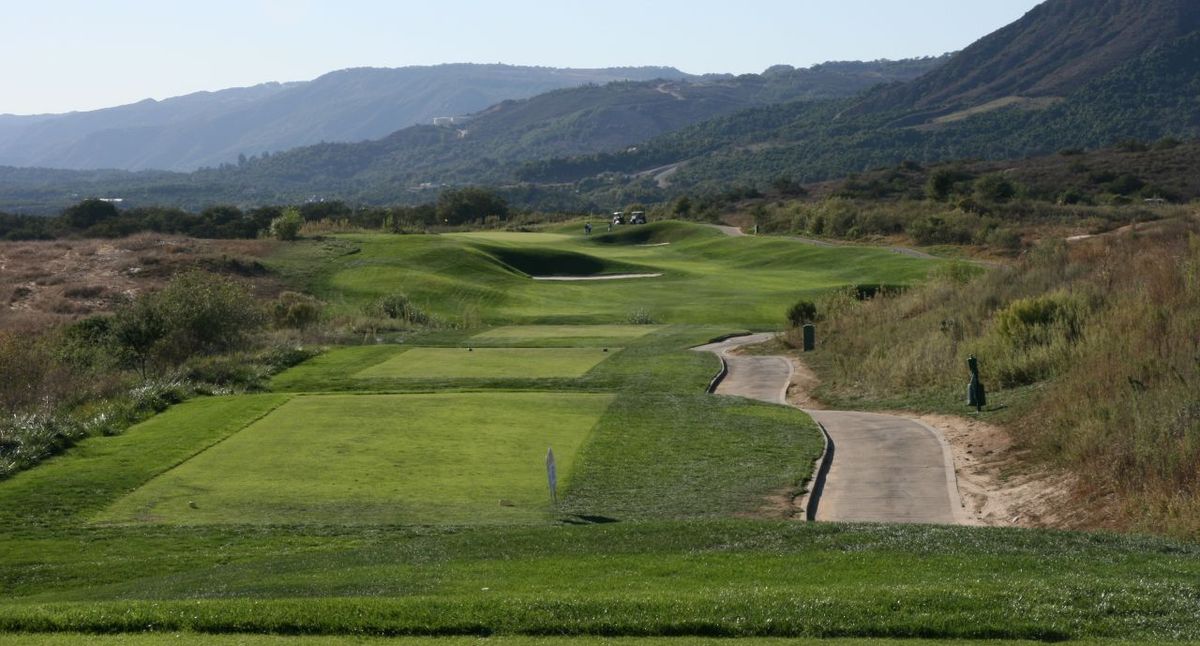
Old Del Mar.
“Oh so many good times, not like it is today. I knew just about everybody, we were like a family.” Sometimes Maurice shared memories while driving around Del Mar and Solana Beach. Suddenly he would start talking, and I’d would listen with childlike curiosity. I recall one evening at the old Cilantro Restaurant while having dinner with Maurice. We sat at a table facing the Rancho Santa Fe Polo field. Maurice began to tell me how it used to be. Rancho Santa Fe
“I used to plow those fields there, all the way up to where the hills begin. I worked out there all day, and I loved it. That land belonged to the Conleys’. I remember that the whole field was underwater for one year. Hard to believe–but it was.”
“You plowed?”
“Sure I did! I was a farmer, a dairy farmer, and I delivered milk to Bing Crosby and Dixie Lee. I remember Christmas she comes out and gives me some extra money.–I always loved going there at Christmas. They was always so nice to me, you know. The Conley’s had a hog ranch, they were the ones I worked for. The year it flooded from El Camino Real to the racetrack we lost a bunch of pigs and a cow under the bridge. It only happened twice that I know of.”
“ What was Rancho Santa Fe like back then, when you were a farmer?”
“Well, it was different than today, then it was rich people, I mean really rich. I don’t know where they got their money but they had everything–you know expensive cars, cooks, and maids.” Maurice chuckled, “ I couldn’t understand what the cook did all day. The man my wife worked for, Ronald McDonald, he had a butler, maid, cook, and a big house, a really nice house. But today, anyone can live there, people who just inherited a lot of money. There was just a few families back then– everyone knew who they was. One time a young girl who lived up there was stuck on the road–her car broke down, so I drove her home. You did things like that. There were two really well-known families there, the Clotfelters were one, they had a son, Tom. He stopped by my house at Christmas and brought me a fish, he liked to fish. The other big family was Avery, he had everything. He used to get jobs for the Mexicans in the Ranch. Everyone knew him, he kind of ran the whole town, was really active in the community. Another fellow, Joe White, went around to the homes and put in the meters for the water district. We used to play cards with him and his wife, Marilyn– have a few drinks and have a such a good time. ” Maurice stopped and shaking his head remarked that there were so many wonderful people in his life, and how lucky he was to live in Solana Beach.
Downtown Rancho Santa Fe.
The Rancho Santa Fe I knew began when I moved there in nineteen-eighty-three. It was a place you heard of right away, and so I drove up to take a look around. Like thousands of others before me, I dreamt of living in the Ranch under a canopy of Eucalyptus trees with a horse stable and a grove of oranges. It was a blissful place to drive on a Sunday afternoon, very few cars on the road and the homes bathed in sunlight. But when I walked down Paseo Delicias, the main road in the village, I felt like an outsider. I did not feel that detachment in Del Mar, or Solana Beach, or even La Jolla. But the Ranch has eyes, it seemed to single you out and therefore no one on the inside made contact with you. You could dine at the charming Mille Fleurs and drop a few hundred dollars but you would not be invited to mingle. I asked Maurice if he wanted to live in the Ranch. His expression was curious as if I was pulling his leg.
ONE EVENING, Rudy and I were sitting on the porch, it was in summer and we would sit out till after eight o’clock at night talking about different parts of Maurice’s life. He is really busy in the summer, he works one day a week gardening for a man in Fairbanks ranch, and he spends a lot of time delivering furniture for the shops in Cedros Design District, and helping his friends with their gardens. He never seems tired; he likes to sit on the porch at dusk, watch the sunset, have a jigger and tell stories. I had not met a man that could tell me things like Maurice. There didn’t seem to be anything he couldn’t talk about. I will tell you in the next series how I met, ‘the happiest man in the world.’
OLYMPUS DIGITAL CAMERA
“ Maurice, how old were you when you were drafted?” I asked.
“ Well, I was thirty-one years old, that was in 1941, you know when the war broke out. I had to leave my wife, and that bothered me, but I wanted to go overseas, there were so many nice real young boys, there were two boys from Chicago that were only eighteen years old, they lied to get in, and they were the best soldiers you ever saw, they weren’t afraid of anything.”
“ Where did they send you, I mean after you left San Diego?”
“ Well first I went to Camp Roberts for training, thirteen weeks, but I got out in nine weeks, then they send me to Fort Ord to get my gear and rifles and clothes to go to New Guinea to fight the Japanese. We left San Francisco on April 21, 1942, I remember going under the Golden Gate Bridge, cause we hit a bad storm there. We was on a luxury liner and then we were sideswiped by another ship. I was in the bed at the time, and water started coming in through the porthole so I run for the door, to get on deck but I couldn’t get it open. I thought we were hit by a torpedo, then I got sick, I was real sick. Well anyway, then we finally settled down, and I think we hit coral sea without any escort or anything and finally got into Adelaide, Australia after twenty-one days at sea.” Maurice paused like he had to catch a breath. I watched his face, thinking he may want to stop.
“ You remember so much, do you mind talking about it?” I asked.
“ No, I don’t mind, it changed my life, everything about it.”
“ Where did they send you after that?”
“ Well we trained for awhile in Adelaide, the people in Australia were so happy to see us. I remember they met us at the beach with tea and cookies cause the enemy were getting real close. Then we went up the coast to New Guinea to Port Moresby, we got there on Thanksgiving day 1942. As soon as we got off the ship the bombs hit us, it was the hundredth raid that night. Then the next morning we were supposed to get to Stanley Range, but we were in such a hurry because the enemy had built cement pillboxes. So we got in this plane, a hull, and they flew us, twenty-one at a time. When I got to the island of Buna, there were dead soldiers all over and so much jungle. At night the tide came in, so I found a mound to lay my head on, but my whole body was underwater. We were losing men so fast, so on Christmas 1942 General McArthur ordered us to advance, regardless of the cost of lives. My division was one of the first divisions to stop the them, the Thirty-Second division. After we were immobilized, and a lot of our men were killed, they sent in the Forty-First division to take over. I got pictures, you want to see them?”
“YES, RUDY,” SHOUTED. Maurice went inside and Rudy and I sat there just talking about how soft our lives had been, never having been in a war. Maurice came back with a Life Magazine, from 1942, the headlines were Attack at Buna. We sat next to Maurice on the couch and he sifted through the magazine showing us the photographs of his division. He picked out one photo in another stack in his lap and told us his wife kept this one, she was sure it was Maurice. It looked like him to. The soldiers were young, but they didn’t look young, they looked like men. The things he told us that night were hard to believe. They didn’t get supplies at first, they had to wait till everything was shipped to Europe, and then they got what was leftover which wasn’t much.
“I ate cocoanut bark for two weeks and had to drink my own piss to stay alive, there was no water. I can remember so well the first enemy I saw, sneaking through the jungle, he was only thirty feet off, and I don’t know if I shot him, but he dropped, and I don’t like to think I killed anyone, and it bothers me to this day that I had to kill, but that’s what we did. The Japanese were good soldiers, they had better ammunition than us, their guns were always real shiny. We fought all day, and we always ran out of ammunition before they did. Christmas day of forty-two we went into a trench to get ahead, the fellow ahead of me was cut wide open, and the guy behind was shot, and I just laid there on the ground. If you moved you’d be shot. It was so bad, I laid there all day and night. “
“ Did you think you were going to die?”
“ I didn’t let myself think that, I made a promise to God, that if I ever got out alive I’d never complain about anything in my life again because nothing could be worse than that day.”
“ You kept the promise didn’t you,” I asked.
“ Yes, I have.”
“ And that’s why the war changed your life?”
“ That’s right, every day is a beautiful day after you’ve lived through a war, at least for me.”
BUNA came into our conversations many times over the years. The things they did to survive is what he remembered; like brushing his teeth with black charcoal because it polished the teeth even though they made them black. They bathed in dirty streams, or in the puddles in the street made by the tires of the trucks. They had to relieve themselves in their pants because moving was dangerous. They didn’t have modern medical supplies. When Maurice had cavities he was sent to the infirmary and the dentist told him to just grit his teeth, there was no Novocain. He got gum disease, leg rot, malaria, and he lost his sense of smell.
“But it was much worse for some of the men, so bad you can’t imagine.” He talked about the kinship amongst the troops, it was unlike anything he’d ever seen or experienced, all the guys looking out for each other. Buna was a strange place to be, I’d never heard of it before Maurice told us. After they took over Buna, one of the beaches, was named Maggot Beach, because so many dead Japanese and American soldiers laid there, in the hundred-degree heat, and the flies got to them, and it was a terrible sight, it smelled so bad he remembered. Maurice was sent to the hospital for two weeks, then he started working in the kitchen and got to be the first cook.
2001. OUR CONTRY IS AT WAR AGAINST TERRORISM. Rudy and I wanted to know Maurice’s thoughts on the way it is now, and how he felt. We sat in his living room watching the news and talking in those first few weeks after the attack on America. It seemed like Maurice couldn’t believe what had happened, I’d never seen him speechless. He didn’t know what to say for a long time.
“The ground troops are the only way to get this enemy. Now with these terrorists– we have a different war. I don’t know what our government will do but they should give our troops overseas that die big funerals, news on the television and newspaper, that’s the right thing to do. In WW11 they didn’t do that for any of us, they just wrapped the dead in a tarp, and dug a little hole in the ground. Hundreds and hundreds of thousands of boys, all they got was a stick where you was. I think they got some of the dog tags mixed up, you didn’t know who was who. When you think about what we went through, and how close you were to each other, everybody was so close, and if someone was shot, you couldn’t stop and help them, you had to keep going. The natives were so nice to us, so good to us, they picked up the wounded guys and carried them to the hospital, they wouldn’t do that for the Japanese. Now everything is on the television so you’re part of it.” Maurice began to weep silently. I hugged him. Rudy interjected.
“What were the natives like?”
” Back then we called them headhunters. They didn’t wear any clothes at all, but after we got there some of them started wearing our clothes. They lived in bamboo huts, pretty neat to live in, Rudy, you would have liked those tents. Anyway, they had these powwows, they’d catch a monkey, and hang him up, build a fire under him, and cinch the hair, then sit down and eat the monkey raw, I saw a lot of that. You didn’t dare look at the women, they’d shoot you with an arrow, they had poisonous arrows, the women were so terribly dirty, but they seemed to be happy. After we took Buna, they liked to shoot up the trees and show us how they got the coconuts, they were so fast. I guess some of them are still alive today, the jungle was so thick and full of mosquitos, a lot of them had malaria, they had no medicine, they ate herbs and things, to make them better. I’ll never forget them, they were so good to us, when they took me to the hospital they put me on a stretcher one time, they were so careful, didn’t move me at all.
“ You couldn’t speak at all to them?”
“ No, they had their own language, I couldn’t understand it, no one did.”
Maurice went into the house and came back with a photograph of a female headhunter. It was strange to think of this person as a woman, she was so primitive. Rudy loved the photograph. Maurice gave it to him. t. Rudy knew he would never see anything like it with his own eyes, so he cherished that picture and the story Maurice told us as if it was his own experience.
THEN THE LIGHT OF DAY TURNED FOGGY. Maurice said it was time to go in because it was getting cold. He told us how much he loved us that night, and what good friends we were. When Maurice talked of his experience in the war, it was like a chiropractic adjustment on my struggle, and I had renewed strength to just keep writing.
It was the first time for Rudy to hear first hand about WW11 because his father had been stationed here making torpedoes. My father enlisted but they wouldn’t take him because he didn’t have citizenship. It bothered him too, he was the kind of man that would die for this country in a heartbeat.
A year or so later, some woman came to know Maurice and asked about his experience in the war. She said she would write a book about it, and so he gave her the photographs and Life Magazine and waited to hear from her. She never came back, and Maurice was really shocked because she had seemed so sincere.
I wanted to know more about his life after the war, but the time didn’t come until one night when Rudy and I got into a nasty fight. To be continued.
IT’S HERE. “CRADLE OF CRIME-A Daughter’s Tribute” is LIVE in the TaleFlick Discovery contest.
Hi Readers:
Voting has begun on Taleflick for this week’s winner. It ends on Friday at 4:pm. CRADLE OF CRIME- A Daughter’s Tribute is on
Page 8. There you will see a voting button. Let’s win!
Head over to the TaleFlick Discovery page, where https://taleflick.com/pages/discovery all visitors to the site will be allowed to vote (once) ON CRADLE OF CRIME- A Daughter’s Tribute
Three days later: The door is locked now, it will pop open now and then, in my interior rearview mirror. My secret can only be revealed after mounds of trust have been sifted and sealed. The former LouLou trusted, effortlessly, so the truth is I cannot behave that way anymore. Or can I? It is the most destabilizing force of emotion to accept I trusted someone who betrayed our thirty-five year “Huckleberry Friend” song. I don’t know how anyone else adapts to this. I’m kinda staring out the window, like a cat staring at an unreachable mouse. When I’m in this mood I listen to Bobby Darin and Tony Bennett, I’m a bleeding nostalgic. Photo Credit Philip Townsend. ” London in the Swinging Sixties.”
WHEN YOU TOUCH THE TRUTH: by thought, word of mouth, friend, or by a dream, however, it comes, and completely unexpectedly it is, the blessing is it came. When it is closure, to events and persons in those events, and if you examine your part, what you played, was it original or falsified, was it genuine, and was it worth it. Asking myself these questions, as I bounced over to the Social Club to test my sociability. I do resist introductions, loners are like that, tonight I was in a celebratory mood, and I wanted to be like an octopus, my arms hanging out, ready to catch. t.
Three days later: The door is locked now, it will pop open now and then, in my interior rearview mirror. My secret can only be revealed after mounds of trust have been sifted and sealed. The former LouLou trusted, effortlessly, so the truth is I cannot behave that way anymore. Or can I?
It is the most destabilizing force of emotion to accept I trusted someone who betrayed our thirty-five year Huckleberry Friend trust. I don’t know how anyone else adapts to this. I’m kinda staring out the window, like a cat staring at an unreachable mouse. When I’m in this mood I listen to Bobby Darin and Tony Bennett, I’m a bleeding nostalgic.
Earlier today, I stopped into bring Blossom a gift, recently renamed from Christine as she reminds me of a flower. Her curly braided brown hair, pink lipstick, birch brown eyes, and flowing printed dress, just formed that image of a bouquet. She was leaning on the glass display of her boutique, (Amazing Finds, in the village of Ballston Spa) eyes wide and bonded to the glass
window.
( Downtown Ballston Spa, settled in 1771)
An instant greeting of, “How’d it go? You look happy. Was it painful?’
My bandaged nose, from surgery last week to remove cancer concerned her, as her flowery eyes turned into studied binoculars. Our conversation drifted into a dialogue about attitude. In the eight months, I’ve lived here and stopped to chat, like four times a week, Blossom has not once displayed melancholy or agitation. Instead, she draws me out of my moody anxiousness (I’m that way. Too emotional) and into laughter and joviality.
” You’re always so positive. How do you do it?” I asked.
” Here’s what I do, I will tell you. Every morning I wake up and write down whatever comes to mind– don’t even think about it, just listen to your thoughts. Write down five thoughts, then go back and cross off the negative ones.”
” Interesting. I journal.”
” That’s different– this works. I wake up grateful, no matter what shit is going on in my life.”
” I’m not that way. I’m too emotional about what happens in my life.”
” Why?”
” Wish I knew, I guess I’m a reactionary. I wish you knew me when I was really happy, content with my life.”
” Forget the past, you gotta let that go. You have it inside you now. I see it, even though you have a lot of obstacles, I know you’re a good person, and you got legs!
” Wish I had your breasts!
“Hah-hah! Listen I want you to do what I said, wake up with what you have and not what you don’t have. Love the purse too by the way.” We hugged and I trotted off, a bit of a dance to my step and a smile on my face. She touched my emotional gear, gave it a push, and into the night. Instead of arguing with myself that I should go out and meet people, mingle, laugh, my evening was music and film, emotions like floating musical notes until midnight.
Three days later, Dorian strikes and my head turned outward, the images on television seemed staged, the aerial footage presented an island of trash floating in dump water. How do they rebuild those miles of destruction? The emotions we have monitored from the comfort of our homes or wherever you happen to be are as one. News anchors drop bashing in the tidepool of politics, and sordid revolting details about Jeffrey Epstein, or the latest protest. I imagine every one of you is horrified, maybe slightly in shock to grasp the velocity of Mother Nature. Floridians are locked up like school children. My friends in Miami cling to one another, as the warnings are now so intensified, the fear detonated functioning life. I’ve never lived through a hurricane; a few tornadoes and my nerves were wiggling from those events. Life, when we come together in emotions is the hope that we can do it when we are not threatened.
Sitting on the porch of Follies House in the wooded hillsides of Saratoga County, NY sealed in verdant shades, tickled by a tap of breeze, only enough to cause the slightest of tones, much like what I am listening to Little Girl Blue by Oscar Petersen. Anais wrote extensively about jazz writing when she lived in New York and frequented all the jazz clubs. So, with my emotions, the music, the serenity of East High Street on a Saturday, white butterflies and cotton ball clouds granulate into daydreaming, and neutrality.
OLYMPUS DIGITAL CAMERA
I tried Blossom’s idea and surprised to find that the negatives are not life-threatening, painful, or disastrous in any way. The positives are it is September in New York, my windows are newly cleaned, so I can see the leaves sprout into golden shades, nothing broke in the house this week, and my refrigerator is full. The essentials of livingness, a partner to warn me from misadventures, a working laptop and printer, friends phone call and texts, oh, and money for perfume and lipstick.
Yesterday I stopped in to see Blossom. ” Pick something out, I love your present. … here try this shawl. It looks like you.”
The Blacklist | Netflix
netflix.com
NETFLIX- BLACKLIST-
Agent Keen and Reddington are educating me on how to fight evil and how to survive. All of my problems are theirs in some episode: mental torture, financial sabotage, abandonment, physical pain, betrayal, threats, and deceit. The only problem, is I am up till 3am watching it! In my humble movie mania opinion, this is the most outstanding drama-suspense-script perfect series. James Spader blows me away with his finesse in dialogue and authenticity. And how I wish to be more like Agent Keen, played superbly sincere by Megan Boone. There is a part of you in one of the characters, I’ll bet on that. https://www.netflix.com/title/70281312
Remember when you opened the door to your own car and took hold of the steering wheel without any parental supervision.
As a teen, my Chevrolet Impala was a haven away from my father. I rolled all the windows down, turned the volume up on the radio, and smoked. My secret joy was hoping the driver next to me would hear the music and notice me. If he was a suitable face I turned around and bobbed my head. Then, just as he looked over at me, I turned away, and looked in the rearview mirror, or sang my heart out to show off brazen behavior, the kind I couldn’t express at home. There was a sense of freedom from examination and explanation. When I drove my spinning Impala that leaped over road bumps in three waves, I was going somewhere alone. It was the only self-contained space my father wasn’t attached to, and he didn’t like driving with me, because he didn’t like me being in control. That is the sensation that life brings to us in volumes as teens; explosions of discovery. Today I don’t experience that sweat of discovery; my life is deodorized.
Remembering the sensations I felt as a teenager, reminds me to intertwine more challenges, sports, mental and academic thought into emotional adventures. If I’m lucky to break through all the percentages of disease, that the late night commercials warn me off, the edge of my rhythm is asking me to make a commitment; to put the Bo’ Jangles back in my steps. I heard the voice yesterday, almost a whisper, asking me why I exclude long term commitments: joining groups, classes, associations, serving on committees, planning ahead, even magazine subscriptions are not worth the trouble because I am always planning on moving.
The answer always comes in the photographs that bring back that moment in time, and the immediate recollection of the internal places I moved from venturing into the unknown. Many years ago, I was in therapy, and in one discussion, this discourse occurred that I considered an awakening then. “I think you jump into unknown places, and situations, to test yourself, and you do that because that is what your father did most of his life.” That is what adolescent behavior is meant for, to learn by experiment, to see how far our strength of character will take us. We each have a different set of alarms and temptations. Why compare what one has to the other? My path is familiar to me, I am a born mistress of unfamiliarity; the quest for discovery keeps me moving.
As a teenager, I remember the most remarkable configuration of images, that passed by while I was driving, the faces of shopping mothers walking the streets of Beverly Hills and Westwood, the prostitutes positioned along one section of Sunset Boulevard, and their counterpart degenerate gin-soaked soul mates inched up against abandoned buildings, the Ocean Park joggers, and walkers, and picnickers, waving to each other, as they slapped together hard boiled egg and tuna sandwiches. Like a playroom without walls for Europeans’ and senior citizens to elope with each other. I didn’t favor one street life over another, they all made sense to me.
Living in the Northeast calls your pragmatic and sensible strings. I’m still learning how to tame my lust for unpreparedness; like going out without an umbrella, leaving delicate brick a brac on the porch, driving with caution for deer, rabbits, and turtles, maintaining a close eye on water in the basement,and dressing down so I don’t look like I’m from Los Angeles.Every day is experimental in some way. I don’t know how long I’ll be here, maybe that is how I like it. With every intention on writing about living in a village of five thousand, surrounded by forests and fields, my pen of expression is a bit too wobbly to publish. I’ve had this post up for editing all week, and it’s not a new one. Most of it was published in 2011. Is that cheating?
Unprepared, who knows where
The leaves will fall
They don’t plan
Where to land
Undisclosed strangers will walk in our paths
Cross our hearts and
Tread our minds with terror
Evil intercepted; betrayal, envy, abandonment, financial sabotage. It’s for a reason, Evil has not penetrated my life. Why now?
Uncertainty
We traverse our hearts discourse
Shooting for dreams of undiscovered lands
More weightless plans
I don’t know if I can see ahead
My steps like pebbles follow the rush in the river
On the edge of blindness
Skipping towards freedom
In summer rays of light.
Like a leaf, I break free from the branch of life to find where I belong.





 Old Del Mar.
 Rancho Santa Fe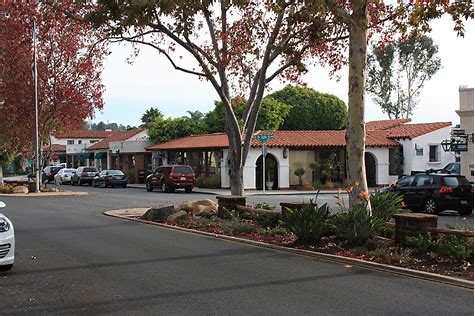


 When it is closure, to events and persons in those events, and if you examine your part, what you played, was it original or falsified, was it genuine, and was it worth it. Asking myself these questions, as I bounced over to the Social Club to test my sociability. I do resist introductions, loners are like that, tonight I was in a celebratory mood, and I wanted to be like an octopus, my arms hanging out, ready to catch. t.




 ADVENTURERS IN LIVINGNESS