“Don’t you love being on your own?” I thought, how to answer? This woman appeared to want the truth.
“No, not after years of this experience. I learned, adapted, and now it’s time to take the next chapter with someone. I love dimples; if he has dimples, I’m swayed. Sounds silly–well, I like silly in a culture, from my observation, overly rehearsed, where’s the improvisational madness?”
“Maybe you’re in the wrong place, you sound like you belong in Barcelona or Mcyanos.”
“Oh yes. I have thought of that, dreamt it. Under the Tuscan Sun, DH Lawrence’s book, ” Lorenzo, In search of the Sun”-the euphoria of escape, but besides your wardrobe and possessions, your bag carries your personality, and mine goes interior.
“But you are so outgoing, I’ve seen you in social situations, I don’t think you know yourself.”
I laughed, the remark was so bullseye.
“Do you know yourself?“
“Hah, you got me? I think I do, only because my life is somewhat structured; unlike you, I know what I have to do every day.”
“So structure defines you? Hmm, that doesn’t titlt who I see in front of me, a plower of curiosity and human behavior.”
“My husband is here, let me introduce you.” I noticed him right away; he had dimples.
” I loved our conversation, and I hope to run into you again, somewhere, maybe in Barcelona.” She winked.
When we find a conversation, like a unique shell in the fallout of a wave, we pick it up, we wander in it, and sometimes it talks us through our own shell.
AS I AM ABOUT TO ENTER THE ELEVATOR, the guests inside bounce out, SOME SAY EXCUSE ME, SOME DON’T. DO I EXPECT TOO MUCH? YES. I live in a culture of me before you. One woman, as we stood waiting for the elevator, looked at me, ” Oh these elevators are so slow, don’t you think?”
“Yes, but what irks me is the guests outside don’t wait for the ones inside to come out.. they bulldoze.
” This happens all the time, and you’re the first guest who said that.” I was thinking that too! Well, I don’t think people are very happy here, not friendly at all,” she said, relieved. Like it was bottled up and needed a cork to let her speak.
“So it’s not just me!”
” No! I used to live here many years ago, I moved to the Midwest and I love it, ” smiling as if just thinking about going home.
‘ I understand completely. I lived here years ago; it was like living with smiling children who suddenly reformed into I’m first – adults. So serious.”
” Yes! I’m glad I’m only here for a few days. I can’t wait to get home,” she said earnestly.
We parted, and the assurance of my senses was validated. Adapt, now as a Junior Senior, as I am still ready to be playful and honest, but not here. My attention is not to the guests, it is to the staff. Sabrina, Frank, Lorenzo, Jeremy, Nicholas, Trevor, Adam, Jazmin, and a few others. I listen to their stories, feel their pressing preparation to greet guests with jovial expressions, and patience. And checking into a hotel is no hands-on, swipe, scan, and off you go.
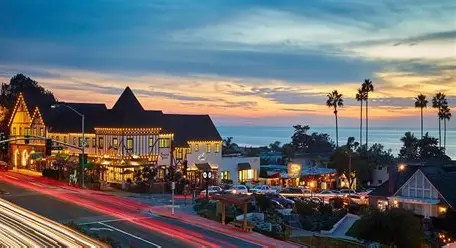
I chose a bench, just beyond the entrance, beside the pond and fountain, enveloped in Birds of Paradise, and plants I cannot name. That is my place for coffee and sunrise, and sunset, and a glass of wine. I can see the distant trees over Del Mar, the silhouette of rooftops, and the clouds. And, I see myself forty-three years ago, like Christopher Columbus, when I discovered Del Mar. A vignette of beachcombers, surfers, and a few scientific geniuses, celebrities, and, of course, Dinty Moore’s, and the former just horses racetrack. I was most content with Del Mar since leaving Westwood Village.
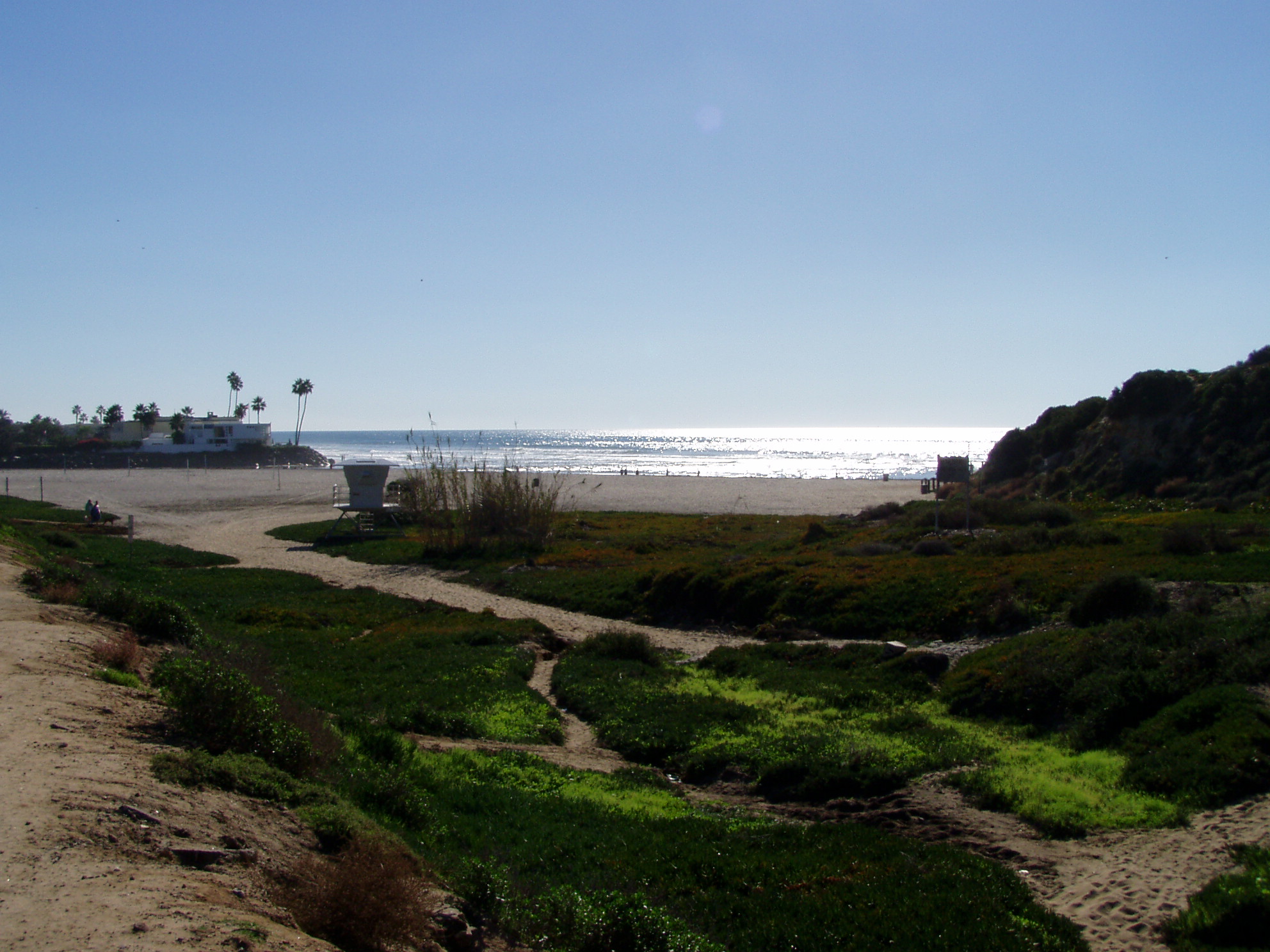
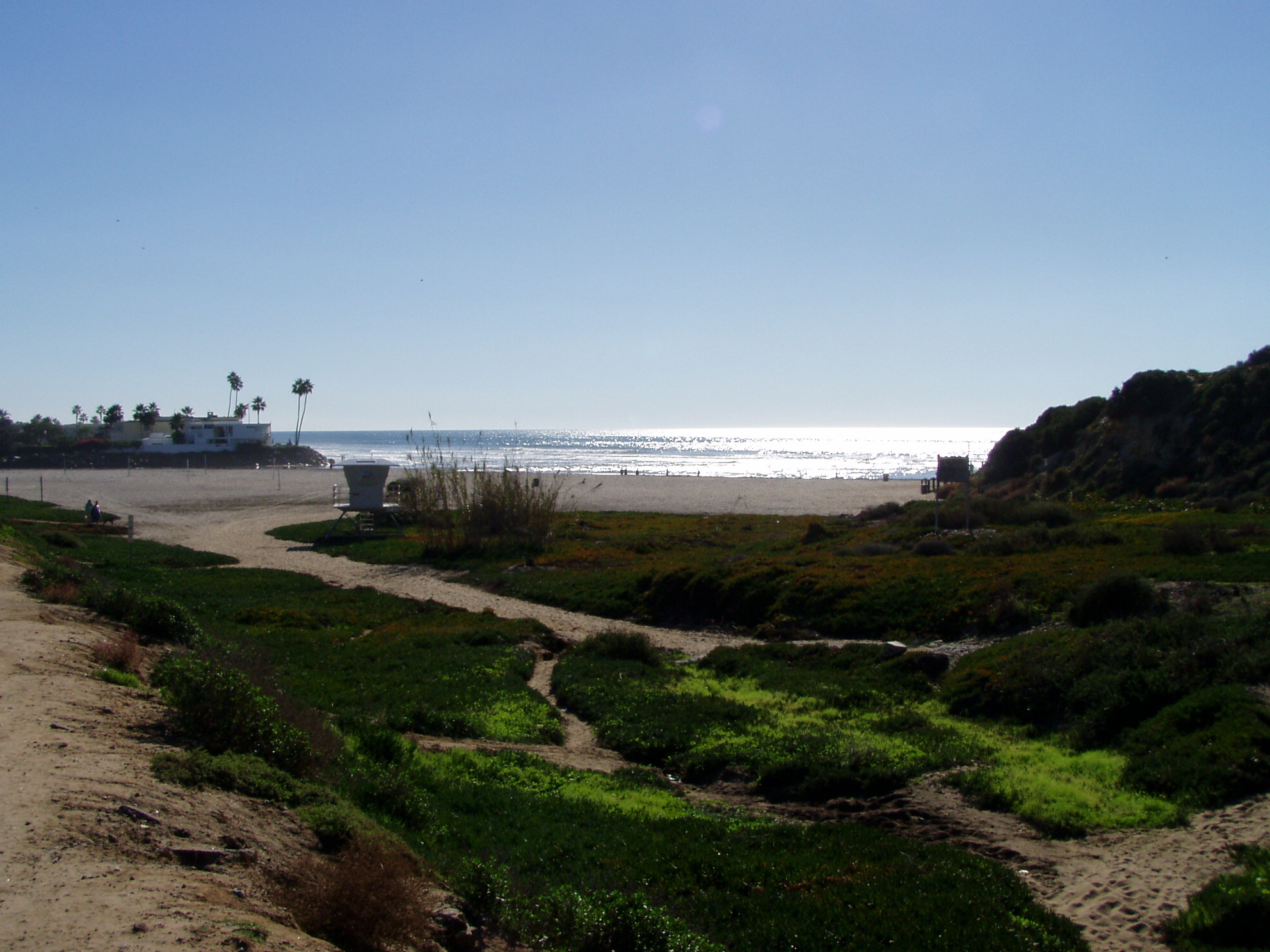
DEL MAR BEACH, CA.
Some say wherever you live, all that you possess psychologically goes with you, in a suitcase full of dreams. Mine did, and it has been a month, to fold up those memories, wrap them gently, and go away, not far, just enough to drain what was once.
Employment search is like this: click the link, upload, and then a text, no phone calls, no in-person interviews. The qualifications are two full pages, mostly in acronyms I’ve never heard of, overtime, weekends, and, for that, a trailblazing blessing to be part of the innovators, driven to success, on the cusp of revolutionizing the algorithm-interpersonal technology. Paraphasing one sample description for a Marketing Director.It is more than a Brave New World, it’s All in for ALGORITHMS: a data-tracking system in which an individual’s internet search history and browsing habits are used to.. JOIN, PURCHASE, SELL.
And AI: Machine Learning: This involves training algorithms on data sets to create models that can perform tasks such as making recommendations, identifying patterns, and predicting outcomes.
Deep Learning: A subset of machine learning that uses neural networks with many layers (hence “deep”) to analyze various factors of data.
Natural Language Processing (NLP): This enables machines to understand and respond to human language.TO WRITE YOUR NEXT BOOK?
Nineteen years ago, I left this enclave, the zeitgeist of beaches, lagoons, reserves, affordable homes and rentals, and the Torrey Pines. While I was away, the dirt metastasized into gated communities, high-rise apartments with more amenities than a full page, renovated mom-and-pop grocery stores, reimagined as gourmet, branded boutiques, and salons that offer the ultimate experience in beauty. It’s landed in every resort, not just Del Mar. As my friend Jerry Schatzberg said at ninety-nine years old,: Adapt or shoot yourself.’
Freeways, not so free anymore, I hear and see canned traffic on the Interstate 5 all day and night, and off the freeway, in Del Mar, hit it, buster, or I honk.
The trajectory is, I wake up with a sunrise at mild sixty degrees and a sunset at the same. My former home in Saratoga Springs is digging out of snow and ice, and that is not nice. Your back is whacked, and your hands freeze. I did it, I know. After two weeks, I am still in culture shock, not just the beauty and soft breezes, but what was once casual, impromptu, conversational, and friendly is now on the phone or iPad.
What hasn’t dispersed is the polished palm trees in sunlight, early morning fog that resembles my state of mind, the seafood at the Fishmarket, the Del Mar Track, The Plaza in Del Mar and surfboards everywhere! Del Mar Beach, the wide and sandy, clean shore, is waiting for swimmers and surfers to be doused in euphoria. I’ve lived most of my adult life connecting my dream with reality. To be continued.
The sea is like rolled oil, and the breaking waves are the size of lake ripples. At this momentary recess of chaotic beach activity, all the heaviness of life rolls out with the waves. Observing the elan of beach life carousing, suntanning bodies already tanned leather, joggers and runners, bicyclists, fishermen, volleyball players, and the surfers.
That’s my garden of grace and glory. They are like ballet dancers, some of them, some seem to think they’re driving a car or motorcycle, but the longboarders, old school aged surfers, skim waves athletically and spiritually, one with the board like a musician with an instrument.
And the fisherman, the other clan, is worth watching because they are interlopers in Del Mar. They come alone, dressed in rubber boots, floppy, stained hats, and pocket vests, like longshoremen or train conductors, an aura antiquated in Del Mar history, when fishermen were in greater numbers than joggers, lifeguards, and beach parties.
Saturday, a heavy clog of humidity tries to zap my energy. I slept six hours, so I fight, do laundry, do a bit of weight lifting, go up and down the twenty stairs twelve times, and wander in my mind. I answer the first phone call of the day.
” Hi, how are you? ?”I pause to answerwith some amusing honesty.
” I’m cleaning my brain?
” How do you do that? You’re funny.”
” “I sweep away all the repetitive scary thoughts.”
” What about you? My friend sighed and then zigzagged into her struggles, taking care of her ninety-six-year-old mother, who does not speak English; my friend is Armenian. She works full-time as a court translator, has two children, a husband, and about fifty friends she continually connects to.
“You are four people in one. I don’t know how you do it?” Is your Mom still living with you?”
“ Yes, she can’t walk. She sleeps in the living room because the bedrooms are upstairs. It’s difficult. I have to feed her as she’s now refusing to eat.”
” Please try and get a nurse’s aide to come in and help you.”
“She won’t let anyone touch her but me.”
“I find that selfish, not to be critical, but you will wear yourself down.”
” She’s always been like that; in my culture, you never abandon a parent, no matter what. Her mind is sharp, so that is good.“
” Heaven isn’t good enough for you,” she chuckled. I often improvise to be amusing because her laughter is boisterous, and we all need more injections of humor.
” Have you decided where to move when it sells?”She asked again.
” Yes, I was looking at my book on Italy, all the different regions, and I think Anacapri is a good choice.”
” Oh, Greta… that is so expensive; what are you thinking?”
“I’m not thinking I’m daydreaming.”
” I have an idea for you. There is a new trend, something like Boomermates, a group of people who share a house, and you don’t have to sign a lease. Go look in San Diego and find something.
“Roommates, strangers, you mean?”
“Yes, why not?”
” Would you do that?”
” Probably not. A studio anywhere in San Diego is two thousand at least, and don’t use the proceeds from the house.
“Now you’re daydreaming. I’ll have to use some without the rental income until I find employment. Are you home now?”
“No, I’m driving to San Diego for a court appointment
“It’s what, six in the morning?“
“Yes, I wake up at five.”
” Every time I come here, I think of you. You were a great leasing agent. You leased about fifty of my units. You can get a job leasing in a nice project. Oh, you should have bought that unit. I remember G4 when we converted to condominiums.“
“Yes, you’ve told me that a hundred times.”
” I made the same mistake. What can you do?”
” Complain and then accept what you can’t accept. Like selling my home.”I went through my steamer trunk and found my marketing portfolio when I opened Follies as an artist retreat. It was nonstop theatrics. One time, I hosted a theater group of six young actors; they were so much fun. Ah, memories.
” You will make it; look what you accomplished, winning a foreclosure, Greta; that is something big.”
” So is my glass of wine.”
“I’d be doing the same in your situation.”
” Another showing, a really nice family. They’ll make an offer. They commented that the exterior paint is their issue, so did I tell you already? I found a marvelous painter from Albania, and he’s given me a very reasonable price to paint the entrance, balisters, and overhang. You know that curb appeal is critical.”
” You shouldn’t spend your money, Greta, how much?”
” Three thousand, and it’s a lot of scraping and ladder work. It’s the right decision if I may disagree with my real estate guru.”
” That is reasonable. Keep me posted. I’m in San Diego now, so I will speak to you soon.”
” Heaven isn’t good enough for you.”And I’m leaving Follies in the best I can because she was so good to me.
Part Two. Solana Beach Morrocan Bungalow 2003.Maurice was 84
Maurice married the love of his life on December 25, 1941. They married in December because Maurice had saved one thousand dollars and made one hundred dollars a month. Agnes, his girlfriend in Grant, Iowa, is the woman who led Maurice out to Rancho Santa Fe, California, from his home in Grant. She and her father worked for Ronald McDonald, a prestigious resident in the ranch. She was responsible for housekeeping and cooking, and her father was the chauffeur.
Agnes and Maurice went to the US Grant Hotel for dinner and stayed at the Paris Inn on Kettner Avenue in San Diego. The following day Agnes went off to work. Maurice stayed in the little guest house she occupied on the McDonald property. Two days later Maurice received his draft notice. On December 31, he left his new bride and reported for duty in Escondido. He had one short visit before he left for overseas. Then, the next time he would see her, he would be changed.
Buna
One summer evening, I was sitting on Maurice’s front porch. Sometimes, we would sit out till after eight o’clock at night talking about different parts of Maurice’s life. Maurice is really busy in the summer; he tends to his garden of fruits and vegetables, he delivers furniture for all the Cedros merchants, and he helps his friends. He never seems tired, he likes to sit on the porch, have a beer, and tell stories. I used to like it when my father told me stories, but they were unlike Maurice’s. There didn’t seem to be anything he
couldn’t talk about. Once he said, ” You can ask me anything you want.”
“Maurice, how old were you when you were drafted?”
“Well, I was thirty-one years old in 1941 when the war broke out. I had to leave my wife, which bothered me, but I wanted to go overseas and fight for my country. There were so many nice soldiers, the best people in the world. I recall two boys from Chicago that were only eighteen years old, they lied to get in the service, and they were the best soldiers you ever saw- they weren’t afraid of anything.”
“Where did they send you after you left San Diego?”
“Well, first, I went to Camp Roberts for thirteen weeks of training, but I got out in nine weeks. Then they sent me to Fort Ord to get my gear, rifles, and clothes. We left San Francisco on April 21, 1942. We got into Adelaide, Australia, after twenty-one days at sea.” Maurice paused like he had to catch his breath. I watched his face, thinking he may want to stop.
“You remember so much… Do you mind talking about it?” I asked.
“No, I don’t mind; it changed my life, everything about it.”
“Where did they send you after that?”
“We trained for a while in Adelaide; the people in Australia were so happy to see us. I remember they met us at the beach with tea and cookies. The enemy soldiers were getting close. We went up the coast to New Guinea and into Port Moresby; we got there on Thanksgiving Day 1942. As soon as we got off the ship, the bombs hit us; it was the hundredth raid that night. The next morning we were supposed to get to the Stanley
Mountain range, we were in such a hurry. The Japanese soldiers built cement pillboxes and the army wanted us there. So we got in this plane, and they flew us there. Twenty-one at a time. When I got to the island of Buna, there were dead soldiers scattered all over the beach. We lost men so fast. Then, on Christmas Day of 1942, General McArthur ordered us to advance, regardless of the cost of lives. My division was one of the first to stop the Japanese army, the 32nd Division. After we were immobilized and a lot of our men killed, they sent in the 41st Division to take over.”
Maurice’s memory was like listening to a documentary, and this was the first time a Veteran confided in me. They didn’t get supplies at first; they had to wait till everything was shipped to Europe. They got what was left over, which wasn’t much. He ate cocoanut bark for two weeks and had no water.
“I can remember so well the first Japanese soldier I saw. He was sneaking through the jungle, only thirty feet off. I don’t know if I shot him, but he dropped. I don’t like to think I killed anyone, and it bothers me to this day that I had to kill. The Japanese were good soldiers; they had better ammunition than us. We fought all day, and we always ran out of ammunition before they did. I’ll never forget Christmas Day of 1942. We went into a trench to get ahead; the fellow ahead of me was cut wide open, and the guy behind was shot. I just lay there on the ground. If you moved you’d be shot. It was so bad; I lay there all day and night. ”
“Did you think you were going to die?”
“I didn’t let myself think that. I promised God that if I ever got out alive I’d never complain about anything in my life again. Nothing… nothing could be worse than that day.”
“You kept the promise, didn’t you?” I asked.
“Yes, I have.”
“And that’s why the war changed your life?” I said.
“That’s right. Every day is a beautiful day after you’ve lived through war, at least for me,” he said.
Excerpt from manuscript. All rights reserved. No part of this work covered by the copyright herein may be reproduced without the author’s prior written permission.
HOW ONE SOLDIER CHANGED THE COMMUNITY OF SOLANA BEACH, CA
For many of us, the idea of aging is frightening. We have been led to believe it brings pain, loneliness, and idle time for regressing mentally. Remedies, products, prescriptions, and escapes offer youthful looks, energy, and vitality. The thought of aging is brutal; we pretend we can buy youth. What if you met a man who told you he could do everything today, at eighty-four, that he did all his life without injections, medicine, special diet, or specific training?
What if I told you all his family, including his brothers, mother, and father, is gone? His wife died twenty years ago. That he lives alone and is not lonely. He claims he is the happiest man in the world. Would you want to meet him? He wants to meet you. He would like to be everyone’s neighbor. He has much to teach in a country of strangers about meeting neighbors and making friends. We who know proclaim him an inspiration, a legend, an angel. And to that, he always replies, “I‘m just a regular guy.”
Maurice Roberts has lived in Solana Beach since 1936, and his recollections of the area are intact. I recorded his history and began writing everything down. Next week, I will startthe first in a series of historical perspectives.
In the mood for pasta tonight, a few hits of green chili to flavor fest the marina, shrimp, garlic, and heaps of asiago cheese, yes sounds good. One step into the kitchen, and there on the electric stove burner is a mouse … I screamed, did you hear me? Then I stomped my feet and it lowered back into the passageway.
” I need emergency treatment, you won’t believe what I just saw,” The receptionist at Pest Control, replied, it sounded like she may be smiling.
” What?”
” A mouse found his way up to the stovetop grill, I mean not all the way, half his body was visible! ” She chuckled, for a full minute.
” I’m more afraid of mice than bears, foxes, or anything. I know it sounds irrational but I didn’t grow up here. “
” Well, let’s get you scheduled… let’s see now, we can get there on Thursday next week.”
” I cannot go in the kitchen..”
” Gee, I am sorry. I noticed that we were there in March of this year.”
“Yes, nine-hundred dollars here! You won’t charge me for this next visit.”
” Well, let me see what I can do.”
Enter, Gary, with a toolbox, and a howdy doody kind of introduction. He appeared as interested in ridding mice as I do shoveling snow. He’s going to retire soon, he says as he pokes around the kitchen, points to the openings, talks some more about retiring, and applies a bit of killer foam behind the stove.
He sets a few traps in the basement as I watch and snap photos.
” Are there any dead ones in the traps from last time?”
” Sure, I see two.”
“Okay, I’ll be upstairs.”
I covered all the stovetop grills with pot tops, ordered disinfectant, and covered every counter with paper towels. I went out to dinner for the next week, feeding on grilled sandwiches and soup. More sightings and drips of mouse visits provoked a second call to Family Pest. They sent out another treatment expert. Gary shuffled in, forty years younger than the previous technician.
My friend JoMarie who is Martha Stewart without a TV show told me to place pine cones dressed with cinnamon. So I listened.
” Mice are difficult, they slip through a fingernail-wide opening.”
“Well, then let’s foam up all those fingernails.”
” I’ll set some traps downstairs. I will move the stove out and see if there is an opening.”
He pulled it out, and alas, a five-by-five opening into the basement.
“ I have to have this blocked off right?”
“Yeah, that’s a good idea, we don’t do that.”
” I figured.”
The next call went to a carpenter, he showed up and hammered in sheetrock as he talked about his six kids. He is twenty-four, I tried to do the math, maybe it’s a sympathy card. He agreed to take care of five more repairs in the house and charged me modestly.
A week later after three canceled appointments I crossed his name off the list and explored more carpenters on the web. This will be the seventh I called. Paul showed up, speaking amicably, obliging, harp-like voice and, ready to work. That was two weeks ago, he said he had a bad cold. I’ve read about Lazy Girl Jobs, but carpenters and handymen? Half the population in my village are in the trades so I’m miffed. Utube is not going to teach me how to drywall ceilings, replace a window, box in a pipe, or bring down heavy antique furniture from the attic down thirty stairs without falling down, and most likely on a mouse.
I’m an elf who spends her days writing, translating legal documents, and fussing over the unfixed. I’d rather be monitoring sunshine, waves, surfers, and seagulls… until then, home away from home are adventures in livingness. DEL MAR, CA.
Living in Del Mar from 1982 – 1996 enriched my spirit, health, and distance running. Even though I’ve heard, you can’t go back, I’m striving to break that fact.
As children, our waiting depends on how long it takes Mom and Dad to finish what they’re doing and pay attention to our needs. It takes hold of us, like a fever, and we resort to nudging them, whining, even sobbing, If we are made to wait longer than we expected. During the school year, I waited all semester for the summer. In Los Angeles that meant it was hot enough to go swimming in the ocean.
When I lived in Hollywood, I rode two buses, to get to Santa Monica. The second bus dropped me off on Ocean Avenue, above Santa Monica Beach. I ran down the ramp that connects to Pacific Coast Highway and headed north to Sorrento Beach. I jumped into the sand running to find the place where my schoolmates clustered: in a caravan of towels, beach chairs, radios, and brown bag lunches. I couldn’t just run to the ocean, I had to sit and talk and have something cold to drink, and then I made myself wait until I couldn’t stand it any longer. Then I ran down to the shore, and embraced the waves, tumbling inside their grasp until I lost my breath, and floated into abandonment.
After I moved to Santa Fe I stopped thinking about the ocean, I had to remove the memories from my thoughts, so I could continue to experience this spark of New Mexico. The dry sage ocean of pink soil, and radiant blue sky that pinches your eyes when you’re driving, the sunlight, the warmth of a desert night, and the white snow on pink adobe rooftops. It had postcard perfection, even with fallen leaves spread like trash everywhere, the trees almost naked, and the dead plants in the garden. I tried not to think of the ocean, the look of the sea from watery suntanned eyelids, or from the bluff at Del Mar, or the splashing of waves around my shoulders as I tumbled beneath the surface.
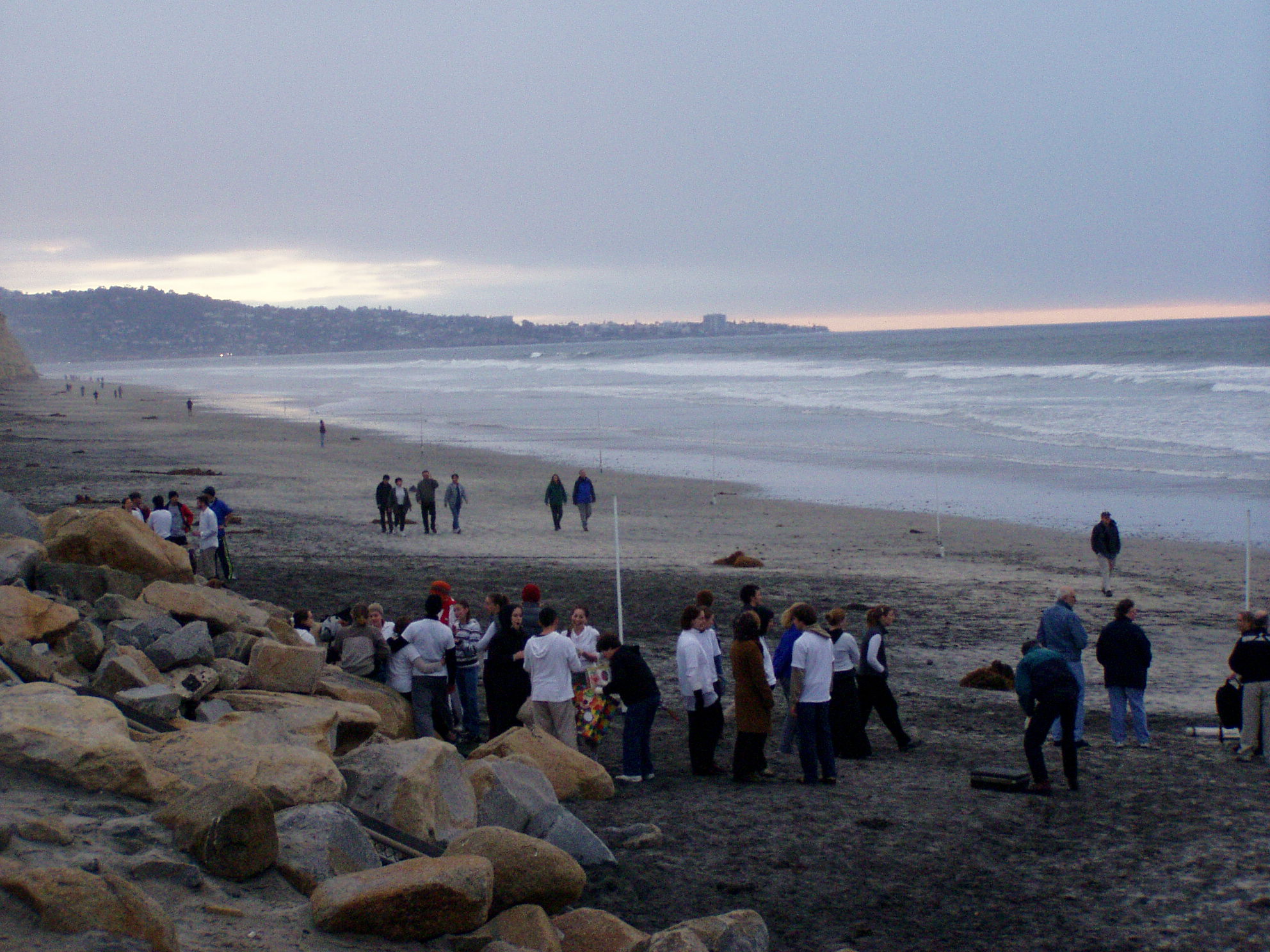
I waited, as I did as a teenager, for that time to come in the fall of 2010, so I could return to the sea. I stood at the water’s edge in Del Mar, it was like summer without all the kids screaming, barking dogs, volleyball and paddle board games, lifeguards thrashing the beach in their jeeps shouting, ‘no dogs off the leashes, no glassware, and no surfing today’. They were missing, and so were the parade of beach runners, and surfers. In fact, I was the only one swimming, on that first day at the beach. Before I went into the water, I reclined on a big black boulder and faced the sea, letting my eyes wander amongst the scenes of the beach on a Tuesday afternoon. In front of me was an older man with graying hair, in a beach chair reading. He must be retired, he looked perfected adapted to his spot about five feet from the shoreline. I thought about retirement, and how I still cannot come to grips with spending my days on park benches or in cafes watching younger men and women live. There was one swimmer, on a bogeyboard, he was far out, and floating along, and I wished I’d brought mine with me, but it was in Rudy’s van. The last time I used it was when I lived in Solana Beach in 1997. I also wished I had a new bathing suit, because the one I was wearing was too loose, and the neck straps were tied together in a knot so I could swim without losing my top. The sun baked my body, and I let it without abatement, without shading my limbs or wearing a hat, just enough sunscreen to keep the rays from trotting over my lily-white skin. I closed my eyes and when I opened them, the waiting suddenly felt so imperial, so much so that I began to think about waiting as an aphrodisiac or something like a good cocktail that you have to make last for hours, while you wait for that moment that makes you feel immortal, childlike, and emancipated.
I felt the beach flies, and the tang of salt water on my lips, and when the seagulls swarmed above the water’s surface, like so many beads of a necklace, I thought, that this is about the most beautiful day I could have, and it’s all because I WAITED. I didn’t give up on the ocean, or my place in it, or believing that I would have my day in the sand, under a faded denim blue sky, with cotton ball clouds floating above me. I baked until the sweat drenched my pours, and then I raised myself up and walked slowly to the edge of the water. The surf made tiny breaks not enough to shatter my body warmth and I felt the first sting of the water on my feet, and then my knees., I submerged and found that the best way to celebrate this day was to keep flopping backward on top of each wave as it crashed, and I did this for a dozen rounds, until I felt giddy, submissive, and dented with the surf. That waiting thing again, meant something that I should write about because all of us are waiting for the election, the economy to recover, wars to end, streets to be safe and our real estate to be worth something again. We are all waiting for this big change so we can feel secure and optimistic about the future. There is something useful about waiting, something predisposed, that gives us the support and substance we need, so when the waiting is over, and we are all flush with optimism again, it will feel like the first time. It will overwhelm us with power and joy, like the ocean.
As children, our waiting depends on how long it takes Mom and Dad to finish what they’re doing and pay attention to our needs. It takes hold of us, like a fever, and we resort to nudging them, whining, even sobbing, If we are made to wait longer than we expected. During the school year, I waited all semester for the summer. In Los Angeles that meant it was hot enough to go swimming in the ocean.
When I lived in Hollywood, I rode two buses, to get to Santa Monica. The second bus dropped me off on Ocean Avenue, above Santa Monica Beach. I ran down the ramp that connects to Pacific Coast Highway and headed north to Sorrento Beach. I jumped into the sand running to find the place where my schoolmates clustered: in a caravan of towels, beach chairs, radios, and brown bag lunches. I couldn’t just run to the ocean, I had to sit and talk and have something cold to drink, and then I made myself wait until I couldn’t stand it any longer. Then I ran down to the shore, and embraced the waves, tumbling inside their grasp until I lost my breath, and floated into abandonment.
After I moved to Santa Fe I stopped thinking about the ocean, I had to remove the memories from my thoughts, so I could continue to experience this spark of New Mexico. The dry sage ocean of pink soil, and radiant blue sky that pinches your eyes when you’re driving, the sunlight, the warmth of a desert night, and the white snow on pink adobe rooftops. It had postcard perfection, even with fallen leaves spread like trash everywhere, the trees almost naked, and the dead plants in the garden. I tried not to think of the ocean, the look of the sea from watery suntanned eyelids, or from the bluff at Del Mar, or the splashing of waves around my shoulders as I tumbled beneath the surface.
I waited, as I did as a teenager, for that time to come in the fall of 2010, so I could return to the sea. I stood at the water’s edge in Del Mar, it was like summer without all the kids screaming, barking dogs, volleyball and paddle board games, lifeguards thrashing the beach in their jeeps shouting, ‘no dogs off the leashes, no glassware, and no surfing today’. They were missing, and so were the parade of beach runners, and surfers. In fact, I was the only one swimming, on that first day at the beach. Before I went into the water, I reclined on a big black boulder and faced the sea, letting my eyes wander amongst the scenes of the beach on a Tuesday afternoon. In front of me was an older man with graying hair, in a beach chair reading. He must be retired, he looked perfected adapt to his spot about five feet from the shoreline. I thought about retirement, and how I still cannot come to grips with spending my days on park benches or in cafes watching younger men and women live.
There was one swimmer, on a bogey board, he was far out, and floating along, and I wished I’d brought mine with me, but it was in Rudy’s van. The last time I used it was when I lived in Solana Beach in 1997. I also wished I had a new bathing suit, because the one I was wearing was too loose, and the neck straps were tied together in a knot so I could swim without losing my top. The sun baked my body, and I let it without abatement, without shading my limbs or wearing a hat, just enough sunscreen to keep the rays from trotting over my lily-white skin. I closed my eyes and when I opened them, the waiting suddenly felt so imperial, so much so that I began to think about waiting as an aphrodisiac or something like a good cocktail that you have to make last for hours, while you wait for that moment that makes you feel immortal, childlike, and emancipated.
I felt the beach flies, and the tang of salt water on my lips, and when the seagulls swarmed above the water’s surface, like so many beads of a necklace, I thought, that this is about the most beautiful day I could have, and it’s all because I WAITED. I didn’t give up on the ocean, or my place in it, or believing that I would have my day in the sand, under a faded denim blue sky, with cotton ball clouds floating above me. I baked until the sweat drenched my pours, and then I raised myself up and walked slowly to the edge of the water. The surf made tiny breaks not enough to shatter my body warmth and I felt the first sting of the water on my feet, and then my knees., I submerged and found that the best way to celebrate this day was to keep flopping backward on top of each wave as it crashed, and I did this for a dozen rounds, until I felt giddy, submissive, and dented with the surf. That waiting thing again, meant something that I should write about because all of us are waiting for the election, the economy to recover, wars to end, streets to be safe and our real estate to be worth something again. We are all waiting for this big change so we can feel secure and optimistic about the future. There is something useful about waiting, something predisposed, that gives us the support and substance we need, so when the waiting is over, and we are all flush with optimism again, it will feel like the first time. It will overwhelm us with power and joy, like the ocean.
He’s digging my grave For the dragon he pays With our nest, now shaved Tumbling into the abyss I visit the comfort robes of the past Monogrammed in stone
The will to relive what’s past comes at night
And must be excluded by daylight.
Of HUMAN BONDAGE
The sky hasn’t decided if it will let clouds overturn the sun, and I haven’t decided if I will pack the stack of books on the floor. No, I don’t feel the drive to lift and organize, my bed is warm and the house is not as warm.
I brought my coffee and peanut butter and honey toast upstairs, on a tray, I happen to collect trays, reminiscent of times when women ate breakfast in bed. Propped upright, I explored a movie about uneven love, tragedy, and resurrection. Of Human Bondage lit my taste, featuring Bette Davis and Leslie Howard. —– FILM MADE IN 1930 IN GRISLY BLACK & WHITE. Uneven love. Days now remind me of reading 1984 in high school, and Fahrenheit 451 on film. We did evolve from a simplistic, hand-carved culture, built on rebars of freedom to a house full of furniture, relics, gadgets, screens, gates, and beeps. The beeps for me, make me jumpy, not seductively strolling around my apartment lighting candles in peace. I really do shimmy every time I hear the beep. I chose Sunday to shut down all communication with the mainland, take the longest bath I can stand, and write. I need a rest, like a chaise lounge on a spacious veranda with honeysuckle, wisteria, and lavender, and then a mile away is the ocean, let me swim again.
OLYMPUS DIGITAL CAMERA
I feel artists, and their works are not featured in the media, or maybe it’s because my scrolling is stuck on the essentials of living. In times of war, people must have known, see it now or never. Over two million working artists in the country, so google says, and when was the last time you discussed it at dinner, with anyone. I haven’t, and I don’t know why? Pop-up thoughts on life.














 ADVENTURERS IN LIVINGNESS