TRADITIONAL AND NON-TRADITIONAL


 FREINDS, FAMILY AND FIREWORKS, Not me.  Leave out the friends and family. But not the fireworks. I havenโ€™t been here long enough to make new friends, and the ones I would call are out of town or playing homebase to avoid the traffic. The first day free of mind bending, sneezing, coughing and body thrashing over the last two weeks with bronchitis subsided. I even mentioned to a friend. โ€˜the best thing about suffering is when it ends.โ€™   The last time I had the flu was 2011.  

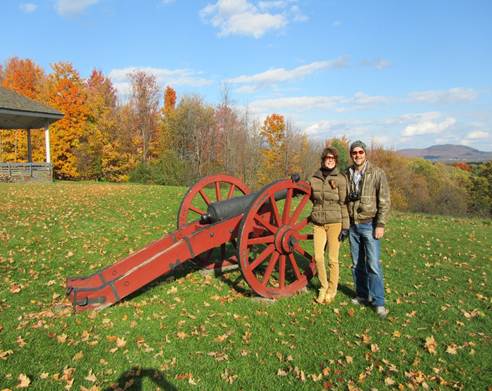
New York.  I couldnโ€™t abate watching the fleet parade along the Hudson or the fly overs above the Statue  of Liberty, or pay very close attention to the historical narrative on the sacrifices our founders lived and died for, so we can celebrate today and tomorrow. What a juxtaposition between the insignificance of being sick and taking a bullet. The day of history and visuals had me looking up every founder, and significant document, dates, places and rendering the Saratoga Battlefield visit with Jx years ago

 “Site of the historic 1777 Battles of Saratoga, which represented the first significant victory for the rebels in the American Revolution. Today, the 3,200-acre park is a popular tourism and recreation site and a wildlife conservation area.”

I took myself out to dinner across the street at the Brigantine, folded into a room filled with chatting staff, guestโ€™s conversation, and a panoramic view of the fairgrounds and Del Mar mountain tops.  I sat in the center, unusual for me I usually cling to a wall, but this restaurant has become a sanctuary for socializing, or just being solo, either way Iโ€™ve never left disappointed.

โ€œ You dropped this outside the bathroom,โ€ a young shaggy blonde hair boy of twelve or thirteen handed it to me.

โ€œOh! Thank you so much, that is very thoughtful.โ€™โ€™  He shied, dropped his head in that way that makes adults wonder why we  became so different, and left.

Then later on, as I was outside on the terrace enjoying the view of the fair, I noticed him and a woman next to me.  We started to talk, I think she liked my necklace or my pants or something and I saw the little boy and I said is that your son? She said yes and I told her the story. She introduced me to her husband, the uncle, the children, the other children’s parents. And when she left, she hugged me. That kind of intervention makes the difference for a single person.

EVENING.  After watching the DC extravaganza, I walked outdoors, to  the corner, the street was back to back traffic, helicopters, neighborsโ€™ standing on sidewalks and on our property, and I looked up at the start of a Del Mar Fairgrounds fireworks show that  stopped me short.

FATHER’S DAY AFTER HIS DEATH


Overlapping Fatherโ€™s Day is a mirage of life experiences tucked into memory prescriptions you take on a stormy day. A relic of my history rises and reminds me of the fear I once broke through.

It was 1983, and I was poised on a terrace overlooking the Pacific Ocean in Venice Beach. It was March, the month my father died, and I stared at the horizon at dusk, imagining my freedom taking flight. Where would I go? Without his presence in Los Angeles, and my sister, who had already moved to New York, I was terribly alone. The replacement came in summer flings, with men who had crossed my path; a photographer, a New Jersey computer technician with a brassy voice and Joe Pesci humor, and every few days, Kenny, a former boyfriend, dropped by to smoke his pipe of philosophy and blow long-winded ideas on where I should move.

โ€œI really want to move to Canada,โ€ I said.

โ€œFor what? To go ice-skating?โ€ He said between puffs.

โ€œI have family in Vancouver.โ€

โ€œWhat family? Youโ€™re an orphan now.โ€

โ€œI am not. I have cousins in Vancouver. My fatherโ€™s nephews.โ€

โ€œOh, yeah. When was the last time you saw them?โ€

โ€œWhen I was twelve.โ€

โ€œTerrific! Thatโ€™s a solid-ass plan. So what will you do in Canada?โ€

โ€œGet a job in real estate.โ€

โ€œLue! Wake up. You canโ€™t get work in Canada unless youโ€™re a citizen. Forget that idea. Youโ€™re better off staying here; look where you are: Santa Monica, the beach at your feet. Are you crazy?โ€

โ€œI donโ€™t belong here any longer.โ€

โ€œYou donโ€™t belong to anywhere; what you need is to stop trying to be a big shot like your father.โ€

โ€œI am not!โ€

โ€œWhen was the last time you left the country? When you were eighteen? Go to Rio, youโ€™ll have the time of your life, or Italy, or Greece–it doesnโ€™t matter. Just take the chance and see how you land on your feet. Youโ€™re a dreamer; itโ€™s about time you made one of your dreams come true.โ€

In the next few weeks, I met with Larry, my boss, who was liquidating his real estate portfolio to retire at 45. Larry wasnโ€™t just an investment visionary; he was passionate about social, political, medical, scientific, and human interests. He was a genius.

โ€œYou can stay here another year–Iโ€™ll find something for you to do, but youโ€™ll be bored,โ€ Larry told me.

โ€œLarry, I donโ€™t know where to go.โ€ I wiped a tear. He ignored it.

โ€œYou have to get out of LA. Youโ€™ll never meet anyone here. You think youโ€™ll be introduced to someone riding up and down the elevator in Century City. Iโ€™ve spent a lot of time in Del Mar and Rancho Santa Fe. Theyโ€™re nice people. You have a chance there; go down, spend a few days, and tell me what you think. Iโ€™ll help you. Now, stop crying. โ€œ

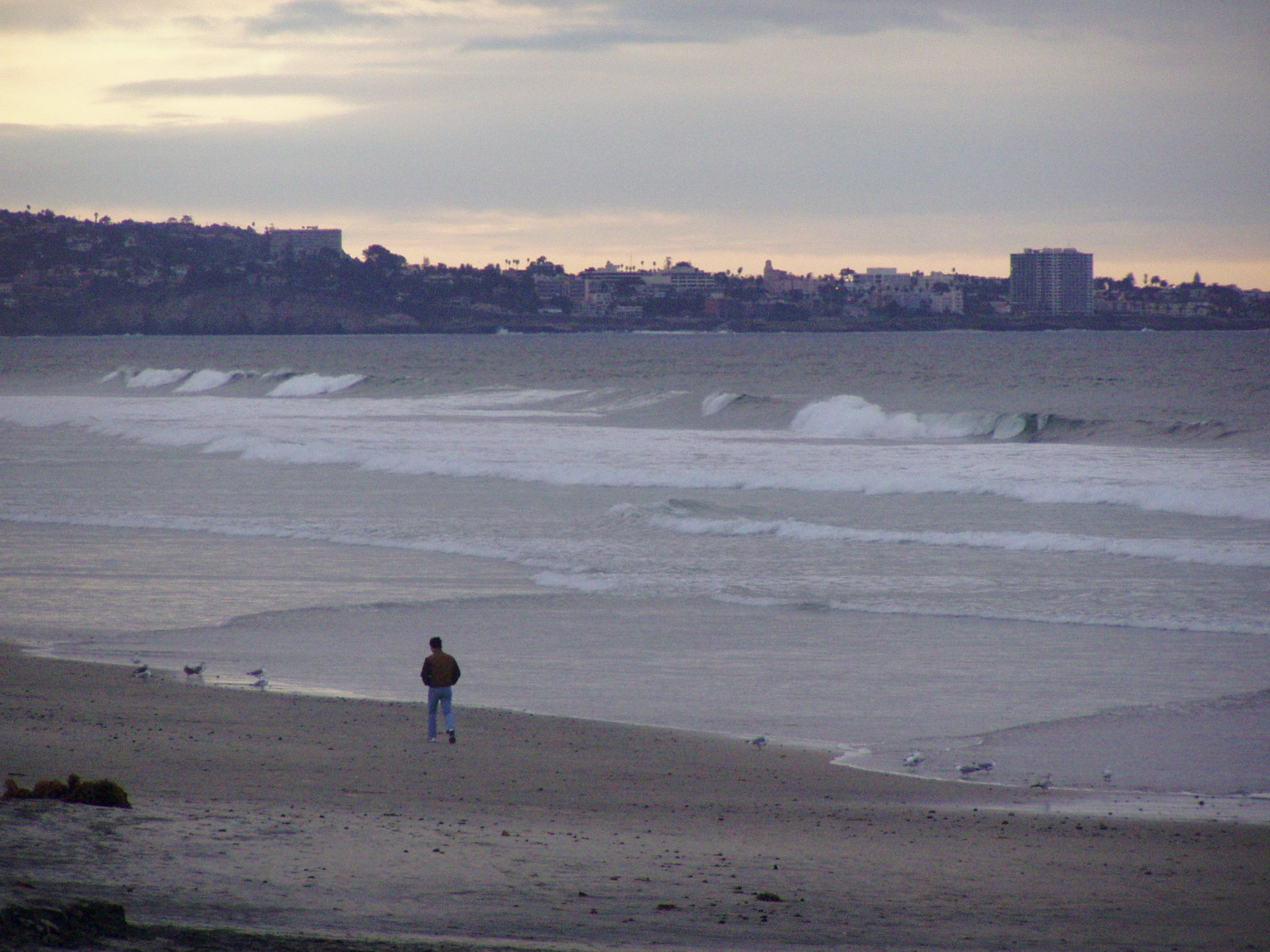
I drove down in Dadโ€™s black El Dorado, and parked at Del Mar Beach right next to the lifeguard station at the Poseidon Restaurant. I opened my suitcase, took out a bathing suit, and went into the beach bathroom. The tile was wet and smelled of seaweed and salt. I walked barefoot down to the beach. It was early spring, and the sand was unmarked. A few surfers jogged past me, blonde and bronzed like the Beach Boys. I followed them down to the seashore. In every direction, there was this untouched canvas of light and color; even the beach houses retained their natural sandy simplicity.

After I swam in the ocean, I went back to the bathroom, changed into dry clothes, and walked into town. A man with a beard rode past me on a horse and waved. I picked up a Reader and read the rental advertisements on the patio of Carlos and Charlieโ€™s, the corner cafรฉ. A roommate advertisement caught my eye: โ€œRoommate Wanted to Share large two-bedroom overlooking Torrey Pines Reserve.โ€ I called, and a man who went by the name of Smokey answered the phone. He invited me to come by for a look. His voice was predominantly ranch-friendly, so I took a drive over. It did occur to me on the drive that I was taking that chance Ken was blowing in my ear, and I was listening to Larry, who told me that people in San Diego were different.

โ€œHi, Iโ€™m Smokey. Come inโ€”would you like something to drink? Too early for cocktails, unless you want one.โ€

โ€œNo thanks. How long have you lived here?โ€

OLYMPUS DIGITAL CAMERA

His eyes were animal-alert, his face tanned, and his hair cut short but made to look long. His smile was unfiltered with hidden motives, and he was bull-legged.

โ€I moved from Pittsburgh; Iโ€™ll never go back except to see my folks. This is paradise. Donโ€™t you think? Iโ€™ve lived here for two years. I rent out one room, because I hate full-time work. Iโ€™m more entrepreneurial. You donโ€™t have to worry about my motives. I have a girlfriend, and Iโ€™m in love with her. She doesnโ€™t stay here. I go to her house. Youโ€™ll have your space, and if you need a friend, Iโ€™m here. Come out on the balcony.โ€

I followed Smokey, and we stood on the terrace overlooking the lagoon and marshlands of the reserve. To the west, the ocean and the stump of Torrey Pines Mountain.

โ€œWait till sunset; youโ€™ll never want to leave. Come look at your room. I can help you move if you want.โ€

The room was downstairs, his upstairs, and a stairway of trust in between.

โ€œIโ€™ll take it. When can I move in?โ€

โ€œWhenever you wish.โ€

OLYMPUS DIGITAL CAMERA

WRITING FOR TRUTH LIKE DRILLING FOR OIL


A momentary connection occurred to me last night after watching, โ€œThere Will Be Bloodโ€ about drilling for oil. The oil derrick is the outline, or the notes scribbled in a journal. Then the pipes are set in place, like words in a sentence, then paragraphs. Our characters come into view some muscular and brazen like the drillers, welders, rig workers and mud loggers.  Once those elements are configured in the oil field or in sensory perception the story begins. The paragraphs build into pages and the pages build a story.

The writer  digs for substance for soulful spiritual contemplation and he builds on it. Sometimes it comes like a gush of oil. Other times it bubbles at the surface and goes nowhere. When the bubbles recede, we move on to another location internally and externally and we begin to dig for a new well story.

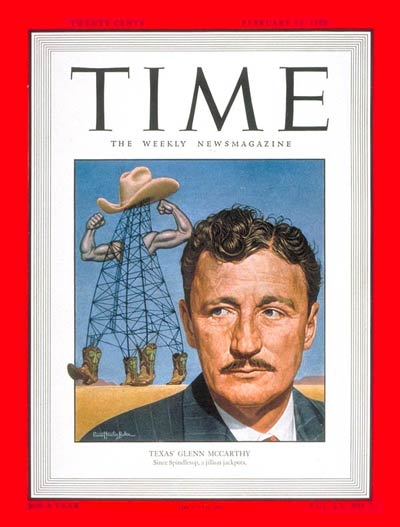
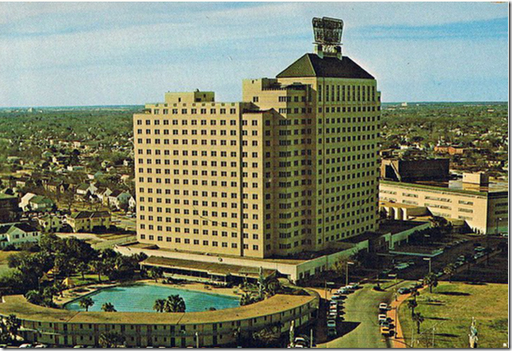
These ruminations came to me after watching the film, especially poignant to me as my father at the age of fifty left a life of gambling and mafia assorted activities and learned to be an oil producer. He was introduced to Howard Hughes through Meyer Lansky and Frank Costello and Howard introduced Dad to a wildcatter in Houston named Lenoir Josey. My mother and father moved to Houston from Los Angeles in 1949 and into the Shamrock Hotel, that being the hotel used in the film Giant, and Edna Ferber’s book, about Glenn McCarthy, played brilliantly by James Dean. He built the Shamrock, and it opened on St Patrick’s Day 1949 (the pool was so large you could water ski across) Glenn became close friends with my father. I met him once in Los Angeles at a lunch with Dad. He was broken, by his loss of fortune. and friends. I recall a face withered by disappointments. 

 Josey as my father referred to him took my father under his wing and tutored him in the business of oil engineering and oil production It was a gamble and my father a life long gambler on everything loved being in the oil business. I didnโ€™t intend to wave my fatherโ€™s story into this but intentions in writing as many things in life surprise us.

If J. Edgar Hoover hadn’t refused my fatherโ€™s request to reside in Houston to continue the oil business I would have been born in Texas. My father was forced to move back to Los Angeles and as Hoover predicted he went back to gambling. During his time with Josey, he amassed twelve oil leases in states across the Southwest and Midwest and when he died that part of his life was handed down to his children in royalty leasehold interests. That was when oil was $17 a barrel. But Josey had passed and his son no longer honored the handshake agreement between his father and mine and forced us to sell our leasehold interests for a shameful amount.

To be continued

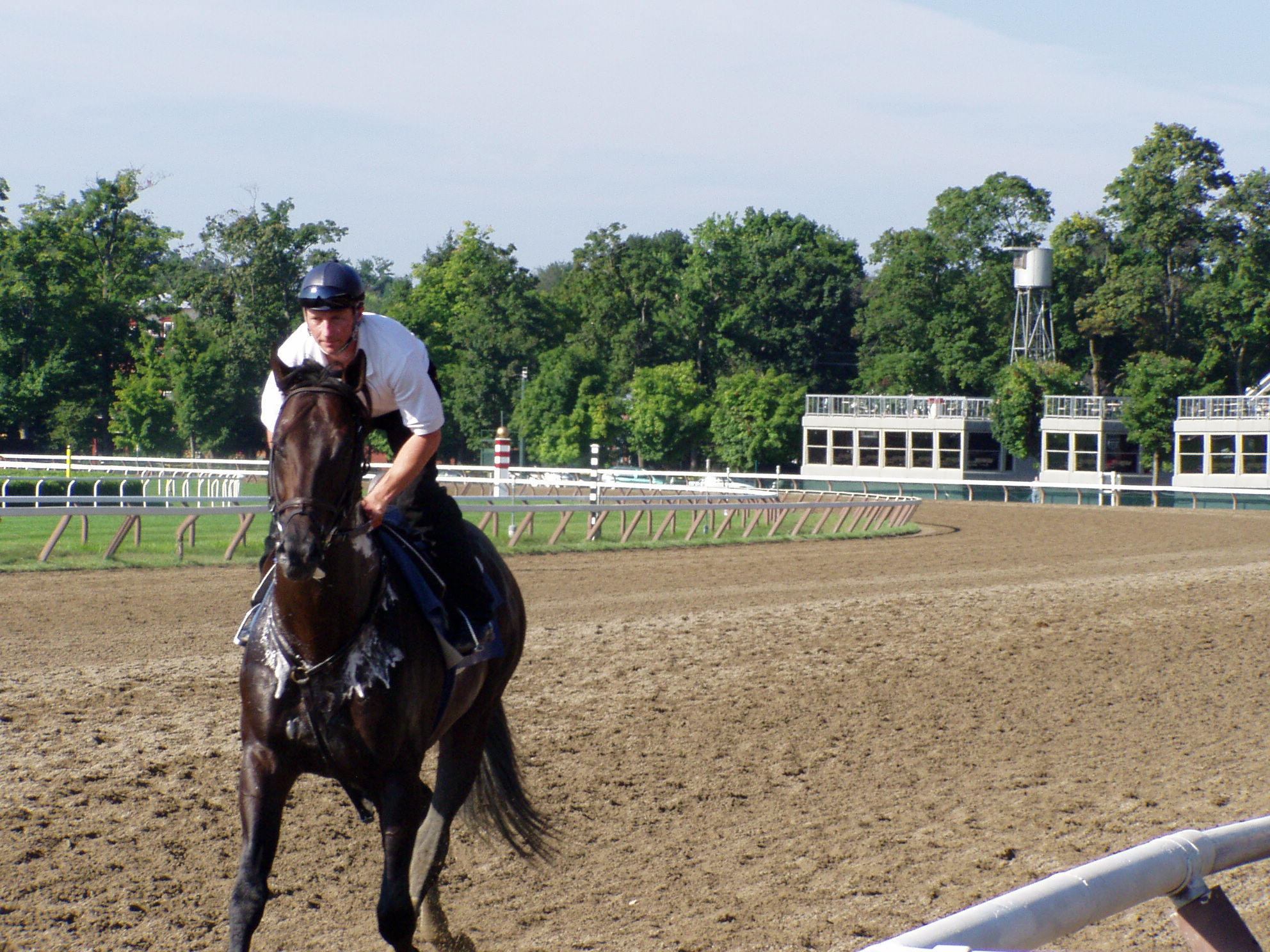
JOCKEYS’ WEAR NIKES TOO


L. Smiley

OLYMPUS DIGITAL CAMERA

     After spending several summers at Saratoga Race Track, I discovered I loved thoroughbred horseracing. All my life, Iโ€™ve been a spectator of the performing arts. I never watch any sports on television, and I only attend baseball games when my father needs a companion. The art of performance is what led me to experience the racetrack as live theatre.

ย ย ย ย ย ย  The racetrack is the stage, the jockeys’ are the actors, and the men and women who fill the bleachers, picnic grounds, Turf Club, and private boxes are the audience. The racehorse is the star celebrity.

            The admission tickets, like any show, are based on your seating. You can walk through the gates for $3.00, or you can buy a Box for $100,000 a year.  The collage of human emotions, drama, suspense, and danger, are key components to good theater.        

            Gambling personifies the Shakespearean twist of the racetrack. High rollers and drugstore cowboys wager to win. Some men walk out with a grocery cart of recycled cans, some walk out with enough money to buy a racehorse. They leave by the same gate, and the next day, they come back for more. But why, I ask, is thoroughbred racing not considered an all-around American sport? Why donโ€™t jockeys get athletic respect?  These two spheres of lightning truth struck me while I trampled through the mud, one rainy August day at Saratoga Racetrack.

I asked around for opinions.  The Governorโ€™s bodyguard remarked that it was a good question. He did not think gambling was the reason, because people bet on sports all the time. He thought maybe that it was because as kids we donโ€™t learn to race horses, like baseball and football. “The public is naรฏve about Jockeys, because they have never raced.” Another answer I heard was that 200,000 fans fill a ballgame on any given day, and that those numbers donโ€™t compare with horseracing.

ย Iโ€™m not a bettor, and I donโ€™t ride very well, but I am a drama whore. I took my notebook to the Jockeys’ room to ask the Jockeys’ what they thought about this irregularity in sports. Jose Santos had a few minutes to spare.

            โ€œJose, do you feel like America thinks of you as an athlete?โ€

            โ€œWe donโ€™t get the respect that we should. I think itโ€™s the gambling. This is the greatest racetrack in America, and there is gambling in every sport, but when you come to the track, you see it right there, and people cannot avoid it. Pound for pound, we are more fit than most athletes.โ€

 I asked Jose what he does aside from riding. He jogs three miles every day, and walks for a mile. He reminded me that if he goes down with the horse, his strength is what gets him back up again. Another misconception is that jockeys only ride for 2 minutes. Well, the race is 2 minutes, but they ride every day of the year. They do not take breaks.

           “How does the public perceive you?โ€ I asked.

            โ€œIn Europe they are treated like movie stars, over here the Jockey is just another person, and in sports, the Jockey is low. I wish we had more respect, but we donโ€™t get the publicity.โ€

            This feels like the guts of the truth; our little minds like to align with other like minds. The leaders of the pack go to football and baseball, and the media follows behind.

            Jose remarked that the only time he felt real enthusiasm and support was when he won the Triple Crown. Otherwise, they get a little column in the paper with the results. โ€œThe Racing Form is 100 pages, and nothing is written about us.โ€

            โ€œWhat if there was a Jockey Magazine?โ€

            โ€œWell, that would be great, then the companies would be interested, and weโ€™d get sponsors. When I go out to the park and run, I wear Nikes.โ€  He chuckled, and I lowered my head in shame.  My bet is that this can, should, and will change.

EDITING OUR PATHS


There are reasons to quit and more reasons not to. The one reason that hovers above all is that everything we do in life needs revision. We are never through evolving into more thoughtful, loving, or wise human beings. Every day, there is an opportunity to revise your valor and conviction.

Revising the position you walk, talk, judge, form opinions, contribute to your home, friends, and partners. Discovering what you’ve learned,  dreamed, and mastered is your novel. Just as writing a new chapter when the knot tightens, and you are trapped by decisions that are outdated. Antiquities of a former persona.

Changes in life are like undeveloped photographic images, blurred. Mentally, the angles donโ€™t fit, like schedules, routines, and commitments. Returning to former lifestyles and looking at old photographs, what I see is someone else.

This week, I walked into Scripps Clinic for laboratory testing. The last time was 2012, when I was with a former boyfriend. J was all encompassing, all consuming, generous, intelligent, outgoing, and he had to be near me like a new pet. ย I lasted a year, the obsession of closeness suffocated my spirit and my writing.

After the appointment, I looked across the street at Torrey Pines Science & Research Park, where I was appointed Marketing and Leasing Director in 1986 over 150,000 square feet of vacant space. I visualized myself taking clients, Qualcomm, and the Jonas Salk Institute through the newly built office buildings. My confidence was slightly off when scientists asked questions about the mechanics and cable routes, but I loved that job. My boss was the most intelligent developer Iโ€™d met; he carved me into a broad thinker, allowed my off-the-chart ideas and proposals to progress. ย Tears welled because the memory was enflamed by my long-distance running days up Torrey Pines hillside. I doubt Iโ€™d be running today, maybe scuffling. ย Life is a runway that we have to steer for ourselves. If we allow others to take the wheel, we are not authentic. No one is steering my wheel, and I have hit a lot of potholes and assholes along the way.

The puzzle is how to live, where to live, and for whom. ย It is the same with manuscripts; they improve with each revision.

ALONG THE ROAD OF LIFE


SELF DISCIPLINE โ€“ Either you have it, or you donโ€™t. There is no gray, no aperture, no gaps, and I am learning this as I sit here writing instead of what I need to do, is walk.

Iโ€™m in the arena of a relentless athletic tribe. Yesterday I walked for an hour and noticed the runners, bikers, and power walkers along the path, muscles skin-tight, tanned, and seemingly detached from the backed-up traffic along the boulevard. The breeze felt like cotton balls, the sky a perennial perfect blue, and seventy-eight degrees.

Today, the same summer-like atmosphere, and with my windows open, and the crowds missing from the pool, I am wandering in between, like a bird that is unsure if the branch is better than taking flight.

Weekends, I take a recess from the tedium of seeking employment with AI leading the way. Am I just entering the 21st Century? It feels so inhuman, so robotic, that I counterattack, enter the sensibility of irritation, shout at no one, grind my jaw, and resort to a stroll around the lobby to converse with humans.

Without music, writing, and conversation, my world would crumble like sand. Iโ€™d spend hours staring at the sky, imagining figures in the cloud formations, and listening to the birds.  

As the war in the Middle East casts a shadow over contentment, security, and joy, I realize the subject is too hyperbolic to even mention. I havenโ€™t hidden my Star of David necklace, and one person noticed. When my Uber driver pulled up, I struggled to open the door of a Tesla. She immediately stepped out of the car.

โ€œNo problem, here, see the button, just press downโ€.

โ€œI havenโ€™t been in a new Tesla, itโ€™s a beautiful car.โ€

The dashboard supported a Ipad, with a map, and she navigated with her index finger to my destination.โ€ Her accent was unfamiliar.

โ€œ May I ask where you are from?โ€

โ€œ Yes, why not? I am from Uruguay. Iโ€™ve been here for eleven years, in San Diego, the most beautiful, donโ€™t you think?โ€  I noticed she was viewing me in her mirror. She was in her forties, I think, with short brown hair and an air of total confidence as she maneuvered onto the freeway.

โ€œYes, it is, a lot more crowded than my last time here, in 2012.โ€

โ€œEveryone want to be here, so where are we headed?โ€

โ€œTo look at an apartment.โ€

โ€œItโ€™s difficult, isnโ€™t it? The cost, so expensive. I have a big house in Chula Vista, a very nice neighborhood.โ€

The conversation soared from why Iโ€™m here, to her family, her struggles, her children, my shock at the office developments we passed, and where I once hiked.    

โ€œI see you are wearing a Star of David, are you Jewish?โ€

โ€œYes, I am.โ€ She turned her head around and gleefully declared, โ€œSo am I!โ€

 After a failed attempt to open the lock box at the unit, Judith and I returned.

โ€œ Here is my cell phone number, you call me, Iโ€™ll take you, maybe you find more places, we go to each one, okay?โ€

โ€œ Thank you, yes, I will. Thank you.โ€

SPIN OFF OF HUMANITY?


OLYMPUS DIGITAL CAMERA

The Earth spins at 1, 040 miles per hour from the equator according to Co-Pilot. Humans spin: ‘The average walking speed for humans is about 3 to 4 miles per hour’  in different directions. Our rotator, the interior speed dial in our futuristic culture, reminds me of chasing a speeding car. We accelerate one day, and a day later, we are behind. Why catch up with a runaway virtual speedometer? Because if we don’t, we lose something: opportunity if you are unemployed, confusion in conversation with digitally conscious youth, and skills to navigate your finances, health, and services. I’m about to search the speed at which an average person speaks, but I can’t believe I am doing this. I’ve observed a lot of conversations in this hotel, no pausing to think before speaking, the words leap like the answers and questions were premeditated, a script?

While I am sitting with a banker at Wells Fargo, thirty years younger, offering basic finance choices, projections, and a few new rules in banking. I offered my phone to demonstrate, some quirk,

” I can’t touch your phone,” he said.

” What? Why is that?”

“A customer handed one of our bankers their phone to check their account, and the banker swindled the customer out of thousands.” I gaped at him, and then he pulled up my account on his computer.

” Can I see what you’re doing?”

” I can’t show you my screen.”

” Would it be okay if I uncrossed my legs?” He leaned back in his executive chair and laughed out loud. Joseph was one in a million. I told him so, and he bowed his head. He understood.

The next adventure in livingness is looking for a new home, an apartment. Like seeking employment, managers and agents do not answer the phone. I have to fill out a questionnaire before even viewing the apartment. Once those algorithms observe my search, a dozen more websites hit my email with availability. In one day, I may receive two dozen invitations to view their listings. Half are not updated or deceptive, so it is like combing through a library for the one book you want to read. One building that I liked and requested a tour answered this way. ” Hi, I’m Ella, your AI leasing agent. How can I help?” I didn’t hang up. I love first-time experiences.

” I’m looking for a studio in the building.”

We have a one-bedroom, let me send you the link.”

” I don’t want a link. I want a studio.”

” I understand.”

” No, you don’t.” I hung up.”

On to the next, a beautiful one-bedroom, at the price of a studio. I emailed for a tour, a self-guided tour. Six emails later, after I filled out the pre-qualification document, uploaded a current government ID, and set the appointment. The next step was creating an account, a password, an identity verification text, and another confirmation. I cancelled the appointment because the closing of the Olympics was gazing at me from the corner of my eye, and I succumbed to the majesty of organic humanity.

THE LEGEND LADY OF PALACE AVE


0124130930

The throw of the dice this week lands on adventures in livingness; one day at a time. People with terminal illness, suffering from a shattered romance, a death of a friend, a natural disaster, always say the same thing; One day at a time.

Walking up Palace Avenue on a day spread with sunlight, and a continuum of power walkers, bikers and runners, passing by in whiffs of urgency, I took my time. I didnโ€™t feel like flexing, just evaporating into the shadows, and the moving clouds. I walked by a little adobe, that once was a dump site for empty bottles, cartons, worn out furniture, and piles of wood. A year later, the yard is almost condominium clean. Just as I was passing the driveway, the little woman whom Iโ€™d seen walking up Palace with her bag of groceries, appeared like a gust of history in the driveway of her adobe casita. She wore her heavy blanket like coat and a bandanna on her head. Regardless of weather, sheโ€™s bundled up in the same woven Indian coat and long wool skirt. I stood next to her, a foot or so taller, and she unraveled history, without my prompting. She told me about the Martinez family, the Montoyas, and the Abeytas, all families she knew, all with streets named after them. Estelle asked me my name, and then took my hand in her weathered unyielding grip, โ€˜Oh I had an Aunt named Lucero, and we called her LouLou.โ€™ She didnโ€™t let go of my hand, and then she told me that the families, some names Iโ€™ve forgotten, bought homes on Palace in 1988 for $50,000, She shook her finger to demonstrate her point. โ€˜You know how many houses the Garcias bought? Five! Then they fixed them up and sold them.โ€™

I could have stood there in the gravel driveway listening to Estelle all afternoon. She owns the oral history I love to record; but it is difficult to understand her, she talks with the speed of a southwest wind. We parted and I thought about the times in my life when the smallest of interactions elevates my spirit. In older people, who are not addicted to gadgets and distant intimacy, I’m reminded of how speed socializing has diminished the opportunity for a sidewalk chat.

ย 

DEATH AND LIBERATION COLLIDE


It was her widespread, unrestrained, and contagious smile that I see when I think of her. Her expressive hand gestures seemed like separate limbs from her straight, head-held-high posture. Frankness, unpreparedness, and ebullience made her the embodiment of who I wish I were. 

I was on the phone with a friend when the news alert filled the screen, and a photo of her signature smile. 

โ€œ Oh my God!โ€

โ€œWhat?โ€ he asked.

In a voice trembling with shock, I replied, โ€œDiane Keaton died.โ€

โ€œ Whoa, how old was she?โ€

โ€œ Seventy-nine. She was the only contemporary actress I related to. I watched Baby Boom last week, so Keaton. It was like watching me if I had the same experiences. โ€œ

โ€œ She  was great in  The Godfather, not a lot of people would agree with that, but thatโ€™s my opinion.โ€

โ€œ I never thought of that. I watch it once a year. She was in an interview years ago, and the host asked,โ€ Why didnโ€™t you ever get married?โ€

With her arms opening like a double door, she exclaimed, โ€œ No one ever asked me!โ€

Her last post on Instagram is worth reading.โ€  

And in the same weekend, I think of this. We canโ€™t feel another personโ€™s sickness, or what itโ€™s like to sing if we donโ€™t sing, or fly like a pilot unless we’ve been one. We cannot imagine what it is like to be a hostage of Hamas.

I wandered about yesterday, in the gym, the veranda, and the lobby, and later, had appetizers in the restaurant. Two flat screens, football, the rest couples except the man next to me. I couldnโ€™t help but notice that he was three inches from me at the bar. A shrimp cocktail showed up, he ate voraciously, then a steak and a large flat potato sort of tortilla, a side of vegetables, and he ate enthusiastically, then a lobster plate, with more vegetables, and he ate, and then dessert. I left before it arrived, so I wouldnโ€™t swipe it from him.ย 

I wanted to say to someone, “The hostages are coming home!” ย I didnโ€™t. Diane Keaton would have! She lived with squamous cell cancer or many years. That explains the hats and turtlenecks.


MOTHER’S DAY REMEMBRANCE

MY BEST FRIEND, Lucille Casey was a woman who threw the dice all her life. She gambled on her instincts as if they were already tested and approved. She never told me much about herself. When I learned of her struggles as a young woman and her chosen life, she became more real than when Iโ€™d known her. During the years we were friends, she handed out selected stories, abbreviated and censored.  Being the inquisitive character I am, the shallowness of her stories bated me.  I had to pry the truth out from other people who had known her.  

            Caseyโ€™s first gamble was at sixteen years old. She sent in a photograph of herself for the Redbook Magazine modeling contest. If sheโ€™d won, the Powers Modeling Agency in New York City would grant her an audition as a model.  Casey was living in East Orange, New Jersey with her mother and sister. Her father had died suddenly, leaving the family without a financier. Casey’s mother was lost without her husband and unsuited to join the workplace. Casey didn’t tell her mother about the contest until she received the letter of congratulations.

            John Robert Powers met Casey in his office on East 56th Street and signed her as a Powers Girl. She was stunning to look at, photographed like a movie star, and was modest. John Powers did not look for aggressive, pouty-lipped fearlessness. The Powers Girls were captioned “Long Stemmed American Beauties” because they were wholesome, beautiful, tasteful, courteous, and virtuous. They were so far from the runway models of today that it is almost a reversal of the industry.  

The models of the thirties were ordained to set the highest example of classic good breeding and education. John not only schooled them in fashion, and individual taste, he instructed them in moral integrity, independence, and community service. Casey went to school at John Robert Powers and became one of the top ten models in New York.  

            She was a blue-black-haired Irish beauty, with emerald green eyes and perfect teeth. She stood only 5โ€™ 7″  in those days that was fairly standard. When I knew her, she was still thin and beautiful but she did not fuss about herself or spend a lot of time at her vanity. As a Powers model, Casey had a long line of gentlemen callers. Powers Girls were invited to all the nightclub and dinner show openings, sporting events, community galas, and fund-raisers.  Social engagements were part of her job. Casey was not a woman of idle chat, in fact, a lot of people thought of her as restrained and unfriendly, maybe even snobbish. I think it was more secrecy. People were always prying into her life because it looked glamorous. There was another side to that glamour she didn’t want to put in the mirror.  

            One evening Casey had a dancing engagement at the Copacabana nightclub in New York City. She was on stage with some other dancers when a certain gentleman noticed her. The next chapter of Caseyโ€™s life began that night. At twenty-two years old, she fell in love with a man thirteen years older, of the Jewish faith, who lived in Hollywood. The consequences of her love forced her to change and adapt to a new lifestyle and different people.

ย ย ย ย ย ย ย ย ย ย ย  She did not bury or rescind her love after she learned he was Bugsy Siegel’s partner and best friend and that Allen was a part of the Jewish Mafia. She asked him to reform his criminal activities. He agreed, provided she would marry him. We all know at twenty-two a woman believes she can change a man, and a man lets her think she can. ย Without that dream, many lovers would not have found their mates.

ย ย ย ย ย ย ย ย ย ย ย  Casey did marry her love and spent her life trying to keep her children from harm and Allen from going to prison. ย I met her husband just after he tried to reform, and was beaten down by the FBI. I called him Daddy. ย 

MY FRIENDS ARE HOME


My friends are beside me once again. It’s been five years sinceย  their faces like postcards of my life, are in my room, lifted out of the box. Iย  can almost see their wisdom, and lessons floating above the birdcage hanging from the ceiling.ย  I had forgotten how much I depend on them, a collapse of friendship because my room wasn’t really mine, I shared it with guests, and then New Year, rang out like a jazz quartet of answers to puzzling life questions.ย  I am not sharing my bedroom anymore. And I am not looking for a job. And I am not going to stop wearing tightjeans, and high heeled boots.

Hello Henry Miller, Anais Nin, Carson McCuller, Nelson Algren, John Gardner, Damon…my books are home.


THE MID-LIFE NOVEL WE LIVE


Actress Betty Compson in an evening gown, in a...
Image via Wikipedia

I read in one of my books on writing that the middle of the novel is where most writers face the demon. The beginning is a gallop, the end is a relief, but the middle wiggles in and out of your grasp. The middle of our lives reflects this same obscurity.

The middle of a life span reflects all we have accomplished and all we have left incomplete. This is what they call a mid-life crisis. I get it every year. This year it is more comical. Iโ€™ve finally accepted that my constant relocating, reinventing, and being restless are not going to be solved. I am going to keep doing these. At the bottom of the restlessness is the fear of finding rest more enjoyable than movement. This flotation of comedy rotated around me last night while I was standing out on the porch observing the peacefulness. The scenery of Santa Fe is a comforting, ethereal beauty that comes at all times of the day and night, and the flow of people is integrated and festive. All I could think of was where I should go next. The discomfort of mid-life comes from trying to assimilate what you have and what you want.

Many years ago, in the summer of 1987, I was seated in a cafรฉ in Monaco, truly, and a man that I was traveling with told me, โ€œYou have to make a choice.โ€ He embarked on a long discussion about choices we make in life and how everything depends on these choices: how you live and with whom, and what you do. He pointed out to me over my first really authentic Salad Niรงoise that I was an oblivious example of a woman refusing to choose. I was more interested in the salad, the yachts, the casino around the corner, and the fact that I didnโ€™t have an evening gown to wear to dinner. I listened without argument or insult, but I was disturbed by what he said. I didnโ€™t understand completely, but he was older and had much experience and conviction. That conversation now fits into the mid-life crisis, the comedy of errors in my life, and maybe in yours, and just how much travesty we can ignore. For my fault, as it is, I do not want to sign, commit, or make final decisions. I want it all to be a temporary placement that allows me the freedom to change.

I have lost track of my European friend, but if he met me today, he would say, โ€œYou have not changed at all.โ€ So that is why I was standing there in the darkness on the porch and laughing like a silly girl, because it is true. I have not changed at all.

The choice facing us at mid-life is making a change now, risking losing all we have accomplished, compiled, and attached, or throwing the dice.

Beyond the obvious changes in activity, relationships, and scenery are the internal travels. They are not so easily booked. You cannot wake up one day and say, โ€œI โ€˜m off to become more compassionate, or more practical, or more generous.โ€ These journeys are taken when other factors play into our lives, such as when we get sick, demoted, or experience a trauma.

It is a very subtle inconsistency. When I unplug all the voices and listen to the one that understands, that is when I write. The middle of the story and the middle of life are the same. We and our characters have to make a choice.

***