FREE STEPS


The ripples of my life.
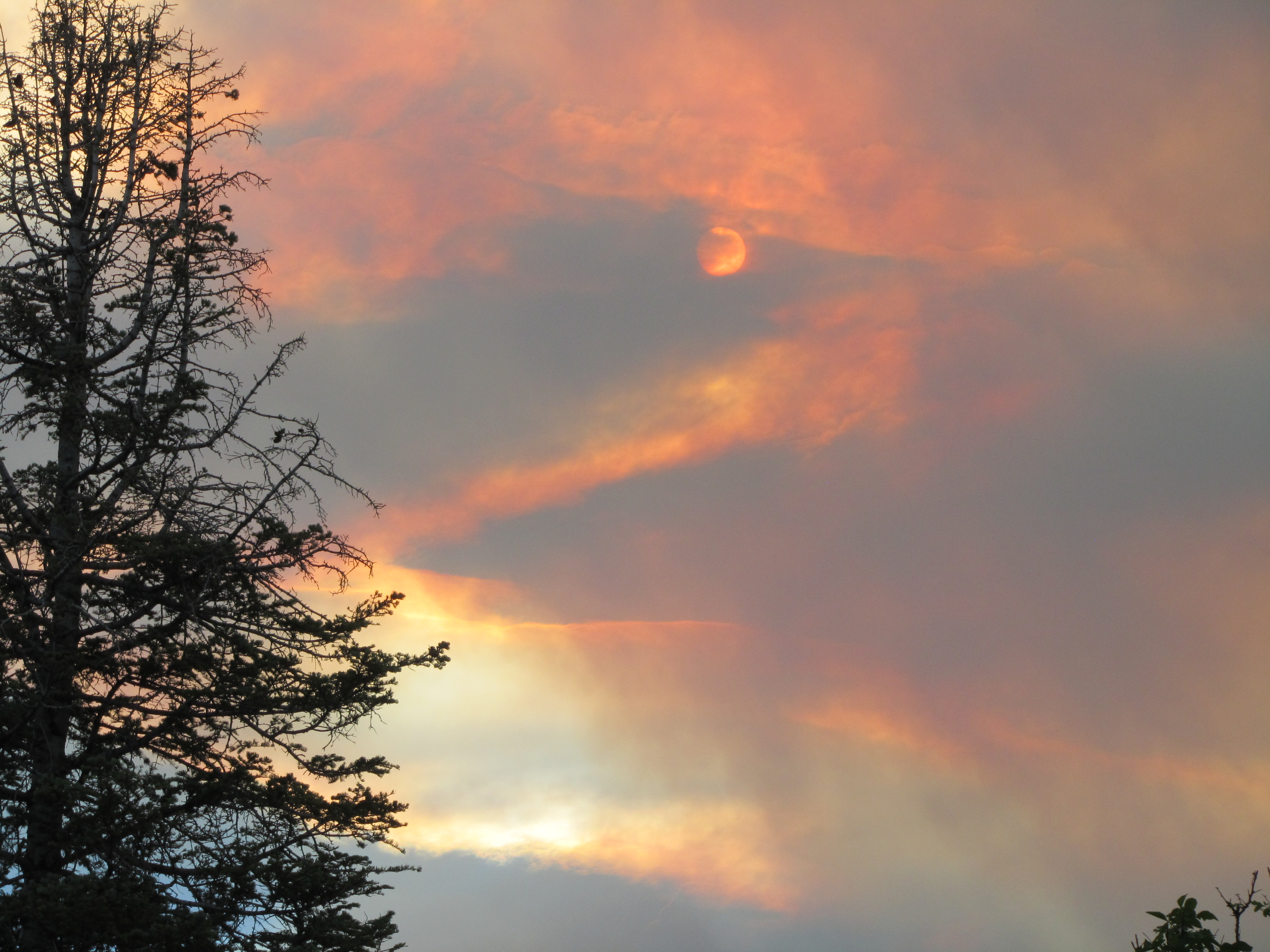
The ripples of my life. (Photo credit: Athena’s Pix)


Unprepared, who knows where

The leaves will fall

They don’t plan

Where to land

Maybe New York

Maybe Los Angeles

The postman can find

The house I live in

It is only walls

That keeps me inside.

Undisclosed strangers will walk in our paths

Cross our hearts and

Tread our minds

Unidentified

We traverse our hearts discourse

Shooting for dreams of undiscovered lands

More weightless plans

I don’t know if I can see ahead

My steps like stones thrown in the river

Ripple on the banks of everyone’s estate.


Skipping towards freedom

In summer rays of light.

Like a leaf I break free from the branch of life.


Hwy 17.


Highways past Sedona. Life blurs and  burns as a lone  butterfly flaps

Sedona Arizona
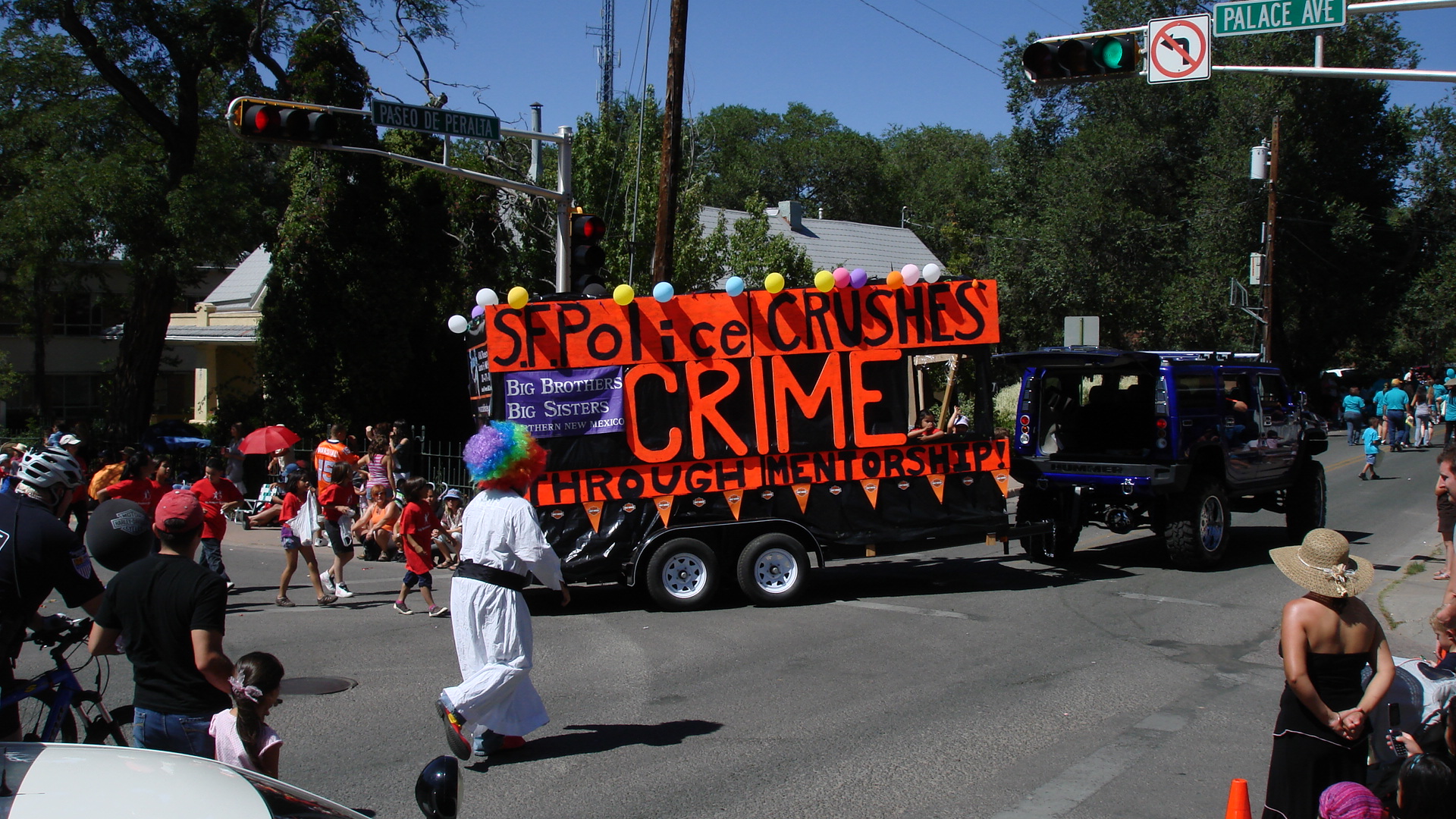
Sedona Arizona (Photo credit: Molly258)

by the past, and stumbles on the next turn.  The pines are statuesque monuments along hwy 17, before we dip into the concrete sideshow of Phoenix, it’s about 102 degrees. I am reading “When the Mob Ran Las Vegas”,  a few pages at a time. The violence is unsettling.  I am caught in believing and not believing.

More later.


ADVENTURES ON THE ROAD INSIDE AND OUT


I’m watching the double yellow line between coming and going on interstate 25 from Santa Fe past Albuquerque.   In the rear view mirror I see scaffolding, an airless sprayer, paint tubs, tools, a wardrobe box, and suitcases. It is the same VW Van I used to refuse to ride in because it smelled of wet drywall. Now cushioned in the front seat, the wide windshield to the world saturates the bullet holes of a wrong-way love. It mattered before, the van thing, now it doesn’t. I’m grasping for the road, to burn out the memories, on the other side of the double yellow line.

“ Are you glad you came with me?”

“ So far, but we’re still in New Mexico. Try not to drive me over the edge, okay? I mean with the speaker phone talking Taiwanese to B of A, or.. would you hold the steering wheel with two hands please…see, there’s an accident.”

“ Wow, the car flipped over.”

“ Yea, that kind of thing.”

“ I’m a safe driver.”

“ I know, but only about half of you is here.”

“ Whatta you mean?”

“The other half is glaring into the distance, the mountains, the clouds, the crows, imagining yourself a dinosaur.”

“Not no more.”

“Why? Did she make an adult out of you? I hate her for that. John did the same to me.”

Scenery whizzes by; snow capped mountains, speeding patrol cars, highway signs; it’s barely absorbed before it is gone. Make it like this, easy to forget, like the scenery.  I fell asleep, a dreamless nap, the kind that wakes you displaced but without alarm. Rudy was leaning away from the sun-splashed window, one loose hand on the steering wheel.

“Where are we now?”

“Gallup”

“Someone told me it is the drug capital of the United States. Where is everyone? Maybe they hide indoors so as not get shot.”

“Gallup is also the largest Indian center in the Southwest and the ceremonial capital of Native America. There are many American peoples in the Gallup/Four Corners region. By far the most numerous are the Navajo, who are today widely regarded for their achievements in wool, with original Navajo rugs and blankets (both new and antique) sought by private collectors and museums throughout the world. “Wikipedia

  Five hours later we are sitting by the window of Pesto, in Flagstaff and talking alternately, not in conversation, but in spite of, John, Match.com and the billboard irony of our circumstances. Even though we hadn’t checked into the motel yet, or even knew where it was, the adventure of livingness struck, and I climbed out of myself.

“It’s like it never happened, you know?” I said.

“Oh yea, I know.”

In the middle of the night I woke up screaming at John.  Rudy was in the next bed, and didn’t hear me, so I opened the drapes and stared out the window at the brightest star and listened to the voice of reason that visits me sometimes. What love scars bring to the world is poetry, literature, art, music, theater, gospel, and dance! So where will this take me? I thought about the documentary on Nicholas Ray, and his remark,    “ Without content all you have is composition.”

I wish morning would come.

Starting in 1999, every road trip between NM and CA includes a morning at Macy’s Coffee House. I entered this time without the explosion of zest in previous trips, when my heart was in one piece, and found enough distractions to pull me further out of wrong-way love.

A group of middle-aged men, retired cops or civil servants were my first source of entertainment. At a wooden table, conversing microphone loud about city ordinances was the leader. One Fry boot perched on a chair, and the other on the floor, his belly protruded way beyond a few beers here and there. His pals, all looking up to him, waiting for an injection of his wry humor, and dirty jokes. Rudy is talking about how much he loves Flagstaff, but what I hear is a tide of elation rising up, just resurfacing now, after a good nights rest in the Hampton Inn.

Somewhere between Flagstaff and San Diego, we stopped for Snickers and gas, and I walked around a neglected weed field, kicked rocks, and asked myself when was the last time, I just fell into the moment without that incessant poke of reality; unpublished stories, bills, missing folders, clutter, grocery lists, mail, websites, photo sharing, John’s lunch, John’s phone calls, the news of the world.

“I feel better Rudy, I haven’t cried all day.”

“It’s still early, he chuckled.  I have an idea, let’s take the off roads.”

“How off we talking?”

“Check your map, see if Interstate 8 runs into 10?”

I reached for the Droid, and fussed with the tricky touch pad.

“No, it doesn’t.”

“It does.”

“So why bother with maps.”

“I know–we’ll take 78, through the countryside. It will be pretty. Look, see the sheep?”

The pasture was yellow as corn, hay stacked with sheep, hundreds of them.

“Let’s stop.” I said.

“Even sheep make money. LouLou, there has to be a way for you to capitalize on your writing, and not wait for some jackass to hire you. There has to be. Even I know people pay to click on website ads.”

“It’s pennies.”

“You said you had 165 clicks the other day.”

“That was once! Mostly between 10-50 a day.”

“So! It adds up.”

“Look, the sheep are watching us.”

The sheep rose as soon as the car door opened, but they just strolled along, the babies following the mother’s, and one with a limp, dragging himself behind. Every one slightly different, but all part of a community, a gang, with primitive ancestral traditions and routines.

The highway now was split with white lines, and we were sandwiched between limitless textured scenery; Manzanita trees, orchards, big boulders, a dry creek, and then we were driving along one stretch, my legs curled up under me, and I am grazing on unhurried thoughts, just ripples of ideas and dreams.

“Did you see that?” Rudy blurted out.

“See what?”

“That guy! I just saw a guy walking alongside a weary  looking burro dragging a miniature red covered wagon. I gotta turn around.”

“ Hi folks, how you doing?” He extended a hoof like hand, weathered as paws, “I’m Howard West.” Howard was outdoor fit; sunglasses, hat, boots, and evenly tanned skin.

“Hi, I’m Rudy, and that’s LouLou.”

“Hi LouLou,” he shook like a city man with hardened hard-labor hands.

“ Hi. This is some way of traveling. What are you doing?”

“ I’m on a book tour, The Quicksilver Key Book Tour.

I caught my laughter when I noticed his educated aura; that veil of disguise we think fools everyone.

“It’s about the history, the lost history–the West in particular and how the government accrues the investment of the rancher, and the universe. If you read my books you’ll see….”

I was petting the dog, a friendly furry mixed breed, and Howard was now blending Rudy in his claw, with this rockabilly wisdom that I didn’t understand.

“How far are you going today Howard?” Rudy asked.

“I do about 10 or 12 miles a day. Whenever I feel like stopping, I just pull over. You been down to the Dunes yet?”

“ Where’s that?” Rudy was keenly addressing the wagon, it’s wheels, and accessories, but only I knew that.

“ Down the road. Now, those kids have money. They ride doon-buggies-sell for anywhere from five thousand to seventy five thousand dollars! They took me on a ride.”

“ Wow! Hey do you have any power source?”

“ Sure do. See this–jets up the whole works, laptop,

lights, even my stove.  Let me show you.”

I tinkered with the bell around the donkey, I came to find out was named Blue Pegasus, and watched Howard lead Rudy to the watering hold.

“I have books and disks; the books are $12 and a disk is $5, which one will it be?”

“We’ll take a disk Howard.”

“All righty… and the distinct differentiation of

the classes…..

I was about to interrupt when another car passed by, and Howard was distracted by the prospect of a purchase.

“Howard, you’re the coolest! I love what your doing man–I wish I could do it.” Rudy shook his hand.

“Everyone has a book.”

We drove past the sand dunes, and all that bleached rolling sand smooth as pressed sheets, jolted my mind like a wrench.

“ Howard West probably went to Harvard and has a degree in History.”

“You may be right. Why can’t you do that?”

“I would if I was a man.”

“No, not the road part, just get your writing on a disk and sell it. If you sell them for 10 bucks, and you sell…..

“You mean my columns?”

“Whatever! You’ve been writing since I met you for Christ’s sake.”

“Yea I could do a collection of columns, or even a book.  Why didn’t I think of that?”

“You’ve been too preoccupied with other stuff.”’

“Look, they’re having Superbowl Sunday party’s right here in Brawley.” On either side of highway 78 a campfire gathering of trailers were wedged in a circle, boom boxes blaring, American flags blowing, and a dog tied to a post.

“I took out my phone and scrolled through the numbers until I got to John, and then I deleted it. Maybe it was the dead cats in the road, or the poor teenager back in Anza without any future ahead of her but the donuts, or Howard, or the clarity of a cobalt blue evening sky staring down at me, that got me to move over to the other side of the double yellow line, and let John go.

“ I’m starving, why didn’t I bring any snacks? “

“ We’ll stop up here in Anza.”

“ How do you know Anza.”

“ I just do. You don’t want to know.

“Oh I do… please.. Rudy, I really don’t care.”

“ Can I tell you anyway? She knew antiques, once we saw …

“ Oh Gawd.” I threw my head back and laughed without actually any noise.

“ Stop, there’s the store.”

“ You know what else?”

“ What?”

“ She couldn’t understand why I cared about you so much.”

“That’s a good ending.”

My phone rang, an unknown number, never pick those ones up, could be the guy who said his father killed Ben Siegel.

“Rudy, stop!”

“I can’t stop now. We’re on the freeway nutcase.  Who called?”

“The daughter.”

“Whose daughter?”

“My father’s.”

To be continued.
GOING GOING GONE ON ADVENTURE


It’s time; to go free-style-I am leaving Saturday-to sit on my beach blanket at Torrey Pines, looking to find the shells and the riptide, then I will go to LA and and drift along Sunset Blvd, and then Santa Barbara, all by train and then ………… short term non-commit-mental.

TIPS ON SANTA FE


About the Santa Fe travel narrative I was going to write,  when the New York Times beat me to it. It was in the Sunday Travel Section, “ Is Santa Fe Ready For a Makeover.?”  8/06/2007.  If you read it then you know, that mod is flowing through the alleys and walkways of Santa Fe, more so than adobe mud.  Lofts have landed at The Railyard, and once they open, then comes the attachment to more mod café’s, shops, movie theaters and people.  I add this ancedote, four years later, it didn’t get too mod.

My answer is yes, Santa Fe is already under the mask of revival.  My perspective comes from the duality of being a tourist and a resident. I have not lived here long enough to shed the distinctive air of a gambler who has just won the jackpot.  It feels very much like a home that I left years ago.  Beginning in 1984, I used to come here regularly, wearing a two piece blue suit, and carrying a leather briefcase. I was a commercial property manager based in San Diego, and one of my portfolio buildings was in Albuquerque. The second trip out here I took the company rental car and zipped over to Santa Fe and stayed at La Posada. Every month my trip to Albuquerque included a weekend in Santa Fe. I invited friends, family, and co-workers to travel along.  After I left that position I returned less frequently, but it was never crossed off the list.

Today, I live across the street from La Posada.   I still walk through the Plaza once a day to see  the groove of live bands on the stage and snap internal photographs of the multitude of activities, conversations, expressions, and  festivities surrounding Spanish and Indian Market month. On the park benches, moldy hippies sing along. Children scatter between the adults,  while families sit under trees, sipping  thermoses  of cool aid and eating home made tamales. As you cross over to  San Francisco Street and pass Starbucks, you will step over the hillbilly from Arkansas, whose sidewalk show includes a dog, cat, and several mice playing nicely. His message is, animals get along why can’t people?  You will never read this sort of description in the travel narrative.

Just before dusk, the city streets empty for about an hour, and the shinning light spreads evenly over the adobe walls and rooftops. That is, if it’s  not raining.  This summer, it is not just a   thundershower.  The rain pounds the earth, the lighting and thunder shake the windows, and the cats run under the bed. I stand on the porch and watch, mostly because summer rain is the most romantic of all weather moods. That comes from a distant memory under raps.  If you have a balcony, or find your way to the Rooftop of La Fonda, or Coyote Café, take a seat. Just watch and listen to the operatic electrical storm. They do not last too long.

The best time to walk is early morning. There are several roads to hike just beyond Canyon Road that lead you to the Audubon Society. From there, you can choose from a dozen rated hikes. From beginners to Aztec tribal strength.   When in Santa Fe walk as much as possible, bring a pocket umbrella, and keep your eyes on the road. There are dazzling surprises everywhere you look.


The travel narrative always ends with, What To See, Where to Go, Where to Eat, and Where to Stay.

WHAT TO SEE & WHERE TO GO.

IAIA MUSEUM.  108 CATHREDRAL PLACE.  The museum exhibitions have a purity of purpose rarely seen in museums today.  It is unpretentious. The staff is undeniably the most receptive, and the gift shop is stocked with worthwhile purchases.

GEORGIA O’ KEEFE: 217 JOHNSON STREET.   Not only a museum, a place of worship. Do not go through the salons until you’ve seen the short documentary film about her life, it runs continuously. The outdoor Café is where you will see many local art setters and sponsors having lunch beneath a canopy of umbrellas.

SHIDONI SANTA FE: OLD BISHOP’S ROAD:  5 MILES FROM THE PLAZA. Imagine a bronze art foundry, sculpture garden, and gallery representing over 100 artists spread out over 8 acres of apple orchard.  You can spend the day there without too much effort.

TEN THOUSAND WAVES:` A resplendent way to begin the adventure is at this hillside sanctuary wrapped in bonsai and green tea leaves. Guests tiptoe in Kimonos across stone steps, into private and public outdoor baths, treatment rooms, and get kissing close to Nirvana. If you are in need of bodily rearrangement, ask for Wayne, he will delicately remove your head.

SANTA FE OPERA: TESUQUE: 5miles from the Plaza. I have heard thunder and seen lighting crack the horizon, during the arias of Madam Butterfly.  For ticket less visitors you can actually buy a $10.00 leaning ticket. I know from my friend, Little sister that it is a unique experience, and you can leave at any time.Always provocative, cutting edge adaptations to stir your imagination.


WHERE TO EAT :

NEW MEXICANMARIA’S KITCHEN  THE SHED   GUATALUPE CAFE


LOCALS GO TO THE COWGIRL HALL OF FAME:: 319 S. GUADALUPE.  Known for it’s bronco busting burrito  breakfast, it is also a very  well-heeled bar for cowboys, music, laughter, barbeque, and skateboarding. It reminds me of the Venice Boardwalk.

THE COMPOUND:  653 CANYON.   My choice for lunch because it suits the poor little rich girl. It feels faraway, and the outdoor garden is a tantalizing backdrop for imagining you are faraway. Seasonal creative food at the hands of a celebrity chef.  Bar is great for delicacies and cocktails, and the rooms, with shiny mud-packed floors, white washed beams and walls gives you a lift up, to the surreal.

WHERE TO STAY:

LA POSADA RESORT & SPA : 330 E. Palace Av.   The scene is very eclectic, it draws people from the Texas ranch, Hollywood,  and the Silicone Valley. Favorite pastime, cocktails on the outdoor lounge at dusk, and dinner on the patio facing the theater of events, where performance, music, and weddings take place free of charge.  The staff is out of this world.

LA FONDA AT THE PLAZA:  The hotel is where I go about any time of day just to see what is going on, who is playing in the bar, whom is holding conference, and to eat the tableside guacamole in the atrium restaurant. Another terrific production crew behind the front desk.

PEOPLE TO MEET:  I’ve found meeting people most fascinating at Art Gallery Openings.  Check the Pasatiempo (Guide in Santa Fe New Mexican)  and the Santa Fe Reporter for a list of events and openings. Friday nights 5-7PM.

The best news is,  more non-stop flights from Los Angeles to Albuquerque.

I have written my second travel narrative and I think I’m traveling down the wrong road. Back to  adventures in Livingness next week.


READING OUR OWN SHORT STORIES-LAX


It began last week when I received a phone call requiring me to go back to Los Angeles.

The next day it snowed in Taos. I walked around town on a deserted Sunday morning, just wandering through museums and garage sales. The absence of signs, people, cars, and signals lent the mind a transparency of thoughts. All the things you want to think about are set free.

I looked out at a distant field, scrubbed clean of grass and trees, now just a brown paper bag laid flat. The chill urged me to keep walking, so I continued past the little adobe homes, listening to the barking dogs and the sound of church bells.

It occurred to me on this walk how unfamiliar I was with my surroundings, air so clean it hurt to breath deeply, traditions so ancient they only can be known by ancestral storytelling. I was thinking of how it feels to walk on the sand on a winter day.

The next day, as I crossed over a Southwest Airlines flight to the threshold of LAX, the sounds of silence suddenly exploded into a symphony of discordant blurbs. The Rolling Stones were playing at one kiosk. The television displayed a CNN broadcast. A football game was blaring from the bar, and everyone’s lips seemed to be steadily moving into a cell phone microphone or headset.

The clamp went down, and I was swept into the dance of the talking heads. It’s a familiar homecoming, more familiar than I had suspected. All at once, I recalled the many times my father picked me up at LAX.

I could see him standing in an expectant crowd of awaiting arrivals. He wore those big dark shades and dressed in a suit. He collected my carry-on bag and we rushed down to baggage claim.  I did not understand why we were rushing or why he wouldn’t come with me to the baggage claim.

“Meet me out front,” my father said, “just hurry up.”

I asked: “Why are we rushing?”

“Because I said so,” my father said, taking off in long strides, never running.

After I retrieved my luggage, I met him out front. He drove with a peculiar, hunched suspicion, halfway leaning over the steering wheel. It was very recognizable. He never listened to what I was saying. He was too busy looking in the rear view mirror.

“Aren’t we going home?” I asked.

“What?” he said. “What’s the rush to get home?”

“No rush really,” I said. “I just wanted to call some friends.”

“Yeah, well, aren’t you happy to see your Dad?” he said.

“Yes.”

Then, he said something like why you don’t act like it, or lectured me about my outfit, or how my hair looked uncombed. We drove to some delicatessen off La Tijera Boulevard and he’d leave me in a booth with a corn beef sandwich. I was used to being left in delicatessen booths. It was part of growing up with gangsters.

I was not aware of the FBI airport task force. They assigned special agents to sit at the airport and wait to see whom my dad was meeting. When a member of the Mob came to Los Angeles, my father would greet them. They counted on my dad to make all their  arrangements.

The FBI knew when Dad was going to the airport because of constant on-site, and telephone surveillance. Dad knew they knew because he had an inside source at the Doheny Towers where he lived.

The source alerted dad when the FBI were parked out front. Sometimes, he liked to play practical jokes on the agents. The delicatessen stop was set up so they followed us to a public place. After we got there, the agent had to sit in a hot car in the parking lot, and wait for us to leave. My father would detain the agent for hours.

As those memories filtered through my mind, I walked outdoors into the path of taxis and limos at the airport. I wondered if the FBI still had a mob task force. It seemed so long ago, so out of proportion with the security measures against terrorism.

That day, I landed at LAX. The sky was underlined in brown. The smog smear made the San Bernadino Mountains look like warped inventions.

I trotted behind SC with my laptop and purse until we were next in line to get a taxi. We shot through the airport tangle of cars, and onto the 405 Freeway. When we passed the exit to La Tijera Boulevard I was inclined to tell SC one of my LAX short stories. Instead, all that came out was, “La Tijera Boulevard.”

“What about it?” SC asked.

“I used to go there with my Dad,” I said.. The story was mine, and I was retelling it to myself as we drove along, amongst the cars, the trucks, and signs of Los Angeles. We can read from our own short stories in all kinds of weather and they can be very entertaining.

MY SANTA FE NARRATIVE


***


GALLERY LOULOU 20th Century Photography
The Royals & the Rebels
343 E. Palace Avenue Santa Fe NM 87501

The Santa Fe travel narrative I was going to write appeared in the New York Times the same week.  Sunday Travel Section, “ Is Santa Fe Ready For a Makeover.?”   If you read it, then you know, that mod is flowing through the alleys and walkways of Santa Fe, more so than adobe mud.  My answer is yes, Santa Fe is already under the mask of revival.  My perspective comes from the duality of being a tourist and a resident. I have not lived here long enough to shed the distinctive air of a gambler whose just won the jackpot.  It feels like a home I left years ago.   I still walk through the Plaza in summer once a day to see the groove of live bands on the stage. I snap internal photographs of the conversations, expressions, and festivities surrounding Spanish and Indian Market month. Maudlin hippies slack on park benches strumming on  untuned guitars. Children scatter between the adults, and third generation families sit under trees, sipping cool aid from a thermos, and eating home made tamales.

As you cross over to  San Francisco Street past Starbucks,  you will step over the hillbilly from Arkansas, whose sidewalk show includes, a dog, cat, and several  mice playing nicely. His message is; animals get along why can’t people?  You will never read this sort of description in the travel narrative.  Just before dusk, the city streets empty for an hour, and the shinning light spreads evenly over the adobe walls and rooftops. That is if it is not raining.  When showers greet us they pound the tricky brick walkways, and the lighting and thunder shake the windows, and everything not pinned down blows away.

I stood on the porch and watched, mostly because summer rain is the most romantic of all weather moods. That comes from a distant memory under raps.  If you have a balcony, or find your way to the Rooftop of La Fonda, or Coyote Café, take a seat. Just watch and listen to the operatic electrical storm. They do not last too long.

The best time to walk is early morning. There are several roads to hike just beyond Canyon Road that lead to the Audubon Society. From there, you can choose from a dozen rated hikes from beginners to Aztec Indian strength.   When in Santa Fe walk as much as possible, bring a pocket umbrella, and keep your eyes on the road. There are dazzling surprises everywhere you look.

***

.

ZIGZAGGIN WITH D.H. LAWRENCE


The throw of the dice this week lands on an adventure with D.H. Lawrence. 

Our affair began in the winter of 1970, when the film “Women in Love” was released. 

            “ Let’s go see this movie, Alan Bates is in it.” Lizzie,  and I were madly in love with Alan Bates. Neither one of us had read the book, or had much knowledge of D.H. It was a film that explored sexual relations that interested us, and it was filmed in England.  Back in Junior High Lizzie sang musical songs while I taped her on a recorder.  Now in High School, she was singing Hey Jude, and I was reading the words from the record album.     

I remember sitting in the balcony of the Beverly Wilshire Theater, leaning forward in my seat  as I longed, with adolescent fixation, to be inside the story. I wanted to live in a studio like Gudren’s( the part played by Glenda Jackson) and toast my bread in front of fireplace and paint all day.  Gudren was the artist terrified of being tamed.  Her sister Ursula, who personified Lawrence’s wife Frieda, wished to make her life within a man’s.    

 “Your Gudren, and I’m Ursula,”  Lizzie claimed with clairvoyant assurance.  

 ”  No, I’m not all Gudren.” I protested.

 ” You are– you’ll see.”   Within  a year, Lizzie would be in-love in London, creating a life around a man, and I would be an art student at Sonoma State College.  


But on that lazy matinee afternoon,  we gasped, and squeezed each other’s hands, during particular erotic scenes that shocked our sensibility. It was an  awakening, of the abstraction of relationships. We’d discovered that friendships  were not as they seemed, and that love did not always have a happy ending.   It woke me to what possibilities lay ahead, and turned a defining fold in my growth.  Would I end up like Gudren?  At times the thought haunted me.

Over the last thirty years, I’ve  watched the film every time it screened on television.  It was the benchmark of my youth,   just before I wandered off into relationships with artists and bohemian living.  Several years ago I purchased a copy.  I was convinced there  was something I’d missed.   


Summer 2006 Taos, NM

 I move to Taos and Rudy gives me “Birds, Beast’s & Flowers” a collection of poems written by D.H. during his stay in Taos.   I journey out to Del Monte Ranch where D.H. and Frieda lived on and off for several years.  The ranch keepers took us on a private tour; oral and on foot.  I yearned to learn more.  Several days later I walked down the portal of Ranchos Plaza to see what new treasure books Robert had in his shop. 

   “What do you have by D.H. Robert?” 

   “Kangaroo, and Lorenzo in Search of The Sun,” it’s a biography about DH.

   “I’ll take them.” 

They were placed on the bookshelf in the bedroom and remained there unread.  By now,  I’d seen the famous stained glass window D.H.  painted in Mabel Dodge’s bathroom in Taos, and the sketchings on display at the La Fonda Hotel.  Still, I had not read any of his novels.  

Winter  2008. Santa Fe.

The down blanket is wrapped tightly around my shoulders on a snowy night.   I take “Lorenzo in Search of the Sun”  off the shelf and begin to read.  The book begins with his adventure in Taormina.     

    “I am so thankful to be back in the South, beyond the Straits of Messina, in the shadow of Etna, and with Ionian Sea in front: the lovely, lovely dawn-sea where the sun does nothing but rise toward Greece.”

 This first excerpt  leads me to chisel the cobwebs of memory to the  summer of 1972.  I left my sister in Barcelona, with a Spanish- lover, and took  a solo journey to Sicily. I don’t recall what precipitated my quest;  but the warnings and discouragement from my sister, and fellow travelers didn’t obstruct my vision. I had to go to Sicily. It turned out to be the bittersweet part of my European summer.  An  Italian hotelier rescued me, and put me up for a few weeks in his Taormina hotel; like he did with all the lost American hippie girls

Every night this winter, I huddled inside and read a few pages of the book, savoring them as I would a chocolate souffle. These descriptions of Italy, Mexico, and Taos infiltrated that clamping cold.   D.H mentions the Model T Lizzie in his chapters on the El Monte Ranch in  Taos.  I am reminded of my trip to the ranch.

This is an excerpt of the column I wrote about my visit to ranch in 2006.        

D.H and his wife Frieda moved to the Ranch in 1924.   Imagine that journey–there was no road to the Ranch, that came much later. They must have hiked up the hill or gone on horseback.  The ranch includes a small barn, and two cabins; they chose the larger Homesteader’s Cabin. It is so organic, as if spun together by weeds and timber chips, but actually is a mixture of pine logs, mud, straw and water.  The Homesteader was a man named John Craig. He claimed this property in the 1880’s, and built the cabins with the surrounding Ponderosa pine.  The pueblo Indians helped D.H restore the cabin and he moved in during the summer of 1924. 

I thought about this man sitting under the majestic beauty of the pines, and writing all day long.  The plateau of silence that envelopes this ranch is every writer’s dream.  Here he wrote some of his Taos poetry, “Birds, Beast’s & Flowers” he finished “St. Mawr,” a short novel, the novel “David,” and parts of  “The Plumed Serpent.”    D.H didn’t know how to type;   he left that task to Dorothy Brett, the artist that accompanied D.H and Frieda.  D.H invited Dorothy and several other friends to join him in Taos after his first visit in early 1924.  He was creating a Utopian society, he named Rananim.  Brett was the only artist to accept the offer.

I took a few photographs and then we trotted back to the entrance. Just as we were getting into the Van, a car pulled up. A woman got out, and called out a hello from across the way.   I yelled back that we were just leaving, and she yelled even louder, “I can’t hear you – I’m almost deaf.”  I got out of the car and went to meet her halfway. Immediately taken with her pioneering eyes, and up at dawn spirit, I yelled to Rudy to get out of the car.  

            “ I’m Mary and that’s Al over there, we’re the caretakers.  Al’s been here 50 years.”   I nodded to Al, standing a few feet behind her, watching us with a tinge of curiosity. I noticed his eyes, the color of faded denim, squirming with stories.  I tried not to ask too many questions too quickly;  Al was tired from a long journey so he took a seat on the porch.   

            “ Open up the cabin for them Mary.” He called out.

            Mary nodded and led us up the path to the D.H. cabin. 

Along the way, she talked about the ranch. There is a society named the Friend’s of D.H. Lawrence in Taos, and they want to build a big commercial visitor center on the ranch. Mary and Al think this is a bad idea, because the pines and silence are so happy, why mess up a beautiful memorial.  If you saw the ranch, you’d agree that a visitor center will look like a spaceship in this territory of natural beauty.  Mary opened the door to the cabin and showed us around. The first thing I noticed was the typewriter. 

            “ Is that where he typed? ” (She gave me printed literature that fills in the information I know now.)

            “ Nope,– but that’s the typewriter Dorothy typed on.”  The cabin is well maintained, simple and authentic.  After we examined everything Mary led us back to Al. We gathered around the porch and Al talked about the road that he cleared to the ranch, the typewriter he dug out of the dump, and the time he drove out from Chicago in his Tin Lizzie.  Rudy turned to the Model T in the parking lot.

      ” You drove that out here?”  He asked. 

      ”  Naw, that’s my brother’s. We‘re going to get it workin’ soon.  Go on in and take a look.”    Rudy jogged over and got inside.  I took photographs of him, and Al watched. 

    ” That’s how D.H. and Frieda got around Taos, they’s was great cars.”  


 Mary took me aside and told me that she was throwing a party for Al in a few weeks, and that we’d be welcome. It would be Al’s  90th birthday. I glanced over at him, petting his dog and looking very content.  I didn’t think he heard us, but he did.  “ I’ll be here until I’m 100.”  We exchanged good wishes, and many waves before leaving that afternoon.  

Was Al’s brother Gotzsche, who D.H. writes about and who toured them around in his Lizzie?   Further in my reading,  I discovered that Gudren, personified the author Katherine Mansfield.   I became more keenly acquainted with Katherine  in Saratoga Springs, when I attended a reading of her short stories at Yaddo Arts Colony. 

D.H.  is a puzzle that continues to zigzag around my  “adventures in livingness.”  He is also the author of that slogan.  I found the saying in Anais Nin writings, but in fact I think its origin is with Lawrence. 

Any dice to throw Email: folliesls@aol.com