Luellen Smiley is a creative nonfiction writer, author, columnist, and historian whose writing is deeply rooted in a controversial personal history. She is the daughter of Allen Smiley, a close friend, associate, and business partner of notorious Las Vegas gangster Benjamin “Bugsy” Siegel. Her father was sitting only feet from Siegel when Siegel was murdered in Beverly Hills on June 20, 1947.
That extraordinary childhood history became the foundation for Smiley’s first book, Cradle of Crime: A Daughter’s Tribute, published in 2017. The memoir explores what it was like to grow up as the daughter of a man connected to organized crime while trying to reconcile her love for her father with the secrecy, fear, and criminal world surrounding him.
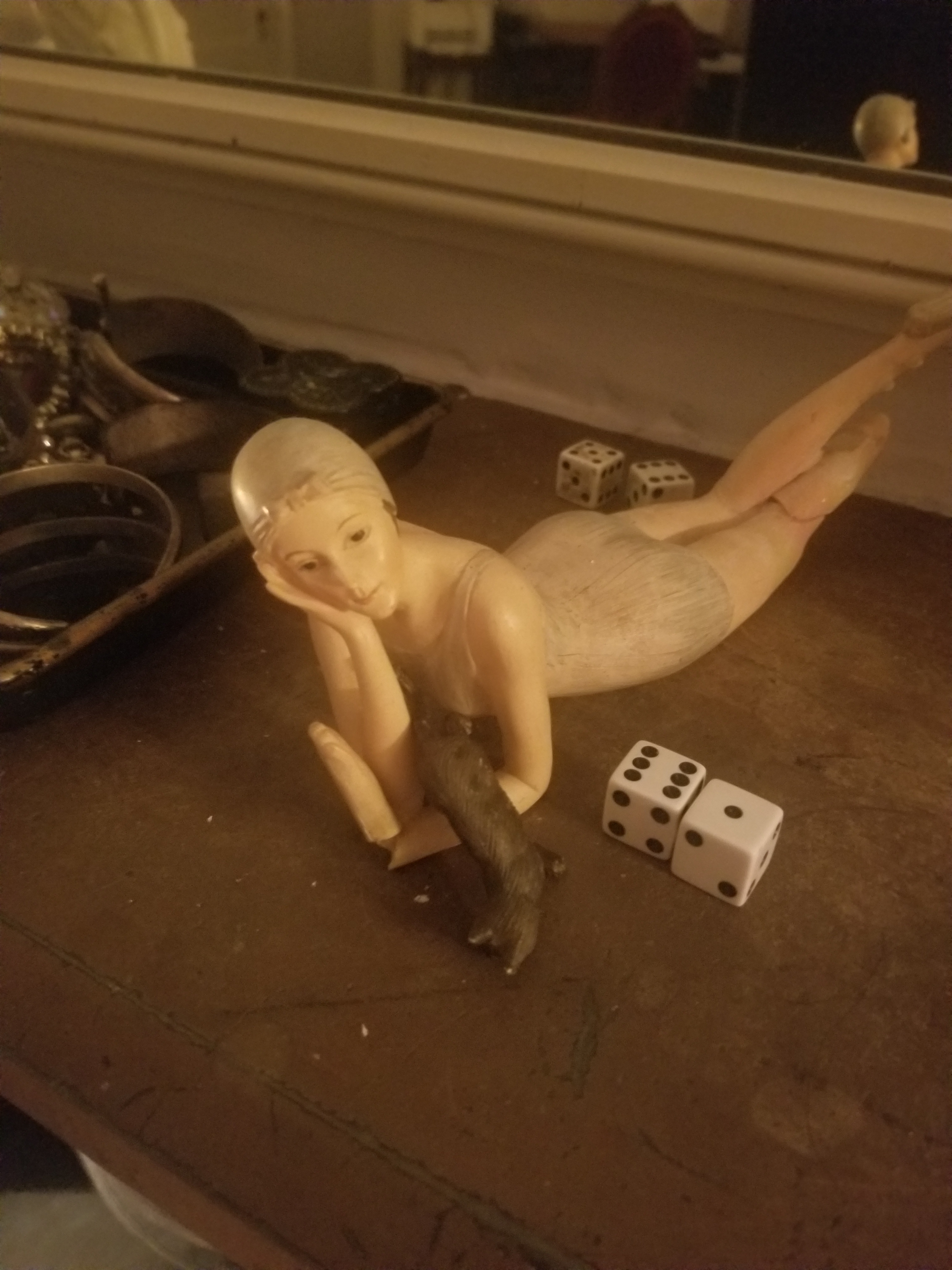
Smiley’s work has appeared in publications including the New York Post, MORE Magazine, Southern California newspapers, and Authorlink. She wrote the newspaper column Smiley’s Dice—Adventures in Livingness, which earned a Blue-Ribbon Award from the California Newspapers Association for her Growing Up With Gangsters columns.
Her interest in her father’s history also led her to become a researcher and commentator on organized crime history. She has participated in television, radio, and documentary interviews.
Smiley’s next book, Gaslighting Greta, will be published this year. A personal story that reads like fiction. Her own website describes the project as exploring a woman whose life is destabilized by gaslighting and psychological manipulation.
Her writing career reflects a recurring theme: using personal experience and research to uncover the truth behind complicated relationships and extraordinary lives. From the secretive world surrounding her father and Bugsy Siegel to the deeply personal territory of Gaslighting Greta, Smiley’s work transforms difficult experiences into stories of survival, discovery, and ultimately reclaiming one’s voice.
Luellen Smiley is an author whose life has given her an unusual perspective on secrecy, manipulation, family loyalty, betrayal, and survival—and she uses that perspective as the raw material for her nonfiction storytelling.
I WANT TO BLAME SOMEONE, to take my anger, rage, and sorrow and give it direction. Of course, it is Putin, but why wasn’t Ukraine prepared. I read that seventy thousand troops landed on the border in April. If applied to myself, when that red dot on my nose appeared, instead of going then to the Dermatologist, I waited and waited. A year later, they had to dig out cancer and left me with a noticeable scarred nose. Preemptive, proactive measures could have been, should have been installed, and why not? If it’s true that Zelenskyy asked for NATO SUPPORT in April, why didn’t they listen?
I watch the sky tonight on my porch, clustered clouds, and anticipatory rain; no smoke, fires, explosions, or sirens. GOD BLESS OUR PEACE AND PLEASE SAVE UKRAINE.
I’ve written in the genre of Creative Nonfiction, integrating the events through dialogue, journal entries, and a third-person narrative. Within three locations, Santa Fe, New Mexico, Los Angeles, California, and Saratoga Springs, NY. Greta (me) exposes the mutilation gaslighting abuse inflicts on her emotions, psychology, mental and physical health, and her finances.
In December 2018, I relocated to Ballston Spa, New York ( like the Adirondacks) from Los Angeles, for a temporary stay. I checked out of my charming Kleenex box studio in Westwood Village with bougainvillea, assorted flowers, squeaky clean green lawns, and shiny MBZ, Porches, and Maserati’s racing up Beverly Glen Boulevard. I met eccentric neighbors with prominent film, TV, and Tech careers. The homes sell for 2-8 million. My four-hundred-square-foot studio rented for sixteen hundred-plus utilities, and street parking. Moving y car twice a week for the street cleaner was an annoyance. I didn’t understand why he came twice a week, the street was living room tidy, no trash or cigarette buts, and very few leaves.
The last time I was driving along these rolling roads past farms, fields, shabby chic barns, horses, and the forest was in 2012 with my co-owner, renovator, best friend Dodger, and my fiancé Jay. Now I am a subterranean single, with a belt-tight debit card.
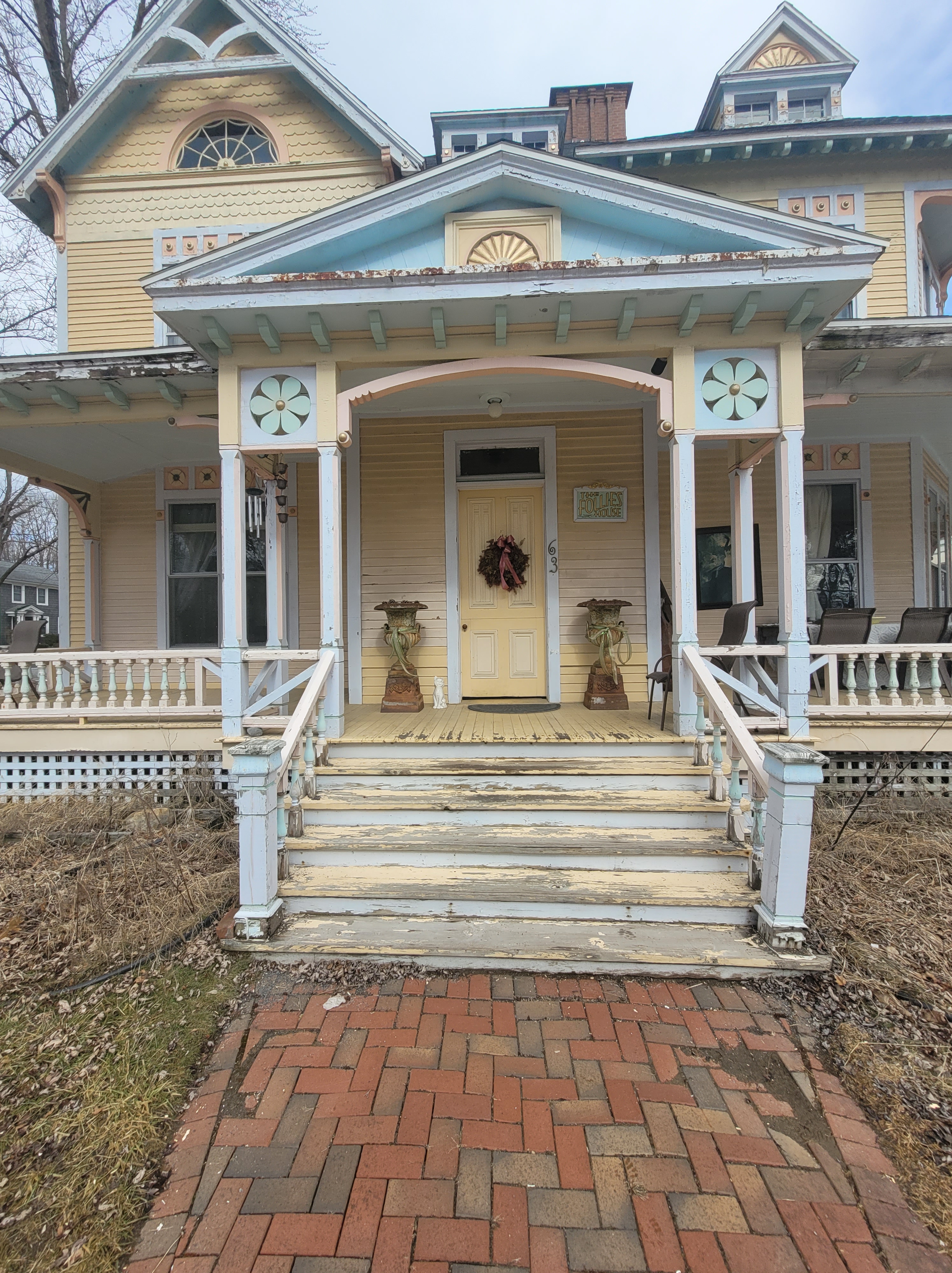
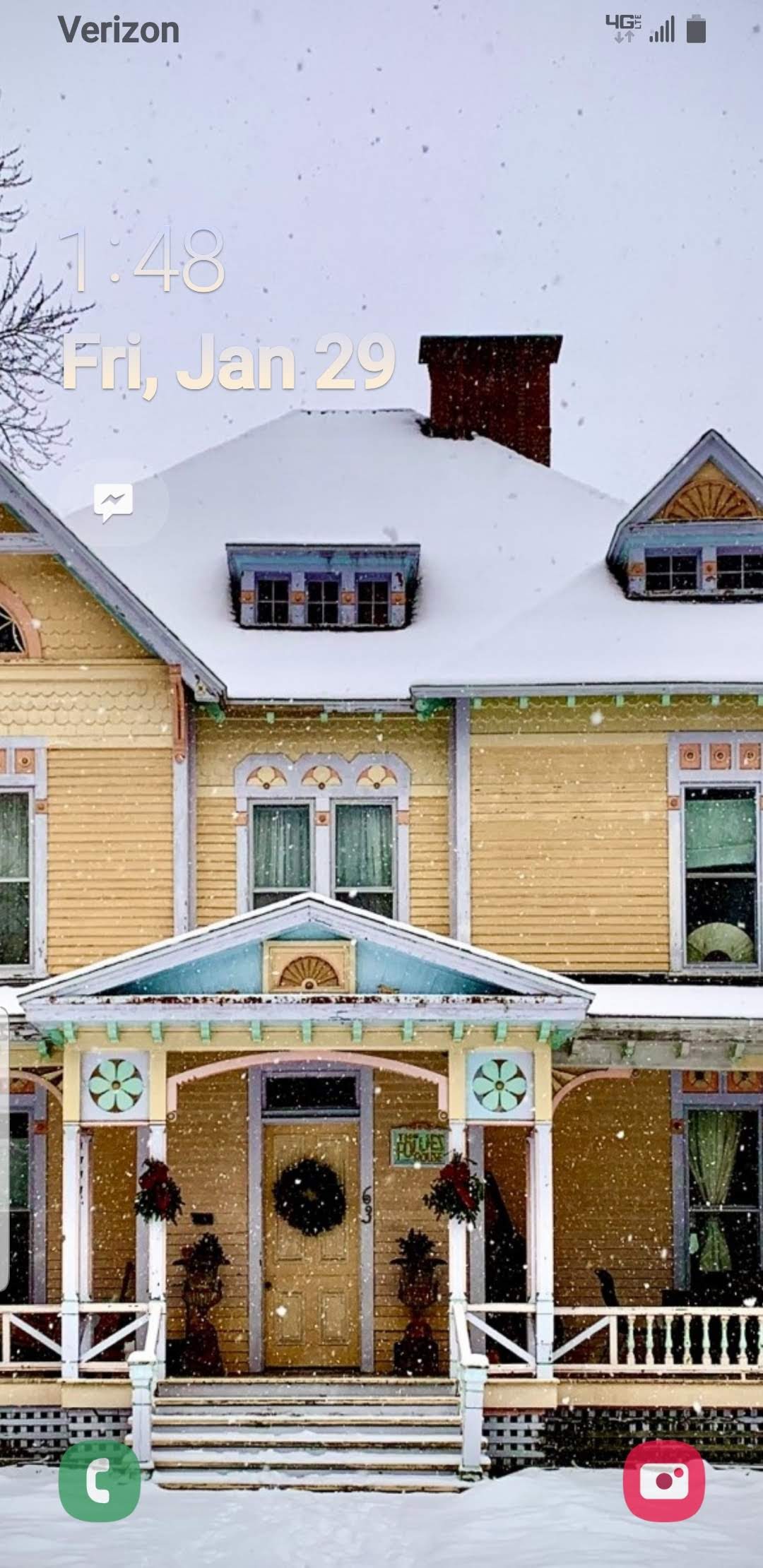
As the driver swerved into the driveway, my mouth dropped, frozen for a moment. Follies was frayed, peeling paint, the cracked driveway got worse, the flower beds were now weeds, and dried fall leaves all around. Dodger and I spent twenty years maintaining her glory and, provenance until the last six years. She needs a face-lift, a porch lift, a stairway replacement, an entirely new coat of paint (we used seven pastel shades on all the trim) on the five thousand square feet three-unit home. The swell of guilt emerged when I discovered what I’d ignored did not take care of itself.
Until I procure a tenant for the vacant three-bedroom apartment, I’ll move in and attempt to repair and maintain what I can afford. A pang of overwhelming sadness emerged into a sobbing session. Afterward, I felt a lot better! I’ve never understood why so much argument is against emoting-where else can it go? Into hiding, only to pop out at the wrong moment.
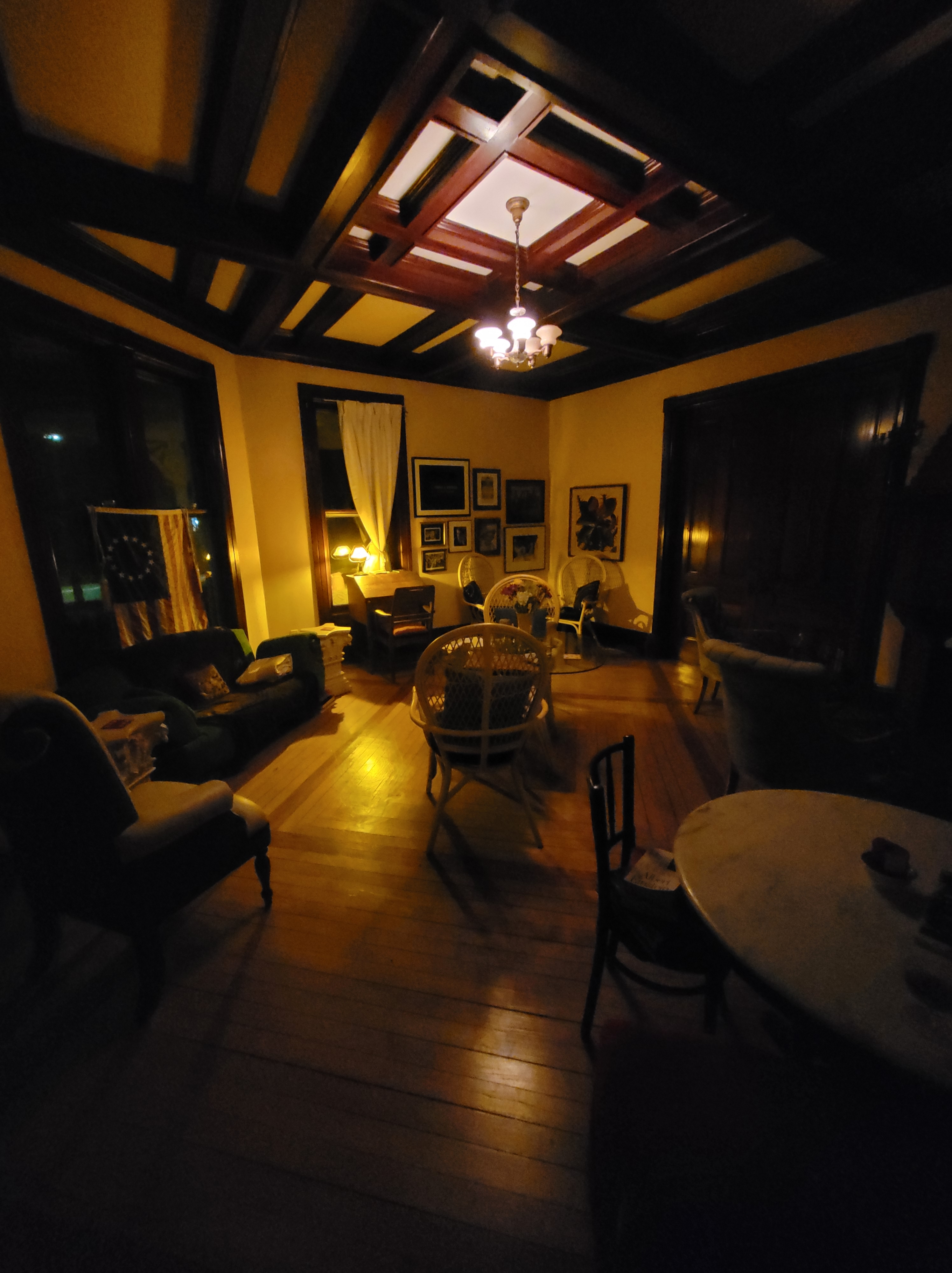
I opened the wooden front door with stained glass inlay and dropped my luggage. Where the fxz$% is all the furniture?’ When I was here in 2012, I had just redesigned the rooms, polished the wood, and shined our antique mid-century furniture collection. The salon captures everyone’s attention, with its cherry wood ceiling and baseboard trim, leather embossed fireplace, and the floor-to-ceiling original windows were stripped of the drapes.
The last time Dodger was here, I think in 2015, he made repairs and replacements over two months. He must have sold the furniture or what? We are not in contact any longer. In the Salon one tattered pink swing 60s sofa, all the tables and chairs the roulette table, stereo, TV, porch bar set, and photography absent. Upstairs, to the bedrooms, I entered the guest bedroom, stripped, except the gorgeous three-panel engraved black and ivory divider.
As I roam further, my lips quiver, I am cursing non-stop, then I step into my bedroom, I call it Heaven. The room is painted the most subtle shade of wisteria, and the floor-to-ceiling windows reveal all the light against the handsome spruce, pine, oak, and evergreen trees. Wow! the room is furnished with a desk, a lamp, bedside tables, and a new comforter and pillow shams to match. It’s as if someone was expecting me. But who? To be continued.
I’ve written in the genre of Creative Nonfiction, integrating the events through dialogue, journal entries, and a third-person narrative. Within three locations, Santa Fe, New Mexico, Los Angeles, California, and Saratoga Springs, NY. Greta (me) exposes the mutilation gaslighting abuse inflicts on her emotions, psychology, mental and physical health, and her finances.
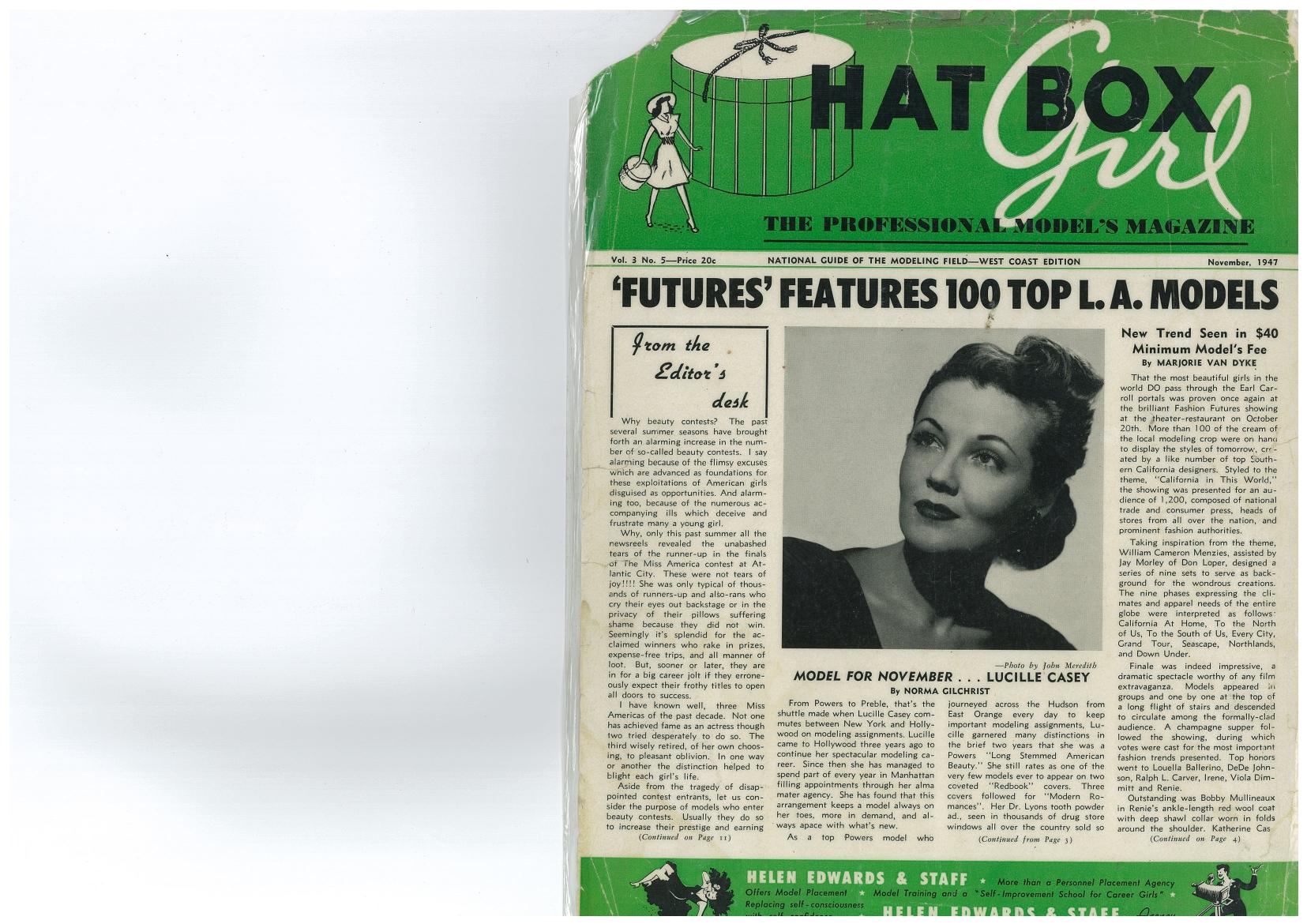
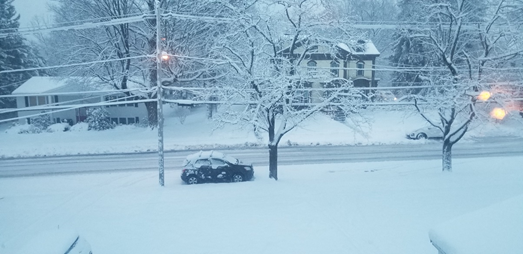
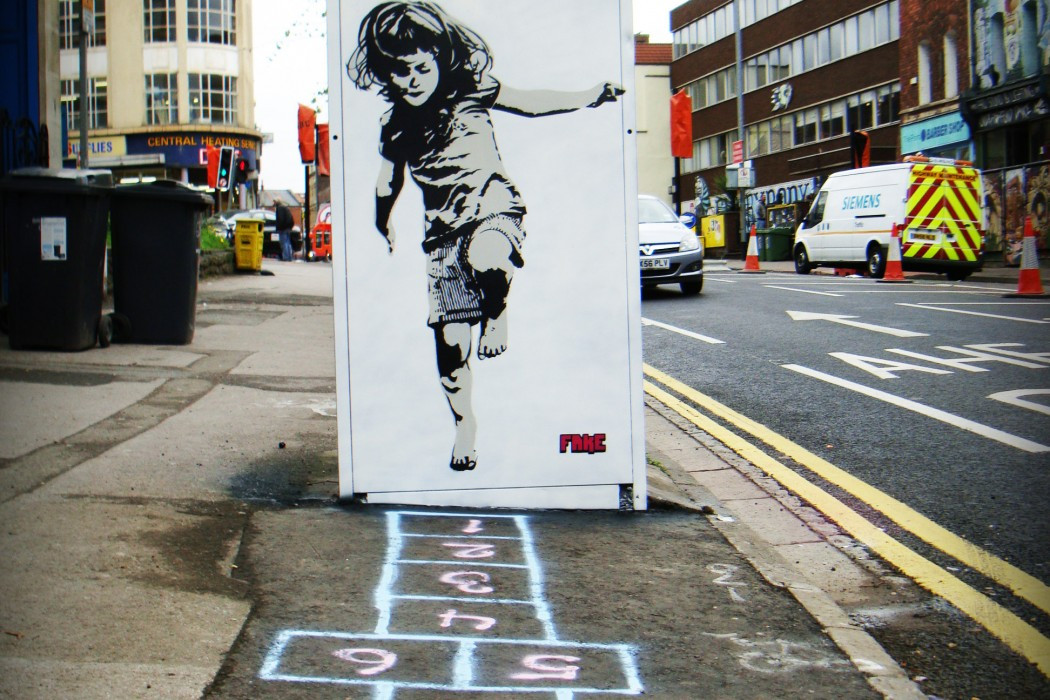
AS I LOOK OUT THE WINDOW, the stark undressed trees and branches droop with the weight of snow. Footprints form a hopscotch pattern on the snowy driveway and sidewalks. January is the month that reminds me most of Casey. That’s when she wore a mink coat, hat, and gloves. Her appearance was consistently Vogue print material.
Casey was a woman that threw the dice all her life. She gambled on her instincts as if they were already tested and approved. She never told me much about herself. Casey lived in the present moment and considered her past a private matter. Once I learned of her struggles as a young woman and the life she’d chosen, she became more real than when I’d known her. During the years we were friends, she handed out selected stories, abbreviated and censored. Being the inquisitive character I am, the shallowness of her stories bated me. I had to pry the truth out from other people who had known her.
Casey’s first gamble was at sixteen years old. She sent in a photograph of herself for the Redbook Magazine modeling contest. If she’d won, the Powers Modeling Agency in New York City would grant her an audition as a model. Casey was living in East Orange, New Jersey with her mother and sister. Her father had died suddenly, leaving the family without a financier. Casey’s mother was lost without her husband and unsuited to join the workplace. Casey didn’t tell her mother about the contest until she received the letter of congratulations.
John Robert Powers met Casey in his office on East 56th Street and signed her on as a Powers Girl. She was stunning to look at, she photographed like a movie star, and she was modest. John Powers did not look for aggressive, pouty-lipped, fearlessness. The Powers Girls were captioned, “Long Stemmed American Beauties” because they were wholesome, beautiful, tasteful, courteous, and virtuous. They were so far from the runway models of today, it is almost a reversal of the industry.
The models of the thirties were ordained to set the highest example of classic good breeding and education. John not only schooled them in fashion, and individual taste, he instructed them in moral integrity, independence, and community service. Casey went to school at John Robert Powers and became one of the top ten models in New York.
She was a blue-black-haired Irish beauty, with emerald green eyes and perfect teeth. She stood only 5’ 7″ in those days that was fairly standard. When I knew her, she was still thin and beautiful but she did not fuss about herself or spend a lot of time at her vanity. As a Powers model, Casey had a long line of gentlemen callers. Powers Girls were invited to all the nightclub and dinner show openings, sporting events, community galas, and fund-raisers. Social engagements were part of her job. Casey was not a woman of idle chat, in fact, a lot of people thought of her as restrained and unfriendly, maybe even snobbish. I think it was more secrecy. People were always prying into her life because it looked glamorous. There was another side to that glamour she didn’t want to put in the mirror.
One evening Casey had a dancing engagement at the Copacabana nightclub in New York City. She was on stage with some other dancers when a certain gentleman noticed her. The next chapter of Casey’s life began that night. At twenty-two years old, she fell in love with a man thirteen years older, of the Jewish faith, who lived in Hollywood. The consequences of her love forced her to change and adapt to a new lifestyle and different people.
She did not bury or rescind her love after she learned his business. She asked him to reform his criminal activities. He agreed if only she would marry him. We all know at twenty-two a woman believes she can change a man, and a man lets her think she can. Without that dream, many lovers would not have found their mates.
Casey did marry her love and spent her life trying to keep her husband and children from pointlessness, and harm. I met her husband just after he tried to reform, and was beaten down by the FBI. I called him Daddy.
I’ve written in the genre of Creative Nonfiction, integrating the events through dialogue, journal entries, and a third-person narrative. Within three locations, Santa Fe, New Mexico, Los Angeles, California, and Saratoga Springs, NY. Greta (me) exposes the mutilation gaslighting abuse inflicts on her emotions, psychology, mental and physical health, and her finances.
I’ve often wondered what people think about when they are alone; taking a run or walk, dining alone, in the shower or tub, or just being on their own. Artists in all genres spend more time alone in the process of creating art.
Waking alone, I step out to open the drape to see if it has snowed. If it has then I’m on landlord duty to wait for the snowblower to arrive, so my tenants can get to their cars. If it hasn’t snowed then I am thankful, not that the snow-white lawns and rooftops aren’t magically transforming, it’s that time of year when the power goes out or some other nuisance like scraping snow off my car and porch.
Then thoughts leap like little squirrels, from musing on my friends, who I need to call, do I feel like writing today, can I stomach thirty minutes of news and a bit of punishment for past mistakes. The one thread that rises in nightmares, and the first moment I wake up is unconquerable, fear is a thread I cannot snip and toss away. Fear is really about the unknown, we cannot supersede circumstances that are in the waiting room of our lives. Either they have already occurred or you know they are on their way to your front door.
THE FOLLIES HOUSE
Now with the coldness, at six or seven in the morning, I crawl back in bed with coffee and think of the past, then the present, then the future, and then my thoughts drift like snowflakes. You know the saying when you are despondent or troubled you will be told to keep busy. I have not understood that advice until now. My life prior to the last two years was dizzy bizzy. And yes, it eliminated fear and malaise, so now without all the lists, commitments, and responsibilities absent, I am on time with my thoughts.
I’ve written in the genre of Creative Nonfiction, integrating the events through dialogue, journal entries, and a third-person narrative. Within three locations, Santa Fe, New Mexico, Los Angeles, California, and Saratoga Springs, NY. Greta (me) exposes the mutilation gaslighting abuse inflicts on her emotions, psychology, mental and physical health, and her finances.
I ROSE AT 3:00 AM to turn the heat on, pick up my writing journal, and discern the week’s theme. I wonder for a moment if I should boil water for tea or coffee, and settle on decaf. The street is hollowed like a tunnel, the light of day is shining in some distant country, and the sky appears tinted with primer. Somewhere someone is dressing for work, breathing by the tick of the clock until he or she ( can’t figure out the right pronouns) must report for work.
The draft of sleep lingers in my eyes, and my feet shuffle on the wood floors while I grind the beans and think through the remains of the week. There are themes to our lives. Sometimes a year, sometimes one single day launches the theme, or it may just tumble into our path unexpectedly and replace whatever we were holding on to dearly, and deliver something unpleasant, like sickness, or separation. The sensations leading up to my theme jilted my creativity, and the pages I wrote were jammed with contradictions, maybe they still are.
Thoughts begin to form and ruminate, what is important? The theme of my week began when I finally was in the Dentists office. It’s been a year, and at sixty that was enough. Now Dr. FX’s office calls me every six months because I am over sixty-five. Still can’t really grasp my age. When I was thirty-something sixty-eight seemed very old. Do you remember that?
Dr. FX is the Music Man dressed in a white tunic. When he comes into my cubicle, he sort of prances on his toes and gives me an elbow safe bump.
“ Hello, oh I see,” as he looks into my mouth that has been open too long and my cheeks start to stiffen. The hygienist takes that white suck-up tube out of my mouth.
“ She has some tarter that I can’t remove so I suggest she come back because her gums are so sensitive and nonvaccine her for the water treatment .”
Dr. FX nods and bounces out of the room. Now she begins to sort of authoritatively advise me again that I have serious tarter. I think this is the third time.
“ I think I got a little lazy flossing during covid.”
“Everyone did.”
“And I also started snacking on those crunchy health bars at night.”
“That wouldn’t cause that.”
Now I am ready to leave and I’m elated to get out. The receptionist starts talking and advising me about Dental Insurance and she leaves her desk and meets me in the waiting room, and starts stretching.
“ I have to do this as much as I can, sitting in that chair all day long.”
“Oh, of course,” I raise my arms and swing my hips beside hers. I walked out into a day of clouds and a peek a boo sun feeling a mood change, a spark of energy from a few moments of improvisational dancing. We all crave an irreplaceable swarming of joy, that comes unexpectedly. I was awakened to my detachment from feeling truly alive.
Writing with a pen is so different from the keyboard, journaling is always with a pen, but columns are on the keyboard. I understand what tranquilizes all the peripheral complaints, mental pains, and wounds that lie dormant or at least manageable. Without thinking of the tormented hours, I think of the comforts of exhibiting my life on paper. My desk is sealed into a corner of the bedroom, next to a double pane window (original 1885) forty feet in length. It is not the act of writing with pen and paper moving along at a steady rhythm; it’s the activation of the heart and mind, collaborating to unravel the relevant from the irrelevant. To reach this state of matrimony a writer needs not a Tuscan Villa, or a Moorish Castle, but experiences that flake off the skin, or recall of the experience that gives it relevance.
I return to the porch for one more gulp of landscape that I share with the stars. The street is unfamiliar, a temporary scene like a bus stop, and I am merely waiting to move on. Some of the neighbors are friendly, some have no interest, one kind of spies on me when he thinks I’m not looking. There’s a reason for that but it’s too much of a separate story right now.
If I continue to roam around the task of writing this story, the intensity of irritation will escalate, my neck and shoulders will not loosen, my walk will be feigned, my smile forced, my heart longing for padding, my ego striving for recognition in the wrong places, and my soul roaming the hallways at 3:00 in the morning. I read a quote the other day on some website, to paraphrase: When I’m writing I know I can’t do anything else. The theme of the week is to bring back LouLou, a clownish, spirited, curious, joy seeker.
I’ve written in the genre of Creative Nonfiction, integrating the events through dialogue, journal entries, and a third-person narrative. Within three locations, Santa Fe, New Mexico, Los Angeles, California, and Saratoga Springs, NY. Greta (me) exposes the mutilation gaslighting abuse inflicts on her emotions, psychology, mental and physical health, and her finances.
Let this not be a scorched with boredom bla bla piece of writing as all the elements are with me this Sunday. No one is mowing their lawn, the sky is a metal grey shield against sunlight, a light freckly kind of rain falls outside, and Bill Evans and Jim Hall’s sublime mix plays into my pulse.
In upstate New York, an overwhelming enthusiasm erupts for pumpkins, apples, and cider doughnuts. Advertisements appear in my Saratoga news feed of festivals at the local farms, homemade apple cider, witches and hayrides, pick your own pumpkins, and doughnut-eating contests.
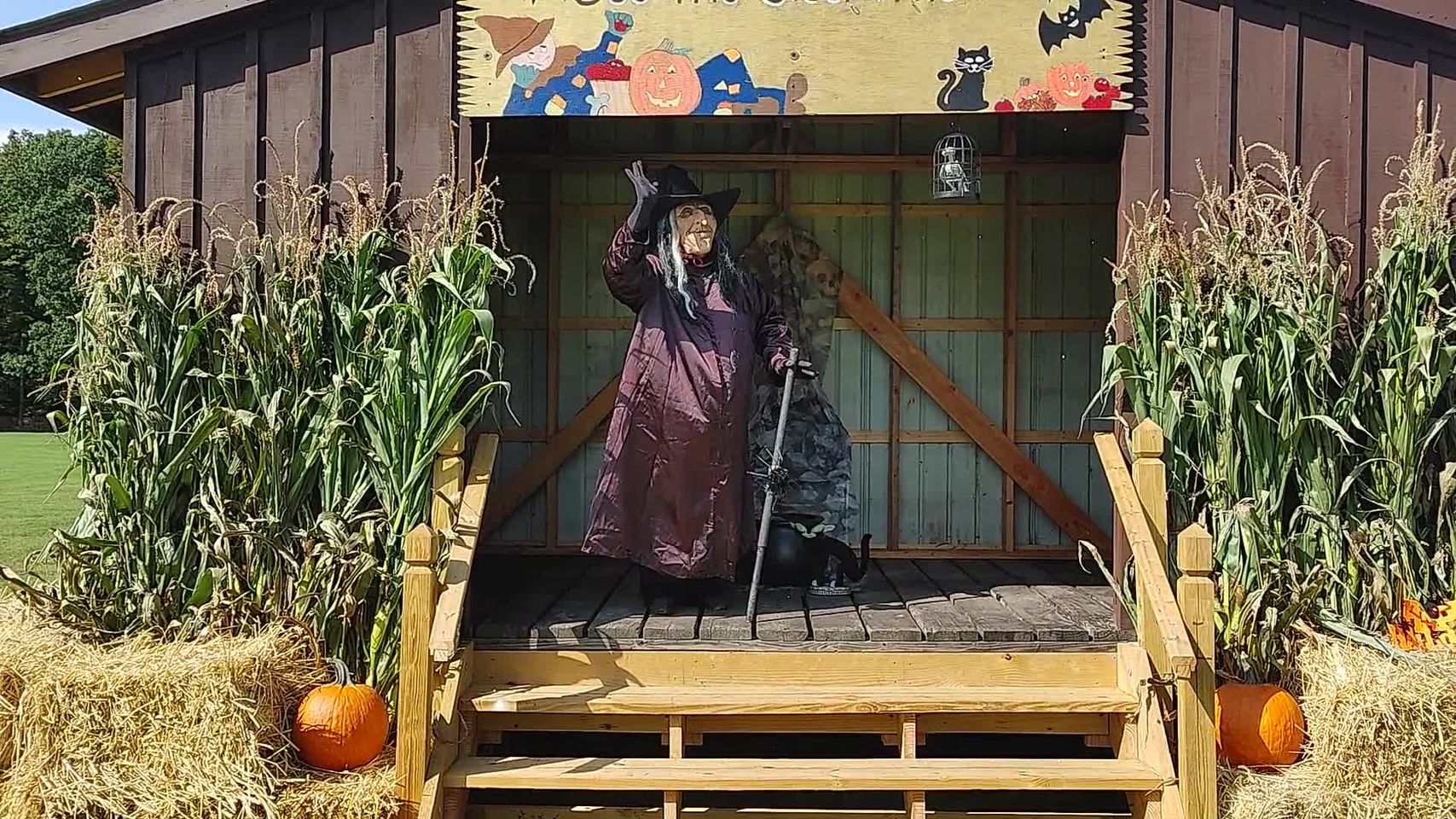
Instead of smirking at this unfamiliar custom, I took a ride out to Lakeside Farms Cider Mill to riddle my sensibilities and get into the autumn groove. It’s a short distance away but, after you make the third turn off the main road, the gladiator trees blushing with yellow and gold formed a canopy over my convertible. It reminded me of an amusement park ride. My mood melted with the colors and as I pulled into the driveway of Lakeside, packed as if the Rolling Stones were going to perform my internal stick shift went into submission. I’m guessing the farm sits on several acres, and on one side is a field of grass, with pathways to walk, and then as I moved closer to a small brown barn, I noticed a witch outfitted for the children standing with her pitchfork.
Shoppers with carts passed filled with pumpkins and apples, and as I looked for a shopping cart, a woman noticed my puzzled expression. “You lookin’ for a cart?”
“Yes, where do I find one?”
“There’s an empty one behind you.” I felt dumb as gum and thanked her. Then I had the choice of going into the open farmhouse where a display of a dozen diverse kinds of apples stacked in crates, farm-fresh vegetables, pumpkins of all sizes, and an assortment of Apple Brown Betty mixes neatly placed on shelves next to jars of honey, preserves, syrup, and pancake mixes.
It is now a full-blown bumper car amusement ride as carts are pushed by shoppers unaware of colliding with other carts. Children are jumping up and down, and screeching with sugar craving desire. I cannot decide which aisle to choose. First, an eggplant that wasn’t the size of a dinner platter, then a few green chilis, and sexy plump tomatoes. I could have chosen a dozen more items. Since I am single, my lesson has been learned not to overbuy only to throw it away.
Apples were tied in bags, a dozen the smallest amount, so I chose one bag of Cortland amongst the other twenty-five kinds of apples! Macintosh, Macoun, Gala, Empire, Jonagold, Honey Crisp, Red Delicious, etc.
I knew I was in the jive when I bought a two-pound sack of Buttermilk pancake mix, a jar of Vermont Syrup, and a jug of Apple Cider. At the counter, in line with half a dozen others, the clerk whom I’m sure was part of the family greeted me.
“How are you today?” He said this as if he was on stage speaking loud enough for an auditorium of guests.
“I’m doing very well, and you?” I don’t usually project an openly loving tone but he sort of earned my delight. With all that I bought, the bill was twenty-eight dollars. I used to spend that at Sprouts in Los Angeles for half the items.
Next, the bakery for those tantalizing apple cider doughnuts. Now I go indoors to a converted barn where they serve food and more grocery items. Another reason for this jaunt was to pick up a dozen doughnuts for the seven firemen who answered my call this week when my basement began to flood. We had so much rain my sump pumps gave up, and the water was just about to fill the hot water heaters in the pit. After they hosed out all the water, we chatted outdoors. Someone mentioned breakfast time. I chimed in,
“Let me guess, cider doughnut!” A round of laughter and oh yes, they all love them. They would not take any money and so I thought I’d buy them what they love.
The sandwich line was twenty groups long. I squeezed in next to the bakery and was called on right away.
“What can we get for you today?” Another gleeful greeting from a woman who looked like she grew up next to the oven. I looked at the selection of pastries oozing with sugar, cream, icing the works.
“A dozen cider doughnut in a box please-it’s a gift.”
“Sugar glazed pleased. And six cinnamons in a bag.”
With a cart loaded up, I suddenly realized I would have to wheel it all the way to my car over puddles, chipped brick, and steps. Instead, I used my less-than sturdy arms. As I walked along leaning slightly to the right (my left arm hasn’t behaved since I fell on the stairs) my LA persona surrendered to old-fashioned, no dieting, family-friendly shopping at Lakeside.
As soon as I entered my kitchen, I dug into the bag of doughnuts, poured a cup of coffee, and dunked.
I’ve written in the genre of Creative Nonfiction, integrating the events through dialogue, journal entries, and a third-person narrative. Within three locations, Santa Fe, New Mexico, Los Angeles, California, and Saratoga Springs, NY. Greta (me) exposes the mutilation gaslighting abuse inflicts on her emotions, psychology, mental and physical health, and her finances.
I FEEL A SENSE OF GUILT to seek pleasure, amusement and escape. This weekend fifty-seven innocent people shot in Chicago; Nyiah Courtney, a beautiful six-year old in W.DC, a violent riot in Los Angeles, a woman and son robbed before falling down a flight of concrete stairs at the Subway station in NYC, and in Tucson: “The gunman parked his silver SUV by the park, got out of the car and opened fire on the two paramedics who were inside the ambulance, Magnus said. The 20-year-old male EMT who was sitting in the driver’s seat was struck in the head and the 21-year-old female EMT who was in the passenger’s seat was shot in the arm and chest.” Bullets’ targeting fans outside the Washington DC Stadium will be what everyone remembers.
That’s all I could handle this morning. So, why aren’t I talking about it with friends? ‘ I don’t watch the news anymore’ is what I hear and so my feelings remain unspoken. Maybe because I do not have a family, or the man I could love, and so my emotions stretch to a world of strangers in pain and agony.
It is not depression that leads my day, it is mild shock, anger, and a halo of sadness for the cloud of hate, crime, corruption, and divisive storm looming over.
My heart is especially raw for the youth, embarking on adulthood, the unsolved immigration crisis, and knee-jerk mask attacks on one another.
The words of condolences: ‘We pray for your family, you are in our hearts’, lasts how long? Do they get a phone call from a Lawmaker or Member of Congress? It seems laws have to be passed. Instead, all I see is a game of power. A solid gesture by the government to rename streets after the victims, a monument, or a wall with their names, so we never forget is my suggestion.
I’ve written in the genre of Creative Nonfiction, integrating the events through dialogue, journal entries, and a third-person narrative. Within three locations, Santa Fe, New Mexico, Los Angeles, California, and Saratoga Springs, NY. Greta (me) exposes the mutilation gaslighting abuse inflicts on her emotions, psychology, mental and physical health, and her finances.
I wonder what you all are doing this July 4th. The last year had pressed us closer, and friends from years past have knocked on my FB door. Someone switched the light on our lives and I for one will find pages of material as a memoirist to unleash all that happened within and without. What took me all the way down was seeing the number of deaths. NY lost more than thirty-five thousand people, that would be like all of Saratoga County.
I vote for a Memorial somewhere in the US, maybe a wall, inscribed with the names of those lost to Covid-19. Grateful is the word of the times. I wish you all a big, loud, closely adjoined unmasked party.
I’ve written in the genre of Creative Nonfiction, integrating the events through dialogue, journal entries, and a third-person narrative. Within three locations, Santa Fe, New Mexico, Los Angeles, California, and Saratoga Springs, NY. Greta (me) exposes the mutilation gaslighting abuse inflicts on her emotions, psychology, mental and physical health, and her finances.
Looking west to a smear of dusty crimson sunlight, a young man of twenty stood on the shoulder of Highway 66 waiting to hitch a ride. A powder blue Cadillac pulled up and the lad was caught in a puff of loose gravel. When the dust settled, a woman dressed in a two piece matching suit leaned over from the driver’s seat. “Say fella, can you drive one of my cars to California? I’ll pay the expenses,” she yelled out the window. Another Cadillac pulled up next to hers with a jerk stop. The lad stared into the shine of the car. It looked like wet paint and he was tempted to touch it. “Sure will, yep I’ll do that. Should I get in now?” The young man answered. “I need to see your driver’s license.” She added. The man hastily drew out his license from a dusty plastic cover inside his billfold. She looked it over, and smiled. “All right Maurice, keep in close to us on the road, don’t get lost. We’re going far as Needles.” Maurice held tight to the steering wheel, ‘Geez, ain’t this great, what a car. I’m going all the way from Nebraska to California in a Cadillac.’ He’d forgotten about the sharp pains of hunger, and bloody sores on his feet. Now he was sitting on warm leather seats, with the cold night air off his back, and ten dollars in his pocket.
Sixty five years later, I’m walking down the street where Maurice lives. We haven’t met yet. I don’t meet my neighbors. I move before I have a chance to care about them. It comes easy to me, being a loner. Then I met Maurice.
I’ve written in the genre of Creative Nonfiction, integrating the events through dialogue, journal entries, and a third-person narrative. Within three locations, Santa Fe, New Mexico, Los Angeles, California, and Saratoga Springs, NY. Greta (me) exposes the mutilation gaslighting abuse inflicts on her emotions, psychology, mental and physical health, and her finances.
Without a partner, lover, or relative nearby during our feared and festive flights of life, our ribs cave. You just cannot eat cake alone on your birthday, attend a funeral without a shoulder next to you, or celebrate a finished project without your best friend.
November 2016
Dodger knocked and then opened the door to Greta’s casita, wide-eyed and edgy as usual, like he’s about to eject off the ground and go air-born.
“Close your eyes.” She commanded
“I’m in a hurry, I just wanted to know if you’ve seen my glasses?”
“No, I have not, look in your back pocket, they’ll be there.”
He obeyed, “Good try butterfly.”
“They’re in your pigsty garage under a pillow. Can you just close your eyes, please?” Reluctant as always to be asked things like this he shifted his weight on one torn sneaker.
“Okay, you can open your eyes.”
“Well, what do you think?”
“I’m looking, hang on.” He opened the book and leafed through it, expressionless.
“It will be published this week in time for Thanksgiving and your birthday, a kind of homage to you, for reading the manuscripts a thousand times. I think it turned out really nice, don’t you?”
“Yea, then he handed the book back to Greta as if it was some other author’s book.
“Did you read the dedication to you?”
“Yeah, thanks.”
“Don’t you want to read it?”
“ I’ll buy one when it’s on Amazon.” Greta turned around and sat at her desk chair avoiding the disappointment with silence. She felt a sharp sort of shock, that left her speechless.
” I’m going to see Patsy for my Birthday,” He said in a more decidedly final tone.
” But I planned a publication party on your Birthday. You knew that— I mean this is our book once you read it you’ll see half of it is about you. He turned his head toward the glass door, he was preparing his next line.
” I know what you’re doing.” He replied.
“ What does that mean?”
“ You don’t want me to see her.” He turned around and looked directly into her eyes, unkindly.
“ I told you to move in with her, she’s your girlfriend, but I’m your friend. Can’t you go a few days later?”
“ No.”
” Okay, go. Get the fuck out of here, the book I wrote about our friendship and dedicated to you doesn’t matter.” Dodger opened the door and stepped outdoors before slamming it shut. The vagueness and accusatory tone pulled the plug on her adulation and accomplishment.
NOVEMBER 2016
Greta continued to sit at her desk, staring at the book, talking out loud as if Dodger was still in the room, you are fucking insane, he wasn’t the least touched, he didn’t even fucking smile or hug me. We are best friends you asshole, thirty-five years! Like family, I can’t believe you’d do this.’ The grail of completion dissolved when a few hours later, she had metabolized his absence.
Greta applied lipstick and blush, changed from sweats to jeans and a sweater, and dashed across the street to The Beaumont Hotel. It’s been what she termed her groove cave for the last ten years, ever since moving to town. Internally she reminded herself to retain some dignity, and not to cry, which would come later after she had a few glasses of wine.
The wave that most of us have to swim through at some sandy, loose day in our life comes unexpectedly as it did for Greta. It’s been two and half years since Greta agreed to tell me her story, it feels like it was yesterday.
Clutching her book in one hand Greta strolled into the Beaumont and, stopped at the staircase on the second floor where two hostesses were patiently but somewhat nonchalantly waiting for guests to arrive. She held up her book, partly because of the dismissal of Dodger, and her craving for some kind of acknowledgment. She is never sure what she has accomplished until she is validated by another person.
“Congratulations Greta, that’s so cool. I want a copy.” Jackie and Julia chimed in. Greta has told me over and over the people here, in the pueblo, it takes no time to get to know them because there is no pretense or preparation, they speak their feelings, as they arise without premeditation. Jackie is always tired and Julia is always infinitely alert and awake. Julia is in her sixties and Jackie is twenty-two.
“ Thank you dolls, do you think I deserve a cocktail tonight, no really, would it be all right if I have one. Jackie twirled her thin waist around the iron staircase,
“ Fuck that Greta, go have two,” she whispered.
“ You can walk home so have three,” Julia added, so neatly dressed in her uniform, but her eyes are like meadows like she’s not really there.
Holding court in the bar is Captain Kurtis. He’s ageless, one of those faces that retain the youthful spirit, and his six-foot-four physique almost doesn’t seem to fit with his face. He is no second guesser or lacks self-confidence, Greta loves him for that because she is not. She knows this for certain and she can’t understand why friends tell her, she appears so. She also knows that it is her little act.
“Hey! What’s happening?” He shouts out in his usual bar baritone greeting as if Greta were in another room.
She placed the book on the counter.
“ Wow! Hey, congratulations! That’s awesome. What would you like–on the house?”
“Thanks! A Martini.” He greeted another guest and I looked in the unavoidable mirror across from me and winked.
“ Wow, I don’t read much but I want a signed copy!”
“ This is the proof that I approved, the book comes out on Thanksgiving.”
“ My parents will be here, will you?”
“ Of course, I can’t not be here.”
“ Has Dodger seen it? Bet he’s happy huh?”
“ Actually Kurtis, he’s not.”
“ What the fuck is wrong with him?”
“ I don’t know, but he’s leaving for the holiday to see his girlfriend, I’ll be here alone.”
“ No way! We’ll be here. Drink your Martini and get crazy, loosen your bottom or something.” A while later, a second bartender arrived, Rooster, his hair is slicked into a rooster tail and he loves to dance and lip sing behind the bar. Greta went through her announcement, and he just beamed. “I want to buy one– where do I get it?”
A dreamy drench of joy poured over Greta, she let the martini take her away to the full euphoria of escape.
Over the next few days, she watched her royalty cart fill up. It was graduation day, a milestone for any self-taught writer. The instant a book was bought she wanted to tell Dodger.
From Greta’s desk window she views the driveway and converted garage where Dodger lives. It is now the twenty-third and she is waiting for him to leave as their incidental crossings on the street or in front of the house enrage her temper. This afternoon he appears to be preparing, and un-preparing for a departure. Greta is observing his actions with just a hint of humor as she sees him bring his bicycle up from the basement place it outside the garage, then a few hours later, he places it inside the garage, then it comes out again and he keeps repeating this action until he switches to his construction tools, they go in the van and then back in the garage. Dodger then moves on to washing his car in militant style, climbing onto the roof and manically wiping down the exterior and interior with a roll of paper towels and cloths. Greta says, ‘My God Patsy must be a car germophobic.’ On Thanksgiving Day, she sees the Van, and then Dodger comes out of the garage carrying his toiletries bag and a garment bag. He glances over at her door where she silently observed him. She opened the door to say whatever came to mind at that moment and he accelerated into his van and drove off.
Thanksgiving 2016
Greta propped herself up in bed drew her coffee cup into both hands to warm them and wiped tears on her nightgown sleeve. She could not get up at least not for a few more calming hours so she looked at the walls of her bedroom sparked with honey sunshine inside the gold curtains and as the day passed her enthusiasm for turkey and stuffing wilted, until four o’clock, when she closed her mind like closing a book thinking of Dodger. She pulled a green sweater and burgundy velveteen slacks and dressed without even looking in the mirror, habitually applied make-up and while looking in the mirror tested her smile, to find the one that looked genuine. ‘ Oh fuck him, I’m going to make joy tonight’
Couples and families scurried the walkways on their way to dinner. Greta watched enviously having never been a mother, every child appeared distinctive and worthy of love. As she walked through the lobby her attention was drawn to a circumference of platters of food decoratively arranged on tables. The mounds of appetizers, salads, loaves of bread, and turkey slices tuned up her appetite for the first time since Dodger departed. Inside the bar, a standing crowd of guests fused in high-pitched voices, laughter, and glasses raised in toasts. Greta eased her way to the bar feeling slightly self-consciousness of her unaccompanied presence. The Dude, as she referred to the leading bartender stood tall as a redwood, his hair wrapped in a perfect man-bun.
“Greta, over here. I saved you a seat.” She smiled uncertainly, unconvincingly and the Dude noticed. He raised his chin a notch, it’s his way of acknowledgment.
“Hey Greta, you look really nice tonight. Are you ready for a martini or what?
“ I don’t feel like it, can I go now?”
“ Come on, it’s Thanksgiving, aren’t you thankful for something?” she savored the comment, it was true she did not feel the thankfulness quality of the celebration.
“ I’m grateful for you!”
“ Okay, what’s wrong?”
“ You won’t believe it, whatever it is I don’t know. Dodger didn’t stay for the publication party, he didn’t even say congratulations when I showed him the book, he’s gone to see Patsy, you know the woman in Las Vegas that he sees sometimes.”
“What an asshole, I’ll whip him when he gets back. Do you have the book with you, I want to see it now!” She kept one in her bag, in case someone came in that I knew.
“ Here, that’s yours.”
“Aren’t you gonna sign it?”
“ Of course. I’m just jilted like my prom date didn’t show up.”
“ Hang on, write the inscription I have to take care of these people. Don’t leave!”
The evening evolved into a gathering of singles at the bar, the exchange was simplistic holiday conversation, suited to the occasion, so very all American, though the holiday isn’t widely accepted by the Natives due to the fictionalized history of the holiday. Within the festive mood, the distraction pulverized the hollowness of dining without Dodger on Thanksgiving and his birthday. Greta’s closest female friend is White Zen (WZ), who is out of town, and other friends are with family, so it is one of those days for single unattached people to find refuge where they can.
The man seated next to her was so close she was tempted to move her chair but thought that would appear unfriendly. The Dude approached her,
“ This is my Dad.” The Dude went on to talk about the book I handed him and then the father started up a discussion about how he was writing a book too and so the evening, between bits of food and wine liberated Greta from singleness to a dinner companion. She knew Dude had that planned as he was continually trying to introduce her to men.
When there was a lull in the conversation Greta seized the moment to excuse herself and squeezed through the crowd to the ladies’ room. The silence relieved her as it always does after a two-hour conversational overload and incessant noise of guests whose cocktails elevated their voices to disturbing mumbling. She applied fresh lipstick, and then she took a deep exalted breath and texted Dodger, ‘ hope you have a wonderful thanksgiving.’ She washed her hands and after a few more minutes passed, the text remained unanswered.
“ Dude, I’ll have another glass of wine.” He was more than responsive, and poured a full glass of wine and left the bottle next to her. She knew he knew her heart was crumbling.
“ I’m thankful Dude!
“ Yea, you should be!’ A tipsy jolt took care of the evening and she managed to make some mocking jokes about the Dude, and how his youth at twenty-eight pleased the women at the bar as they attempted a sensual pat on his hand.
“Cougars, divorced or cheating on their husbands, women your age are weird.”
“You’ll understand when you get older.”
Over the next few days Greta texted Dodger six times, and he didn’t respond, so she called. She was blocked. Her rage erupted, and so she sent an email with a link to her Amazon book page. When days later she did not get a response, she pinned herself in front of the television and dialed WZ. The outdoor snow piled up, the trash was not emptied, she avoided going into the basement where the washer and dryer were and the temptation to begin sabotaging, or breaking his belongings.
“ Hi, it’s me. What’s left of me that is. Can you talk?”
“ Yes, you don’t sound good– what’s happened? Let me get a cocktail going I think I’ll need it.”
“ I’m into my third glass of wine, call me back because it takes you fifteen minutes to do your marvelous Martini’s.”
Greta waited as if she was about to go into the operating room. WZ is in the category of mothering it’s not just her whispery voice, or intense talent for listening, she has the appetite for drama and that’s what hooked her to Greta.
I’ve written in the genre of Creative Nonfiction, integrating the events through dialogue, journal entries, and a third-person narrative. Within three locations, Santa Fe, New Mexico, Los Angeles, California, and Saratoga Springs, NY. Greta (me) exposes the mutilation gaslighting abuse inflicts on her emotions, psychology, mental and physical health, and her finances.
I’ve written in the genre of Creative Nonfiction, integrating the events through dialogue, journal entries, and a third-person narrative. Within three locations, Santa Fe, New Mexico, Los Angeles, California, and Saratoga Springs, NY. Greta (me) exposes the mutilation gaslighting abuse inflicts on her emotions, psychology, mental and physical health, and her finances.
Unless you’ve lived in a four seasons city, you just can’t understand how transformational and redivivus the vernal expectation of spring. My mind feels like someone has loosened the screws, and a willowy feeling fills the body so when I walk my steps waver, without any alcohol. This spring is like a substance prescription after one of the gloomiest winters of my life.
I’ve written in the genre of Creative Nonfiction, integrating the events through dialogue, journal entries, and a third-person narrative. Within three locations, Santa Fe, New Mexico, Los Angeles, California, and Saratoga Springs, NY. Greta (me) exposes the mutilation gaslighting abuse inflicts on her emotions, psychology, mental and physical health, and her finances.