Luellen Smiley is a creative nonfiction writer, author, columnist, and historian whose writing is deeply rooted in a controversial personal history. She is the daughter of Allen Smiley, a close friend, associate, and business partner of notorious Las Vegas gangster Benjamin “Bugsy” Siegel. Her father was sitting only feet from Siegel when Siegel was murdered in Beverly Hills on June 20, 1947.
That extraordinary childhood history became the foundation for Smiley’s first book, Cradle of Crime: A Daughter’s Tribute, published in 2017. The memoir explores what it was like to grow up as the daughter of a man connected to organized crime while trying to reconcile her love for her father with the secrecy, fear, and criminal world surrounding him.
Smiley’s work has appeared in publications including the New York Post, MORE Magazine, Southern California newspapers, and Authorlink. She wrote the newspaper column Smiley’s Dice—Adventures in Livingness, which earned a Blue-Ribbon Award from the California Newspapers Association for her Growing Up With Gangsters columns.
Her interest in her father’s history also led her to become a researcher and commentator on organized crime history. She has participated in television, radio, and documentary interviews.
Smiley’s next book, Gaslighting Greta, will be published this year. A personal story that reads like fiction. Her own website describes the project as exploring a woman whose life is destabilized by gaslighting and psychological manipulation.
Her writing career reflects a recurring theme: using personal experience and research to uncover the truth behind complicated relationships and extraordinary lives. From the secretive world surrounding her father and Bugsy Siegel to the deeply personal territory of Gaslighting Greta, Smiley’s work transforms difficult experiences into stories of survival, discovery, and ultimately reclaiming one’s voice.
Luellen Smiley is an author whose life has given her an unusual perspective on secrecy, manipulation, family loyalty, betrayal, and survival—and she uses that perspective as the raw material for her nonfiction storytelling.
I was walking the streets, and the descriptive details had since evaporated. I mentally pluck myself out of this moment and open the shades to thought and memory, where all writers meet on some psychic level, the place of imagination and creation, an abnormality of reality.
A passage from Anais Nin’s diary says, “Be careful not to enter the world with any need to seduce, charm, conquer what you do not want, only for the sake of approval. This is what causes the frozen moment before people and cuts all naturalness and trust. The real wonders of life lie in the depths. Exploring the depths for truth is the real wonder which the child and the artist know: magic and power lie in truth.”
I’ve written in the genre of Creative Nonfiction, integrating the events through dialogue, journal entries, and a third-person narrative. Within three locations, Santa Fe, New Mexico, Los Angeles, California, and Saratoga Springs, NY. Greta (me) exposes the mutilation gaslighting abuse inflicts on her emotions, psychology, mental and physical health, and her finances.
Friends are bookends that bind our stories; some are novellas, some are poems, some are cinematic, and each friend serves as a bookend to our personal history. When I’ve lost my way and need direction my friends motorize me, and when I fly without wings, they ring the bell to come down to earth. At times, arguments arise and my friendships stray, but true-life friends never leave you behind. Sometimes, years may pass, and then one day you receive a call or an email, or send one yourself, and the memory of that particular squabble in history fades away. You can start anew; at the same time, it is not.
The essence of friendship never burns out; it is our galaxy, a kind of celestial agility. Are you experiencing a startling outpouring from friends who’ve left your life only to suddenly show up on your social media or a personal email? Are your friends calling and writing more often? I’m always examining some unfamiliar events in life, a new trend, a cultural change. Seems like every topic can be mixed with politics, sometimes the mixture is explosive. I’ve halted the political discussions, and so have my friends, as they are more important to my livingness than politics. With one exception, antisemitism, those are excluded!
I’ve written in the genre of Creative Nonfiction, integrating the events through dialogue, journal entries, and a third-person narrative. Within three locations, Santa Fe, New Mexico, Los Angeles, California, and Saratoga Springs, NY. Greta (me) exposes the mutilation gaslighting abuse inflicts on her emotions, psychology, mental and physical health, and her finances.
To write, to study, read, edit, I sacrificed: family, marriage, children, security, finances, and peace of mind. I am a columnist, and author, that lives with a constant source of material by those sacrifices. They have become my vortex of adventures in livingness to gain material. At times, like now, I question that path–and the answer is, I didn’t choose the path, it chose me.
I’ve written in the genre of Creative Nonfiction, integrating the events through dialogue, journal entries, and a third-person narrative. Within three locations, Santa Fe, New Mexico, Los Angeles, California, and Saratoga Springs, NY. Greta (me) exposes the mutilation gaslighting abuse inflicts on her emotions, psychology, mental and physical health, and her finances.
FREINDS, FAMILY AND FIREWORKS, Not me. Leave out the friends and family. But not the fireworks. I haven’t been here long enough to make new friends, and the ones I would call are out of town or playing homebase to avoid the traffic. The first day free of mind bending, sneezing, coughing and body thrashing over the last two weeks with bronchitis subsided. I even mentioned to a friend. ‘the best thing about suffering is when it ends.’ The last time I had the flu was 2011.
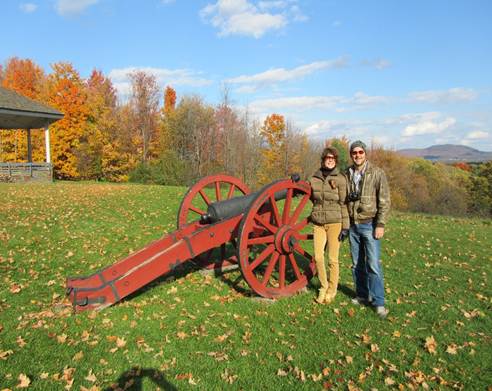
New York. I couldn’t abate watching the fleet parade along the Hudson or the fly overs above the Statue of Liberty, or pay very close attention to the historical narrative on the sacrifices our founders lived and died for, so we can celebrate today and tomorrow. What a juxtaposition between the insignificance of being sick and taking a bullet. The day of history and visuals had me looking up every founder, and significant document, dates, places and rendering the Saratoga Battlefield visit with Jx years ago.
“Site of the historic 1777 Battles of Saratoga, which represented the first significant victory for the rebels in the American Revolution. Today, the 3,200-acre park is a popular tourism and recreation site and a wildlife conservation area.”
I took myself out to dinner across the street at the Brigantine, folded into a room filled with chatting staff, guest’s conversation, and a panoramic view of the fairgrounds and Del Mar mountain tops. I sat in the center, unusual for me I usually cling to a wall, but this restaurant has become a sanctuary for socializing, or just being solo, either way I’ve never left disappointed.
“ You dropped this outside the bathroom,” a young shaggy blonde hair boy of twelve or thirteen handed it to me.
“Oh! Thank you so much, that is very thoughtful.’’ He shied, dropped his head in that way that makes adults wonder why we became so different, and left.
Then later on, as I was outside on the terrace enjoying the view of the fair, I noticed him and a woman next to me. We started to talk, I think she liked my necklace or my pants or something and I saw the little boy and I said is that your son? She said yes and I told her the story. She introduced me to her husband, the uncle, the children, the other children’s parents. And when she left, she hugged me. That kind of intervention makes the difference for a single person.
EVENING. After watching the DC extravaganza, I walked outdoors, to the corner, the street was back to back traffic, helicopters, neighbors’ standing on sidewalks and on our property, and I looked up at the start of a Del Mar Fairgrounds fireworks show that stopped me short.
I’ve written in the genre of Creative Nonfiction, integrating the events through dialogue, journal entries, and a third-person narrative. Within three locations, Santa Fe, New Mexico, Los Angeles, California, and Saratoga Springs, NY. Greta (me) exposes the mutilation gaslighting abuse inflicts on her emotions, psychology, mental and physical health, and her finances.
My possessions in Saratoga Springs now appear as decorations from a former celebration, like side dishes of over 20 years of mixing and matching prints, drapes, sofas, chairs, tables, vases, and artwork. Now they’ve been removed from my experimental minimalistic living. A former lifecycle that began twenty-five years ago, and are boxed up in a big POD storage. And I refuse to meet them in the present. Friends ask me, ‘when are you bringing your furniture here?’ I can’t answer in words, it must crystallize like it has this past week, when I missed my wardrobe and art hangings. Within the admired art, clothes, and sixty-two boxes, (I looked at my inventory) are a haunting of memories tied in see thru knots of Dodger, my x. As a confirmed refuser of goodbyes, in any relationship, this one has to be nurtured with precision, and that means, no reminders.
The stark white walls and Amazon assembled furnishing are stationed without emotion, memory or love. Functional, practical and unfamiliar. Ive created a new palette, like my first studio in Los Angeles in 1976. Then the others, studios over the years, small, compact, easy to maneuver and clean. Internally, the walls and shelves are cluttered with decisions. The edits on my book from the publisher, when will I find employment? How to engage in new friendships, clubs, gyms, meetups.
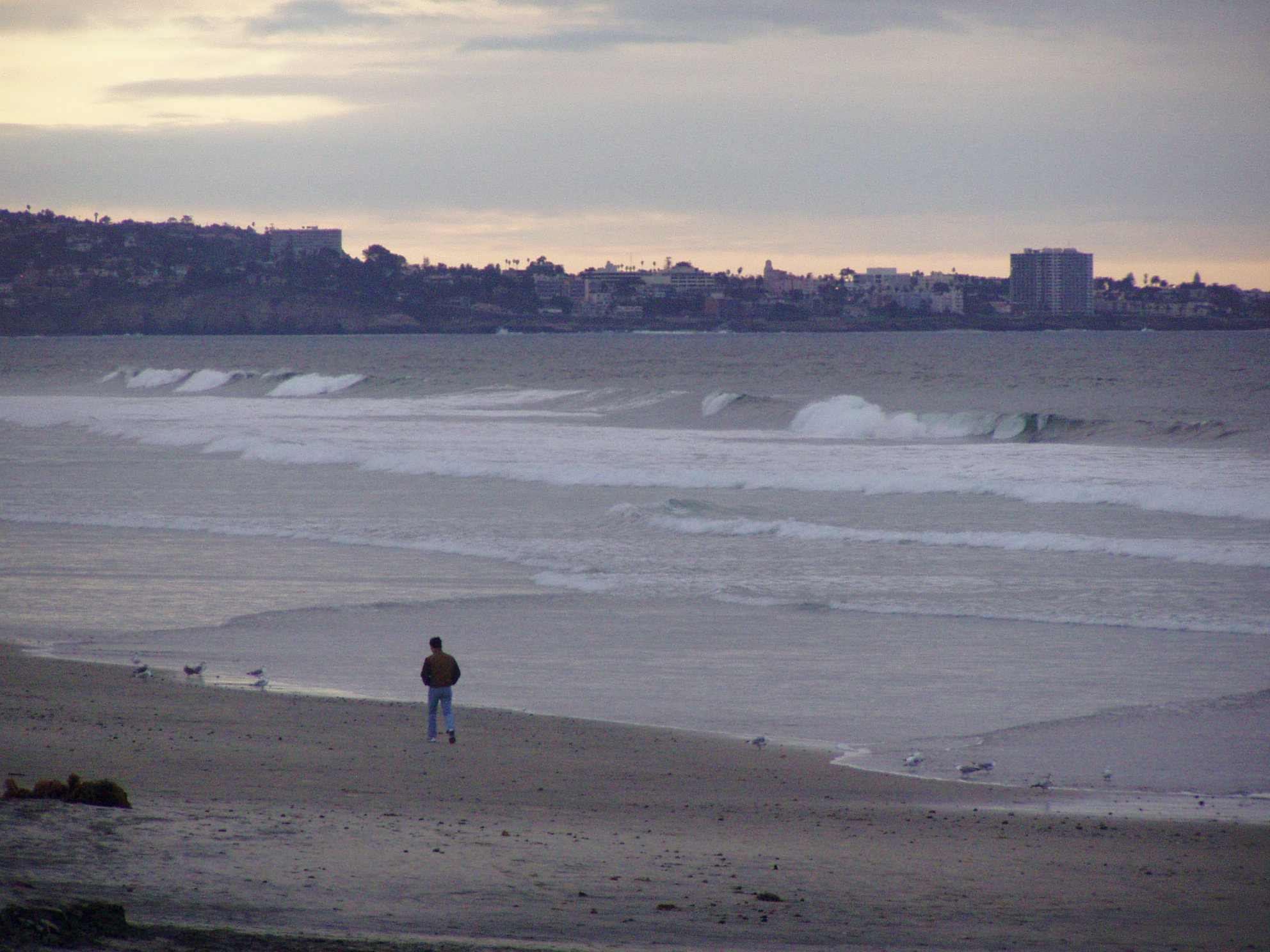
Singleness in a city, that was once my home for twenty years, evolved through generations, adding new policies, laws, regulations, real estate development, customs, and an impressionable celebration of the arts and culture. It has no resemblance to the San Diego I met in 1983, except for the ocean and the bordering cliffs and seawalls. That is where a continuous rolling of memory waves sear my view, and I see my youthful delight in San Diego. I’ve always been impressed with people who truly live in the present, can’t figure that one out, maybe I’m just a past time girl.
I’ve written in the genre of Creative Nonfiction, integrating the events through dialogue, journal entries, and a third-person narrative. Within three locations, Santa Fe, New Mexico, Los Angeles, California, and Saratoga Springs, NY. Greta (me) exposes the mutilation gaslighting abuse inflicts on her emotions, psychology, mental and physical health, and her finances.
My first experience with antisemitism was at twenty years old. I was working for a Bank in Beverly Hills in the loan department. One day my supervisor gathered us around and told a joke. I cannot remember it exactly, I do remember that he compared Pizza in the oven to Jews in the Holocaust gas chambers. I told my father. He ordered me to call the President of Gibraltar S & L and repeat the comment. The president was Jewish. I did so. I was assigned a new supervisor, and the supervisor was not fired. .
When I moved to San Diego in 1983, I witnessed derogatory comments about Jews, I don’t look what is the stereotype Jewish female, so people assume I am not. My father had passed and wasn’t there to advise me. If I was in a social or business situation, and offensive Jewish comments were made, I remained silent and never went back to whatever event I had joined. I was more interested in what people thought, then reprimanding them.
That all changed over the years, and I am emboldened to announce my Jewish heritage. I still hear that vapid response, ” I have a really good friend who is Jewish.” Or “You don’t look Jewish.”
I am not prepared for what has mobilized into a national campaign promise from some politicians, antisemitism. What? Are we in Germany? Who started this and who will end it? Are Jews protesting? I don’t see it. How many non-Jews celebrated the return of the hostages, or the end of the Gaza War? Why hasn’t a film been made about this historical event. I hope and pray I’m wrong, but antisemitism is in vogue. And who follows trends, the youth.
I’ve written in the genre of Creative Nonfiction, integrating the events through dialogue, journal entries, and a third-person narrative. Within three locations, Santa Fe, New Mexico, Los Angeles, California, and Saratoga Springs, NY. Greta (me) exposes the mutilation gaslighting abuse inflicts on her emotions, psychology, mental and physical health, and her finances.
Overlapping Father’s Day is a mirage of life experiences tucked into memory prescriptions you take on a stormy day. A relic of my history rises and reminds me of the fear I once broke through.
It was 1983, and I was poised on a terrace overlooking the Pacific Ocean in Venice Beach. It was March, the month my father died, and I stared at the horizon at dusk, imagining my freedom taking flight. Where would I go? Without his presence in Los Angeles, and my sister, who had already moved to New York, I was terribly alone. The replacement came in summer flings, with men who had crossed my path; a photographer, a New Jersey computer technician with a brassy voice and Joe Pesci humor, and every few days, Kenny, a former boyfriend, dropped by to smoke his pipe of philosophy and blow long-winded ideas on where I should move.
“I really want to move to Canada,” I said.
“For what? To go ice-skating?” He said between puffs.
“I have family in Vancouver.”
“What family? You’re an orphan now.”
“I am not. I have cousins in Vancouver. My father’s nephews.”
“Oh, yeah. When was the last time you saw them?”
“When I was twelve.”
“Terrific! That’s a solid-ass plan. So what will you do in Canada?”
“Get a job in real estate.”
“Lue! Wake up. You can’t get work in Canada unless you’re a citizen. Forget that idea. You’re better off staying here; look where you are: Santa Monica, the beach at your feet. Are you crazy?”
“I don’t belong here any longer.”
“You don’t belong to anywhere; what you need is to stop trying to be a big shot like your father.”
“I am not!”
“When was the last time you left the country? When you were eighteen? Go to Rio, you’ll have the time of your life, or Italy, or Greece–it doesn’t matter. Just take the chance and see how you land on your feet. You’re a dreamer; it’s about time you made one of your dreams come true.”
In the next few weeks, I met with Larry, my boss, who was liquidating his real estate portfolio to retire at 45. Larry wasn’t just an investment visionary; he was passionate about social, political, medical, scientific, and human interests. He was a genius.
“You can stay here another year–I’ll find something for you to do, but you’ll be bored,” Larry told me.
“Larry, I don’t know where to go.” I wiped a tear. He ignored it.
“You have to get out of LA. You’ll never meet anyone here. You think you’ll be introduced to someone riding up and down the elevator in Century City. I’ve spent a lot of time in Del Mar and Rancho Santa Fe. They’re nice people. You have a chance there; go down, spend a few days, and tell me what you think. I’ll help you. Now, stop crying. “
I drove down in Dad’s black El Dorado, and parked at Del Mar Beach right next to the lifeguard station at the Poseidon Restaurant. I opened my suitcase, took out a bathing suit, and went into the beach bathroom. The tile was wet and smelled of seaweed and salt. I walked barefoot down to the beach. It was early spring, and the sand was unmarked. A few surfers jogged past me, blonde and bronzed like the Beach Boys. I followed them down to the seashore. In every direction, there was this untouched canvas of light and color; even the beach houses retained their natural sandy simplicity.
After I swam in the ocean, I went back to the bathroom, changed into dry clothes, and walked into town. A man with a beard rode past me on a horse and waved. I picked up a Reader and read the rental advertisements on the patio of Carlos and Charlie’s, the corner café. A roommate advertisement caught my eye: “Roommate Wanted to Share large two-bedroom overlooking Torrey Pines Reserve.” I called, and a man who went by the name of Smokey answered the phone. He invited me to come by for a look. His voice was predominantly ranch-friendly, so I took a drive over. It did occur to me on the drive that I was taking that chance Ken was blowing in my ear, and I was listening to Larry, who told me that people in San Diego were different.
“Hi, I’m Smokey. Come in—would you like something to drink? Too early for cocktails, unless you want one.”
“No thanks. How long have you lived here?”
OLYMPUS DIGITAL CAMERA
His eyes were animal-alert, his face tanned, and his hair cut short but made to look long. His smile was unfiltered with hidden motives, and he was bull-legged.
”I moved from Pittsburgh; I’ll never go back except to see my folks. This is paradise. Don’t you think? I’ve lived here for two years. I rent out one room, because I hate full-time work. I’m more entrepreneurial. You don’t have to worry about my motives. I have a girlfriend, and I’m in love with her. She doesn’t stay here. I go to her house. You’ll have your space, and if you need a friend, I’m here. Come out on the balcony.”
I followed Smokey, and we stood on the terrace overlooking the lagoon and marshlands of the reserve. To the west, the ocean and the stump of Torrey Pines Mountain.
“Wait till sunset; you’ll never want to leave. Come look at your room. I can help you move if you want.”
The room was downstairs, his upstairs, and a stairway of trust in between.
I’ve written in the genre of Creative Nonfiction, integrating the events through dialogue, journal entries, and a third-person narrative. Within three locations, Santa Fe, New Mexico, Los Angeles, California, and Saratoga Springs, NY. Greta (me) exposes the mutilation gaslighting abuse inflicts on her emotions, psychology, mental and physical health, and her finances.
A momentary connection occurred to me last night after watching, “There Will Be Blood” about drilling for oil. The oil derrick is the outline, or the notes scribbled in a journal. Then the pipes are set in place, like words in a sentence, then paragraphs. Our characters come into view some muscular and brazen like the drillers, welders, rig workers and mud loggers. Once those elements are configured in the oil field or in sensory perception the story begins. The paragraphs build into pages and the pages build a story.
The writer digs for substance for soulful spiritual contemplation and he builds on it. Sometimes it comes like a gush of oil. Other times it bubbles at the surface and goes nowhere. When the bubbles recede, we move on to another location internally and externally and we begin to dig for a new well story.
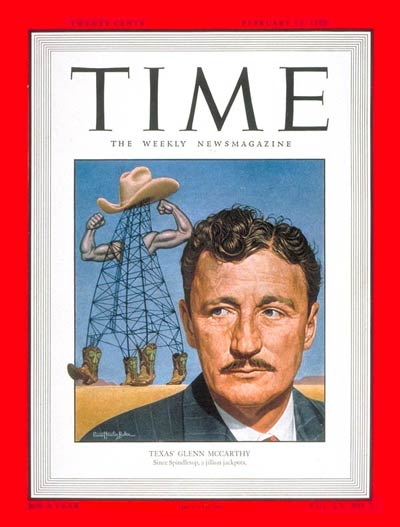
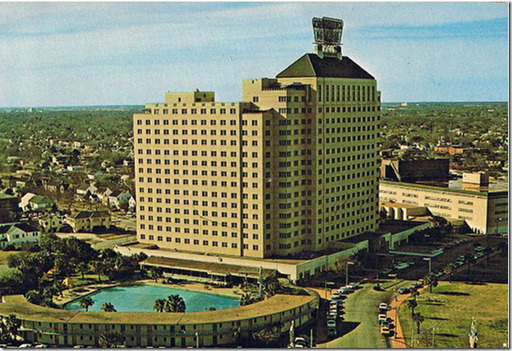
These ruminations came to me after watching the film, especially poignant to me as my father at the age of fifty left a life of gambling and mafia assorted activities and learned to be an oil producer. He was introduced to Howard Hughes through Meyer Lansky and Frank Costello and Howard introduced Dad to a wildcatter in Houston named Lenoir Josey. My mother and father moved to Houston from Los Angeles in 1949 and into the Shamrock Hotel, that being the hotel used in the film Giant, and Edna Ferber’s book, about Glenn McCarthy, played brilliantly by James Dean. He built the Shamrock, and it opened on St Patrick’s Day 1949 (the pool was so large you could water ski across) Glenn became close friends with my father. I met him once in Los Angeles at a lunch with Dad. He was broken, by his loss of fortune. and friends. I recall a face withered by disappointments.
Josey as my father referred to him took my father under his wing and tutored him in the business of oil engineering and oil production It was a gamble and my father a life long gambler on everything loved being in the oil business. I didn’t intend to wave my father’s story into this but intentions in writing as many things in life surprise us.
If J. Edgar Hoover hadn’t refused my father’s request to reside in Houston to continue the oil business I would have been born in Texas. My father was forced to move back to Los Angeles and as Hoover predicted he went back to gambling. During his time with Josey, he amassed twelve oil leases in states across the Southwest and Midwest and when he died that part of his life was handed down to his children in royalty leasehold interests. That was when oil was $17 a barrel. But Josey had passed and his son no longer honored the handshake agreement between his father and mine and forced us to sell our leasehold interests for a shameful amount.
I’ve written in the genre of Creative Nonfiction, integrating the events through dialogue, journal entries, and a third-person narrative. Within three locations, Santa Fe, New Mexico, Los Angeles, California, and Saratoga Springs, NY. Greta (me) exposes the mutilation gaslighting abuse inflicts on her emotions, psychology, mental and physical health, and her finances.
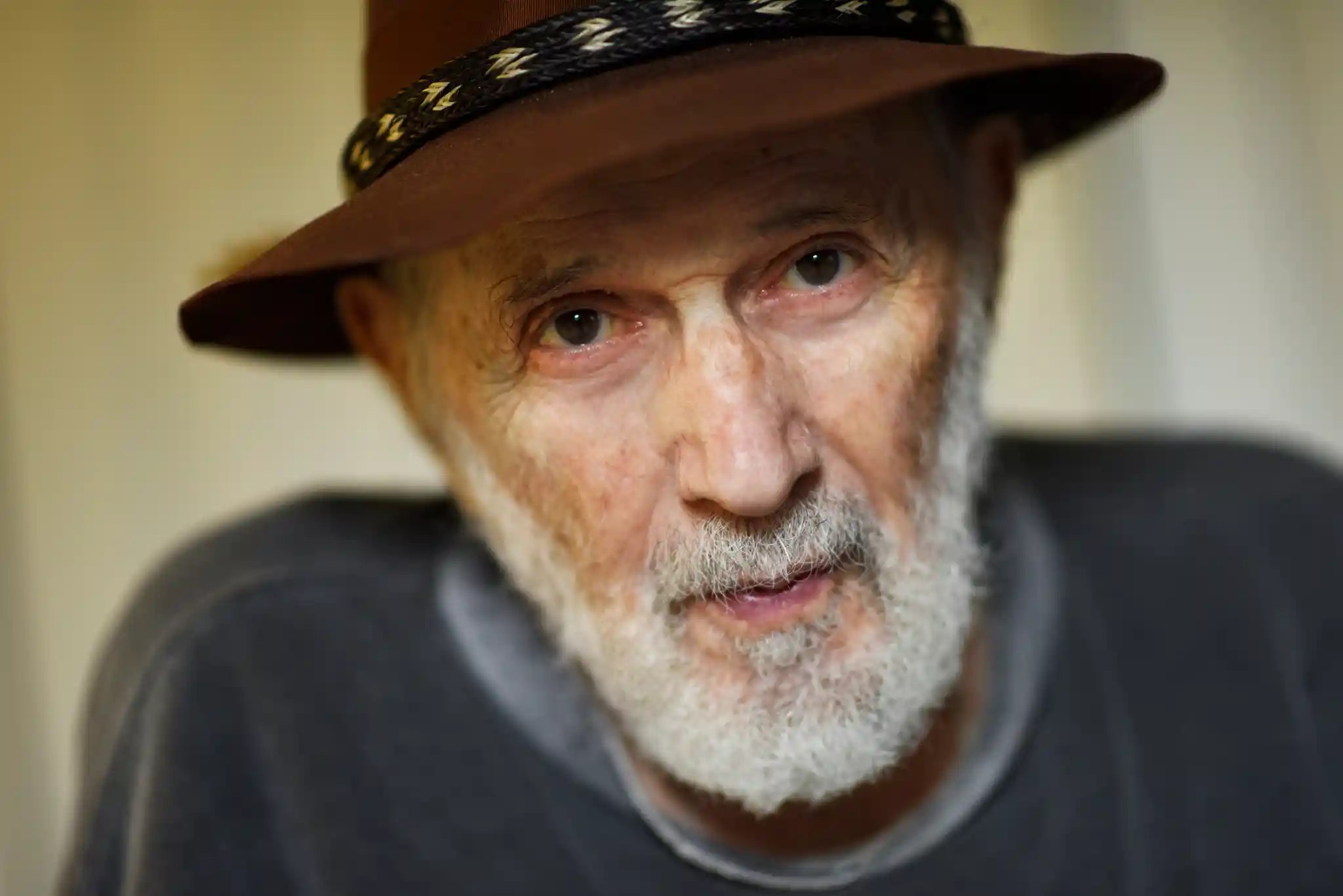
My pal since 2007 when I asked him to exhibit in my gallery. He advises, humors, and inspires me on every phone call. Today he is still exhibiting his photographs worldwide.Photographer and filmmaker Jerry Schatzberg, almost 99 years old, looks back at Edie Sedgwick in a new show at the Ki SmithGallery.
I’ve written in the genre of Creative Nonfiction, integrating the events through dialogue, journal entries, and a third-person narrative. Within three locations, Santa Fe, New Mexico, Los Angeles, California, and Saratoga Springs, NY. Greta (me) exposes the mutilation gaslighting abuse inflicts on her emotions, psychology, mental and physical health, and her finances.
I’ve written in the genre of Creative Nonfiction, integrating the events through dialogue, journal entries, and a third-person narrative. Within three locations, Santa Fe, New Mexico, Los Angeles, California, and Saratoga Springs, NY. Greta (me) exposes the mutilation gaslighting abuse inflicts on her emotions, psychology, mental and physical health, and her finances.
According to AI Self-confidence refers to an individual’s trust in their abilities and judgment, allowing them to face daily challenges with resilience and optimism. Unlike self-efficacy, which is task-specific, self-confidence is a broader and more stable trait that reflects overall perceptions of capability. It is closely linked to self-esteem and self-worth, but while self-esteem focuses on how much you value yourself, self-confidence emphasizes your belief in your ability to succeed in various situations.
Raise your hand if have it. Speak out if you have some of it, keep reading if you’re like me, missing it now, but once you had it.
So where, why and what happened? I’ll go first: My last accomplishment was saving my home from foreclosure and selling it in 2025. What have I done lately? Packed up a home, moved to Southern California, found an apartment, and began searching for employment.
Full stop. After seventy-five resume submissions in six different categories, and recruiting websites, I listened to my nagging annoyance and said enough. I’ve been validated by articles about AI interfering with companies even seeing my resume, outdated job postings, and fraudsters.
Without a project, or employment, I can’t find my confidence. Rejection letters, unanswered emails, or no response at all is about as harmful as I can tolerate.
I took the next approach. I met a gentleman with a gallery. I looked up his gallery, and was impressed. The next time I met him, I said I was looking for a gallery I’m passionate about, and I would like to work for you, in sales and marketing.
He said, “Okay, you bring me buyers, I pay high commissions.”
I’ve written in the genre of Creative Nonfiction, integrating the events through dialogue, journal entries, and a third-person narrative. Within three locations, Santa Fe, New Mexico, Los Angeles, California, and Saratoga Springs, NY. Greta (me) exposes the mutilation gaslighting abuse inflicts on her emotions, psychology, mental and physical health, and her finances.
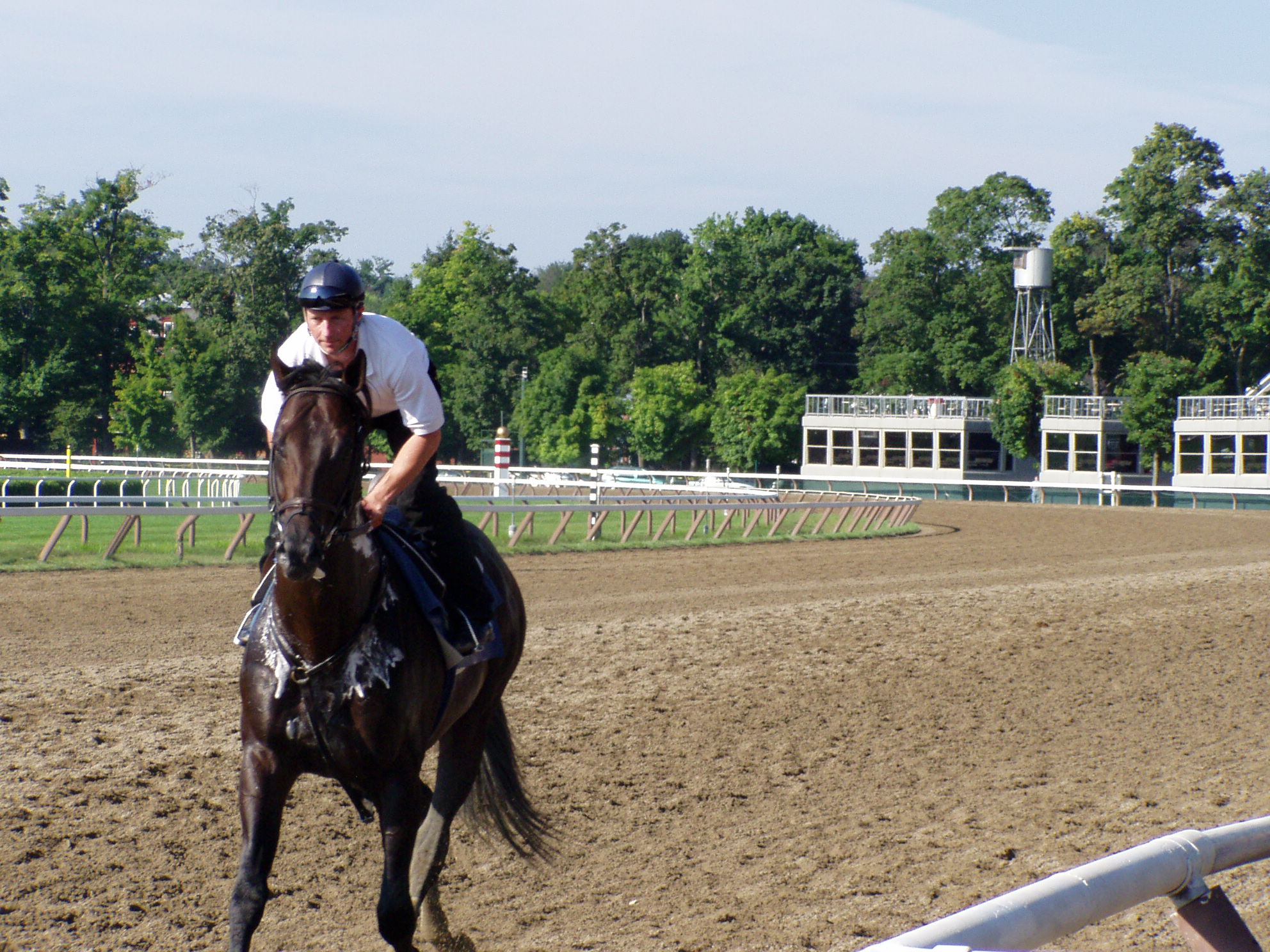
After spending several summers at Saratoga Race Track, I discovered I loved thoroughbred horseracing. All my life, I’ve been a spectator of the performing arts. I never watch any sports on television, and I only attend baseball games when my father needs a companion. The art of performance is what led me to experience the racetrack as live theatre.
The racetrack is the stage, the jockeys’ are the actors, and the men and women who fill the bleachers, picnic grounds, Turf Club, and private boxes are the audience. The racehorse is the star celebrity.
The admission tickets, like any show, are based on your seating. You can walk through the gates for $3.00, or you can buy a Box for $100,000 a year. The collage of human emotions, drama, suspense, and danger, are key components to good theater.
Gambling personifies the Shakespearean twist of the racetrack. High rollers and drugstore cowboys wager to win. Some men walk out with a grocery cart of recycled cans, some walk out with enough money to buy a racehorse. They leave by the same gate, and the next day, they come back for more. But why, I ask, is thoroughbred racing not considered an all-around American sport? Why don’t jockeys get athletic respect? These two spheres of lightning truth struck me while I trampled through the mud, one rainy August day at Saratoga Racetrack.
I asked around for opinions. The Governor’s bodyguard remarked that it was a good question. He did not think gambling was the reason, because people bet on sports all the time. He thought maybe that it was because as kids we don’t learn to race horses, like baseball and football. “The public is naïve about Jockeys, because they have never raced.” Another answer I heard was that 200,000 fans fill a ballgame on any given day, and that those numbers don’t compare with horseracing.
I’m not a bettor, and I don’t ride very well, but I am a drama whore. I took my notebook to the Jockeys’ room to ask the Jockeys’ what they thought about this irregularity in sports. Jose Santos had a few minutes to spare.
“Jose, do you feel like America thinks of you as an athlete?”
“We don’t get the respect that we should. I think it’s the gambling. This is the greatest racetrack in America, and there is gambling in every sport, but when you come to the track, you see it right there, and people cannot avoid it. Pound for pound, we are more fit than most athletes.”
I asked Jose what he does aside from riding. He jogs three miles every day, and walks for a mile. He reminded me that if he goes down with the horse, his strength is what gets him back up again. Another misconception is that jockeys only ride for 2 minutes. Well, the race is 2 minutes, but they ride every day of the year. They do not take breaks.
“How does the public perceive you?” I asked.
“In Europe they are treated like movie stars, over here the Jockey is just another person, and in sports, the Jockey is low. I wish we had more respect, but we don’t get the publicity.”
This feels like the guts of the truth; our little minds like to align with other like minds. The leaders of the pack go to football and baseball, and the media follows behind.
Jose remarked that the only time he felt real enthusiasm and support was when he won the Triple Crown. Otherwise, they get a little column in the paper with the results. “The Racing Form is 100 pages, and nothing is written about us.”
“What if there was a Jockey Magazine?”
“Well, that would be great, then the companies would be interested, and we’d get sponsors. When I go out to the park and run, I wear Nikes.” He chuckled, and I lowered my head in shame. My bet is that this can, should, and will change.
I’ve written in the genre of Creative Nonfiction, integrating the events through dialogue, journal entries, and a third-person narrative. Within three locations, Santa Fe, New Mexico, Los Angeles, California, and Saratoga Springs, NY. Greta (me) exposes the mutilation gaslighting abuse inflicts on her emotions, psychology, mental and physical health, and her finances.