Luellen Smiley is a creative nonfiction writer, author, columnist, and historian whose writing is deeply rooted in a controversial personal history. She is the daughter of Allen Smiley, a close friend, associate, and business partner of notorious Las Vegas gangster Benjamin “Bugsy” Siegel. Her father was sitting only feet from Siegel when Siegel was murdered in Beverly Hills on June 20, 1947.
That extraordinary childhood history became the foundation for Smiley’s first book, Cradle of Crime: A Daughter’s Tribute, published in 2017. The memoir explores what it was like to grow up as the daughter of a man connected to organized crime while trying to reconcile her love for her father with the secrecy, fear, and criminal world surrounding him.
Smiley’s work has appeared in publications including the New York Post, MORE Magazine, Southern California newspapers, and Authorlink. She wrote the newspaper column Smiley’s Dice—Adventures in Livingness, which earned a Blue-Ribbon Award from the California Newspapers Association for her Growing Up With Gangsters columns.
Her interest in her father’s history also led her to become a researcher and commentator on organized crime history. She has participated in television, radio, and documentary interviews.
Smiley’s next book, Gaslighting Greta, will be published this year. A personal story that reads like fiction. Her own website describes the project as exploring a woman whose life is destabilized by gaslighting and psychological manipulation.
Her writing career reflects a recurring theme: using personal experience and research to uncover the truth behind complicated relationships and extraordinary lives. From the secretive world surrounding her father and Bugsy Siegel to the deeply personal territory of Gaslighting Greta, Smiley’s work transforms difficult experiences into stories of survival, discovery, and ultimately reclaiming one’s voice.
Luellen Smiley is an author whose life has given her an unusual perspective on secrecy, manipulation, family loyalty, betrayal, and survival—and she uses that perspective as the raw material for her nonfiction storytelling.
The insomnia of separation from a man’s shoulder bowed to my head, tweaks like stale bread. A mind that directs me when I am driving directionless and maps my journey, walks beside me, a guardian of my fragility, acutely conscious of our path. The voice that encourages and applauds my success rather than let it drip from jealousy or preoccupation. How the laughter erupts in a moment of spontaneous passion. The gestures of him shaving and the modest vanity after I re-wardrobe him. Feeling his eyes in a crowd, undressing or admiring me, for some folly or expression.
The humor he finds in my misguided attempts to open bottles, and packages with a dull spoon, and figure out electronics.
How he will pardon and pamper my unwarranted fears of stalkers, sickness, rejection nightmares, and falling down the slippery wooden stairs.
I’ve written in the genre of Creative Nonfiction, integrating the events through dialogue, journal entries, and a third-person narrative. Within three locations, Santa Fe, New Mexico, Los Angeles, California, and Saratoga Springs, NY. Greta (me) exposes the mutilation gaslighting abuse inflicts on her emotions, psychology, mental and physical health, and her finances.
SOLITUDE will always be a puzzle because our lives, solo or mated, are mystified by either too much or not enough solitude.
I contest what seems endless solitude with my Irish Russian temper, condemning irritants like: street noise, absence of friends, short-tempered customer service reps, world news, and mindless tasks. The fever dulled after the first ice, rain, and snow, and mindfulness triumphed. I imagined my basement of survival would sink. It did not. There is an inner exploration happening, unfolding like spreading new sheets on my bed, that solitude has befriended me all my life. In the best of times and the tedious. I have to find the frolic and follies in the world that I created. I have to laugh alone so I watch screwball comedies, seek humor of my irregularities; wearing a sweater inside out, pouring coffee into a wine glass for a cocktail, and chuckling up and down the staircase, because I keep forgetting where I left my phone. My head is elsewhere daydreaming. I’ve learned how to repair house calamities; unscrew windows, seal up cracks, fix clogged drains, replace air vents, read the meters, and rejuvenate every wood board, handle, chair, and table with Old English Oil. As one pal commented on a visit to the house, ‘ It’s a perfect day for Old English! The winter forecast is blizzardy and full of warnings I haven’t experienced here; and how can I complain when half of Upstate New York is buried in ten feet of snow. The end of the day pleasure comes in the kitchen; my heart and spirit melt while stirring my weekly gumbo, stew, or casserole while listening to Tony Bennett, Nat King Cole, and swing music. Winter is a funnel that strips the trees and branches and lets us see through the forest and ourselves.
I’ve written in the genre of Creative Nonfiction, integrating the events through dialogue, journal entries, and a third-person narrative. Within three locations, Santa Fe, New Mexico, Los Angeles, California, and Saratoga Springs, NY. Greta (me) exposes the mutilation gaslighting abuse inflicts on her emotions, psychology, mental and physical health, and her finances.
When do we begin to lie about our lives:, feelings, fears, and mistakes? I ask this because of simple observation, knowing when someone is not telling me their truth. I remain silent; it’s not my way to ask why you lie to me? It’s like a social-cultural mask. I’ve always sought to know the truth. Why should we shield our traumas and hardships more than our triumphs and accomplishments? Do you know who does not lie? ART and SPORTS. That is why we listen to music, read books, go to galleries and museums, watch films, go to the theater, and go to dance performances. I cannot comment on sports because I’m not a spectator, although I love basketball.
We, and I mean this in only a visceral sense, do not believe politicians, news, social media, or advertisements. We want to, but deep in our inner truth, we know it is the manipulation of our individual thoughts and choices. That is why I trust art to deepen my understanding of the human condition. Thank you to all the artists and athletes who share their pain and glory.
I’ve written in the genre of Creative Nonfiction, integrating the events through dialogue, journal entries, and a third-person narrative. Within three locations, Santa Fe, New Mexico, Los Angeles, California, and Saratoga Springs, NY. Greta (me) exposes the mutilation gaslighting abuse inflicts on her emotions, psychology, mental and physical health, and her finances.
It is the Kentucky Derby and Cinco De Mayo weekend at La Posada. Kristen from the hotel said I should go; it would be fun. She’s a feisty young woman with clear, penetrating blue eyes and silky brown hair. Youth dances in her expressions; other times, it wilts from being locked down to an indoor job. She’s an adventurer who camps out in Belize and South America. Now, she’s talking about Antigua.
I walked out to the courtyard to see what was going on. The tables weren’t set up yet, but the Donkey stood idly and annoyed at the other end of the yard. I don’t know why they bring him, maybe for the kids. In the bar, a few guests were watching the Derby. The elan of race anticipation is shining like a light. I ordered a Mint Julep, and the guys were all watching as Dude whipped it up with finesse.
“ How is it?” Dude asked without needing any approval.
“ Magical. Who are you betting on? Greta asked.
“I want a Titty Tut, something nasty.”
“ Oh, stop that. You do it too much.” She replied.
“ Not nearly enough! Okay, here’s my horse—Promises Fulfilled. Oh yes, that’s mine.”
“ Everything you say is a metaphor for sex.”
“ You bet it is.” Who’s your pick?”
“ My prick is Justify.”
“Hah, see, now you get it.”
I sipped my drink and wandered around the lobby, stopping to greet Jackie, Monserrat, and Danielle. They don’t know what their smiles and caring comments do for me. I must tell them more often.
“ I don’t know what I’d do without all of you.”To be continued.
I’ve written in the genre of Creative Nonfiction, integrating the events through dialogue, journal entries, and a third-person narrative. Within three locations, Santa Fe, New Mexico, Los Angeles, California, and Saratoga Springs, NY. Greta (me) exposes the mutilation gaslighting abuse inflicts on her emotions, psychology, mental and physical health, and her finances.
Adventures in livingness aren’t just about extroversion, what we say, how we behave, or how we respond. More importantly, they are about our inner changes when life demands that from us. No one hears what threads are spoken in our heads, the ones that are flawed from indecisiveness, the ones that have been molded from things long past, the new threads that are unfamiliar, and the ones we need to rip out entirely.
I’ve written in the genre of Creative Nonfiction, integrating the events through dialogue, journal entries, and a third-person narrative. Within three locations, Santa Fe, New Mexico, Los Angeles, California, and Saratoga Springs, NY. Greta (me) exposes the mutilation gaslighting abuse inflicts on her emotions, psychology, mental and physical health, and her finances.
Sunday thinking: future, plan, prepare, implement. What if I go West, East, North, or South? One at a time. I use it a lot; it’s my mascot, mental disability. If I got over it, I would delete it from wherever it rose.
It reminds me of Rudyard Kipling’s If Poem. I am fearless one day and fearful the next, a collage of paradoxical thoughts. Emotions are my yellow brick road and also the vouchers of the victim. I’ve never been an A student of defensive tools; my acquiescence serves my need to be approved, which is so annoying.
I am not going back to childhood experiences; that cathartic tunnel has been examined, and approval and cherishing is the pillow of my contentment.
I’ve written in the genre of Creative Nonfiction, integrating the events through dialogue, journal entries, and a third-person narrative. Within three locations, Santa Fe, New Mexico, Los Angeles, California, and Saratoga Springs, NY. Greta (me) exposes the mutilation gaslighting abuse inflicts on her emotions, psychology, mental and physical health, and her finances.
Today is the day to stop punishing myself and outlive what has aborted my adventures in livingness.
No longer incubate to avoid disappointment, irritations, chaos, uncertainty, and senseless fear. I’m not alone, and you’re not alone. Friends of marvelous careers and lifestyles admit the same. We remain at home, where comfort, familiarity, control, and sustainability are our foundation.
No longer! Debasing my flaws, failures, and finicky flashes, manage them like I’m preparing dinner. If the pasta isn’t fabulous, I don’t go into a fit of failure.
I no longer will have apprehension and anxiety when buyers arrive to tour my home. The great philosophers advised me on Facebook that anxiety never solves problems.
I’ve written in the genre of Creative Nonfiction, integrating the events through dialogue, journal entries, and a third-person narrative. Within three locations, Santa Fe, New Mexico, Los Angeles, California, and Saratoga Springs, NY. Greta (me) exposes the mutilation gaslighting abuse inflicts on her emotions, psychology, mental and physical health, and her finances.
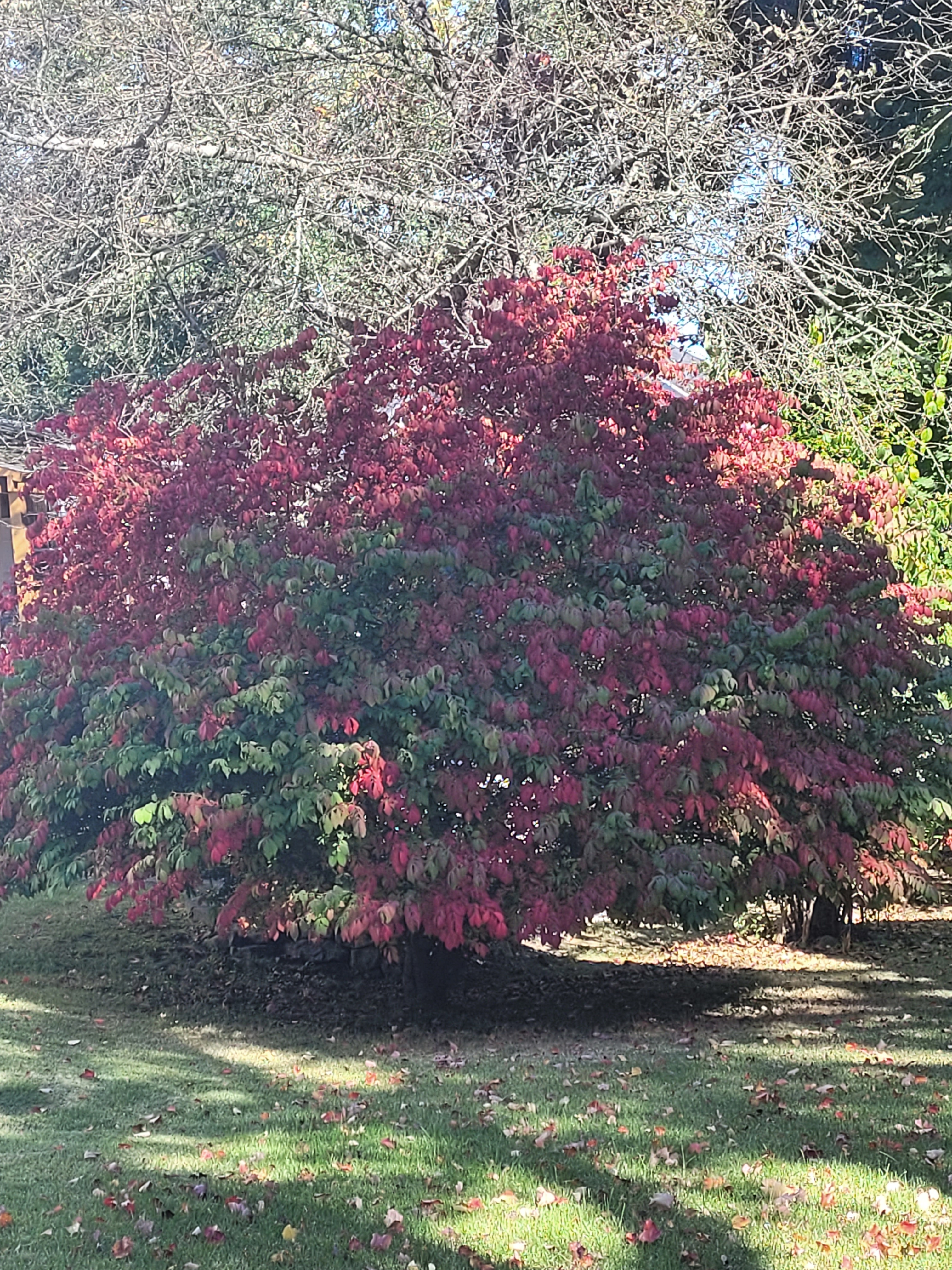
Why can the leaves turn lemon, plum, and tangerine? Why does the sky allow storms to shake up its translucent surface? Why can nature reinvent momentarily with wind, rain, hurricanes, and earthquakes? Why can’t I change the colors of my mood? I get daily messages from an Instagram member named Asad—inspiring, and he circulates around the themes of mood, attitude, loneliness, and inner strength. All of these have toppled my life since I can remember. I’m more taciturn than most people perceive. I can display a mannequin of poise and joy, but if you remove the surface, beneath is a conundrum of self-doubt, second-guessing, punishment, and fear. What’s even more destabilizing is I actually think I’m alone.
Last week, I observed the cashier’s facial expression and gestures at the Stop-& Go, which alerted me to her distress. I was buying a Cadbury chocolate bar after reading that chocolate is mood-changing, not just the hip-hop of energy; it can change your mood.
” I read that chocolate helps with depression, and these dreary dark days don’t help,” I admitted.
” Oh, I know. I used to be a registered nurse,” she said, facing me squarely into my eyes. I noticed a lot of cashiers don’t do that anymore.
” I suffer with anxiety and depression so I had to quit. I can mix up a Cadbury bar with a Snickers but not with medication.”
” I have the same as you, it’s changed my life as well. ” I looked at her name tag, without my glasses.
” You’re name is America? She laughed and her smile emerged.
“No, underneath, Dolores.”
” Thank you for listening to me,” I said
” Thank you, customers rarely acknowledge us.”
We don’t want pity or empathy; we all need recognition, and not in a text!
I’ve written in the genre of Creative Nonfiction, integrating the events through dialogue, journal entries, and a third-person narrative. Within three locations, Santa Fe, New Mexico, Los Angeles, California, and Saratoga Springs, NY. Greta (me) exposes the mutilation gaslighting abuse inflicts on her emotions, psychology, mental and physical health, and her finances.
My emotional tail is wagging. Curled up in my desk chair, I feel almost as if I was born in this chair. It’s cushioned me through a cyclone of adventures in livingness. This piece of writing was handwritten on a tablet back in late January. I’ve made some minor additions and deletions. Before submitting to a publisher, the editor I used asked me, “Why do you keep switching between past and present tense?” I told her I don’t control that until I’m in final editing. My control over my writing is identical to how I live. Acting on impulse, expanding the mundane into a musical, feasting on all the emotions, and fabricating thorny Walter Mitty encounters. I don’t even think of applying proven methods; I make up new ones. Back to this plateau of solitude. Love what you have, and especially yourself, with all your flaws. Integrity is more critical; be proud not just for yourself, but because someone out there needs you.
PART TWO: After reading this and while emptying the trash, I was struck by this: the big payback to living as I described is an adaptation to proven methods. I’m learning pragmatic over poetic.
I’ve written in the genre of Creative Nonfiction, integrating the events through dialogue, journal entries, and a third-person narrative. Within three locations, Santa Fe, New Mexico, Los Angeles, California, and Saratoga Springs, NY. Greta (me) exposes the mutilation gaslighting abuse inflicts on her emotions, psychology, mental and physical health, and her finances.
WW11 SURVIVOR’S VOW TO GOD
OLYMPUS DIGITAL CAMERA
Part Two. Solana Beach Morrocan Bungalow 2003.Maurice was 84
Maurice married the love of his life on December 25, 1941. They married in December because Maurice had saved one thousand dollars and made one hundred dollars a month. Agnes, his girlfriend in Grant, Iowa, is the woman who led Maurice out to Rancho Santa Fe, California, from his home in Grant. She and her father worked for Ronald McDonald, a prestigious resident in the ranch. She was responsible for housekeeping and cooking, and her father was the chauffeur.
Agnes and Maurice went to the US Grant Hotel for dinner and stayed at the Paris Inn on Kettner Avenue in San Diego. The following day Agnes went off to work. Maurice stayed in the little guest house she occupied on the McDonald property. Two days later Maurice received his draft notice. On December 31, he left his new bride and reported for duty in Escondido. He had one short visit before he left for overseas. Then, the next time he would see her, he would be changed.
Buna
One summer evening, I was sitting on Maurice’s front porch. Sometimes, we would sit out till after eight o’clock at night talking about different parts of Maurice’s life. Maurice is really busy in the summer; he tends to his garden of fruits and vegetables, he delivers furniture for all the Cedros merchants, and he helps his friends. He never seems tired, he likes to sit on the porch, have a beer, and tell stories. I used to like it when my father told me stories, but they were unlike Maurice’s. There didn’t seem to be anything he
couldn’t talk about. Once he said, ” You can ask me anything you want.”
“Maurice, how old were you when you were drafted?”
“Well, I was thirty-one years old in 1941 when the war broke out. I had to leave my wife, which bothered me, but I wanted to go overseas and fight for my country. There were so many nice soldiers, the best people in the world. I recall two boys from Chicago that were only eighteen years old, they lied to get in the service, and they were the best soldiers you ever saw- they weren’t afraid of anything.”
“Where did they send you after you left San Diego?”
“Well, first, I went to Camp Roberts for thirteen weeks of training, but I got out in nine weeks. Then they sent me to Fort Ord to get my gear, rifles, and clothes. We left San Francisco on April 21, 1942. We got into Adelaide, Australia, after twenty-one days at sea.” Maurice paused like he had to catch his breath. I watched his face, thinking he may want to stop.
“You remember so much… Do you mind talking about it?” I asked.
“No, I don’t mind; it changed my life, everything about it.”
“Where did they send you after that?”
“We trained for a while in Adelaide; the people in Australia were so happy to see us. I remember they met us at the beach with tea and cookies. The enemy soldiers were getting close. We went up the coast to New Guinea and into Port Moresby; we got there on Thanksgiving Day 1942. As soon as we got off the ship, the bombs hit us; it was the hundredth raid that night. The next morning we were supposed to get to the Stanley
Mountain range, we were in such a hurry. The Japanese soldiers built cement pillboxes and the army wanted us there. So we got in this plane, and they flew us there. Twenty-one at a time. When I got to the island of Buna, there were dead soldiers scattered all over the beach. We lost men so fast. Then, on Christmas Day of 1942, General McArthur ordered us to advance, regardless of the cost of lives. My division was one of the first to stop the Japanese army, the 32nd Division. After we were immobilized and a lot of our men killed, they sent in the 41st Division to take over.”
Maurice’s memory was like listening to a documentary, and this was the first time a Veteran confided in me. They didn’t get supplies at first; they had to wait till everything was shipped to Europe. They got what was left over, which wasn’t much. He ate cocoanut bark for two weeks and had no water.
“I can remember so well the first Japanese soldier I saw. He was sneaking through the jungle, only thirty feet off. I don’t know if I shot him, but he dropped. I don’t like to think I killed anyone, and it bothers me to this day that I had to kill. The Japanese were good soldiers; they had better ammunition than us. We fought all day, and we always ran out of ammunition before they did. I’ll never forget Christmas Day of 1942. We went into a trench to get ahead; the fellow ahead of me was cut wide open, and the guy behind was shot. I just lay there on the ground. If you moved you’d be shot. It was so bad; I lay there all day and night. ”
“Did you think you were going to die?”
“I didn’t let myself think that. I promised God that if I ever got out alive I’d never complain about anything in my life again. Nothing… nothing could be worse than that day.”
“You kept the promise, didn’t you?” I asked.
“Yes, I have.”
“And that’s why the war changed your life?” I said.
“That’s right. Every day is a beautiful day after you’ve lived through war, at least for me,” he said.
Excerpt from manuscript. All rights reserved. No part of this work covered by the copyright herein may be reproduced without the author’s prior written permission.
I’ve written in the genre of Creative Nonfiction, integrating the events through dialogue, journal entries, and a third-person narrative. Within three locations, Santa Fe, New Mexico, Los Angeles, California, and Saratoga Springs, NY. Greta (me) exposes the mutilation gaslighting abuse inflicts on her emotions, psychology, mental and physical health, and her finances.
HOW ONE SOLDIER CHANGED THE COMMUNITY OF SOLANA BEACH, CA
For many of us, the idea of aging is frightening. We have been led to believe it brings pain, loneliness, and idle time for regressing mentally. Remedies, products, prescriptions, and escapes offer youthful looks, energy, and vitality. The thought of aging is brutal; we pretend we can buy youth. What if you met a man who told you he could do everything today, at eighty-four, that he did all his life without injections, medicine, special diet, or specific training?
What if I told you all his family, including his brothers, mother, and father, is gone? His wife died twenty years ago. That he lives alone and is not lonely. He claims he is the happiest man in the world. Would you want to meet him? He wants to meet you. He would like to be everyone’s neighbor. He has much to teach in a country of strangers about meeting neighbors and making friends. We who know proclaim him an inspiration, a legend, an angel. And to that, he always replies, “I‘m just a regular guy.”
Maurice Roberts has lived in Solana Beach since 1936, and his recollections of the area are intact. I recorded his history and began writing everything down. Next week, I will startthe first in a series of historical perspectives.
I’ve written in the genre of Creative Nonfiction, integrating the events through dialogue, journal entries, and a third-person narrative. Within three locations, Santa Fe, New Mexico, Los Angeles, California, and Saratoga Springs, NY. Greta (me) exposes the mutilation gaslighting abuse inflicts on her emotions, psychology, mental and physical health, and her finances.
Subscribe to continue reading
Subscribe to get access to the rest of this post and other subscriber-only content.
I’ve written in the genre of Creative Nonfiction, integrating the events through dialogue, journal entries, and a third-person narrative. Within three locations, Santa Fe, New Mexico, Los Angeles, California, and Saratoga Springs, NY. Greta (me) exposes the mutilation gaslighting abuse inflicts on her emotions, psychology, mental and physical health, and her finances.







Leave a Comment