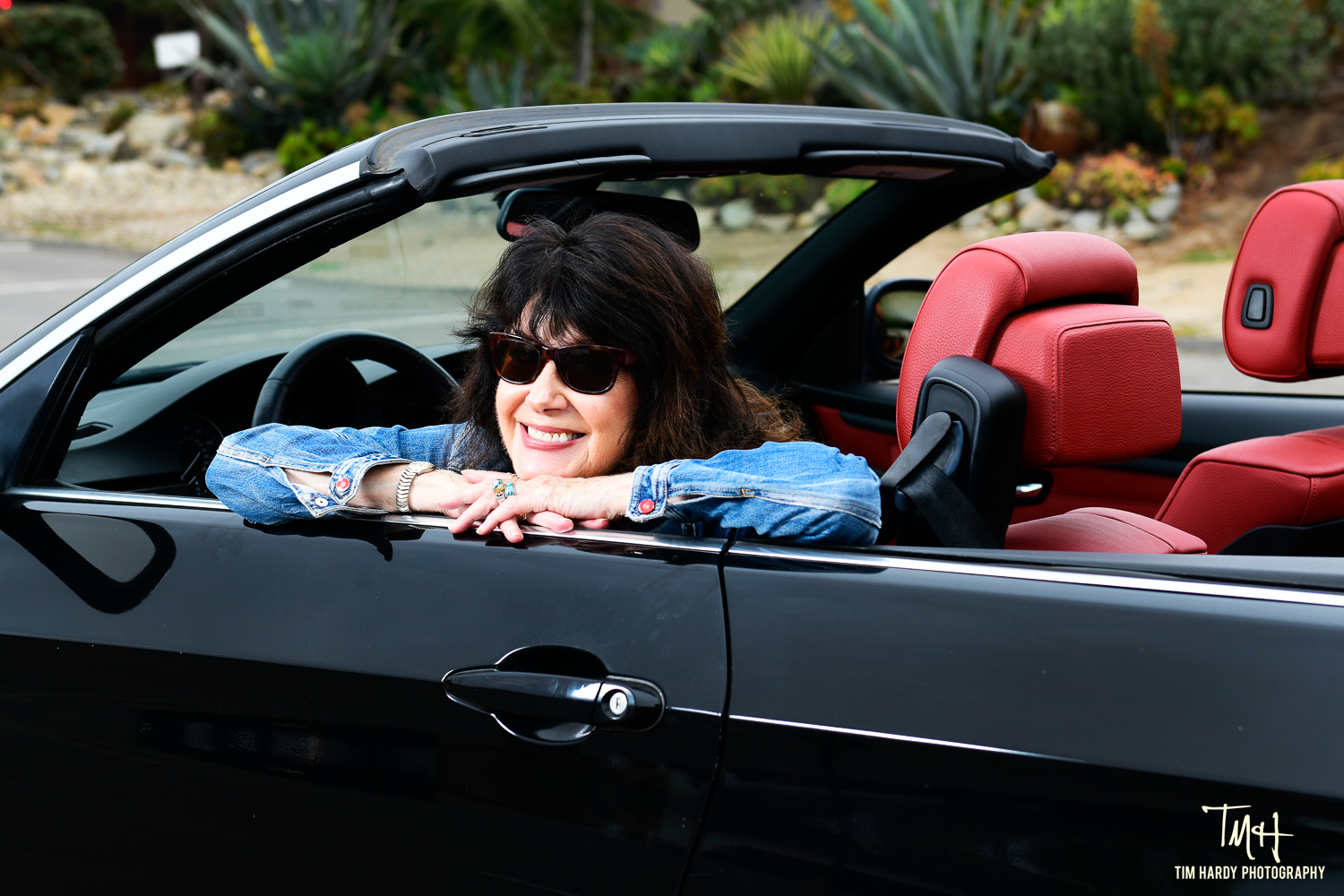
Luellen Smiley is a creative nonfiction writer, author, columnist, and historian whose writing is deeply rooted in a controversial personal history. She is the daughter of Allen Smiley, a close friend, associate, and business partner of notorious Las Vegas gangster Benjamin “Bugsy” Siegel. Her father was sitting only feet from Siegel when Siegel was murdered in Beverly Hills on June 20, 1947.
That extraordinary childhood history became the foundation for Smiley’s first book, Cradle of Crime: A Daughter’s Tribute, published in 2017. The memoir explores what it was like to grow up as the daughter of a man connected to organized crime while trying to reconcile her love for her father with the secrecy, fear, and criminal world surrounding him.
Smiley’s work has appeared in publications including the New York Post, MORE Magazine, Southern California newspapers, and Authorlink. She wrote the newspaper column Smiley’s Dice—Adventures in Livingness, which earned a Blue-Ribbon Award from the California Newspapers Association for her Growing Up With Gangsters columns.
Her interest in her father’s history also led her to become a researcher and commentator on organized crime history. She has participated in television, radio, and documentary interviews.
Smiley’s next book, Gaslighting Greta, will be published this year. A personal story that reads like fiction. Her own website describes the project as exploring a woman whose life is destabilized by gaslighting and psychological manipulation.
Her writing career reflects a recurring theme: using personal experience and research to uncover the truth behind complicated relationships and extraordinary lives. From the secretive world surrounding her father and Bugsy Siegel to the deeply personal territory of Gaslighting Greta, Smiley’s work transforms difficult experiences into stories of survival, discovery, and ultimately reclaiming one’s voice.
Luellen Smiley is an author whose life has given her an unusual perspective on secrecy, manipulation, family loyalty, betrayal, and survival—and she uses that perspective as the raw material for her nonfiction storytelling.
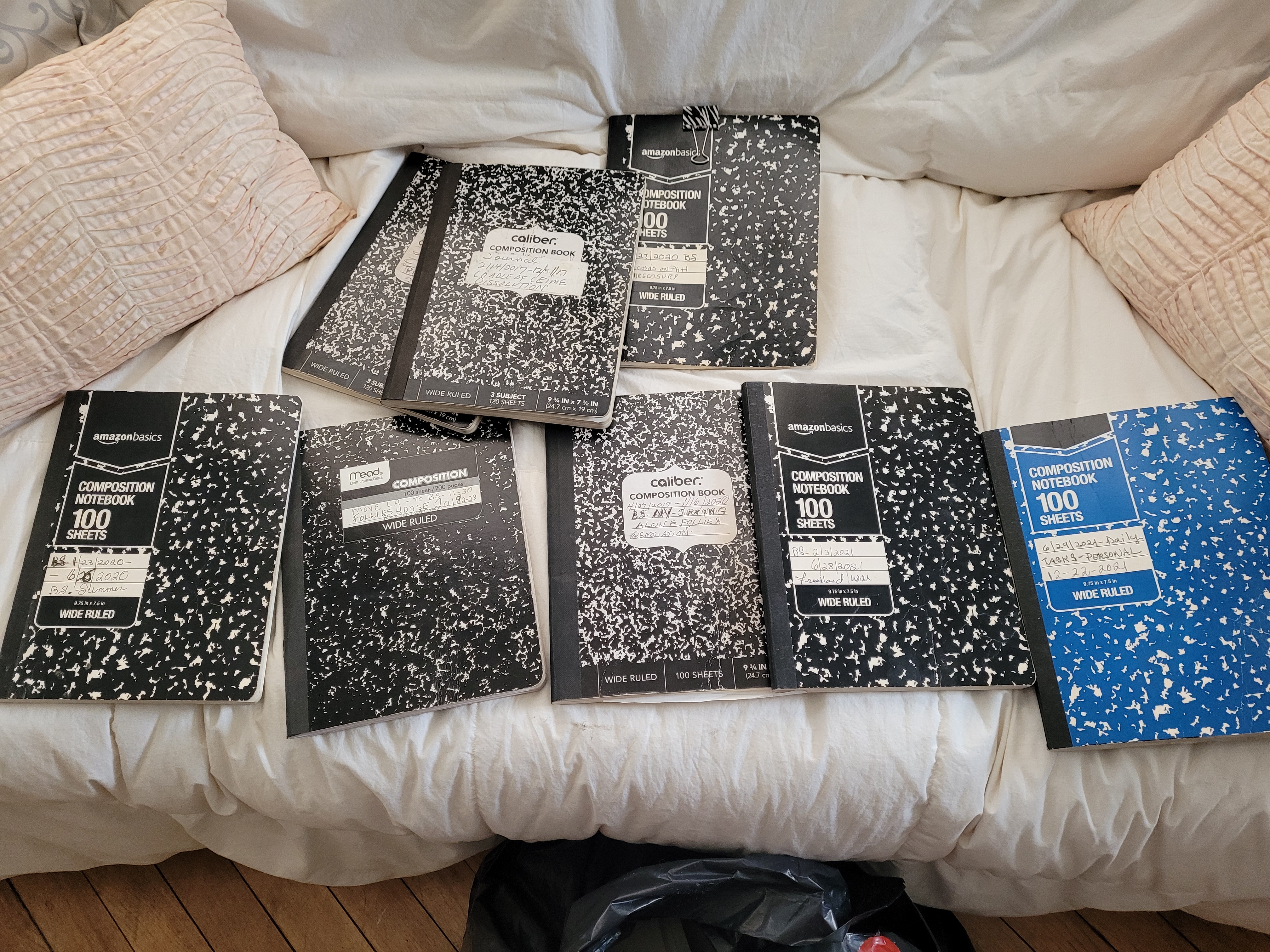
JOURNAL 12/6/2022ADVENTURES IN LIVINGNESS FALLS ONEXCERPT FROM NEXT BOOK.
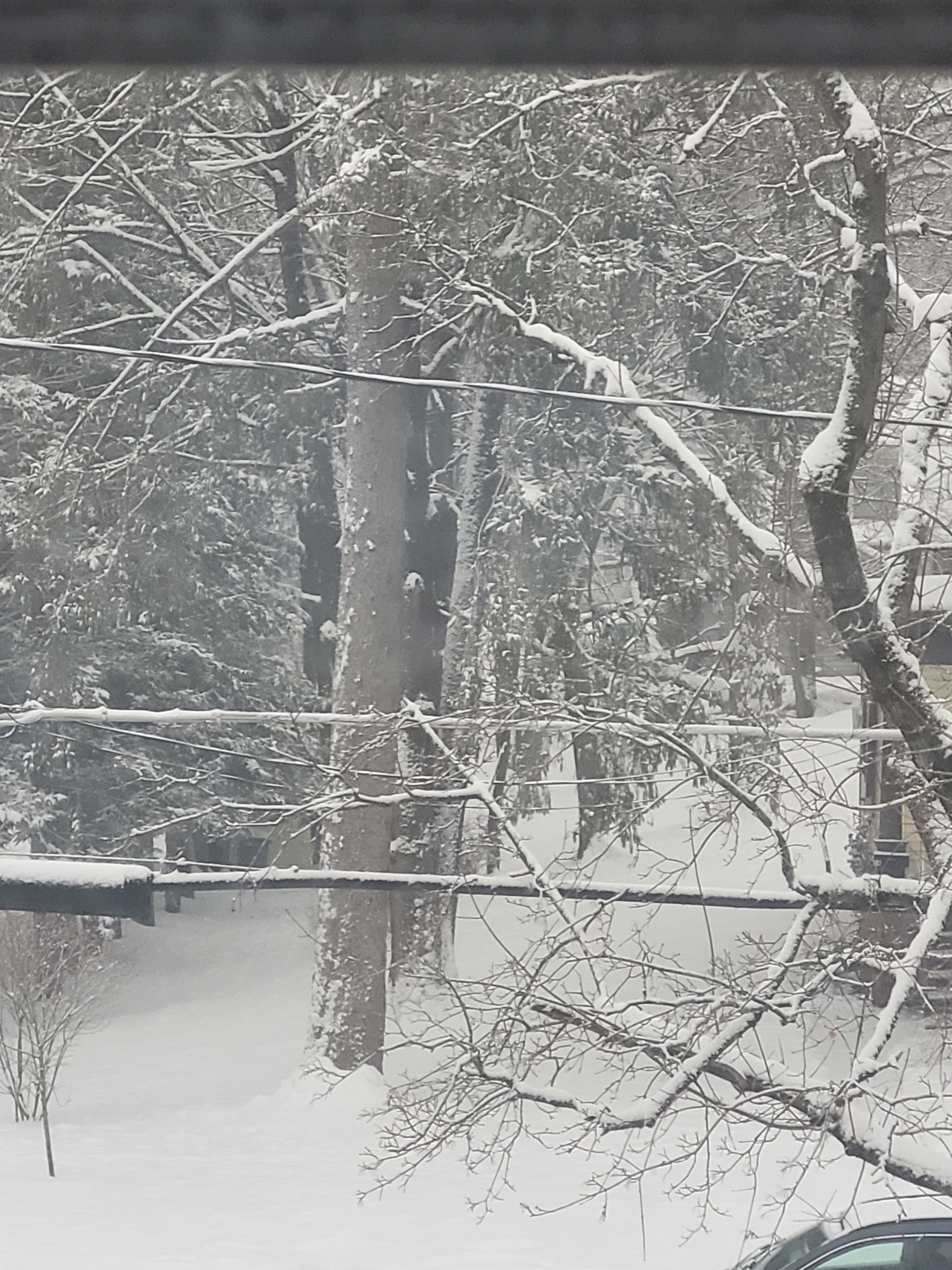
A fractured life impacts emotional posture and is not unlike physical posture. We slump or stand tall. We love; instead of neutralizing, we are inspired; instead of being stagnant, we romance; and we live to love. My heart is at the starting gate to love again, but the racetrack is missing. I’m undercover! The vortex of discontent is a punctured life.I spend more time watching sky stage plays, my favorite window tree, sculpted into aberrations of animals and faces than on cognitive thinking.
What I think of at three in the morning spirals into realizations and recognitions, and a time when my mirrors move toward me.The insomnia of separation from a man’s shoulder bowed to my head, tweaks my worries like soft bread. The mind that directs me when driving adventurely maps our journey safely. The voice that encourages and applauds my success rather than swaying with jealousy or preoccupation. How the laughter erupts in a moment of spontaneous passion. The gestures of him shaving, and the modest vanity after I re-wardrobe him. Feeling his eyes in a crowd, undressing or admiring me, for some folly or expression. The humor he finds in my misguided attempts to open bottles and packages with a dull spoon and figure out electronics. How he will pardon and pamper my unwarranted fears of stalkers, nightmares, cancer, and falling down the slippery wooden stairs. The man whose balance evens my wrinkles, lets light into my eyes, and opens my shell with wonder and shelter.
Henry Miller writes in his book, “ Henry Miller on Writing,” “Whoever greatly suffers must be, I suppose, a sublime combination of a sadist and masochist.’I think he’s looking at me.
Every moment needs attention. It’s twenty degrees outdoors. I am modestly adjusted, and receive a thousand warnings a week to get a flu shot. My doctor has tried persuading me to get a flu shot for three years. I responded that I’d never had the flu and that my last cold was in 2012. He chuckled and asked the next question.
I’ve written in the genre of Creative Nonfiction, integrating the events through dialogue, journal entries, and a third-person narrative. Within three locations, Santa Fe, New Mexico, Los Angeles, California, and Saratoga Springs, NY. Greta (me) exposes the mutilation gaslighting abuse inflicts on her emotions, psychology, mental and physical health, and her finances.
A year ago, I bought a crate of flowers to plant in Follies House flower bed. After setting the plant to rest, I had a vivid recollection of Nana; my mother’s mother. Nana was a petite woman, with long graying hair she pinned into a perfect French twist, a cute Irish nose, and a giggling smile. When I was growing up she lived with her second husband, we called Poppop, in a spacious California ranch house in Sherman Oaks, also known as San Fernando Valley. We visited her weekly, staying over one or two nights. Nana was always waiting for us to arrive. She greeted us at the door, she had something cooking, fresh candy in crystal dishes, and in the morning, she fried bacon and the aroma woke me and got me running downstairs. She scrambled eggs with lots of butter and served it with Irish soda bread. It never occurred to me that these weekly trips were the cultural mix-up of my Russian Irish heritage. This was Nana’s only opportunity to spoon-feed us our Irish roots. At home with father, bacon and butter were prohibited, and bread came in the form of a bagel. The food was only one part of the adventure. Nana’s home was filled with antiques, family treasures, and her garden was a masterful collection of east and west coast varieties. After Nana had all her errands and household chores finished, she changed into slacks, flat shoes, and a straw hat and went outside to the garden. I would follow Nana while my Mother remained indoors; most likely talking on the phone with some degree of privacy. In the garden, Nana would trim, cut, and arrange her flowers. I kneeled down beside her and watched, while she talked. Nana had the gift of gab, and her thoughts poured out without my interruption. Between sentences, she would insert a self-effacing joke, regarding her silly hat, or her short legs. Her hands were swollen from arthritis, and she rubbed them from time to time, but she did not complain. As I planted my garden, these visions of Nana remained and grew more studied and complete. I had a memory of being assigned a school project to plant something in the garden. By this time, my Mother had moved us to an apartment and we didn’t have our own garden. I went to Nana’s and she helped me plant some variety of flowers I cannot recall. Each week I’d return to see how my plant was doing. Sometime after the assignment ended and we were walking in the yard, I looked to see how my plant was surviving. It had been replaced. I asked Nana what happened. “Oh honey I hope you won’t be mad at me, but the little flower died, so I planted a new one. It’s my fault; I didn’t look after it properly.” Nana taught me the things my mother didn’t have the time to teach; like cooking, cutting flowers and arranging them, making coffee, and setting the table. She made all these chores enjoyable, and I loved to follow her around the house and watch her change the beds, and prop up pillows, and fold the guest towels. It never occurred to me until now, that I adopted her domesticity; the sublime gratification of adorning a home for the comfort of family and friends. The plants did not blossom, the jasmine, roses, and other varieties all wilted and turned brown. I buy silk flowers.
I’ve written in the genre of Creative Nonfiction, integrating the events through dialogue, journal entries, and a third-person narrative. Within three locations, Santa Fe, New Mexico, Los Angeles, California, and Saratoga Springs, NY. Greta (me) exposes the mutilation gaslighting abuse inflicts on her emotions, psychology, mental and physical health, and her finances.
When and why does privacy replace honesty. Do we have more lies to hide? I find conversations starched, and drafty. When I go out to socialize, I’ll bring a book, one that speaks truth and stage it for attention.
My problems are cornflakes compared to what is in the news: racism, sexual allegations infiltrating the most unimaginable perpetrators, suicides, corruption, mass murder rampages and the politics are so degenerative I fear we have lost all civility. Our souls are at risk, and our consciousness is poisoned because the message is this: if you apologize, you can be exonerated. In a way, the news reminds me that I have very little problems in that zone, as I’m incapable of crime and racial prejudice. I am guilty of gullibility, raffish behavior and selfishness… that’s not the full list!
After checking emails, I searched for something, you know the feeling, one track goes in a dozen directions with popups, andI landed on this page. It’s Yellow Advertiser. Wrong name for Today in History, but I love this! Early morning history honking.
10BC: Birth of Claudius. 30BC: Marc Antony (Marcus Antonius) commits suicide aged 53. 10BC: Birth of Emperor Claudius (Tberius Claudius Caesar AugustusRead more
306: Constantine I is proclaimed Roman Emperor by his troops. 1261: Constantinople recaptured by Nicaean forces under Alexios Strategopoulos forRead more
I’ve written in the genre of Creative Nonfiction, integrating the events through dialogue, journal entries, and a third-person narrative. Within three locations, Santa Fe, New Mexico, Los Angeles, California, and Saratoga Springs, NY. Greta (me) exposes the mutilation gaslighting abuse inflicts on her emotions, psychology, mental and physical health, and her finances.
If you’ve read my columns about minimalistic living: adapting to Solana Beach health, wealth and wardrobe conformity (female: leggings, workout bra, or at night show it or stow it. Male, bare-chested or T-shirt with their business logo on the back.) I add this confession, if the community residents were any happier than what I’ve observed I’d get therapy.
This week I became LEGITIMATE.
My New Mexico driver’s license expired in Sept 2024. I was living in my home in Saratoga, and attempted to gather the fourteen documents to show proof of residence, and get a NY driver’s license. I loved my turquoise NM license plates, and did not think I’d be there longer than a year, so I didn’t renew. I drove sparingly, as the village was in walking distance and I had Amazon delivery.
In January 2026 I moved into a hotel in Del Mar, CA and my car was transported by an auto moving company. I spent about thirty hours reviewing the documents I needed to get a CA license moving from out of state. I managed to get registration through my CA insurance agent, and CA auto insurance but DMV wanted proof of residence, (hotels not accepted) so I used Uber. I finally found my studio in May, and used all my time furnishing, and avoided the DMV. Friends offered to drive me there, and they or I got sidetracked.
Finally, a friend here said,
“ Loulou you’ve got to get it done. We’ll go Monday, this week.” I bought the cheat sheet, (out of staters have to take the written test) and studied it all weekend. Andrew, my friend, we met at five years old, called and said,
“ Did you get an appointment?”
“There’s a line of twenty-five, and besides the dice didn’t roll to seven.”
“Loulou, forget the dice and the line, they go fast.”
“ I’ll be over at ten o clock.”
I panicked and reviewed my folder of documents the online DMV said I needed: Birth certificate, certificate of sale, insurance, registration, social security card, proof of residence , passport, and DMV security code.
My phone maps app was taken over by google so I couldn’t access directions, I kept getting an error. So, I handwrote them on a page and met Andrew.
“ You have the directions on GPS, I don’t know where San Marcos is exactly, do you?”
“Not to make this more complex, I couldn’t access the app so I wrote them down.”
“ That’s good, you have all your documents?”
“ Everything but height and weight,” He laughed and we took off on the freeway. Andrew is a conversant man and because we grew up in the same class through high school we can speak, uninhibited.Childhood friends shared innocence, and the rarity of calculated devious behavior. Our trust is dependable and accountable.
“Do you know why I wore all pink?”
“Cause you … I have no idea.”
“ Men and women love pink, so if I get a male clerk, he’ll like it and so will a female.”
“ Where’d you get that tidbit?”
“Me, people like pink, and a search, pink evokes love and compassion.” Our conversation leaped from old friends to our parent’s, to tech complaints, going canoeing on a lake we passed, diet, aging, politics, antisemitism (we’re both Jewish) and then…
“ Do we turn here?”
“ Yes, we go east and then turn on San Marcos Boulevard for one mile and then Rancheros for three miles, and then..
“Okay, two directions at a time.”
After five miles of driving through residential neighborhoods, I knew we were lost. Andrew listened when I suggested we turn back, and we finally arrived at the DMV.
“My ex wouldn’t listen to my directions for thirty-five years. Thank you for listening! You know men are famous forrefusing driving directions.”
I’ve written in the genre of Creative Nonfiction, integrating the events through dialogue, journal entries, and a third-person narrative. Within three locations, Santa Fe, New Mexico, Los Angeles, California, and Saratoga Springs, NY. Greta (me) exposes the mutilation gaslighting abuse inflicts on her emotions, psychology, mental and physical health, and her finances.
Friends are bookends that bind our stories; some are novellas, some are poems, some are cinematic, and each friend serves as a bookend to our personal history. When I’ve lost my way and need direction my friends motorize me, and when I fly without wings, they ring the bell to come down to earth. At times, arguments arise and my friendships stray, but true-life friends never leave you behind. Sometimes, years may pass, and then one day you receive a call or an email, or send one yourself, and the memory of that particular squabble in history fades away. You can start anew; at the same time, it is not.
The essence of friendship never burns out; it is our galaxy, a kind of celestial agility. Are you experiencing a startling outpouring from friends who’ve left your life only to suddenly show up on your social media or a personal email? Are your friends calling and writing more often? I’m always examining some unfamiliar events in life, a new trend, a cultural change. Seems like every topic can be mixed with politics, sometimes the mixture is explosive. I’ve halted the political discussions, and so have my friends, as they are more important to my livingness than politics. With one exception, antisemitism, those are excluded!
I’ve written in the genre of Creative Nonfiction, integrating the events through dialogue, journal entries, and a third-person narrative. Within three locations, Santa Fe, New Mexico, Los Angeles, California, and Saratoga Springs, NY. Greta (me) exposes the mutilation gaslighting abuse inflicts on her emotions, psychology, mental and physical health, and her finances.
To write, to study, read, edit, I sacrificed: family, marriage, children, security, finances, and peace of mind. I am a columnist, and author, that lives with a constant source of material by those sacrifices. They have become my vortex of adventures in livingness to gain material. At times, like now, I question that path–and the answer is, I didn’t choose the path, it chose me.
I’ve written in the genre of Creative Nonfiction, integrating the events through dialogue, journal entries, and a third-person narrative. Within three locations, Santa Fe, New Mexico, Los Angeles, California, and Saratoga Springs, NY. Greta (me) exposes the mutilation gaslighting abuse inflicts on her emotions, psychology, mental and physical health, and her finances.
FREINDS, FAMILY AND FIREWORKS, Not me. Leave out the friends and family. But not the fireworks. I haven’t been here long enough to make new friends, and the ones I would call are out of town or playing homebase to avoid the traffic. The first day free of mind bending, sneezing, coughing and body thrashing over the last two weeks with bronchitis subsided. I even mentioned to a friend. ‘the best thing about suffering is when it ends.’ The last time I had the flu was 2011.
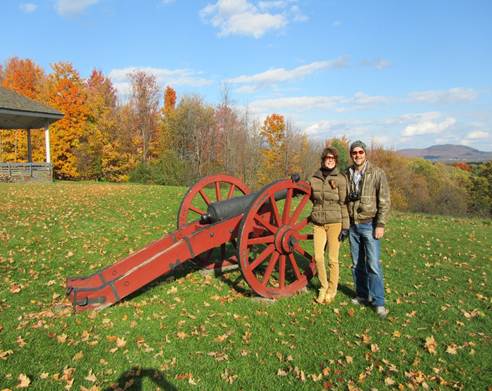
New York. I couldn’t abate watching the fleet parade along the Hudson or the fly overs above the Statue of Liberty, or pay very close attention to the historical narrative on the sacrifices our founders lived and died for, so we can celebrate today and tomorrow. What a juxtaposition between the insignificance of being sick and taking a bullet. The day of history and visuals had me looking up every founder, and significant document, dates, places and rendering the Saratoga Battlefield visit with Jx years ago.
“Site of the historic 1777 Battles of Saratoga, which represented the first significant victory for the rebels in the American Revolution. Today, the 3,200-acre park is a popular tourism and recreation site and a wildlife conservation area.”
I took myself out to dinner across the street at the Brigantine, folded into a room filled with chatting staff, guest’s conversation, and a panoramic view of the fairgrounds and Del Mar mountain tops. I sat in the center, unusual for me I usually cling to a wall, but this restaurant has become a sanctuary for socializing, or just being solo, either way I’ve never left disappointed.
“ You dropped this outside the bathroom,” a young shaggy blonde hair boy of twelve or thirteen handed it to me.
“Oh! Thank you so much, that is very thoughtful.’’ He shied, dropped his head in that way that makes adults wonder why we became so different, and left.
Then later on, as I was outside on the terrace enjoying the view of the fair, I noticed him and a woman next to me. We started to talk, I think she liked my necklace or my pants or something and I saw the little boy and I said is that your son? She said yes and I told her the story. She introduced me to her husband, the uncle, the children, the other children’s parents. And when she left, she hugged me. That kind of intervention makes the difference for a single person.
EVENING. After watching the DC extravaganza, I walked outdoors, to the corner, the street was back to back traffic, helicopters, neighbors’ standing on sidewalks and on our property, and I looked up at the start of a Del Mar Fairgrounds fireworks show that stopped me short.
I’ve written in the genre of Creative Nonfiction, integrating the events through dialogue, journal entries, and a third-person narrative. Within three locations, Santa Fe, New Mexico, Los Angeles, California, and Saratoga Springs, NY. Greta (me) exposes the mutilation gaslighting abuse inflicts on her emotions, psychology, mental and physical health, and her finances.
Overlapping Father’s Day is a mirage of life experiences tucked into memory prescriptions you take on a stormy day. A relic of my history rises and reminds me of the fear I once broke through.
It was 1983, and I was poised on a terrace overlooking the Pacific Ocean in Venice Beach. It was March, the month my father died, and I stared at the horizon at dusk, imagining my freedom taking flight. Where would I go? Without his presence in Los Angeles, and my sister, who had already moved to New York, I was terribly alone. The replacement came in summer flings, with men who had crossed my path; a photographer, a New Jersey computer technician with a brassy voice and Joe Pesci humor, and every few days, Kenny, a former boyfriend, dropped by to smoke his pipe of philosophy and blow long-winded ideas on where I should move.
“I really want to move to Canada,” I said.
“For what? To go ice-skating?” He said between puffs.
“I have family in Vancouver.”
“What family? You’re an orphan now.”
“I am not. I have cousins in Vancouver. My father’s nephews.”
“Oh, yeah. When was the last time you saw them?”
“When I was twelve.”
“Terrific! That’s a solid-ass plan. So what will you do in Canada?”
“Get a job in real estate.”
“Lue! Wake up. You can’t get work in Canada unless you’re a citizen. Forget that idea. You’re better off staying here; look where you are: Santa Monica, the beach at your feet. Are you crazy?”
“I don’t belong here any longer.”
“You don’t belong to anywhere; what you need is to stop trying to be a big shot like your father.”
“I am not!”
“When was the last time you left the country? When you were eighteen? Go to Rio, you’ll have the time of your life, or Italy, or Greece–it doesn’t matter. Just take the chance and see how you land on your feet. You’re a dreamer; it’s about time you made one of your dreams come true.”
In the next few weeks, I met with Larry, my boss, who was liquidating his real estate portfolio to retire at 45. Larry wasn’t just an investment visionary; he was passionate about social, political, medical, scientific, and human interests. He was a genius.
“You can stay here another year–I’ll find something for you to do, but you’ll be bored,” Larry told me.
“Larry, I don’t know where to go.” I wiped a tear. He ignored it.
“You have to get out of LA. You’ll never meet anyone here. You think you’ll be introduced to someone riding up and down the elevator in Century City. I’ve spent a lot of time in Del Mar and Rancho Santa Fe. They’re nice people. You have a chance there; go down, spend a few days, and tell me what you think. I’ll help you. Now, stop crying. “
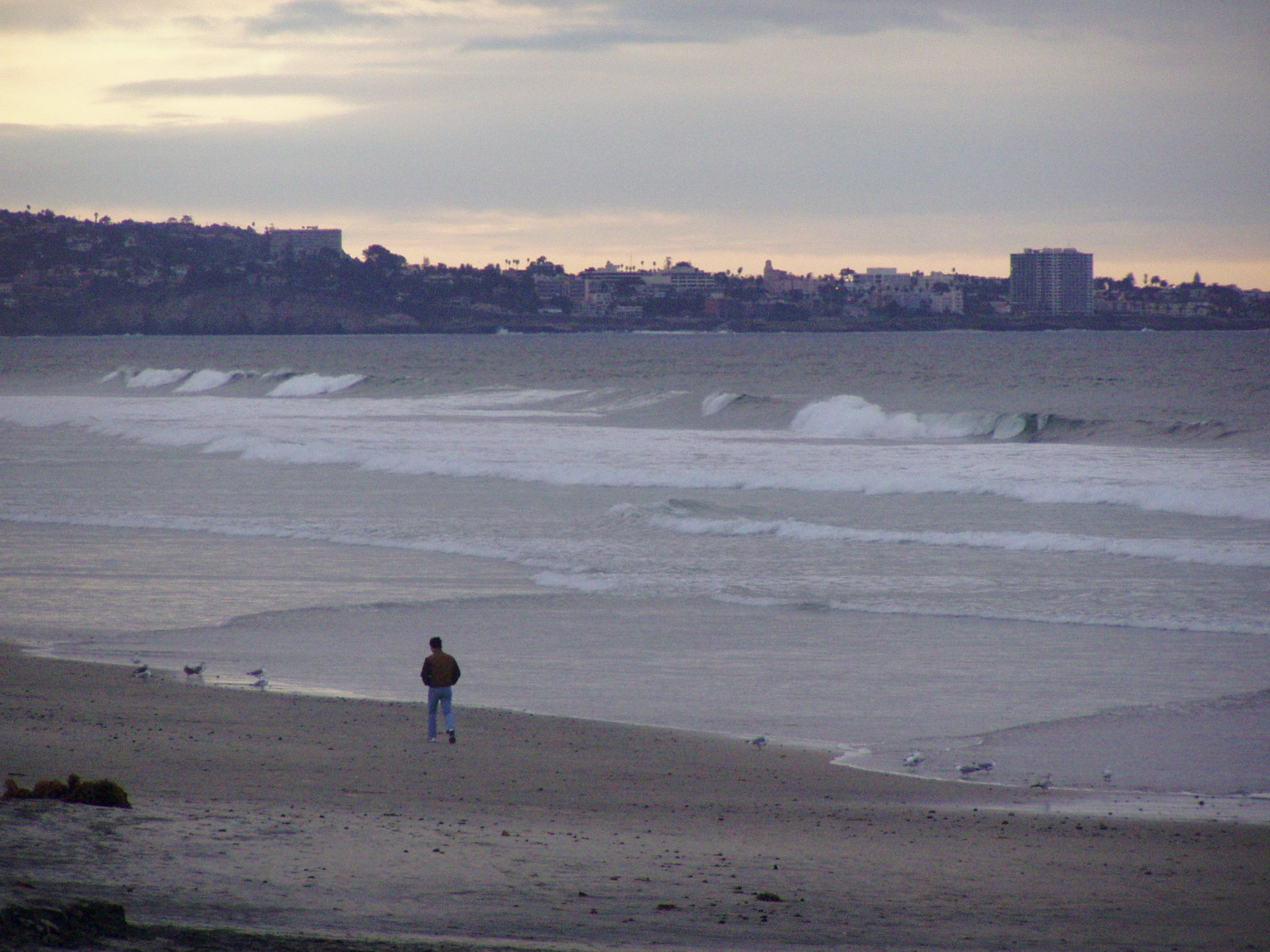
I drove down in Dad’s black El Dorado, and parked at Del Mar Beach right next to the lifeguard station at the Poseidon Restaurant. I opened my suitcase, took out a bathing suit, and went into the beach bathroom. The tile was wet and smelled of seaweed and salt. I walked barefoot down to the beach. It was early spring, and the sand was unmarked. A few surfers jogged past me, blonde and bronzed like the Beach Boys. I followed them down to the seashore. In every direction, there was this untouched canvas of light and color; even the beach houses retained their natural sandy simplicity.
After I swam in the ocean, I went back to the bathroom, changed into dry clothes, and walked into town. A man with a beard rode past me on a horse and waved. I picked up a Reader and read the rental advertisements on the patio of Carlos and Charlie’s, the corner café. A roommate advertisement caught my eye: “Roommate Wanted to Share large two-bedroom overlooking Torrey Pines Reserve.” I called, and a man who went by the name of Smokey answered the phone. He invited me to come by for a look. His voice was predominantly ranch-friendly, so I took a drive over. It did occur to me on the drive that I was taking that chance Ken was blowing in my ear, and I was listening to Larry, who told me that people in San Diego were different.
“Hi, I’m Smokey. Come in—would you like something to drink? Too early for cocktails, unless you want one.”
“No thanks. How long have you lived here?”
OLYMPUS DIGITAL CAMERA
His eyes were animal-alert, his face tanned, and his hair cut short but made to look long. His smile was unfiltered with hidden motives, and he was bull-legged.
”I moved from Pittsburgh; I’ll never go back except to see my folks. This is paradise. Don’t you think? I’ve lived here for two years. I rent out one room, because I hate full-time work. I’m more entrepreneurial. You don’t have to worry about my motives. I have a girlfriend, and I’m in love with her. She doesn’t stay here. I go to her house. You’ll have your space, and if you need a friend, I’m here. Come out on the balcony.”
I followed Smokey, and we stood on the terrace overlooking the lagoon and marshlands of the reserve. To the west, the ocean and the stump of Torrey Pines Mountain.
“Wait till sunset; you’ll never want to leave. Come look at your room. I can help you move if you want.”
The room was downstairs, his upstairs, and a stairway of trust in between.
I’ve written in the genre of Creative Nonfiction, integrating the events through dialogue, journal entries, and a third-person narrative. Within three locations, Santa Fe, New Mexico, Los Angeles, California, and Saratoga Springs, NY. Greta (me) exposes the mutilation gaslighting abuse inflicts on her emotions, psychology, mental and physical health, and her finances.
A momentary connection occurred to me last night after watching, “There Will Be Blood” about drilling for oil. The oil derrick is the outline, or the notes scribbled in a journal. Then the pipes are set in place, like words in a sentence, then paragraphs. Our characters come into view some muscular and brazen like the drillers, welders, rig workers and mud loggers. Once those elements are configured in the oil field or in sensory perception the story begins. The paragraphs build into pages and the pages build a story.
The writer digs for substance for soulful spiritual contemplation and he builds on it. Sometimes it comes like a gush of oil. Other times it bubbles at the surface and goes nowhere. When the bubbles recede, we move on to another location internally and externally and we begin to dig for a new well story.
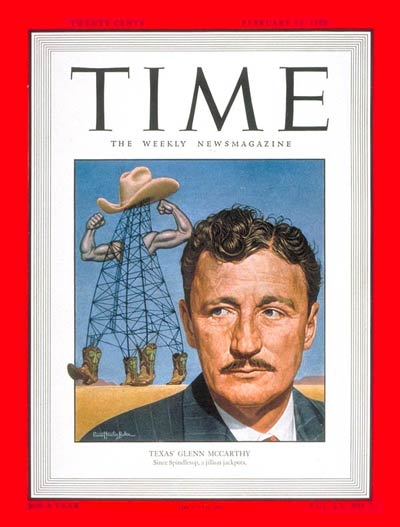
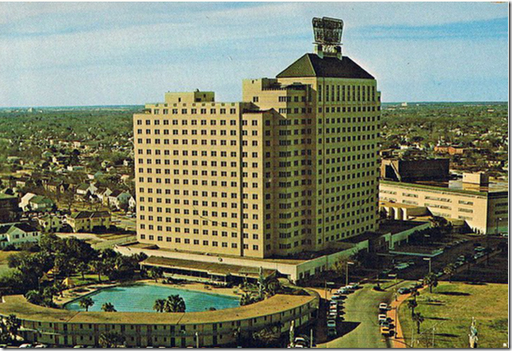
These ruminations came to me after watching the film, especially poignant to me as my father at the age of fifty left a life of gambling and mafia assorted activities and learned to be an oil producer. He was introduced to Howard Hughes through Meyer Lansky and Frank Costello and Howard introduced Dad to a wildcatter in Houston named Lenoir Josey. My mother and father moved to Houston from Los Angeles in 1949 and into the Shamrock Hotel, that being the hotel used in the film Giant, and Edna Ferber’s book, about Glenn McCarthy, played brilliantly by James Dean. He built the Shamrock, and it opened on St Patrick’s Day 1949 (the pool was so large you could water ski across) Glenn became close friends with my father. I met him once in Los Angeles at a lunch with Dad. He was broken, by his loss of fortune. and friends. I recall a face withered by disappointments.
Josey as my father referred to him took my father under his wing and tutored him in the business of oil engineering and oil production It was a gamble and my father a life long gambler on everything loved being in the oil business. I didn’t intend to wave my father’s story into this but intentions in writing as many things in life surprise us.
If J. Edgar Hoover hadn’t refused my father’s request to reside in Houston to continue the oil business I would have been born in Texas. My father was forced to move back to Los Angeles and as Hoover predicted he went back to gambling. During his time with Josey, he amassed twelve oil leases in states across the Southwest and Midwest and when he died that part of his life was handed down to his children in royalty leasehold interests. That was when oil was $17 a barrel. But Josey had passed and his son no longer honored the handshake agreement between his father and mine and forced us to sell our leasehold interests for a shameful amount.
I’ve written in the genre of Creative Nonfiction, integrating the events through dialogue, journal entries, and a third-person narrative. Within three locations, Santa Fe, New Mexico, Los Angeles, California, and Saratoga Springs, NY. Greta (me) exposes the mutilation gaslighting abuse inflicts on her emotions, psychology, mental and physical health, and her finances.
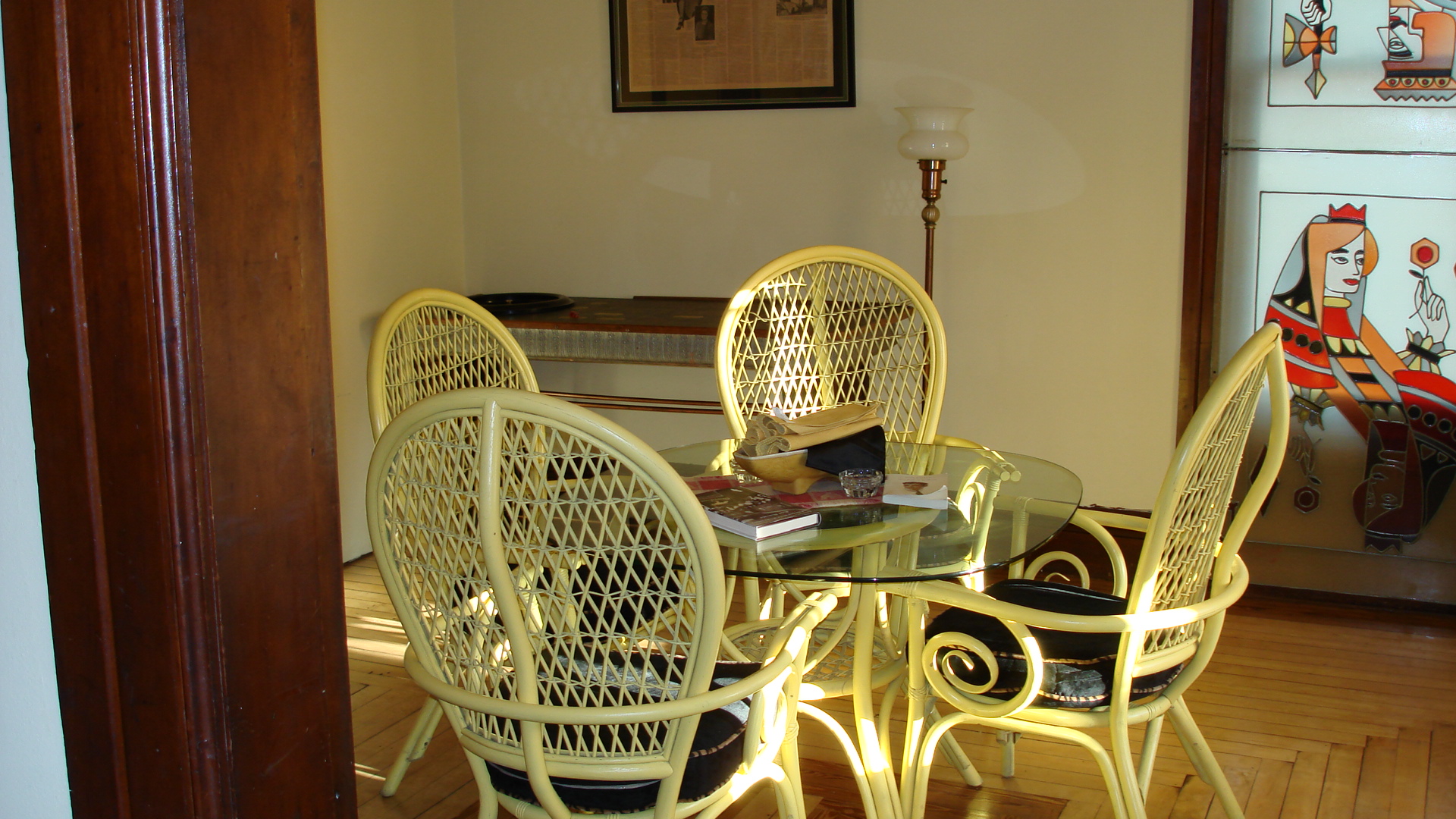
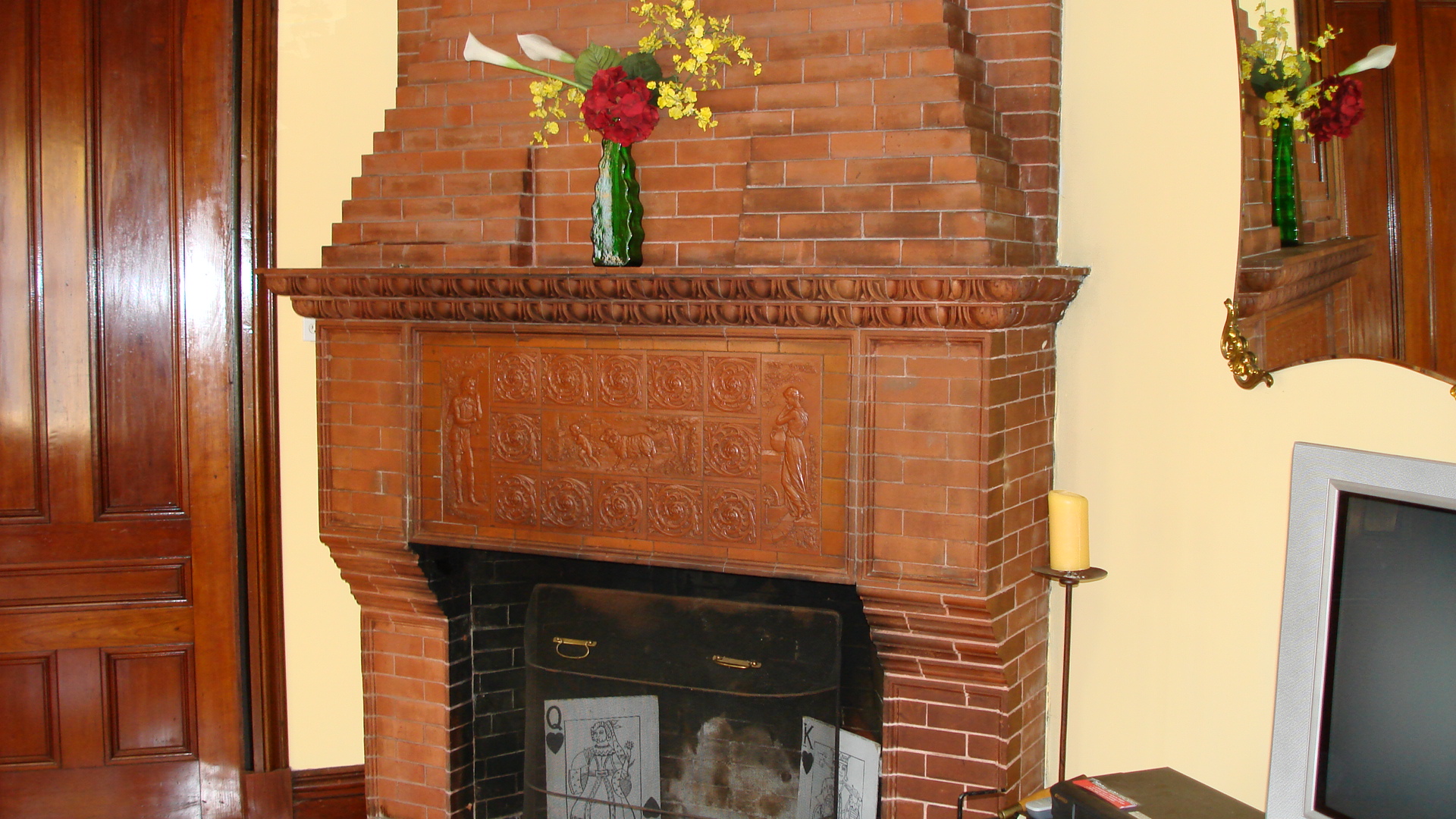
Every morning I rise at dawn to sit in the parlor. Here I watch the sunlight illuminate the, “Cat on a Hot Tin Roof” movie board in the hearth, and drink a cup of coffee in silence. I feel at home. These are the most precious moments of the day, the moment of peace before throwing the dice.
I can see out the window to the street, and this morning a handful of eggplant leaves on the tree next door have been autumnized to a transparent sheen of bronzed gold. The silence following summer has descended down over the rooftops of the people that live on East High Avenue. The sky is seared with streaks of white, and bubblegum pink clouds drift just above the rising of the sun. The moment is a peaceful stroke to a summer that has been indeterminate, chancy and without design. We came here with the intention to sell the house, and we leave without any such idea.
In the moments SC awakes, I hear his footsteps on the creaking wood floor. I close the journal and go in the kitchen to make buttermilk pancakes. When we are in Solana Beach, we eat bran muffins, usually in short order, between telephone calls, and conversations about things that it is too early to discuss. These mornings he lingers on the porch and reads the paper, because he has the time. If my body is willing, I will run down to the stream by Kelly Park, and look for the blue heron. Along the way, I pass by the quiet man with the three beagles, and a mother walking with her children to the bus stop. I will pass the funeral parlor and look the other way, and when I see the Federal Express Truck, he will wave because he knows I am the woman that receives mail addressed to Soaring Crow.
The front porches I pass are the opening pages to the home stories of people inside. If there are children, the remains of their toys will be scattered about. If they are elderly, they will leave their gardening shoes by the back door, and if they are a young couple, they will be in the midst of home repairs, a roof that needs fixing or a new coat of paint. I have observed just one campaign poster board in the neighborhood. It seems to have gone out of style to post your politics on your car or in front of your house. In the front yard of one home, a banner is pitched in the ground that reads, “Remember our Troops.” I have not asked, but it is probable they have a son serving in Iraq. The hanging flower planters have been replaced with mums and corn stalks. Some scatter straw on the lawn. I used to giggle at this September tradition, now I am almost giddy about arranging my seasonal display in the yard.
The run back through town takes me by the high school, a brawny brick building that looks like the setting for a chapter from “Catcher in the Rye.” A teacher passes by, dressed in a conservative suit and pumps, and smiles. She looks wholesome as apple pie, and I wonder if I ever looked like that. On chilly mornings, the fireplaces may be smoking, a scent as perfect as my favorite perfume. Our own fireplace is inoperable until we reline the chimney, which explains why the movie poster is in the fireplace.
By 8:00 a.m. the yellow school buses are chugging up the street and the children, gathered at our corner; bob up and down in innocent bursts of energy celebrating the beginning of a new day. I arrive home about this time, and stop to watch the quaintness of the moment. The habitat of these surroundings strips me bare of my Hollywood entertainment, Southern California roots. I am nourished by quaint tradition and scenery, and that is one answer to this mystery I call home.
I eat cider donuts when I want and instead of working out three or four times a week, I take long walks, past the Sunny Side farms to see the young foals and mothers in the corral. I dress in style-less shoes and pants, whenever I feel like it, without fashion consciousness. I do not watch the television and prefer to go to bed early and read Carson McCullers novels. If I wake up in the middle of the night, I can sit on the porch and look at the hands of a storm forming in the sky.
People come to my house without notice, and sometimes just walk in and yell my name. My favorite Broadway hangout knows who I am, what kind of wine I like and that we like to sit on the patio. Sometimes I meet strangers who have heard of the Follies House, and I feel a twinge of acknowledgment.
It does not matter what everyone else calls home, it is simply the feeling of peace, security, and acceptance. That is how you know you are home.
I’ve written in the genre of Creative Nonfiction, integrating the events through dialogue, journal entries, and a third-person narrative. Within three locations, Santa Fe, New Mexico, Los Angeles, California, and Saratoga Springs, NY. Greta (me) exposes the mutilation gaslighting abuse inflicts on her emotions, psychology, mental and physical health, and her finances.
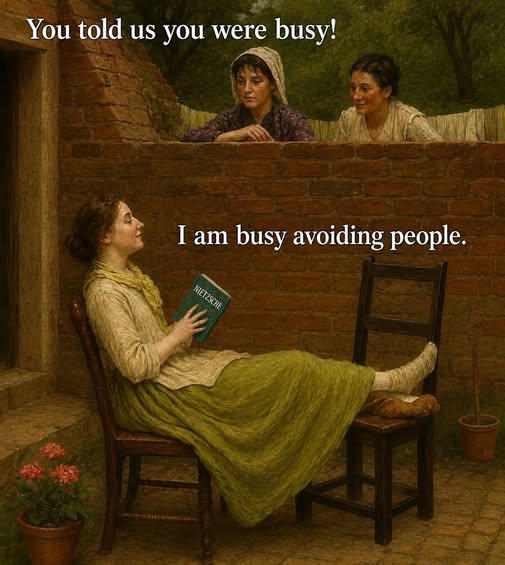
FEEL, THINK, AND REACT. Tumbling through all the transitory advice forces me to examine more closely whom to believe. I’ve never been a leader, nor a follower, I walk in between, trying to pave a pathway to peace of mind. Maybe that is unattainable as I am in a cultural, political, medical, financial, and socially reimagined world. It reminds me of being a teenager when life was questionable, and confusion was like a stinging bee we couldn’t swap away. So, in my senior year in high school I started writing in a notepad. Gradually, almost supernaturally I withdrew from my gang, and spent the weekends in a Cafe with adults, or in the library. The loner label pleated my pants.
Loners were portrayed in film, books, and art as mysterious, untouchable icons. They even became romanticized as people of superior cerebral awareness. I’ve met and gained friendships with several over the last few decades. It may be that loners have thin skin, they absorb the ethereal and reality, so in many situations the absorption is too weighty and the loner cuts loose before the party is over, cancels at the last minute, and doesn’t answer the phone. Talking, engaging, evaporating into another person feelsherculean for me sometimes.
Does isolation relate to the intensification of rancorous physical assaults in streets and shops, which is my pestering pursuit today. Are all these perpetrators unloving, and live amongst the unloved? People are shot because their hamburger wasn’t properly served on time, or they have a different opinion. I was living in Los Angeles in 2018, and one day driving down Pico Blvd I noticed a sign, “Walk in Anger Management.” Maybe we need to convert a few drive-thru food diners to Anger Management centers. It sounds amusing. If I was financially able, I’d open one in every major city.
WHAT HAS HAPPENED TO THIS CULTURE is unimaginable for a woman who grew up in the Love and Peace generation, or even into the eighties and nineties. We didn’t shoot one another, maybe a fist fight, or a shouting match, but not murder in cold blood.Could this macabre movement be abated by friends who love you more when you are gentle and kind? It cannot be that simple, or could it? When I used to rage about some occurrence that tattered me personally, Dodger would come to me and say,
‘Greta put your guns down,’ that always made me laugh, and then we’d talk out what triggered my fury.
THE COMFORT OF EXHIBITINGlife on paper. It is not the act of writing with pen and paper moving along at a steady rhythm; it’s the activation of the heart and mind, collaborating to unravel the relevant from the irrelevant. To reach this state of matrimony, a writer doesn’t need a Tuscan Villa or an English Castle, but experiences that flake off the skin and shake out relevance. What I’ve rediscovered is that without a lot of stuff to organize, the mind is free to think, more time to create and effect essential decisions. Narcissism is sacrificed and replaced with more visceral makeup. Minimalist living has erased my past, and that is as transforming as day to night.
PUZZLE OF SOLITUDE will always be a puzzle because our lives, solo or mated, are puzzled by too much solitude, or not enough. There is an inner exploration happening, unfolding like spreading new sheets on my bed, that solitude has befriended me all my life, in the best of times and the tedious. I have to find the frolic and follies in the world that I created. I have to laugh alone, so I watch screwball comedies, seek humor in my irregularities; wearing a sweater inside out, pouring coffee into a wine glass for a cocktail, and chuckling when I keep forgetting where I left my phone. Laughing at myself is a funnel that leads to writing.
I’ve written in the genre of Creative Nonfiction, integrating the events through dialogue, journal entries, and a third-person narrative. Within three locations, Santa Fe, New Mexico, Los Angeles, California, and Saratoga Springs, NY. Greta (me) exposes the mutilation gaslighting abuse inflicts on her emotions, psychology, mental and physical health, and her finances.
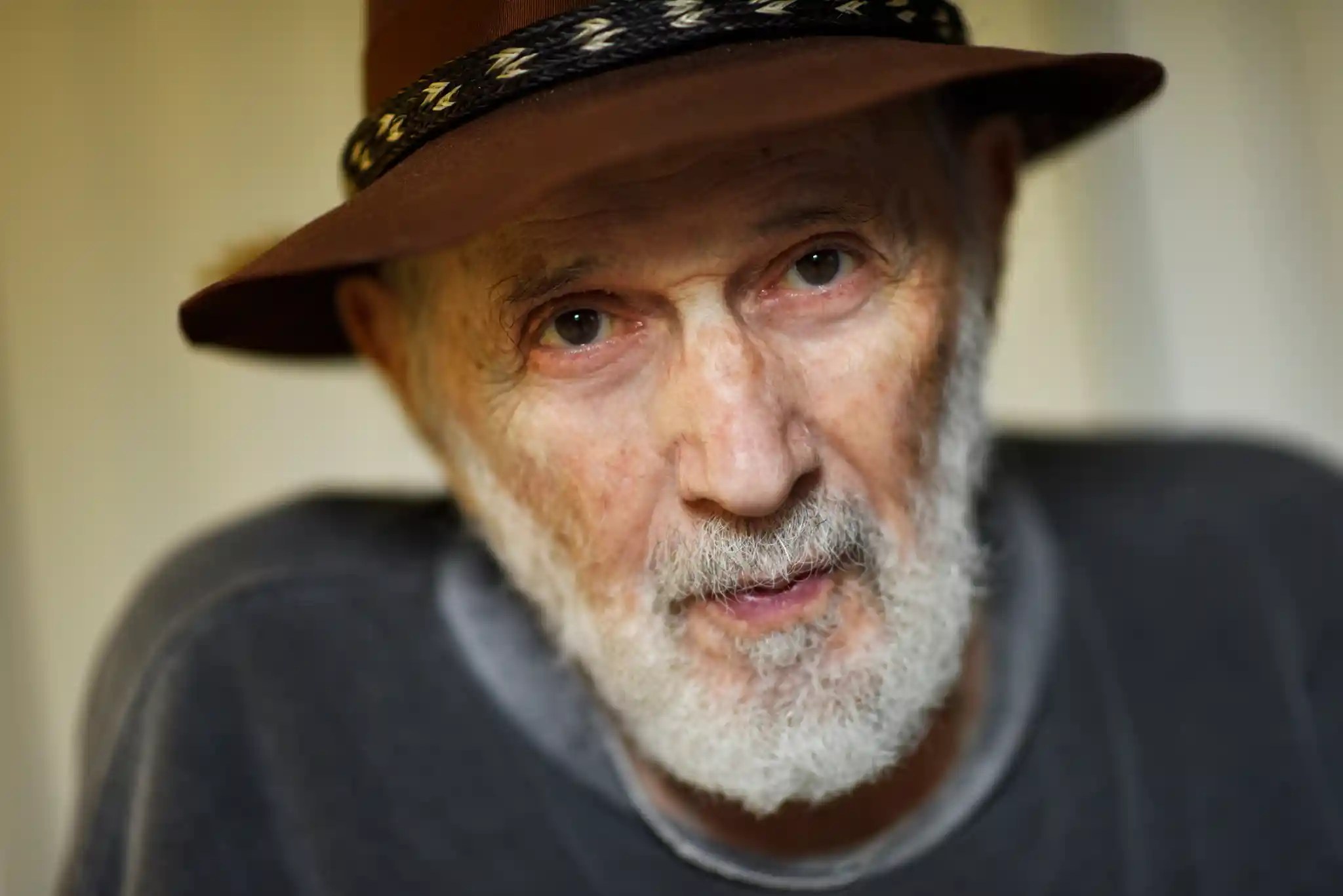
My pal since 2007 when I asked him to exhibit in my gallery. He advises, humors, and inspires me on every phone call. Today he is still exhibiting his photographs worldwide.Photographer and filmmaker Jerry Schatzberg, almost 99 years old, looks back at Edie Sedgwick in a new show at the Ki SmithGallery.
I’ve written in the genre of Creative Nonfiction, integrating the events through dialogue, journal entries, and a third-person narrative. Within three locations, Santa Fe, New Mexico, Los Angeles, California, and Saratoga Springs, NY. Greta (me) exposes the mutilation gaslighting abuse inflicts on her emotions, psychology, mental and physical health, and her finances.