Luellen Smiley is a creative nonfiction writer, author, columnist, and historian whose writing is deeply rooted in a controversial personal history. She is the daughter of Allen Smiley, a close friend, associate, and business partner of notorious Las Vegas gangster Benjamin “Bugsy” Siegel. Her father was sitting only feet from Siegel when Siegel was murdered in Beverly Hills on June 20, 1947.
That extraordinary childhood history became the foundation for Smiley’s first book, Cradle of Crime: A Daughter’s Tribute, published in 2017. The memoir explores what it was like to grow up as the daughter of a man connected to organized crime while trying to reconcile her love for her father with the secrecy, fear, and criminal world surrounding him.
Smiley’s work has appeared in publications including the New York Post, MORE Magazine, Southern California newspapers, and Authorlink. She wrote the newspaper column Smiley’s Dice—Adventures in Livingness, which earned a Blue-Ribbon Award from the California Newspapers Association for her Growing Up With Gangsters columns.
Her interest in her father’s history also led her to become a researcher and commentator on organized crime history. She has participated in television, radio, and documentary interviews.
Smiley’s next book, Gaslighting Greta, will be published this year. A personal story that reads like fiction. Her own website describes the project as exploring a woman whose life is destabilized by gaslighting and psychological manipulation.
Her writing career reflects a recurring theme: using personal experience and research to uncover the truth behind complicated relationships and extraordinary lives. From the secretive world surrounding her father and Bugsy Siegel to the deeply personal territory of Gaslighting Greta, Smiley’s work transforms difficult experiences into stories of survival, discovery, and ultimately reclaiming one’s voice.
Luellen Smiley is an author whose life has given her an unusual perspective on secrecy, manipulation, family loyalty, betrayal, and survival—and she uses that perspective as the raw material for her nonfiction storytelling.
ADVENTURES IN LIVINGNESS FALLS ON. An unusual time to be writing at four in the afternoon. The clouds drew me up to my writing desk, where layers of clouds forms teased me into believing it wasn’t hot and humid outside. I decided to write the column.
I knew I shouldn’t write on my laptop because it is deconstructing. I can’t part with this laptop until I outline my next book. The sky drew me to the desk, and so I worked around internet outages.
I only had a few paragraphs from the afternoon, and when I returned to the column after dinner, the whole piece took another course, and I was writing not what I intended, but it was like sailing on a perfect course. It was writing without the editor, meaning the inner editor that sometimes swoops down and cuts your nails off. I was writing about many things that happened. When I finished, I went to save the document and the laptop responded negatively. It vanished. I thought about trying to recapture the column, trying to reinvent the stream of consciousness that seemed to be marathoning through my soul.
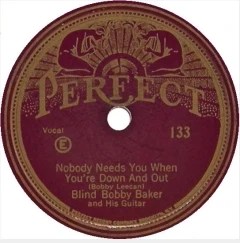
There were so many voices speaking all at once. I had to figure out how to connect the moment the leaves reminded me of Saratoga Springs, and how we must place our print on the tablet, on the screen, and dismiss the reader who judges where writing takes us. Sometimes, a reader knows me from the halcyon days, when my light was neon and my spirit a flame. They don’t want to see me now, draped in muted gray and hardship hardened. “Nobody loves you when you’re down and out.” Jimmy Cox
I’ve written in the genre of Creative Nonfiction, integrating the events through dialogue, journal entries, and a third-person narrative. Within three locations, Santa Fe, New Mexico, Los Angeles, California, and Saratoga Springs, NY. Greta (me) exposes the mutilation gaslighting abuse inflicts on her emotions, psychology, mental and physical health, and her finances.
I posted a column on Sunday, The Mind Hike. When I checked my stats, it was rising like a new sun, and hit a record-breaking 127 views! That has not happened since I published my book in 2017. I did not optimize the column or take any steps to increase readership. Today it is up to 126. Whomever you are, thank you so very much for reading my columns.
I’ve written in the genre of Creative Nonfiction, integrating the events through dialogue, journal entries, and a third-person narrative. Within three locations, Santa Fe, New Mexico, Los Angeles, California, and Saratoga Springs, NY. Greta (me) exposes the mutilation gaslighting abuse inflicts on her emotions, psychology, mental and physical health, and her finances.
ADVENTURES IN LIVINGNESS IS ON A HIKE. Not the physical kind that was once a weekly episode in New Mexico, these days I hike in my head, it’s as wobbly, uneven, rocky, and dangerous as a hike down the Gorge in Taos, NM.
The path I’m hiking is set off by relocation, once the house sells, which is on the fingernail of being sold. Each morning as I wake to my dreamy bedroom, I am deranged by the thought of leaving twenty-five hundred square feet of Victorian victorious comfort.I will be downsizing to a six-hundred-square-foot studio. I used to love studios, but this house has drained that love, and now reality is staring me in the face, a word I despise as an admitted non-realist and dreamer. The path that follows this is where I am relocating to? Relocation is a trend, according to some minor research. Boomers move closer to their children. If you don’t have children or a partner to bring out the compass and use a methodical ruler to figure this equation out, it comes down to finance. That’s the ticker that keeps bringing me back to reality. I should not have left Del Mar, CA. Have you ever said that? It’s the inkblot on decisions when I thought everything I did would work out until it didn’t. And I’d turn the steering wheel back to where I belong. I do not belong here, and that’s not because of aversion or harsh judgment. It’s a marvel if you like three courses of simple conversation, activity, and entertainment. The weather and I do not get along, the summer is sticky, humid, and last week we were in double digits, one hundred. I spent a few days next to a non-effective window air conditioner with an ice washcloth on my head. In the winter, I’m in battle gear with four sweaters and shawls and all of that, not to mention the ice and snow that kept me frosty for months. You can take a girl out of Southern California, but she’ll come back.
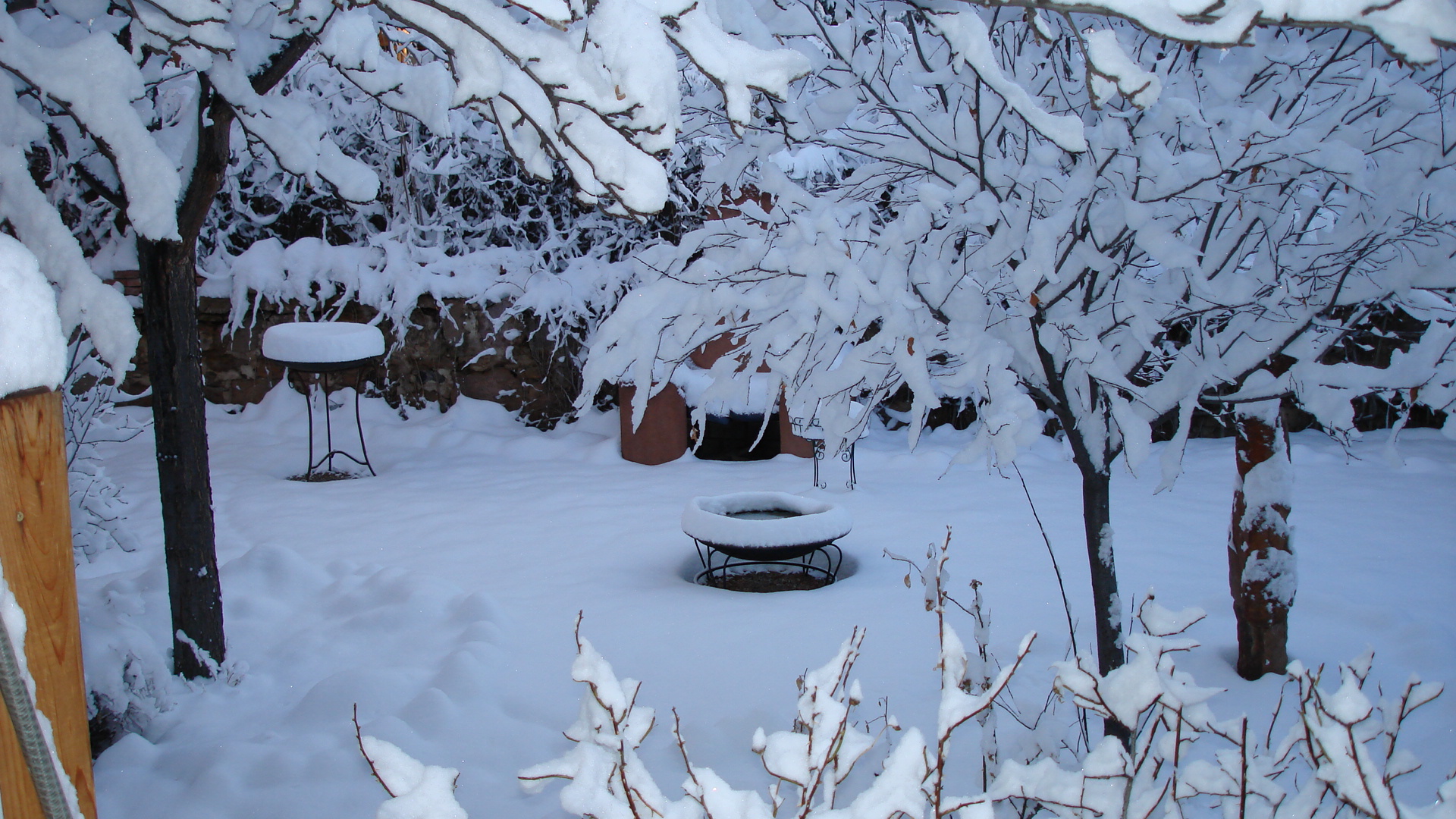
OLYMPUS DIGITAL CAMERA
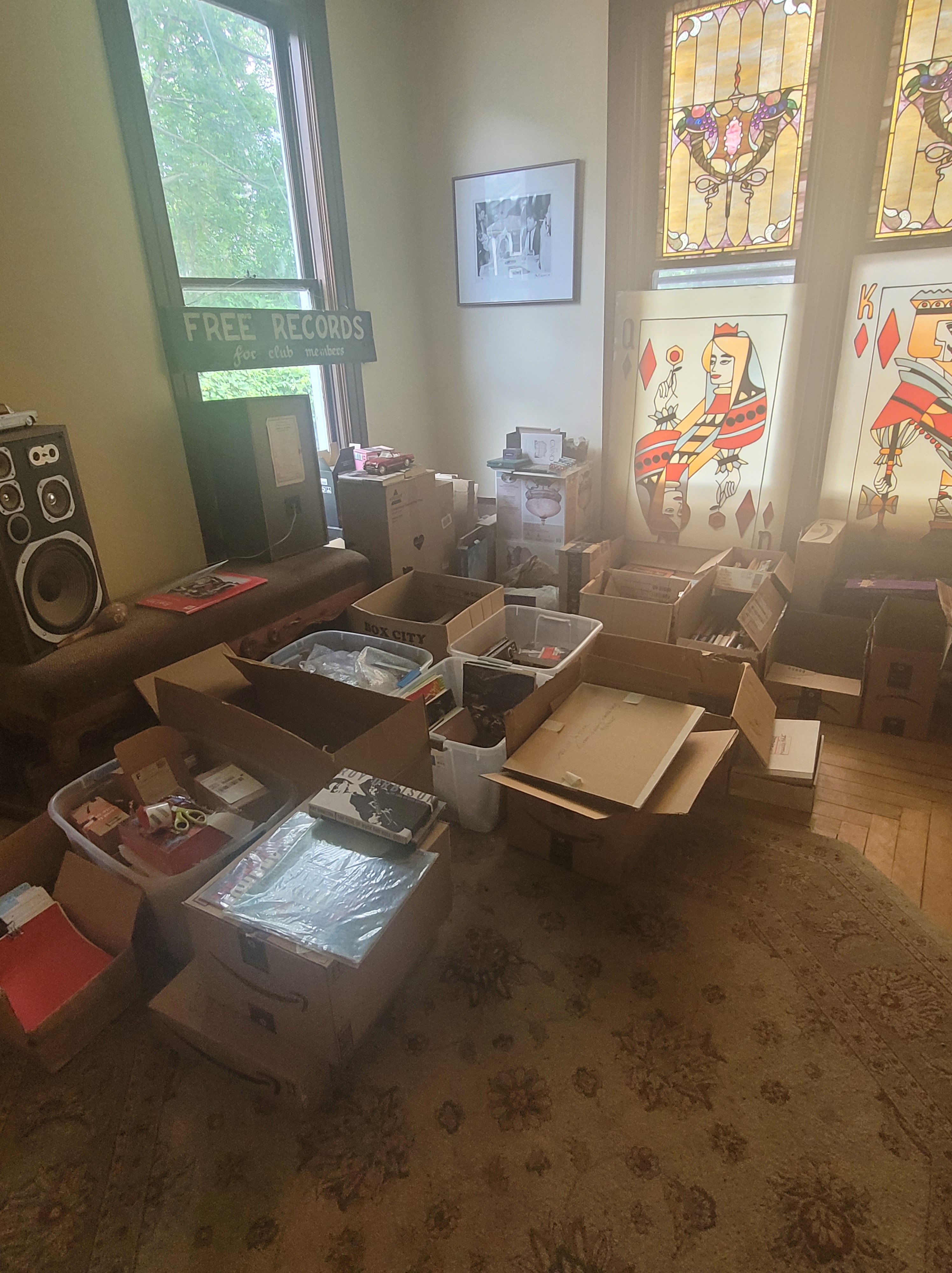
Borrowing from a post on FB, you spend the first thirty years of your life gathering possessions, and the next thirty years eliminating. I’m eliminating, sort of, I cruise by my ten boxes of books, and every day it’s on the list to tape them closed. Then there are all the antique figurines, gambling paraphernalia, décor from the vacation rental days, and I think at last count, fifty hanging prints. I don’t need to measure anything, this will not fit in a studio. Plus, I still have a storage unit in Santa Fe, filled with items I cannot remember. Is there such a thing as relocation therapy?
I’ve written in the genre of Creative Nonfiction, integrating the events through dialogue, journal entries, and a third-person narrative. Within three locations, Santa Fe, New Mexico, Los Angeles, California, and Saratoga Springs, NY. Greta (me) exposes the mutilation gaslighting abuse inflicts on her emotions, psychology, mental and physical health, and her finances.
Writing somberly is parallel to writer’s block. It’s not a block, really, more like a resistance to engaging feelings. If I place all the options on a puzzle board, this leads to the center. A fractured life impacts emotional posture and is not unlike physical posture. We slump or stand tall. We love instead of neutralizing, we are inspired instead of stagnant, we romance our passions, and we live to love. My heart is at the starting gate to love again, but the racetrack is missing. I’m undercover! I watch Blacklist or some foreign film in the evening. Most weekdays, I’m circulating between finance, selling furnishings online, shoveling snow, and researching acronyms because the news uses them so often.
The vortex of discontent is a punctured life.The windows of my home reflect the splendor of nature that plays all day long in the winter. I’m spending more time watching sky stage plays: clouds still, clouds moving, colliding, changing colors, sculpted into aberrations of animals and faces, than cognitive thinking. My collection of records and CDs accompanies the scenery. When I’m sorrowful, I listen to Ennio Morricone; when I need a lift, Vivaldi, Sundays it is Turandot or some other Opera. When I’m a go-go girl, Swing, Salsa, or The Stones, when I feel alone, Sarah Vaughn, Nancy Wilson, and Etta James, for writing inspiration Bob Dylan, Leonard Cohen, and Annie Lenox.
I don’t see any remedy commercials for a fractured heart. By tomorrow, the despair could vanish, like the rain that puddled us for the last two weeks.Everything I’ve experienced is good in the beginning. So, to begin, I will listen to Begin the Beguine.
“Begin the Beguine” is a popular song written by Cole Porter. Porter composed the song between Kalabahi, Indonesia, and Fiji during a 1935 Pacific cruise aboard Cunard’s ocean liner Franconia. In October 1935, it was introduced by June Knight in the Broadway musical Jubilee, produced at the Imperial Theater.
Henry miller writes in his book, “ Henry Miller on Writing” “Whoever greatly suffers must be, I suppose a sublime combination of a sadist and masochist.’ I suppose that a few of my friends have aligned me as such, and now that I write this, as in all writing, answers blink at you, and then the soul receives them like a wafer of wonder.Perhaps I am, but where that evolved and manifested, I have no time to think about it because the sun is out. I must sit in my newly designed sunroom, a small book library alcove that receives the sun at noon. When I returned with my phone to snap a photograph, the sundisappeared like a footprint in the sky. Every moment needs attention. It’s twenty degrees outdoors. I am modestly adjusted and receive a thousand weekly warnings to get a flu shot. My doctor has tried persuading me to get a flu shot for three years. I responded that I’d never had the flu and that my last cold was in 2012. He chuckled and asked the next question.
I’ve written in the genre of Creative Nonfiction, integrating the events through dialogue, journal entries, and a third-person narrative. Within three locations, Santa Fe, New Mexico, Los Angeles, California, and Saratoga Springs, NY. Greta (me) exposes the mutilation gaslighting abuse inflicts on her emotions, psychology, mental and physical health, and her finances.
In one of my books on writing, I read that most writers face the demon in the middle of the novel. The beginning is a gallop, and the end is a relief, but the middle wiggles in and out of your grasp. The middle of our lives reflects this same obscurity.
The middle of a life span reflects all we have accomplished and all we have left incomplete. This is what they call a mid-life crisis. I get it every year. I’ve finally accepted that my constant relocation, reinventing, and restlessness will not be solved. At the bottom of the restlessness is the fear of finding rest more enjoyable than movement. This flotation of comedy rotated around me last night while I stoodout on the porch observing the peacefulness. The scenery of this street is a comforting, historical beauty that comes from the harmony of architecture and nature. The flow of villagers downtown is along two main two-lane streets; all the shops, services, and restaurants are a patchwork, and all the business owners know each other.
I chose Sunday to shut down all communication with the mainland, take the longest bath I can stand, and write. I need a rest, like a chaise lounge on a spacious veranda with honeysuckle, wisteria, and lavender. If you are an artist, the limit is not the sky; it’s everywhere. Nature’s artistry is a full-time exhibition in the Northeast. The view now is of tumbling clouds rolling over; they move slowly, like dough, across the road, while squirrels dart about. Outdoors is where we see the best of life.
I’ve written in the genre of Creative Nonfiction, integrating the events through dialogue, journal entries, and a third-person narrative. Within three locations, Santa Fe, New Mexico, Los Angeles, California, and Saratoga Springs, NY. Greta (me) exposes the mutilation gaslighting abuse inflicts on her emotions, psychology, mental and physical health, and her finances.
A candid and enthralling memoir, CRADLE OF CRIME – A Daughter’s Tribute is the debut release from Luellen Smiley and it proves one of the most gripping and powerful books in its genre. Certainly no mean feat, given the swelling number of similarly themed offerings but Smiley does well to distinguish hers with painstaking research, a broad narrative sweep and intellectual grip to deliver a fascinating and revealing read, for the events it covers.
The storytelling isn’t redemptive with much of the most compelling material in this book being intensely personal but it is a very human story that dispels hype and myth and gives us a telling glimpse of a remarkable life. Weaving together several stories it makes a vivid and notable contribution to the mafia debate which invariably swings between the codes of honor and family values so often portrayed on the silver screen to a brutal criminal organization focused only on the accumulation of wealth. In contrast, Luellen finds a far more equitable balance in her reflections, and it makes for a genuinepage-turner.
Extremely well written, fans of this ever popular genre will find CRADLE OF CRIME – A Daughter’s Tribute a fascinating read and it is recommended without reservation.
I’ve written in the genre of Creative Nonfiction, integrating the events through dialogue, journal entries, and a third-person narrative. Within three locations, Santa Fe, New Mexico, Los Angeles, California, and Saratoga Springs, NY. Greta (me) exposes the mutilation gaslighting abuse inflicts on her emotions, psychology, mental and physical health, and her finances.
MOTHER’S DAY REMEMBRANCE
MY BEST FRIEND, Lucille Casey was a woman who threw the dice all her life. She gambled on her instincts as if they were already tested and approved. She never told me much about herself. When I learned of her struggles as a young woman and her chosen life, she became more real than when I’d known her. During the years we were friends, she handed out selected stories, abbreviated and censored. Being the inquisitive character I am, the shallowness of her stories bated me. I had to pry the truth out from other people who had known her.
Casey’s first gamble was at sixteen years old. She sent in a photograph of herself for the Redbook Magazine modeling contest. If she’d won, the Powers Modeling Agency in New York City would grant her an audition as a model. Casey was living in East Orange, New Jersey with her mother and sister. Her father had died suddenly, leaving the family without a financier. Casey’s mother was lost without her husband and unsuited to join the workplace. Casey didn’t tell her mother about the contest until she received the letter of congratulations.
John Robert Powers met Casey in his office on East 56th Street and signed her as a Powers Girl. She was stunning to look at, photographed like a movie star, and was modest. John Powers did not look for aggressive, pouty-lipped fearlessness. The PowersGirls were captioned “Long Stemmed American Beauties” because they were wholesome, beautiful, tasteful, courteous, and virtuous. They were so far from the runway models of today that it is almost a reversal of the industry.
The models of the thirties were ordained to set the highest example of classic good breeding and education. John not only schooled them in fashion, and individual taste, he instructed them in moral integrity, independence, and community service. Casey went to school at John Robert Powers and became one of the top ten models in New York.
She was a blue-black-haired Irish beauty, with emerald green eyes and perfect teeth. She stood only 5’ 7″ in those days that was fairly standard. When I knew her, she was still thin and beautiful but she did not fuss about herself or spend a lot of time at her vanity. As a Powers model, Casey had a long line of gentlemen callers. Powers Girls were invited to all the nightclub and dinner show openings, sporting events, community galas, and fund-raisers. Social engagements were part of her job. Casey was not a woman of idle chat, in fact, a lot of people thought of her as restrained and unfriendly, maybe even snobbish. I think it was more secrecy. People were always prying into her life because it looked glamorous. There was another side to that glamour she didn’t want to put in the mirror.
One evening Casey had a dancing engagement at the Copacabana nightclub in New York City. She was on stage with some other dancers when a certain gentleman noticed her. The next chapter of Casey’s life began that night. At twenty-two years old, she fell in love with a man thirteen years older, of the Jewish faith, who lived in Hollywood. The consequences of her love forced her to change and adapt to a new lifestyle and different people.
She did not bury or rescind her love after she learned he was Bugsy Siegel’s partner and best friend and that Allen was a part of the Jewish Mafia. She asked him to reform his criminal activities. He agreed, provided she would marry him. We all know at twenty-two a woman believes she can change a man, and a man lets her think she can. Without that dream, many lovers would not have found their mates.
Casey did marry her love and spent her life trying to keep her children from harm and Allen from going to prison. I met her husband just after he tried to reform, and was beaten down by the FBI. I called him Daddy.
I’ve written in the genre of Creative Nonfiction, integrating the events through dialogue, journal entries, and a third-person narrative. Within three locations, Santa Fe, New Mexico, Los Angeles, California, and Saratoga Springs, NY. Greta (me) exposes the mutilation gaslighting abuse inflicts on her emotions, psychology, mental and physical health, and her finances.
I was walking the streets, and the descriptive details had since evaporated. I mentally pluck myself out of this moment and open the shades to thought and memory, where all writers meet on some psychic level, the place of imagination and creation, an abnormality of reality.
A passage from Anais Nin’s diary says, “Be careful not to enter the world with any need to seduce, charm, conquer what you do not want, only for the sake of approval. This is what causes the frozen moment before people and cuts all naturalness and trust. The real wonders of life lie in the depths. Exploring the depths for truth is the real wonder which the child and the artist know: magic and power lie in truth.”
I’ve written in the genre of Creative Nonfiction, integrating the events through dialogue, journal entries, and a third-person narrative. Within three locations, Santa Fe, New Mexico, Los Angeles, California, and Saratoga Springs, NY. Greta (me) exposes the mutilation gaslighting abuse inflicts on her emotions, psychology, mental and physical health, and her finances.
I ‘m thinking about Loren, one of the most original characters in my life. He developed a vernacular unlike anyone I’ve met. It came from growing up in the hood of Santa Fe, New Mexico. Later exclusive Wilshire Boulevard in Westwood, and then returning to Santa Fe. Joined the upper class clientele as a chauffeur. His vernacular was impressive as it collated honesty, and a wit sharp as a razors edge. Loren visits three times a week at least. Snow means silence and hermitizing. I can’t wait to open the door to Luxury Limo Loren and make him brunch. We harmonize for hours; on tones of fretful fear, wicked secrets, confessions and laughter. The delicious crust of survival and our similarities.
If I write down the pleasantries surrounding my life, the blessings rise up and give me a softened comfort. The sweet peace may vanish the next day, or be intercepted by the news, a wreck in the street, an unexpected phone call. The crossroads of everyday life comes and goes. Between all of these uncontrollable incidents we are writing stories that some day will be told in conversation, or written in journals and books. The essence of our changing lives is universal.
I’ve written in the genre of Creative Nonfiction, integrating the events through dialogue, journal entries, and a third-person narrative. Within three locations, Santa Fe, New Mexico, Los Angeles, California, and Saratoga Springs, NY. Greta (me) exposes the mutilation gaslighting abuse inflicts on her emotions, psychology, mental and physical health, and her finances.
I’ve written in the genre of Creative Nonfiction, integrating the events through dialogue, journal entries, and a third-person narrative. Within three locations, Santa Fe, New Mexico, Los Angeles, California, and Saratoga Springs, NY. Greta (me) exposes the mutilation gaslighting abuse inflicts on her emotions, psychology, mental and physical health, and her finances.
The long list is what you started as a youth or maybe later. It represents one of those adventures you must do before you die. The list you started without even knowing you were making plans for your future. This list does not have to be in writing, keyed in a smartphone, or posted in Outlook. The long list is about shocking the sensibilities: habits, norms, routines, and coming back unharmed. It is an exceptional journey, and we visualize it while waiting for a flight at the airport, waiting in line for a new driver’s license, or the light turning green. All of the things that we monitor in our lives, like the need to have a cavity filled, updating your platform, passwords, or checking the coolant level, are multiplying, and that short list is so long that we rarely have time to consider the long list. If at random I selected ten long list entries they’d read like this: Safari, Lombardi Italy, Greece, a cruise on the Cunard, a gallery of my own, a husband, a dog and cat, and a place that is quiet, like a ranch. The short list, fix the broken window in my bedroom, fix the roof and ceiling in the guest room, get the three non-working electrcial outlets fixed, the dishwasher, garbage disposal, stage the attic and basement cleaned out, and relocating to a place I’ve not named. The short list is a big obstacle in the way of the long list.
By the time we get to the long list, we may be crippled by fear, turned into a sofa shouting grumpy cynic, or worse than all the above, we may have forgotten what we desired.
Waiting too long to start an adventure on the long list is what happened to me two weeks ago. I waited twenty years. The journal entry was written in 1986 after visiting Santa Fe, New Mexico, for the first time. It was the weekend of the Burning of Zozobra. I read about it in the visitor guide and saw pictures of the paper Mache statue standing thirty feet tall. The mystical ritual of the burning of Zozobra is intended to wash away all our grief and sorrow that builds up each year, and so they call him Old Man Gloom. I missed the event that first time, and I made the following dozen visits for business and pleasure. Some years, I was within days of seeing Zozobra, but I left because someone was expecting me, or I ran out of money. After twenty years, Zozobra became a symbolic representation of what I must control.
This September of 2006, nothing would stop me from seeing Zozobra. Dodger and I drove down from Taos to Santa Fe late on the afternoon of September 8, and checked into the La Fonda Hotel. This is where I stayed on my first visit to Santa Fe. The anchor of the Plaza and all that happens outside eventually flows inside and settles beneath the cathedral viega ceilings of the hotel lobby. As we arrived on Fiesta weekend, the traditional celebration culminated in a juxtaposition of historical events, cultural exhibitions, parades, handshaking, hugging and margarita’s tipping from arms air born. La Fonda opened its doors to the entire population of New Mexico. .
You can sit on an old Spanish colonial leather chair , sip a tangy margarita and watch the fiesta kick off right in the lobby. The procession of costumed soldiers replicating the Spanish conquistadors marched through the lobby while Dodger and I were checking in. From here, I wandered over to the Concierge Desk and shouted, over the roaring and singing, about dinner reservations. Nancy, the concierge, made reservations, handed me maps and numbers, and turned us loose. That first night we stood under an umbrella in a downpour and watched the Opening Ceremonies in the Plaza, and later hopped in a Pedi cab to Ristra, where we dined on appetizers at the bar and I watched the activity with my notebook stare. I love being inside a strange room full of people, to me it is like starting a new book. I make up stories about the people, or if I am feeling brave, invade someone’s privacy to find what they are about. The diners were too removed, so we left and returned to the Plaza. In a few hours, I would be descending the far side of town to meet Zozobra. Twenty years had passed, and the moment was finally here. I was wearing my new cowboy boots and seated on the Palace Patio, looking into the sheets of rain that soaked all the out-door booths.
“ Are you ready to trek in the rain little mama?”
“ Yes, finally, trust me this time, you will love it. Do you have your earplugs?” Dodger has tinnitus and is implacable about loud noise.
“ Yep. Hope it’s better than trekking in the rain to see Funny Cide race.”
“ You hated it didn’t you?
“ I hated carrying that thirty-pound tote with all your junk.”
We walked about a half-mile in the rain, Dodger moved in stern choreographed steps to avoid the mud. “Damn, these are brand new boots. I’m going back to the hotel and change”
“ Cowboy boots are supposed to be worn looking. You can go to Lucchese tomorrow and have them polished.”
“ No, I just paid five hundred dollars woman, f I’ll bring you another pair in your closet.”
“ We won’t get the same place and you’ll never find me, I wander. So, just suck it up tough rugged warrior of earth, land and sea?”
“ Oh, all right, but I’m not happy.”
“ Look, there’s Zozobra!” Dodger stood in stillness, eyes wide as marbles.
My head was soaked cause I’d forgotten the umbrella and Dodger harmonized a lot of cuss words as we reached the front gates. Gangs and families, children, old timers in costume, scurried to reach the event’s standing front row. As we trudged through the rain, I noticed a crescent of anticipation that united everyone on the path. When we reached the arena, we looked down at the muddy slope as teenagers, mothers and strollers, slid down the hill to the front gates. I envied their loyalty to Zozobra. I was within a hundred feet of the stage, I could not remove myself from the unified adulation for Zozobra. As a ritual to burning the curses of life, people bring letters, photos, rejected elements of a personal tragedy and place them in the circle before the fire light. The crowd had expanded into a gyrating crush of participants, swaying back and forth, cheering the appearance of Zozobra, as he rocked back and forth in flames of fire. A convergence of strange mystical wailing, and an encore of audience howls ignite the lighting of firecrackers that set Zozobra in flames.
What I saw was the burning to the ground and the howls from the musicians that accompanied his death. That happens if you let the long list precede the short one. Dodger stopped grumbling when we returned to the hotel and exclaimed to guests, “We saw Zozobra!”
I’ve written in the genre of Creative Nonfiction, integrating the events through dialogue, journal entries, and a third-person narrative. Within three locations, Santa Fe, New Mexico, Los Angeles, California, and Saratoga Springs, NY. Greta (me) exposes the mutilation gaslighting abuse inflicts on her emotions, psychology, mental and physical health, and her finances.
The subject pierced me yesterday morning and came from Anais Nin, a passage in her diary. “Each friend represents a world in us, a world possibly not born until they arrive, and it is only by this meeting that a new world is born.” ― Anaïs Nin, The Diary of Anaïs Nin, Vol. 1: 1931-1934.
Today, the first in several months that the atmosphere is ripe with thought, and has brought me back to the writing of the moment. The delivery trucks have not opened their doors, and dropped their ramps, the garbage trucks have already passed, and the traffic is so slight as it is Sunday.
Spring is brushing nature with a varnish of subdued sunshine. I sit at my desk and listen. I hear some cheerful shouting on the sidewalk, a horn breaks the sanctuary, and then a sparrow lands on the terrace, and we watch each other. I breathe deep, close my eyes, and feel my oatmeal breakfast thumping in my belly.
The stream of consciousness is threaded into the deeper blanket of anxiousness. I am in the circle of chaos that seeps into everyday activities. Tempers are flaring, rousing combative street encounters. Business owners and employees are jumping ship everywhere. People are relocating, selling possessions, or using succulent lips and breasts to lure men for financial support. We are all edgy.
I’ve written in the genre of Creative Nonfiction, integrating the events through dialogue, journal entries, and a third-person narrative. Within three locations, Santa Fe, New Mexico, Los Angeles, California, and Saratoga Springs, NY. Greta (me) exposes the mutilation gaslighting abuse inflicts on her emotions, psychology, mental and physical health, and her finances.